
15 Amazing Things You Can Only Do in Spain

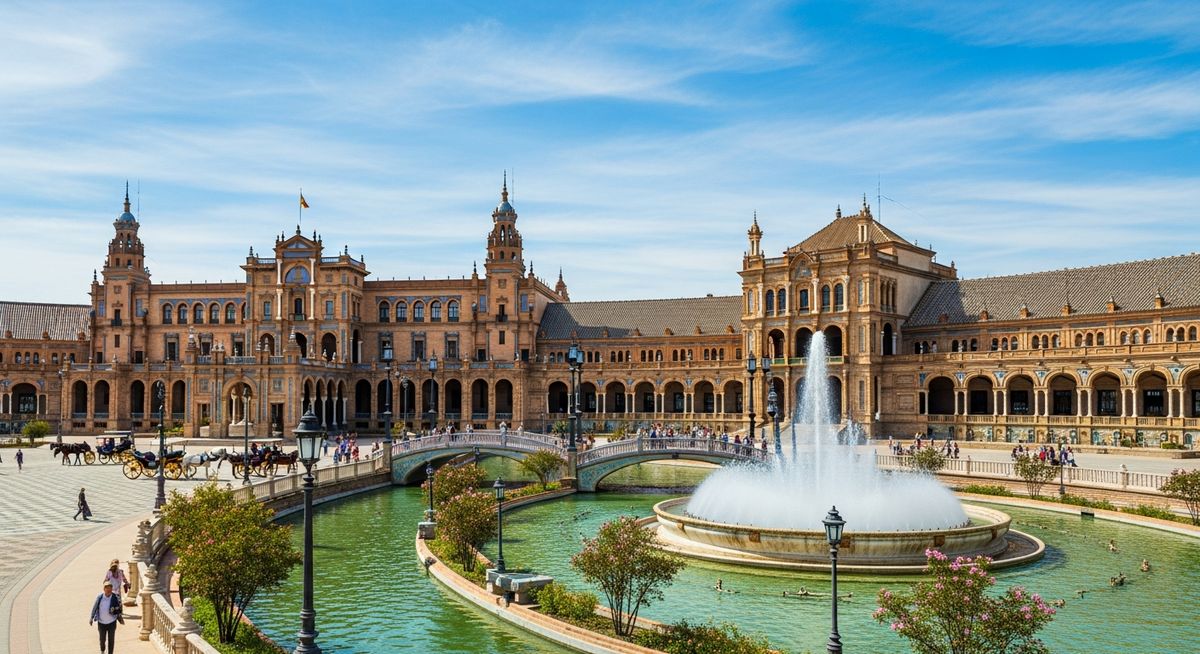
Spain isn’t just a country – it’s a collection of experiences that’ll leave you planning your next visit before you’ve even left. Having lived in Valencia for years and explored nearly every corner of this incredible country, I can tell you that Spain offers something for everyone, whether you’re into history, food, beaches, or nightlife.
From the Moorish palaces of Andalusia to the avant-garde architecture of Barcelona, my picks for the best experiences throughout the country represent the very best of what Spain has to offer.
Trust me, once you start ticking these off your list, you’ll understand why so many people fall in love with this country and never want to leave.
1. Explore the Alhambra in Granada
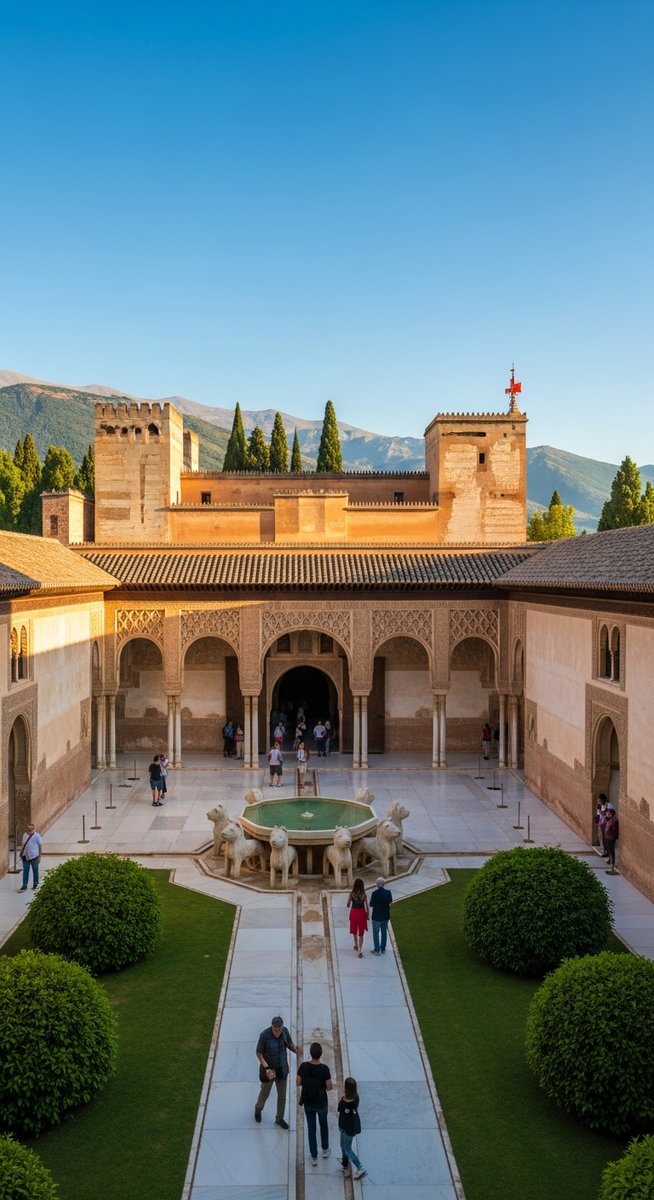
The Alhambra isn’t just a palace – it’s a masterpiece that’ll make you question everything you thought you knew about medieval architecture. This 14th-century Moorish complex sits majestically on a hill overlooking Granada, and walking through its intricate courtyards feels like stepping into a fairy tale.
The attention to detail is mind-blowing, from the geometric patterns carved into every surface to the way light filters through the arched windows. The Court of Lions alone will have you standing there with your mouth open, wondering how craftsmen 600 years ago created something so perfect.
Here’s the thing though – you absolutely must book tickets in advance, and I mean months ahead if you’re visiting in summer. Only a limited number of people are allowed in each day, and tickets sell out faster than concert tickets for your favorite band.
I recommend booking skip-the-line tickets to the Alhambra and Nasrid Palaces to guarantee your entry and avoid the disappointment of missing out on this once-in-a-lifetime experience.
2. Experience Flamenco in Seville
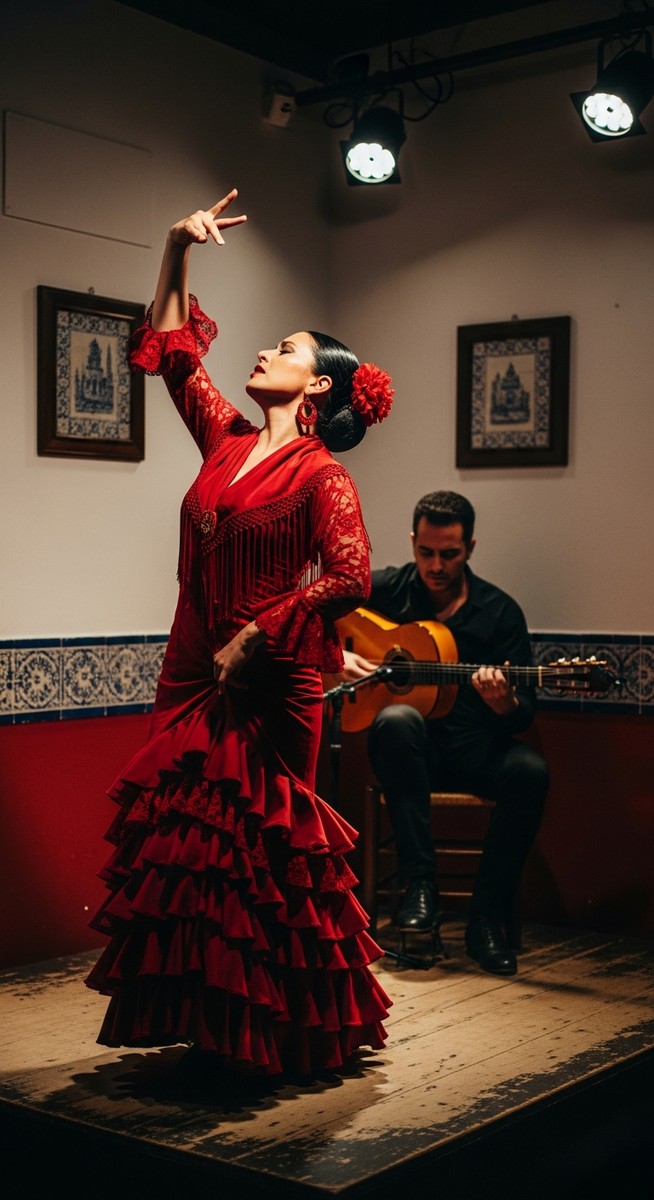
Seville is where flamenco was born, and experiencing it here isn’t just entertainment – it’s witnessing raw emotion transformed into art. The passion, the intensity, the way a dancer can tell an entire story with just a stomp of their foot – it’s something you feel in your chest rather than just see with your eyes.
Skip the touristy dinner shows and head to the authentic tablaos in the Triana neighborhood, where locals still gather to watch real flamenco artists pour their souls onto the stage. The difference between a tourist show and authentic flamenco is like comparing fast food to a home-cooked meal – both might fill you up, but only one will leave you truly satisfied.
If you’re lucky enough to stumble upon an impromptu performance in a local bar, consider it a gift. These spontaneous moments, where musicians and dancers just start performing because they feel the music, are when flamenco shows its true power.
For the most authentic experience, I recommend this traditional flamenco show at a genuine theater where you’ll see real artistry in action. Before you visit, check out my essential tips for visiting Seville and reasons why you absolutely need to visit this city.
3. Walk the Camino de Santiago
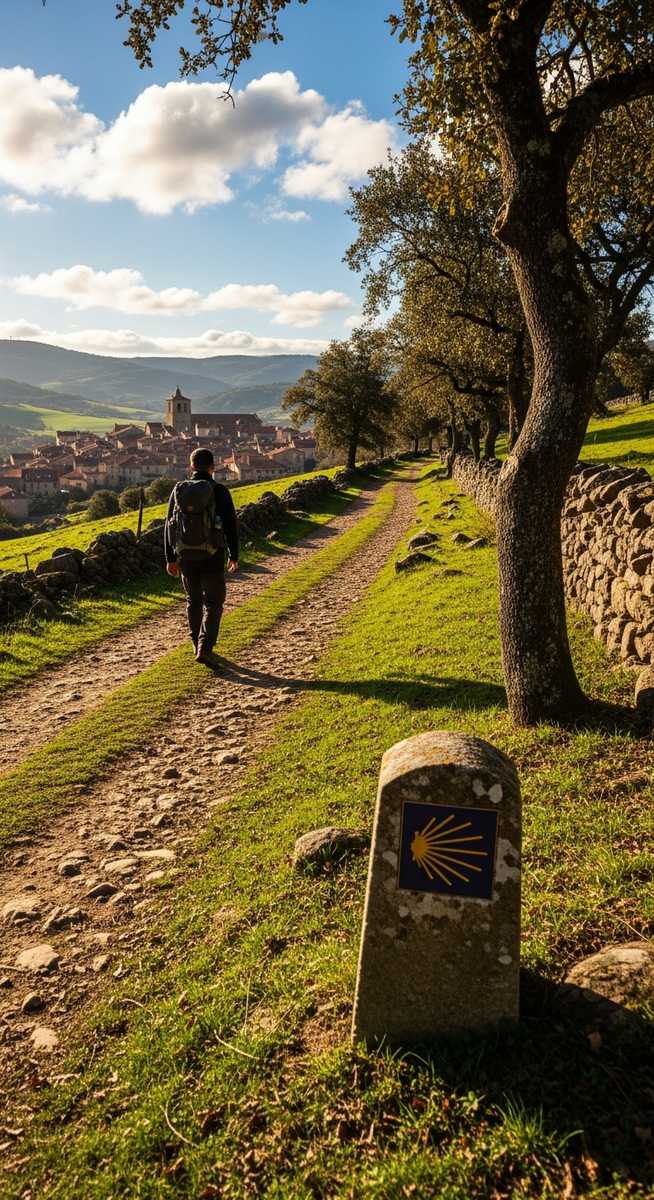
The Camino de Santiago isn’t just a hike – it’s a journey that changes people. Whether you’re religious or not, walking this ancient pilgrimage route through northern Spain offers a unique way to see the country while challenging yourself both physically and mentally.
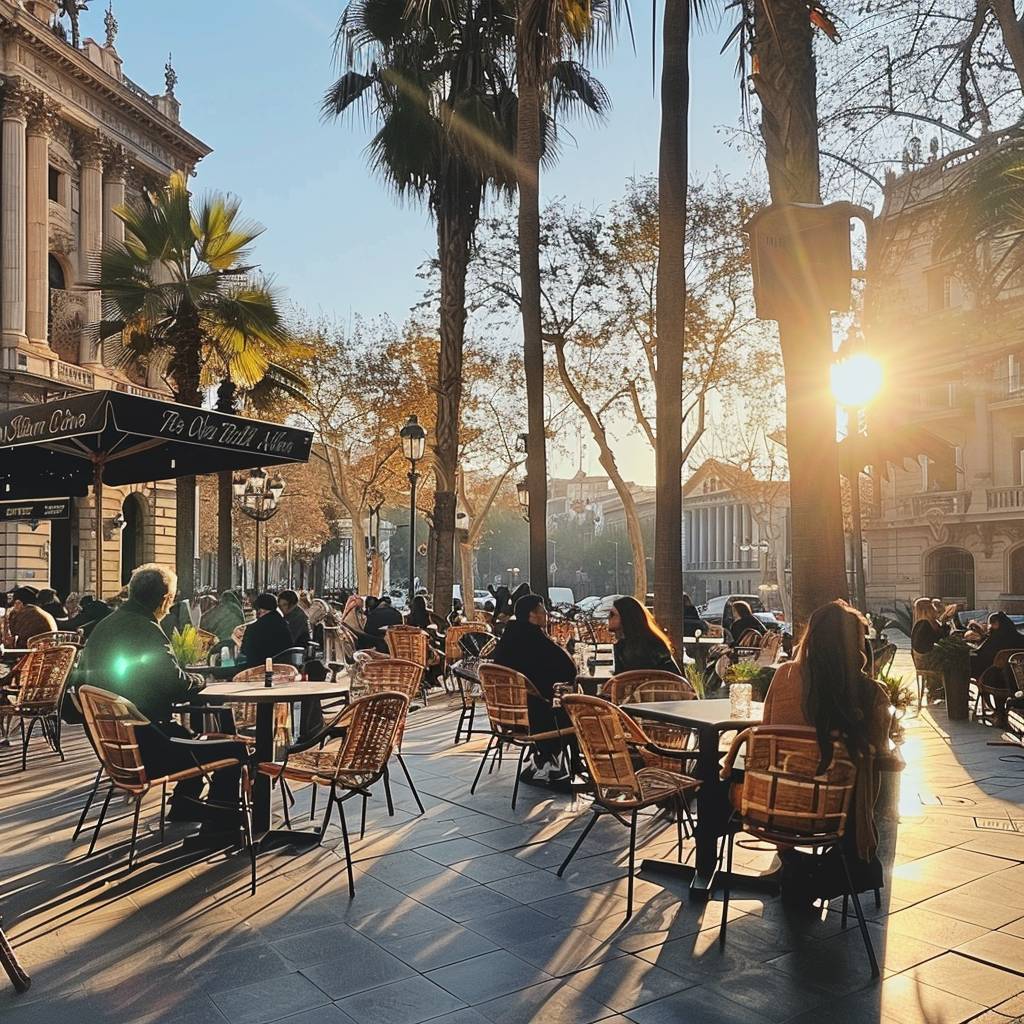
You don’t need to walk the entire 800 kilometers (497 miles) from the French border to Santiago de Compostela. Many people choose shorter sections, like the final 100 kilometers (62 miles) which still qualifies you for the official certificate, or even just a week-long stretch to get a taste of the experience.
The beauty of the Camino lies not just in the medieval villages and rolling countryside you’ll pass through, but in the people you’ll meet along the way. There’s something magical about sharing stories with fellow pilgrims from around the world over a simple meal in a village that hasn’t changed much in centuries.
The infrastructure is excellent, with albergues (pilgrim hostels) every few kilometers and clear yellow arrows marking the path. When you reach Santiago de Compostela, don’t miss this tour of the famous Cathedral to properly celebrate completing your journey.
4. Marvel at Gaudí’s Architecture in Barcelona
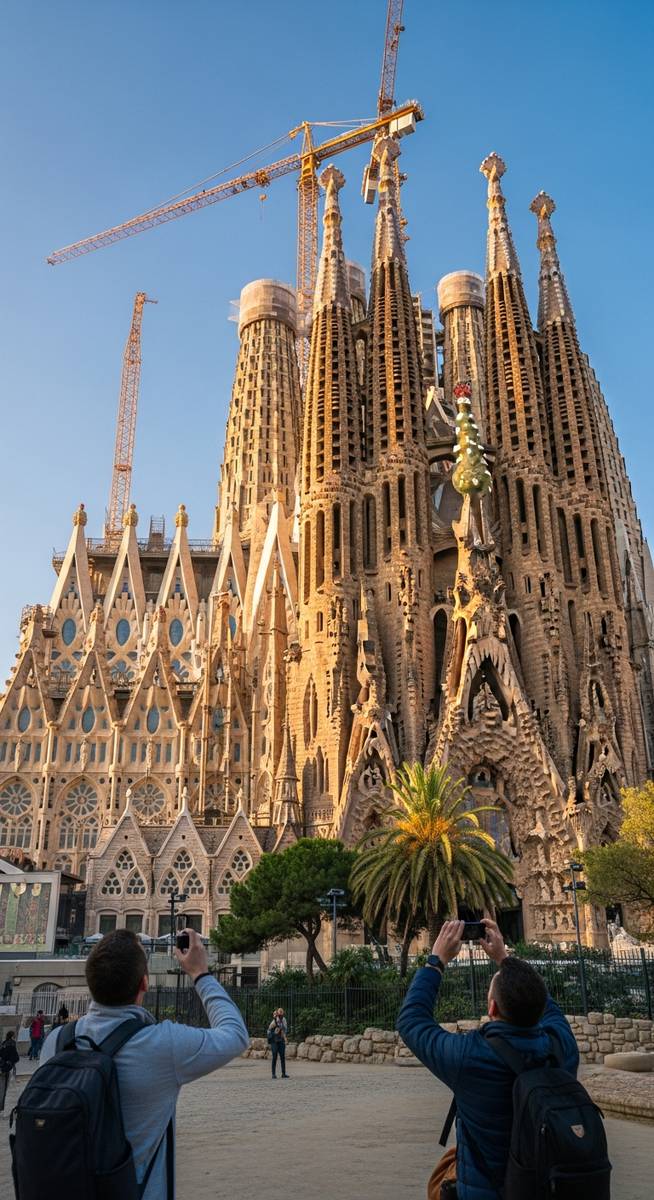
Antoni Gaudí didn’t just design buildings – he created dreams in stone and ceramic. His architectural style is so unique that walking through Barcelona feels like exploring an alternate universe where nature and architecture merged into something completely new.
The Sagrada Familia is obviously the star of the show, and for good reason. This massive basilica has been under construction for over 140 years and still isn’t finished, but that’s part of its charm. Every facade tells a different story, and the interior feels like standing inside a forest made of stone columns that branch out like trees.
Park Güell is where Gaudí’s imagination ran completely wild, creating a public space that looks like it belongs in a children’s fantasy book. The colorful mosaic benches, the gingerbread-house-like structures, and the views over Barcelona make it a perfect place to spend a morning.
I highly recommend getting skip-the-line tickets to the Sagrada Familia and Park Güell entrance tickets to avoid long queues (but – and I cannot emphasize this enough – you have to book both well in advance to make sure you don’t miss out).
For the full Gaudí experience, also consider going to the dreamy Casa Batlló to see his residential masterpiece. For accommodation advice, check out my guides on the best areas to stay for first-time visitors or the safest neighborhoods.
5. Discover Madrid’s Art Triangle
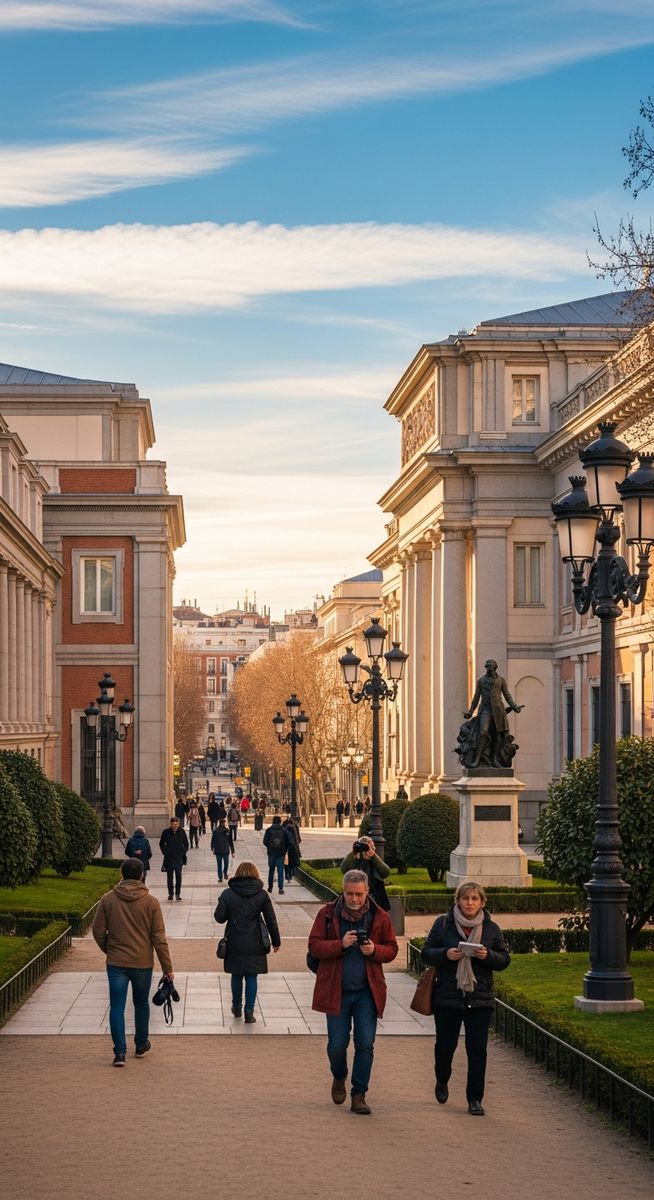
Madrid’s Golden Triangle of Art – the Prado, Reina Sofia, and Thyssen-Bornemisza museums – contains one of the world’s greatest concentrations of masterpieces. You could spend weeks here and still not see everything, but even a day hitting the highlights will leave you culturally satisfied.
The Prado houses Spain’s royal collection, including Velázquez’s Las Meninas and Goya’s dark paintings that’ll give you goosebumps. The Reina Sofia is where you’ll find Picasso’s Guernica, along with works by Dalí and Miró that showcase Spain’s contributions to modern art.
Don’t try to see everything in one day – you’ll get museum fatigue and won’t appreciate what you’re seeing. Instead, pick one or two museums and really take your time with them. The best strategy is to focus on a few artists or periods that interest you most.
For a hassle-free experience, book your Prado Museum tickets and Reina Sofia entrance tickets in advance. You might also want to consider the Royal Palace tour to see how Spanish royalty lived in their opulent surroundings.
6. Relax on the Beaches of the Balearic Islands
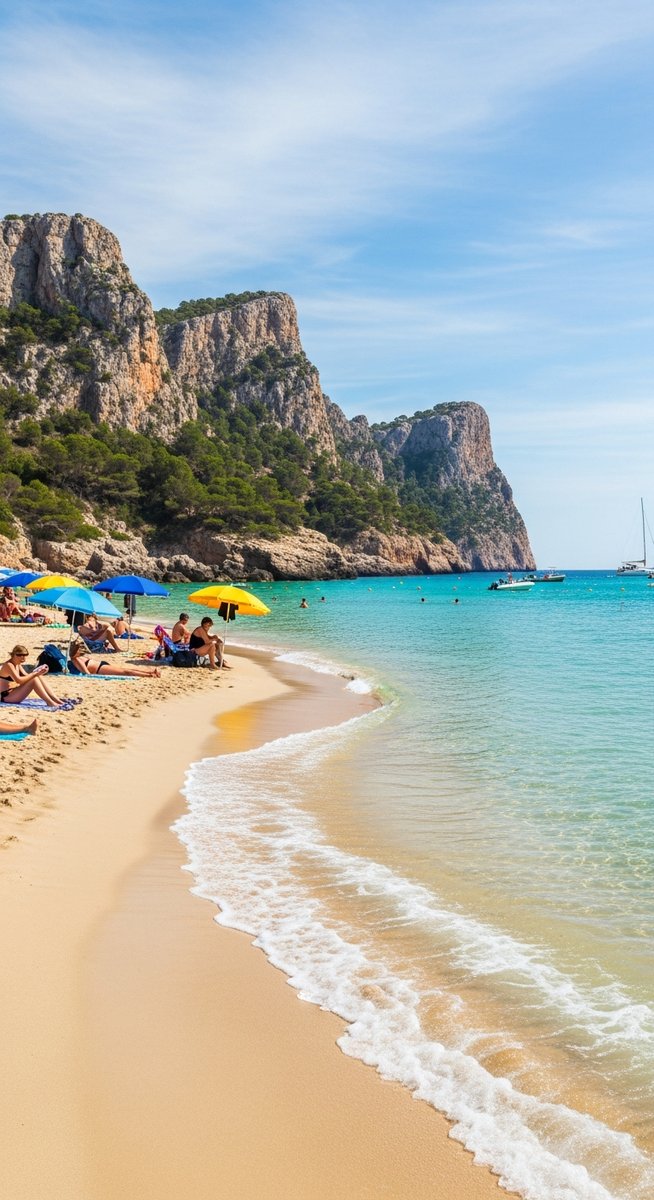
The Balearic Islands offer some of Europe’s most beautiful beaches, and each island has its own personality. Mallorca combines incredibly clear coves with charming mountain villages, while Menorca feels more untouched and peaceful, perfect for those seeking tranquility.
Ibiza isn’t just about the party scene (though it does that better than anywhere else) – the island also has some of the most crystal-clear waters you’ll ever see. Formentera, the smallest of the main islands, has beaches that rival those in the Caribbean, with white sand so fine it squeaks under your feet.
The best part about the Balearics is that you can have completely different experiences depending on which part of each island you visit. You can party until sunrise in Ibiza Town, then spend the next day on a quiet beach where the only sound is gentle waves lapping the shore.
For the ultimate Mallorca experience, I recommend this 5-hour catamaran cruise with lunch and swimming – it’s the perfect way to see the island’s coastline. If you’re planning to explore Palma, check out my guide to incredible things to do in Palma de Mallorca and the best activities across Mallorca.
7. Taste Pintxos in San Sebastian
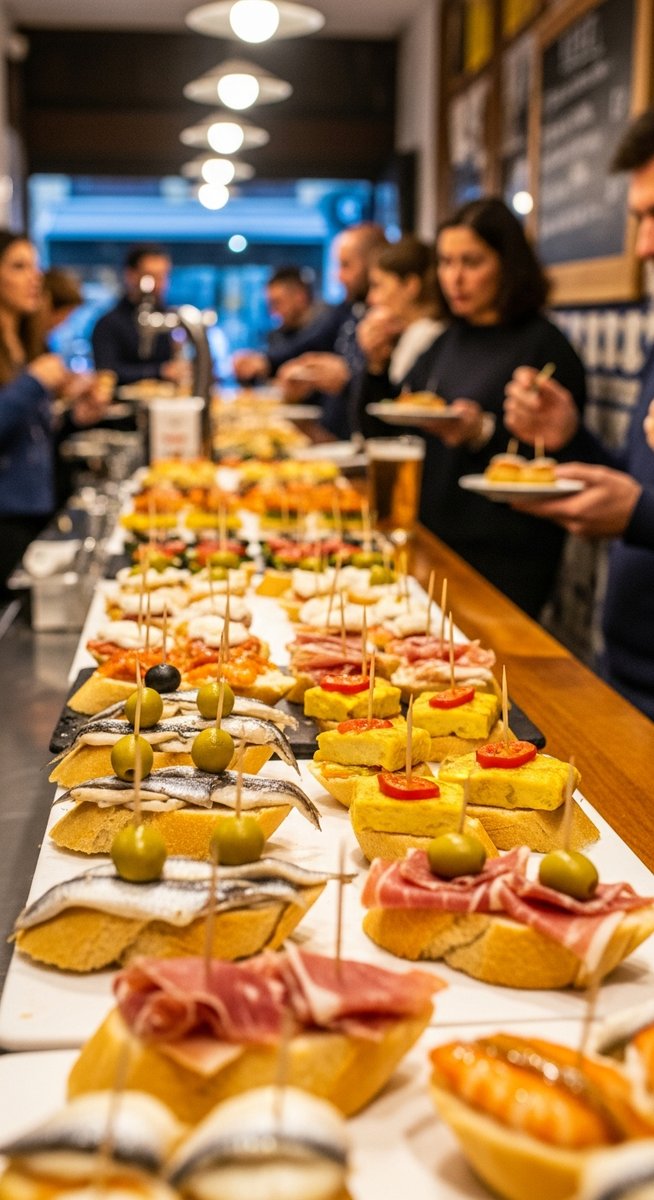
San Sebastian has more Michelin stars per capita than anywhere else in the world, but some of the best food you’ll eat here won’t be in fancy restaurants – it’ll be standing at a bar with a small plate of pintxos and a glass of local wine.
Pintxos culture is all about hopping from bar to bar, trying one or two small plates at each place along with a drink. Each bar has its specialty, and locals know exactly where to go for the best tortilla, the freshest seafood, or the most creative modern interpretations of traditional dishes.
The ritual is simple: grab a small plate, point to what looks good on the bar top, eat it standing up while chatting with whoever’s next to you, then pay and move on to the next place. It’s social dining at its finest, and you’ll probably end up making friends before the night is over.
Don’t fill up at the first bar – the idea is to sample widely rather than have a full meal in one place. For the best experience, I recommend joining this pintxos and wine tour where a local guide will take you to the authentic spots that tourists rarely find on their own.
8. Explore Royal Palaces and Monuments
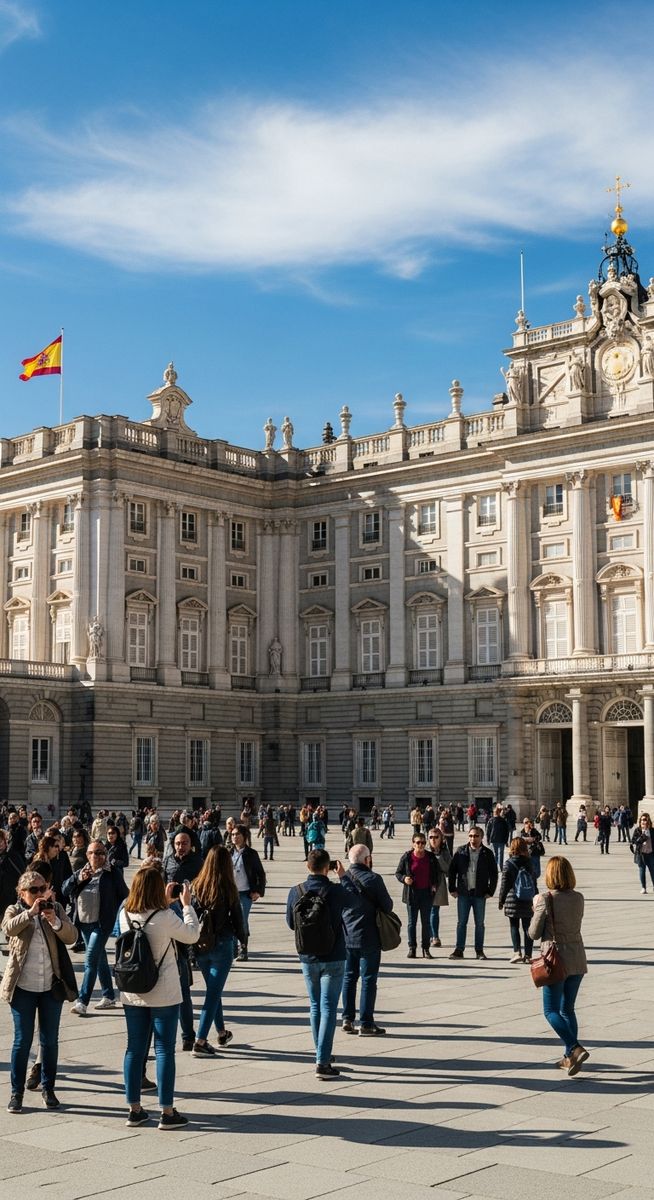
Spain’s royal heritage is incredible, and visiting its palaces gives you insight into centuries of history and artistic achievement. From the opulent Royal Palace in Madrid to the more intimate Alcázar in Seville, each palace tells a different chapter of Spain’s story.
The Royal Palace in Madrid contains over 3,000 rooms and houses one of Europe’s finest collections of art, furniture, and decorative objects. The throne room alone will leave you speechless, with its crystal chandeliers and ornate ceiling frescoes that took master artists years to complete.
In Seville, the Alcázar represents the height of Mudéjar architecture, where Islamic and Christian styles blend seamlessly. The palace gardens are equally impressive, offering a peaceful retreat from the bustling city streets where you can wander among orange trees and fountains.
I recommend booking this comprehensive Alcázar, Cathedral and Giralda tour in Seville to see multiple monuments in one visit. For Madrid, the Royal Palace tour provides fascinating insights into Spanish royal history.
9. Explore Toledo’s Medieval Streets
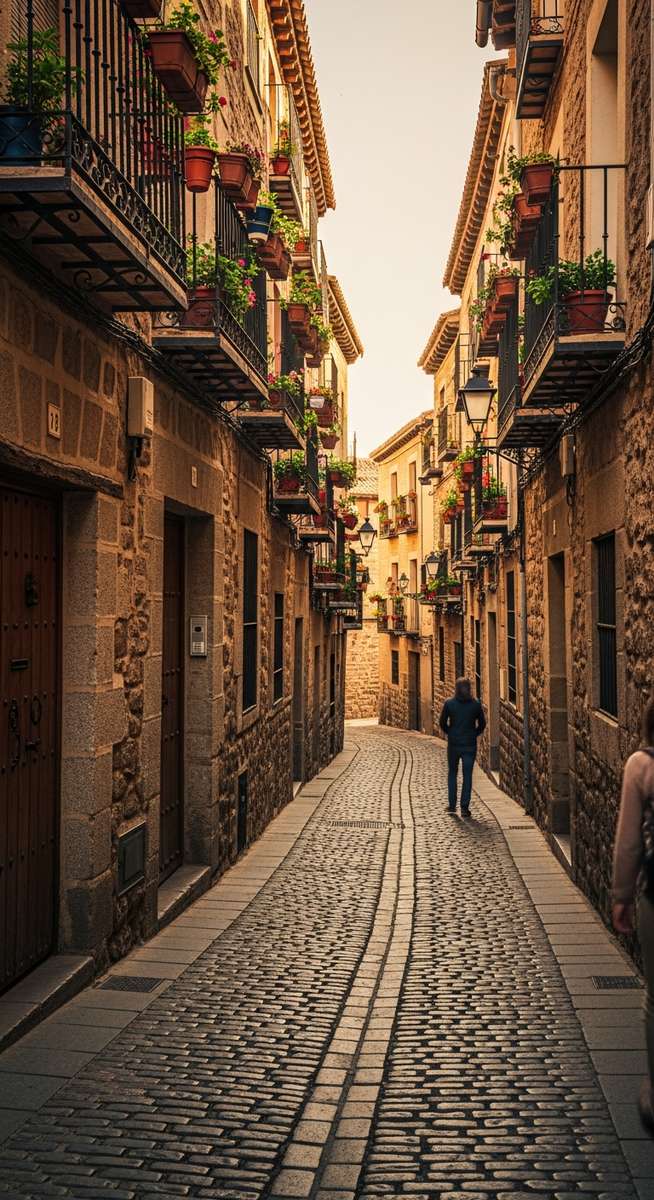
Toledo feels like a medieval movie set that someone forgot to dismantle. This UNESCO World Heritage city sits on a hill surrounded by the Tagus River, and its narrow cobblestone streets haven’t changed much since the Middle Ages.
What makes Toledo special is its history as a place where Christian, Muslim, and Jewish cultures coexisted for centuries. You can see this blend everywhere – in the architecture, the art, and even in the city’s famous tradition of sword-making that continues today.
The cathedral is absolutely massive and filled with treasures, including paintings by El Greco, who made Toledo his home. But don’t just stick to the main attractions – some of the best experiences come from wandering the small streets and discovering tiny churches, hidden courtyards, and workshops where artisans still practice centuries-old crafts.
Toledo is close enough to Madrid for a day trip, and you can easily combine it with other destinations through tours like this Segovia and Toledo day tour from Madrid. For more ideas about exploring Spain’s most beautiful historic towns, check out my guide to must-see Spanish towns you’ll fall in love with.
10. Party Until Dawn in Ibiza
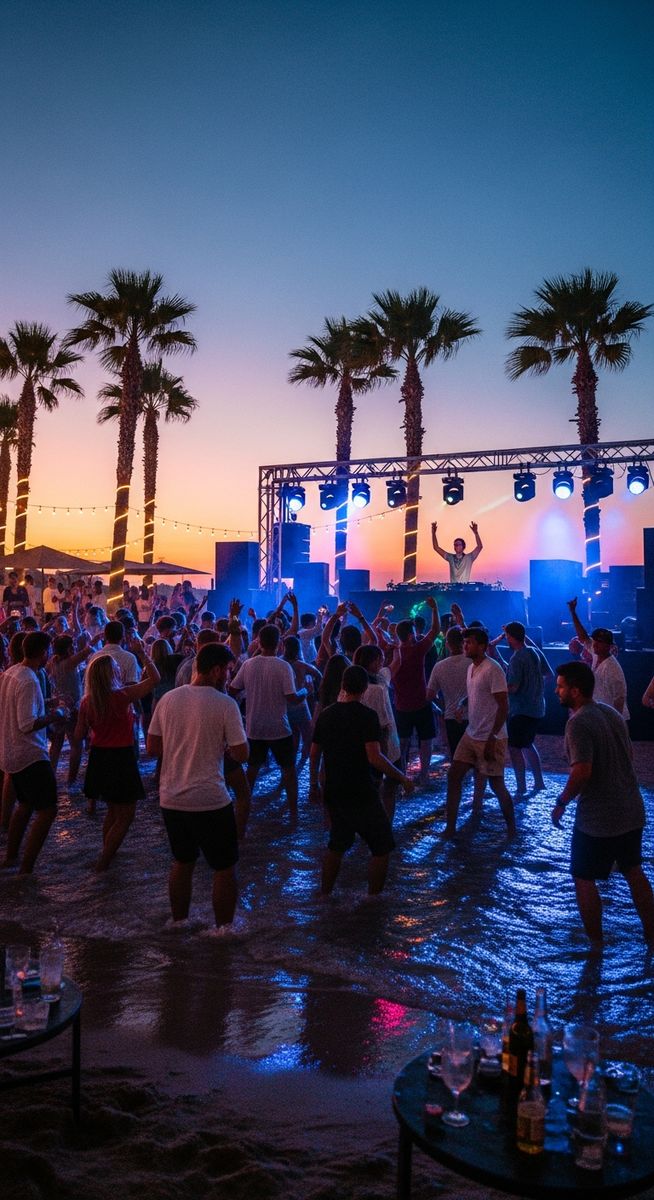
Ibiza’s reputation as the world’s clubbing capital isn’t just hype – it’s earned through decades of hosting the best DJs, creating the most incredible venues, and maintaining a party atmosphere that’s impossible to replicate anywhere else.
The superclubs like Pacha, Amnesia, and Ushuaïa aren’t just places to dance – they’re full sensory experiences with production values that rival major concerts. World-famous DJs play sets that last for hours, and the crowds include people from every corner of the globe who’ve come specifically for this experience.
But Ibiza isn’t just about the big clubs. Some of the most memorable nights happen at smaller venues or beach bars where the vibe is more intimate but the music is just as good. And if you need a break from the intensity, the island has some of the most beautiful beaches in the Mediterranean.
The party season runs from May to October, with July and August being the peak months when ticket prices are highest but the energy is most intense. If you want the full experience but with fewer crowds and lower prices, consider visiting in June or September.
11. Visit the Guggenheim Museum in Bilbao
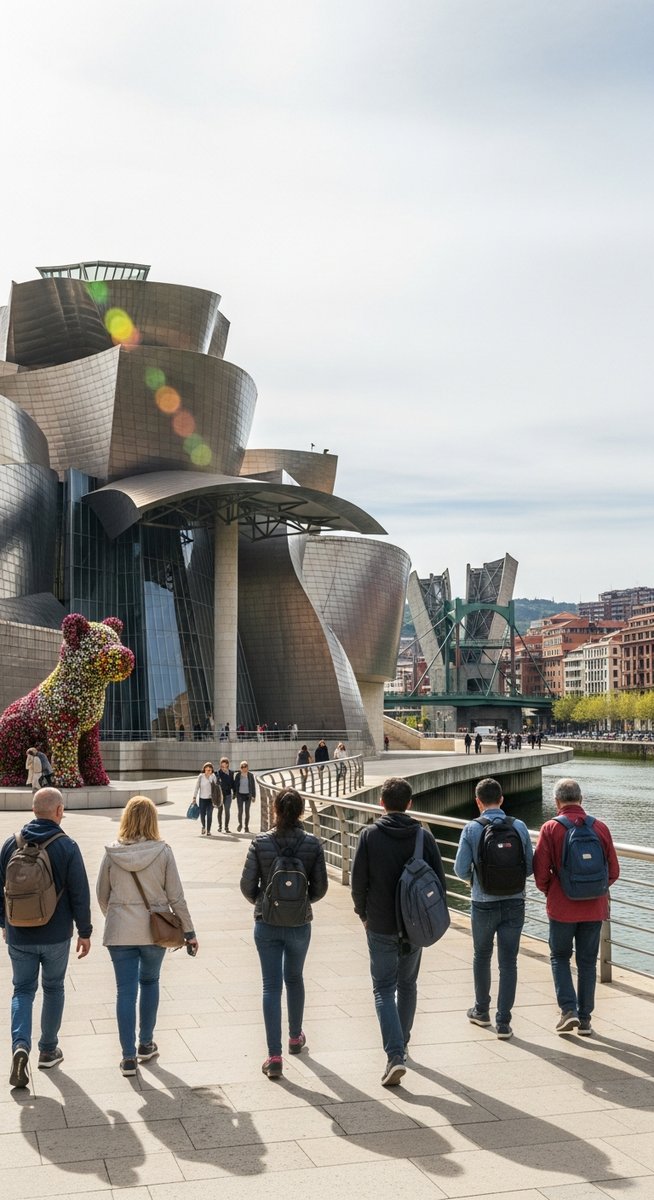
The Guggenheim Bilbao proves that a single building can transform an entire city. When it opened in 1997, this titanium-clad masterpiece by Frank Gehry turned a declining industrial city into a must-visit cultural destination almost overnight.
The building itself is as much art as anything inside it. The flowing, sculptural forms catch light differently throughout the day, and walking around the exterior gives you a completely new perspective every few steps. Inside, the soaring spaces and curved galleries create viewing experiences unlike any traditional museum.
While the permanent collection focuses on contemporary and modern art, the temporary exhibitions are often what draw visitors from around the world. The museum has hosted everything from major retrospectives to cutting-edge installations that push the boundaries of what art can be.
For the best experience, I recommend this skip-the-line Guggenheim Museum guided tour where you’ll learn about both the architecture and the art from an expert guide. Bilbao itself has embraced its cultural renaissance, becoming a vibrant destination with excellent restaurants and renewed civic pride.
12. Experience La Tomatina Festival in Buñol
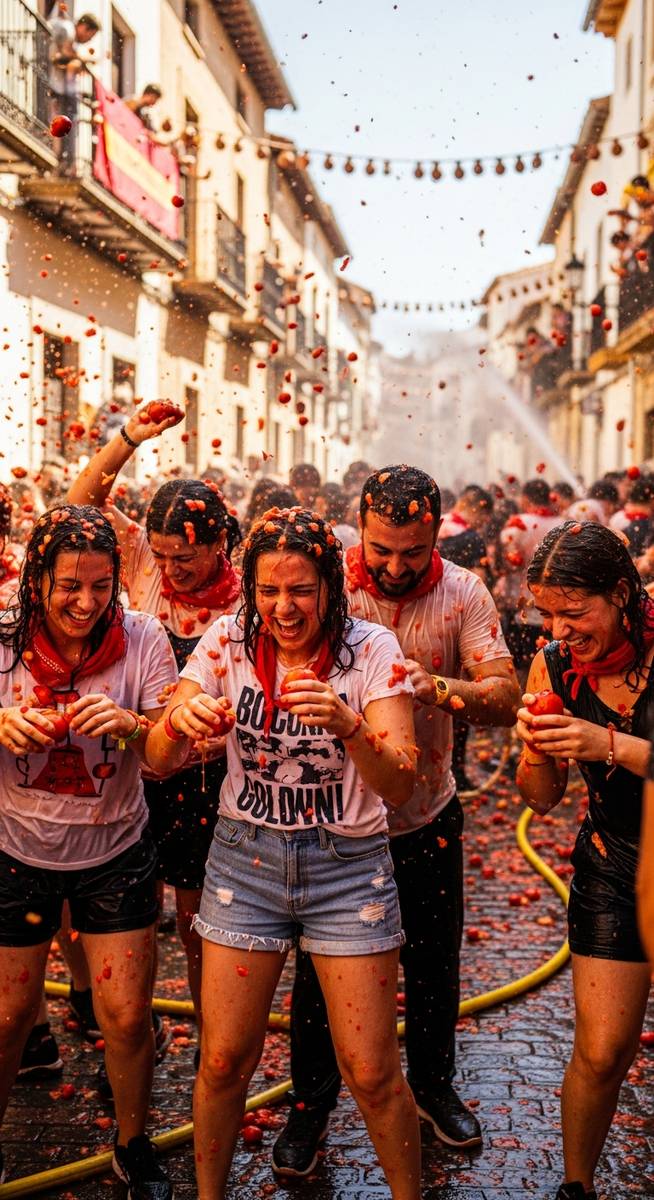
La Tomatina is exactly what it sounds like – the world’s biggest food fight, where thousands of people gather in the small town of Buñol to throw overripe tomatoes at each other for one glorious, messy hour.
This festival happens on the last Wednesday of August, and it’s pure, ridiculous fun. For exactly one hour, the streets become rivers of tomato pulp as people throw, slip, slide, and laugh their way through what has to be one of the world’s most pointless yet joyful events.
The key to enjoying La Tomatina is embracing the chaos completely. Wear old clothes you don’t mind throwing away, protect your camera, and accept that you’re going to get completely covered in tomato from head to toe. The locals set up hoses afterward to help everyone rinse off.
If you can’t make it to La Tomatina, Spain has plenty of other unique festivals throughout the year, from the Running of the Bulls in Pamplona to Las Fallas in Valencia. Check out my guide to the ultimate week in Spain and the best places to visit across Spain.
13. Hike in the Picos de Europa
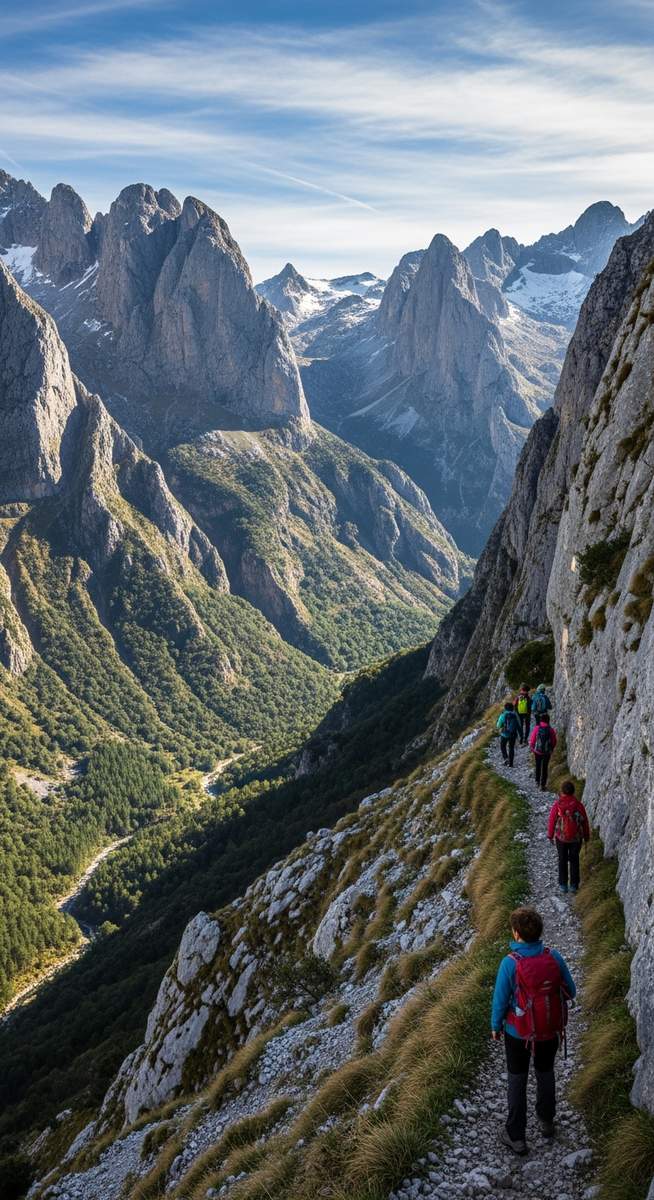
Most people think of Spain as a beach and city destination, but the Picos de Europa National Park in the north offers some of Europe’s most dramatic mountain scenery. These limestone peaks rise straight up from green valleys, creating landscapes that look more like the Alps than what most people expect from Spain.
The hiking here ranges from gentle walks through meadows filled with wildflowers to challenging climbs that require proper mountain experience. The Cares Gorge trail is probably the most famous – an 11-kilometer (6.8-mile) path carved into the rock face that offers incredible views without requiring technical climbing skills.
What makes the Picos special is how quickly the landscape changes. You can start your day hiking through beech forests, have lunch next to a glacial lake, and end up in a traditional mountain village where they still make cheese the same way they have for centuries.
The best time to visit is between June and September when the weather is most stable and the mountain huts are open. Even in summer, bring warm clothes – mountain weather can change quickly, and you’ll want layers as you gain elevation.
14. Wander Through Córdoba’s Mezquita
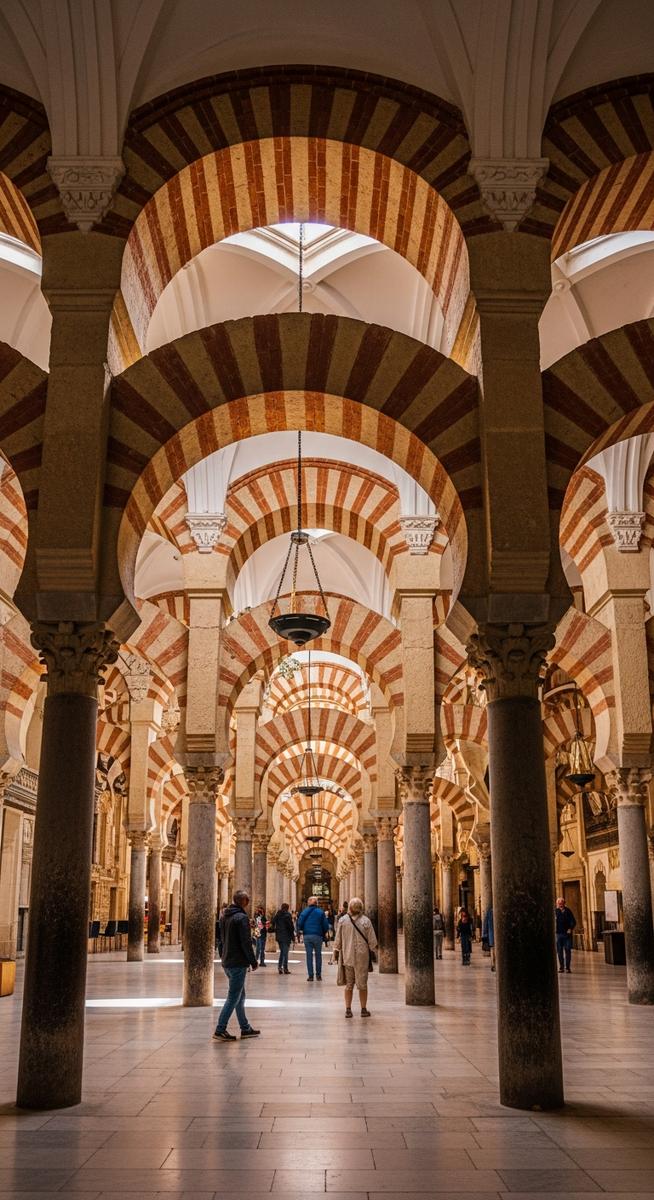
The Mezquita in Córdoba is one of those places that stops you in your tracks and makes you question everything you thought you knew about architecture and history. This massive building started as a mosque in the 8th century, was converted to a cathedral in the 13th century, and somehow the combination works in a way that shouldn’t be possible but absolutely is.
Walking through the forest of red and white striped arches feels like being inside a geometric dream. The columns seem to go on forever, creating patterns and perspectives that change with every step. Then you reach the center and suddenly you’re standing in an ornate Gothic cathedral that somehow fits perfectly within the Islamic architecture.
Córdoba itself was once the largest city in the world and the capital of Islamic Spain. The Mezquita represents this golden age when the city was a center of learning and culture that attracted scholars from across the known world.
For the best experience, book this skip-the-line Mosque-Cathedral guided tour to learn about the fascinating history and architectural details you might otherwise miss. Visit early in the morning or late in the afternoon when the light streaming through the windows creates the most dramatic effects.
15. Enjoy Tapas Culture Throughout Spain
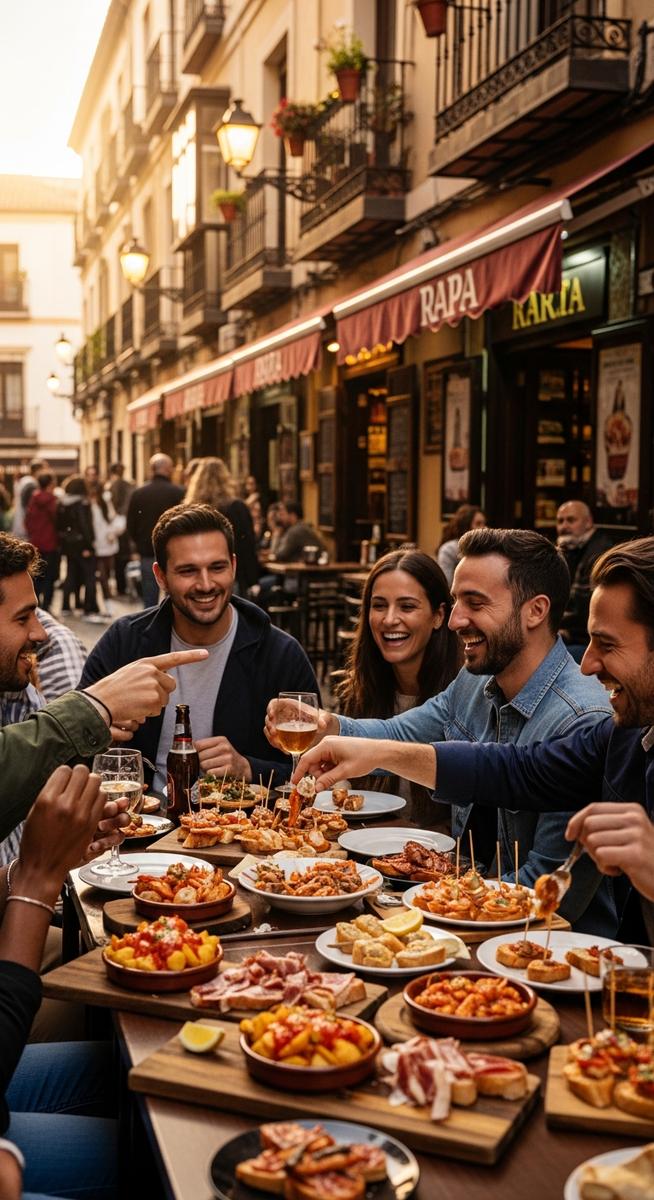
Tapas aren’t just small plates of food – they’re a way of life that turns eating into a social event. Every region of Spain has its own tapas traditions, and understanding these differences is key to experiencing authentic Spanish culture.
In Granada, tapas still come free with drinks, a tradition that’s disappeared in most other cities. In the Basque Country, pintxos (their version of tapas) are more elaborate and you pay by the toothpick. In Valencia, where I live, tapas are usually shared among groups and paired with local wines or horchata.
The social aspect is just as important as the food. Spaniards don’t just grab tapas and leave – they linger, chat with friends, debate politics, and turn a simple meal into an event that can last for hours. Bar hopping is an art form here, and locals know exactly which bar has the best patatas bravas and which one makes the perfect tortilla.
Don’t be afraid to ask for recommendations or try something you’ve never heard of. Some of the best tapas experiences happen when you point to something interesting and trust the bartender to explain what you’re about to eat.
For foodie inspiration, check out my guides to the best food in Barcelona, what to eat in Seville, and the best places for paella in Valencia.
Final Thoughts
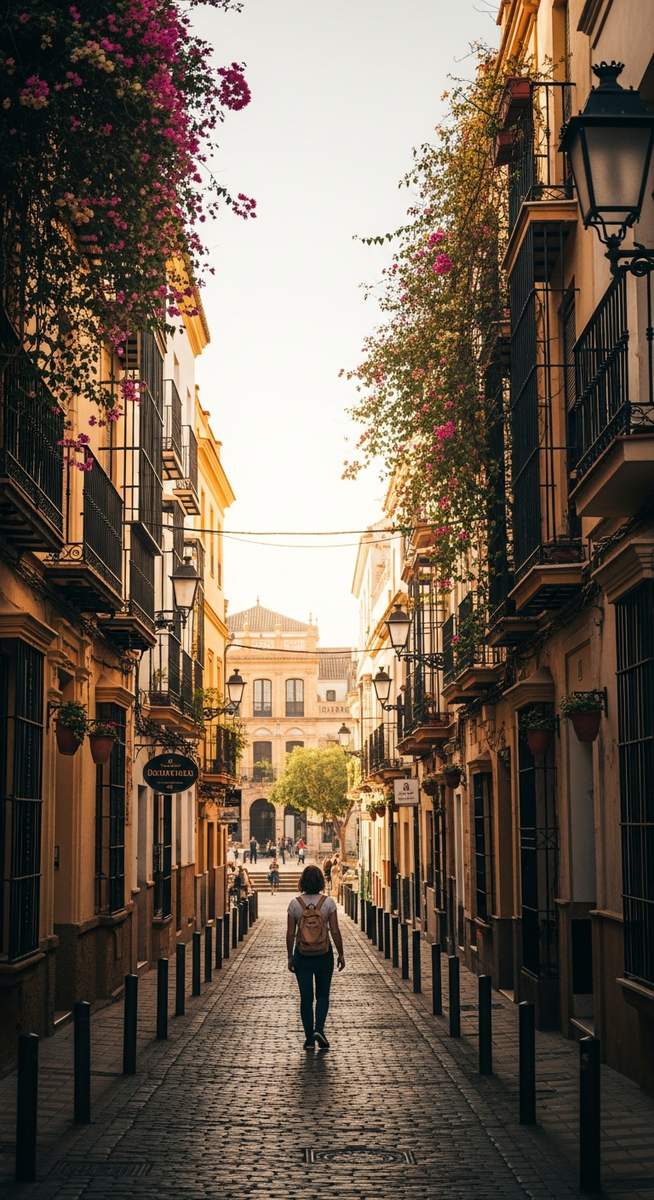
These 15 experiences only scratch the surface of what Spain offers, but they’ll give you a solid foundation for understanding why this country captures so many hearts. From the artistic treasures of Madrid to the beach culture of the Balearics, from ancient history in Toledo to cutting-edge architecture in Bilbao, Spain manages to be both deeply traditional and surprisingly modern.
The beauty of Spain is that you can return dozens of times and still discover something new. Each region has its own personality, its own specialties, and its own way of doing things.
For more detailed planning help, check out my comprehensive Spain travel tips for first-time visitors and various Spain itineraries including one week, two weeks, and ten days to help you make the most of your time here.
Once you start exploring, you’ll understand why so many of us who came here for a visit ended up staying for life. Finally, make sure you have travel insurance sorted before you go, and consider getting a Trainline pass for easy travel between cities – Spain’s train network is excellent and much more comfortable than flying for most domestic routes.
