
15 Must-See Spanish Towns You’ll Fall in Love With

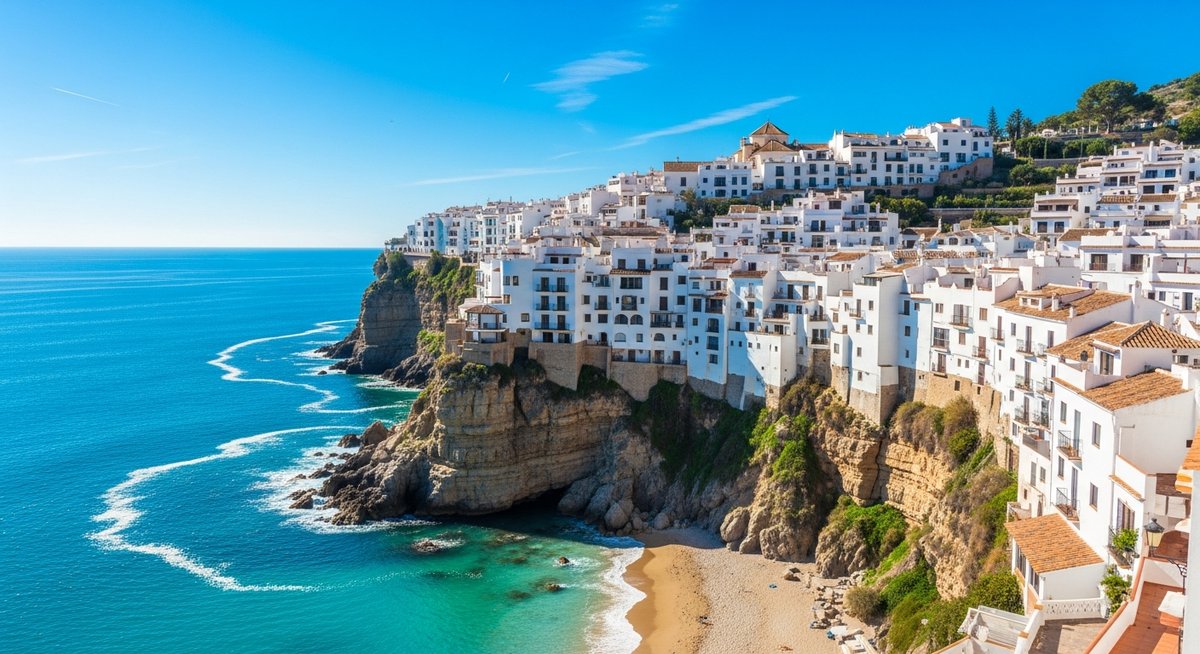
Spain’s small towns are where you’ll find the country’s true soul – away from the tourist crowds and into authentic Spanish life.
Having lived in Valencia for years and traveled extensively throughout Spain, I can tell you that these smaller destinations offer some of the most memorable experiences you’ll have in the country.
From dramatic clifftop villages in Andalusia to medieval towns in Catalonia, each of these spots has its own character and charm. They’re perfect for slow travel, incredible photography, and experiencing Spain the way locals do.
1. Ronda (Andalusia)
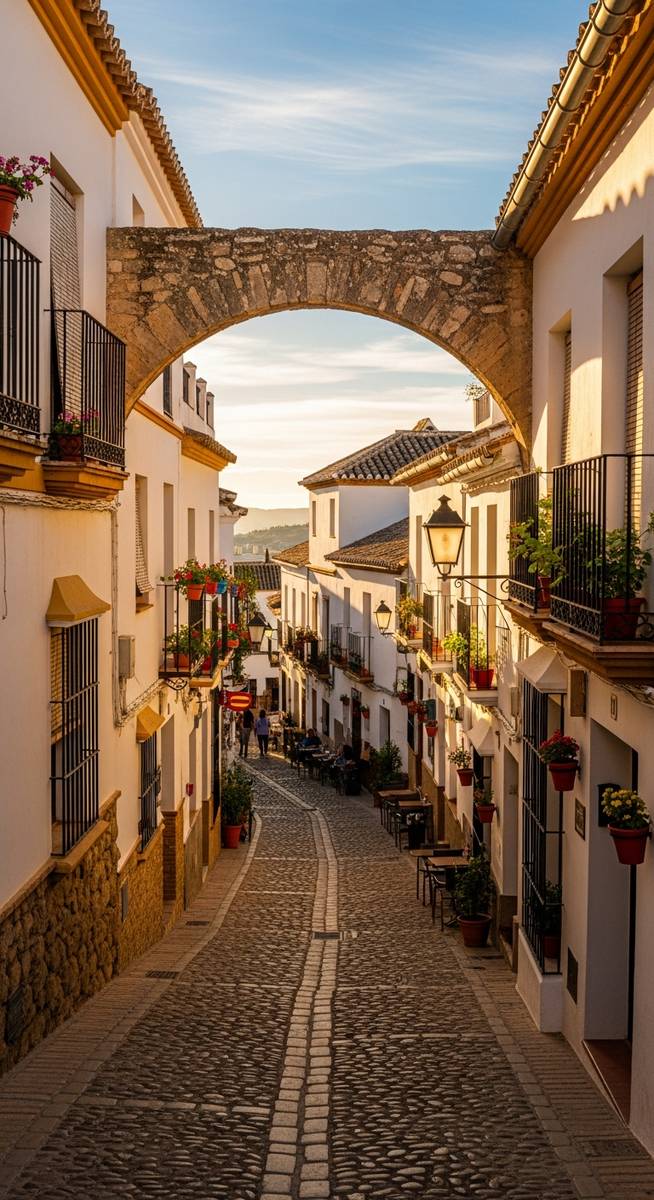
Perched dramatically on a clifftop 120 kilometers (75 miles) from Málaga, Ronda is probably Spain’s most famous small town for good reason. The 18th-century Puente Nuevo bridge spans the 100-meter (328-foot) deep El Tajo gorge, creating one of the most photographed views in all of Spain.
The town is split between the historic Moorish old quarter and the newer section built after the Christian conquest. You’ll want to visit the Plaza de Toros, one of Spain’s oldest bullrings, and wander the cobblestone streets lined with whitewashed houses.
Don’t miss the views from the Alameda del Tajo gardens at sunset – they’re absolutely incredible. In fact, while the town makes a perfect day trip to visit, I’d recommend staying overnight if you can to experience its peaceful evening atmosphere.
If you want a hassle-free trip, check out this amazing day trip from Seville to Ronda and the famous White Villages.
2. Cuenca (Castilla-La Mancha)
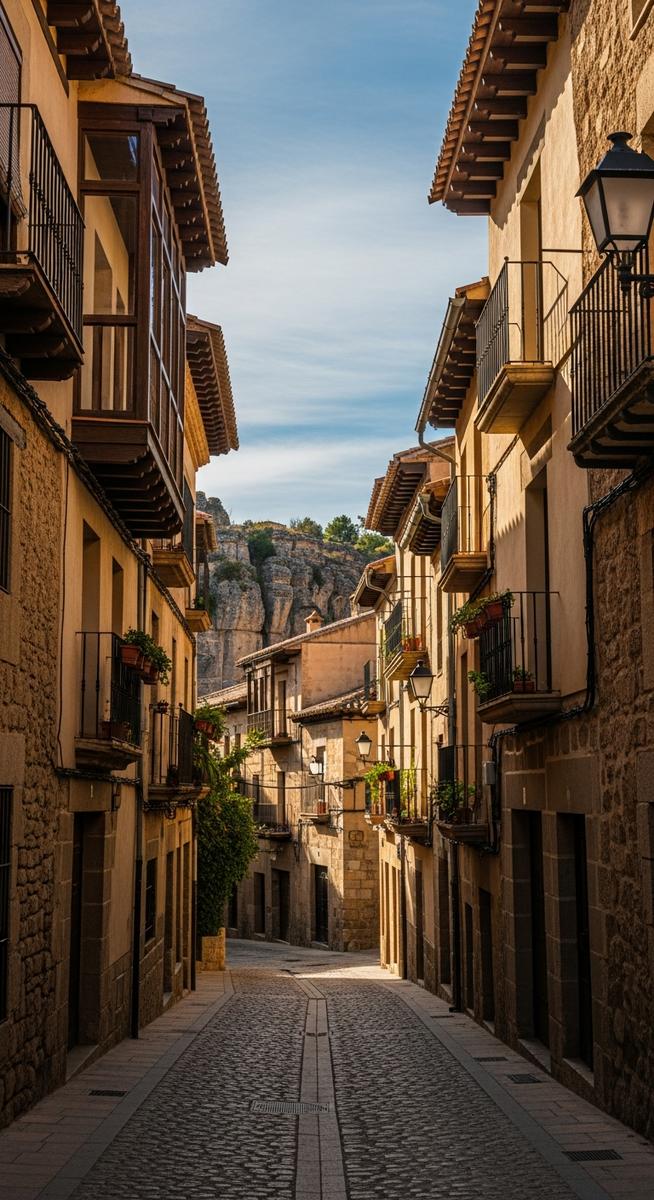
Cuenca’s famous hanging houses (Casas Colgadas) literally dangle over the edge of a rocky gorge, making this UNESCO World Heritage site one of Spain’s most unique destinations. Located 165 kilometers (103 miles) southeast of Madrid, it’s easily accessible by high-speed train – although this day tour from Madrid to Cuenca means you don’t have to organize a thing.
(It’s also a great day trip from Valencia, if that’s your base.)
The old town sits on a triangular plateau between two river gorges, creating natural fortifications that protected the city for centuries. The Gothic cathedral and the Museum of Spanish Abstract Art (housed in one of the hanging houses) are absolute must-sees.
Walking across the iron footbridge to get the perfect photo of the hanging houses is a bit nerve-wracking but totally worth it. The town gets quite busy during summer weekends, so visiting on weekdays gives you a more peaceful experience.
3. Frigiliana (Andalusia)
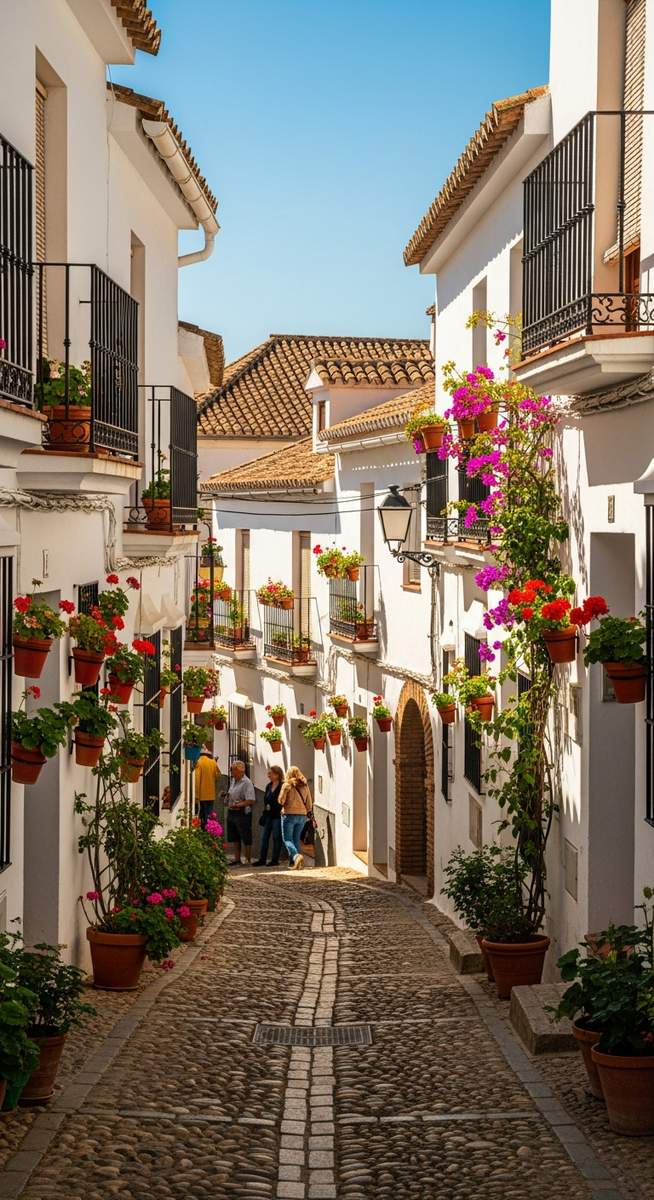
This whitewashed village cascades down a hillside 60 kilometers (37 miles) east of Málaga, offering stunning views over the Costa del Sol. Frigiliana has won multiple awards as one of Spain’s most beautiful villages, and you’ll understand why the moment you arrive.
The old Moorish quarter is a maze of narrow, flower-filled streets with houses painted brilliant white to reflect the Andalusian heat. The ceramic plaques throughout the town tell the story of the last Moorish rebellion in Spain.
The town produces excellent sweet wine, and several bodegas offer tastings with mountain views. It’s about a 45-minute drive from Málaga, making it perfect for a day trip from the coast.
You can even do this day trip from Málaga which lets you visit Frigiliana and the spectacular Caves of Nerja.
4. Peñíscola (Valencia)
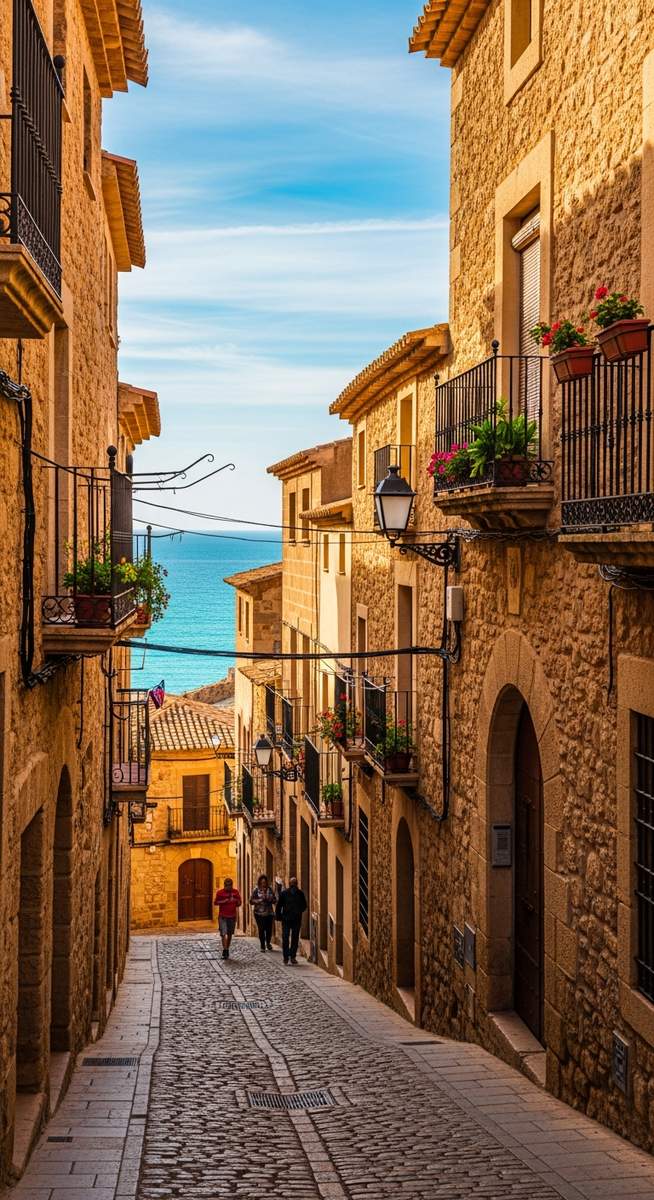
Known as the “City in the Sea,” Peñíscola sits on a rocky peninsula jutting into the Mediterranean, about 150 kilometers (93 miles) north of Valencia city with frequent trains heading there. The 14th-century castle, built by the Knights Templar, dominates the old town and offers incredible sea views.
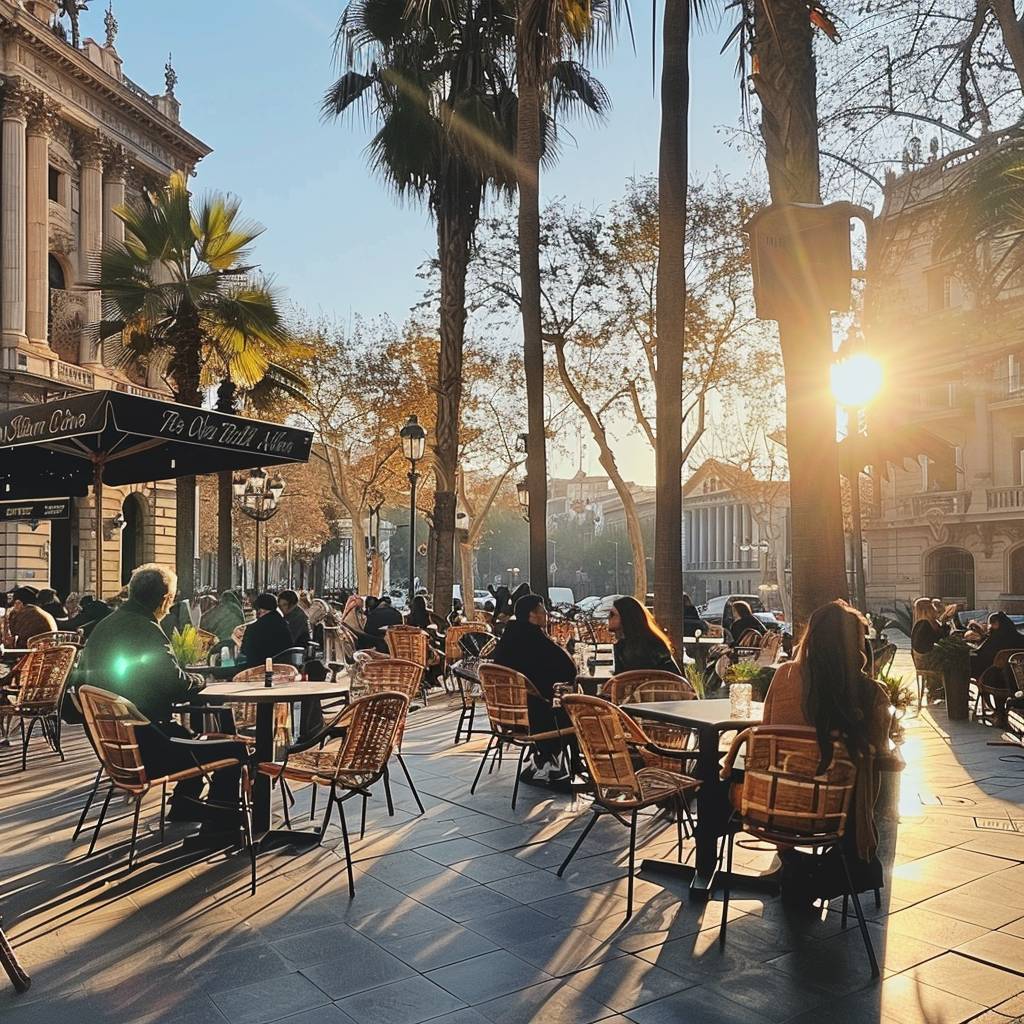
The historic center is completely car-free, with narrow streets leading up to the castle through whitewashed houses with blue-painted doors and shutters. The beaches on either side of the peninsula are perfect for a swim after exploring.
Valencia makes a great base for exploring this part of the coast, and you can easily combine Peñíscola with other coastal towns. The town gets very busy in summer, so spring and fall visits offer better weather for walking and fewer crowds.
5. Santillana del Mar (Cantabria)
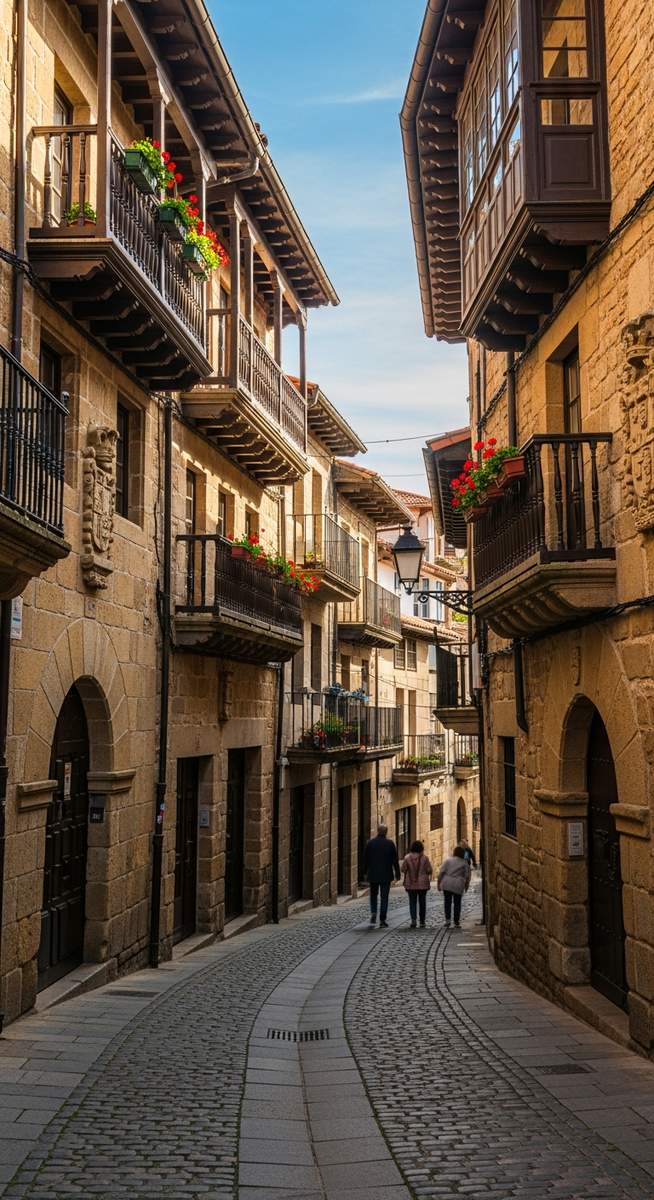
Often called “the town of three lies” (it’s not holy, flat, or by the sea despite its name), Santillana del Mar is a perfectly preserved medieval village 30 kilometers (19 miles) west of Santander. The cobblestone streets and golden stone buildings look exactly like they did centuries ago.
The Collegiate Church of Santa Juliana houses important Romanesque art, while the nearby Altamira Caves contain some of Europe’s finest prehistoric cave paintings. The town center is small enough to explore in a couple of hours, but the atmosphere makes you want to linger.
Try the local specialty of sobaos pasiegos (sponge cakes) from one of the traditional bakeries. The town can get crowded with tour buses during peak season, so early morning or late afternoon visits are ideal.
6. Cadaqués (Catalonia)
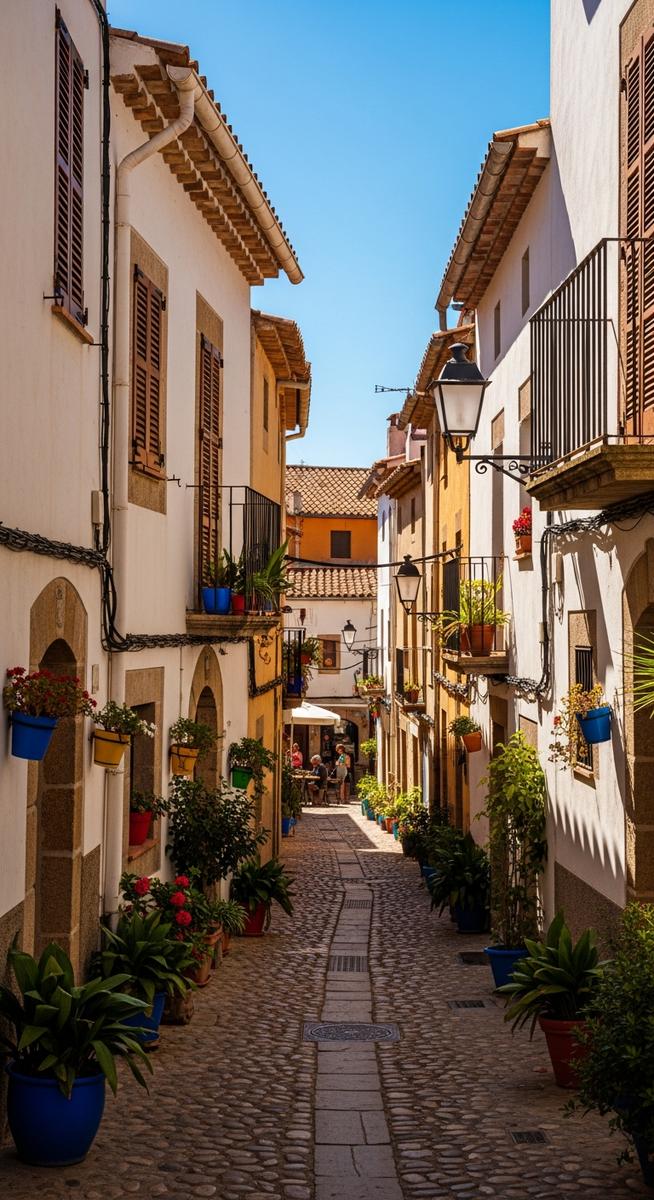
This picturesque fishing village on the Costa Brava, 170 kilometers (106 miles) northeast of Barcelona, was Salvador Dalí’s home for much of his life. The white houses with red-tiled roofs tumble down to a beautiful bay surrounded by rugged coastline.
Dalí’s house in nearby Port Lligat is now a museum (book ahead – it’s very popular), and you can see why the surreal landscape inspired his work. The town’s art galleries, seafood restaurants, and relaxed atmosphere make it perfect for a romantic getaway.
The drive to Cadaqués winds through the Cap de Creus Natural Park with spectacular coastal views. You’ve also got the option of doing a day trip from Barcelona to Cadaqués and Figueres for some truly iconic memories.
7. Albarracín (Aragón)
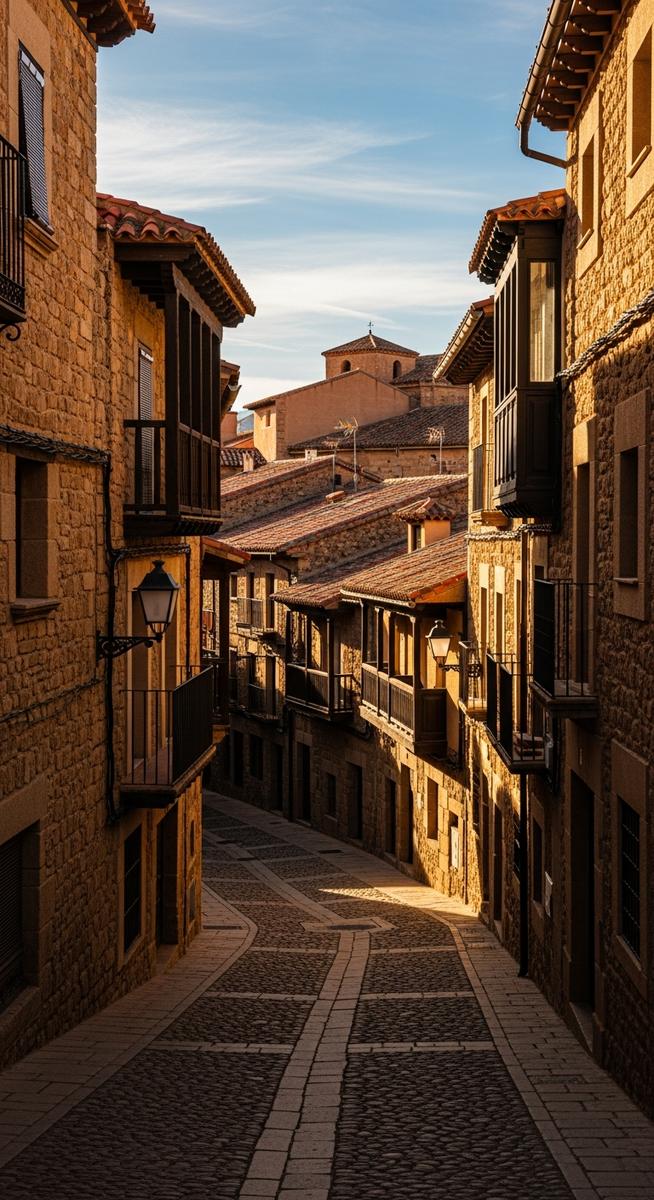
This pink-hued town in the mountains of Teruel province looks like something from a fairy tale. Albarracín sits 1,171 meters (3,842 feet) above sea level, about 180 kilometers (112 miles) from Valencia, surrounded by ancient walls and dramatic rock formations.
The narrow, winding streets follow the natural contours of the hillside, lined with houses painted in distinctive reddish tones that come from local clay. The 16th-century cathedral and the remains of the Moorish alcázar are worth exploring.
The town is tiny – you can walk everywhere in 30 minutes – but photographers could spend hours here. The lighting changes throughout the day, creating different moods and colors on the pink buildings.
8. Besalú (Catalonia)
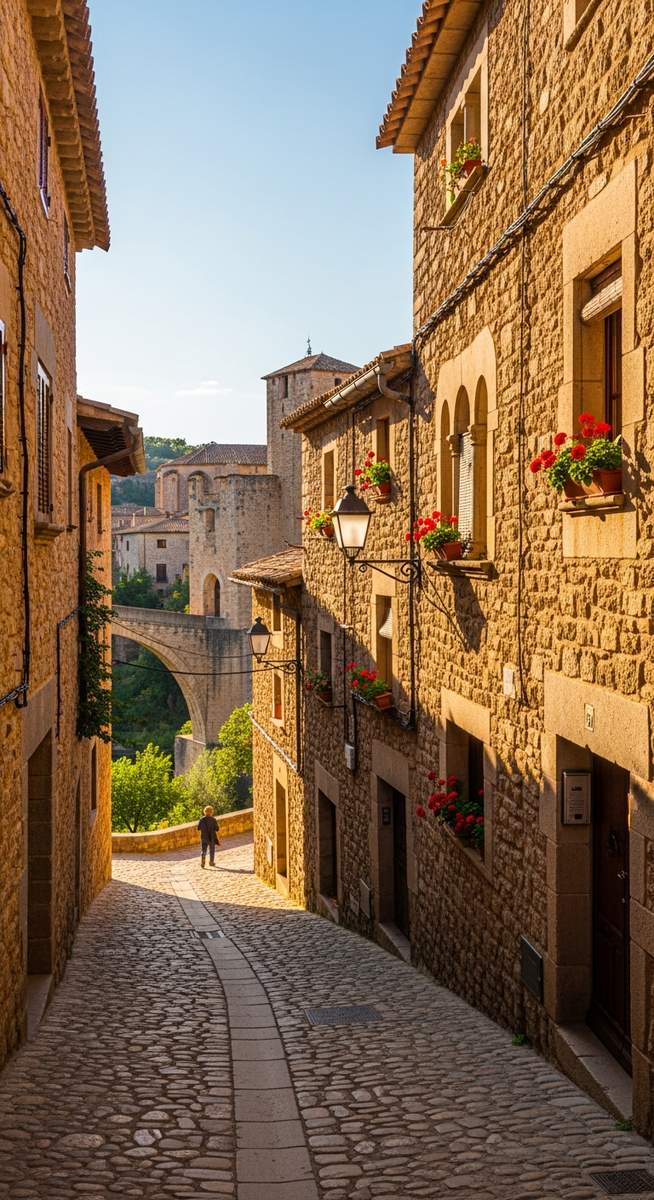
This perfectly preserved medieval town 120 kilometers (75 miles) north of Barcelona centers around its famous 12th-century Romanesque bridge. The seven-arched bridge spans the Fluvià River and has become one of Catalonia’s most photographed landmarks.
The old Jewish quarter includes a restored mikvah (ritual bath) from the 13th century, one of the few remaining in Europe. The town’s churches, particularly Sant Pere monastery, showcase beautiful Romanesque architecture.
Besalú works perfectly as a day trip from Barcelona or as a stop while exploring the volcanic region of La Garrotxa. The town comes alive during its medieval festival in September, when locals dress in period costumes and the streets fill with medieval markets.
9. Alcalá del Júcar (Castilla-La Mancha)
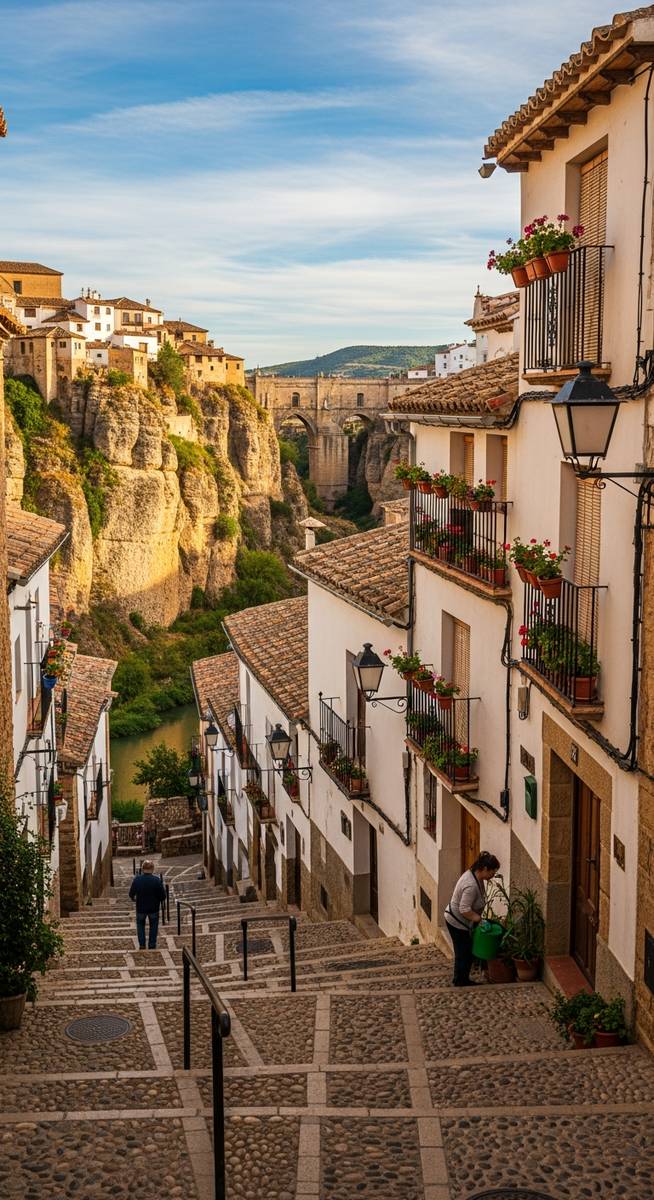
This extraordinary village literally carves into a limestone cliff above the Júcar River, 180 kilometers (112 miles) southeast of Madrid. Many houses are built directly into the rock face, with some having rooms that extend deep into the cliff.
The 12th-century castle perches at the top of the village, connected to houses below by tunnels carved through the rock. Walking through these underground passages feels like exploring a secret world.
The village is famous for its cave houses and traditional pottery, which you can watch being made in local workshops. The drive here takes you through beautiful La Mancha countryside, perfect for a weekend escape from Madrid.
10. Potes (Cantabria)
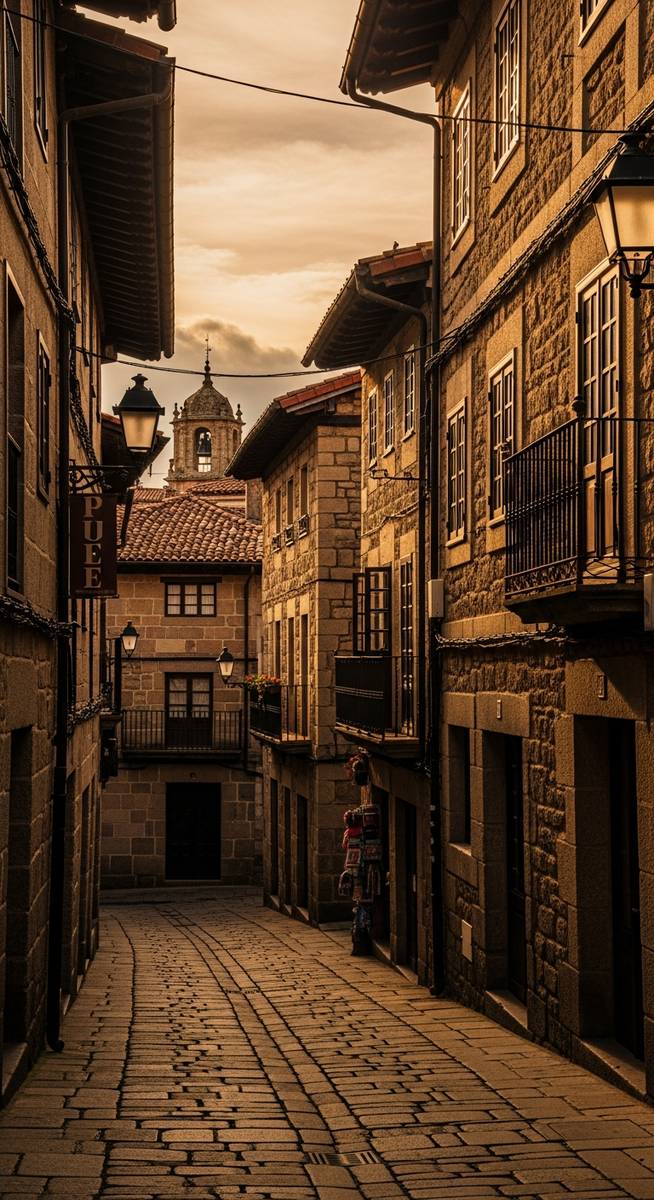
Surrounded by the dramatic peaks of the Picos de Europa National Park, Potes sits in a beautiful valley 115 kilometers (71 miles) southwest of Santander. The town serves as the gateway to some of northern Spain’s most spectacular mountain scenery.
The medieval tower houses and stone bridges give Potes a distinctly mountain character, quite different from Spain’s coastal towns. The Monday market fills the main square with local products, including the famous Liebana cheese and orujo liqueur.
From here, you can take a cable car up to the Fuente Dé lookout at 1,823 meters (5,981 feet) for incredible mountain views. The town is also the starting point for hiking trails into the Picos de Europa – some of Spain’s most beautiful mountain walking.
11. Morella (Valencia)
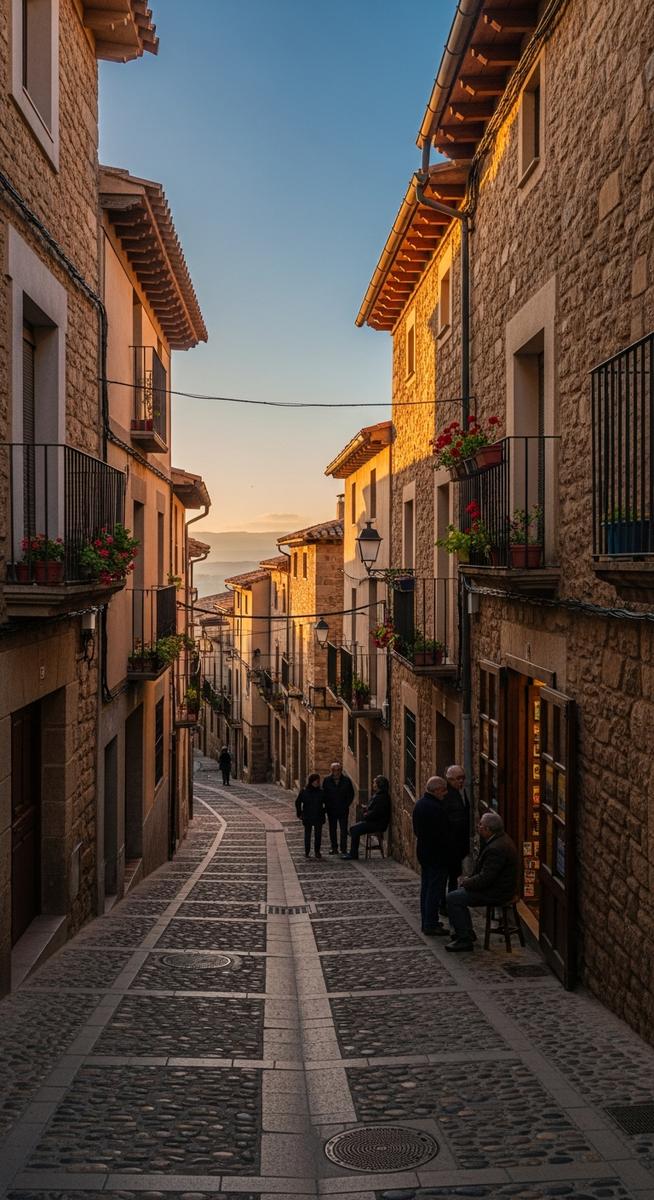
This walled medieval town sits dramatically on a hilltop 190 kilometers (118 miles) north of Valencia city, crowned by a ruined castle. Morella’s 2.5-kilometer (1.6-mile) wall circuit remains almost completely intact, making it one of Spain’s best-preserved fortified towns.
The Gothic basilica and the narrow streets lined with stone houses create an authentic medieval atmosphere. The town is famous for its truffles, and several restaurants specialize in truffle dishes during the winter season.
The drive to Morella takes you through the beautiful interior mountains of Valencia province – a side of the region most visitors never see and an excellent day trip from Valencia.
12. Arcos de la Frontera (Andalusia)
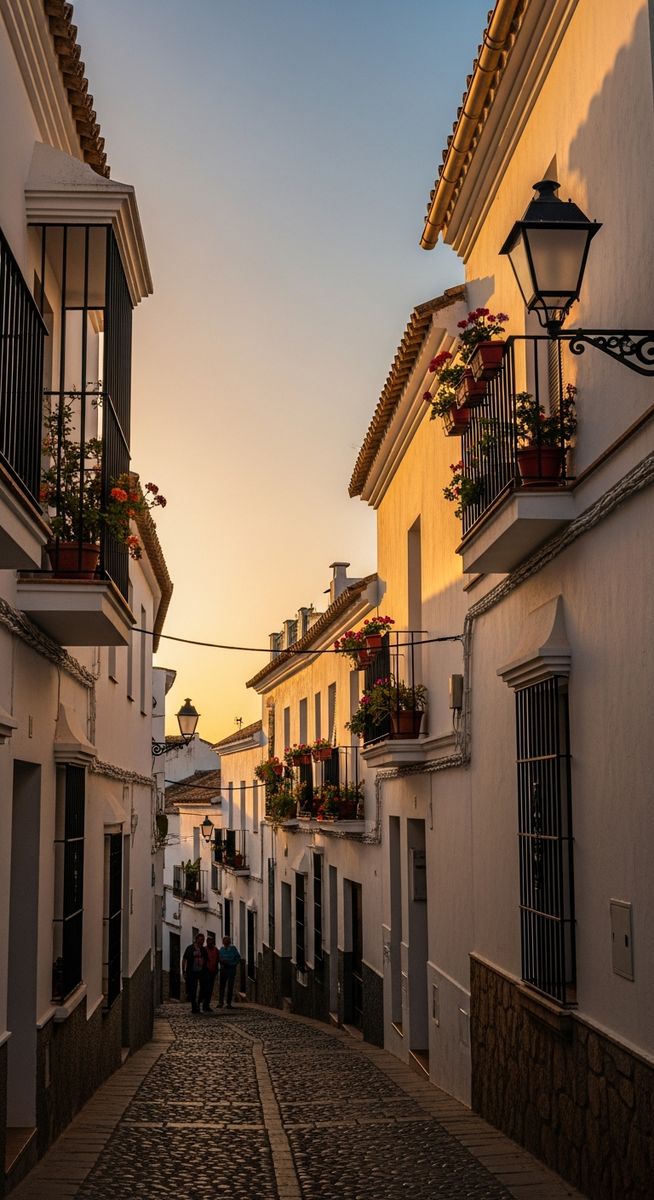
Dramatically perched on a limestone ridge 60 kilometers (37 miles) northeast of Cádiz, Arcos de la Frontera offers spectacular views over the Guadalete River valley. This is one of Andalusia’s most beautiful “white villages” (pueblos blancos), with narrow streets lined with whitewashed houses.
The 15th-century castle and the Church of Santa María stand at the town’s highest point, while the Plaza del Cabildo offers vertigo-inducing views from the cliff edge. The town’s Moorish origins are evident in the winding street layout designed to provide shade and channel cooling breezes.
Arcos serves as an excellent base for exploring the Sherry Triangle region, with several bodegas offering tastings nearby. The town is small enough to explore on foot, though the steep streets provide a good workout.
13. Hondarribia (Basque Country)
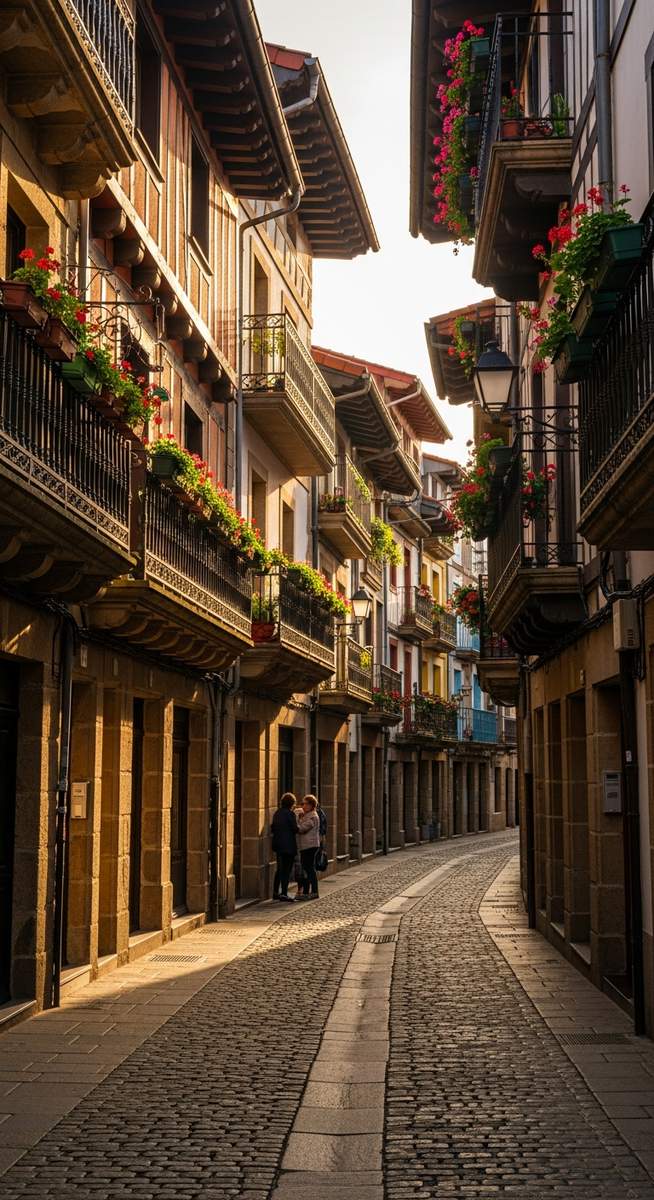
This colorful fishing port near the French border, 20 kilometers (12 miles) east of San Sebastián, combines medieval charm with excellent Basque cuisine. The walled old town sits on a hill overlooking the Bidasoa River estuary, while the fishing quarter below buzzes with pintxos bars.
The houses in the marina area are painted in bright blues, reds, and yellows – perfect for photos with fishing boats in the foreground. The old town’s stone streets lead to a medieval castle that’s now a luxury parador hotel.
Don’t miss trying the local txakoli white wine and fresh seafood in one of the waterfront restaurants. The town makes an excellent base for exploring both the Spanish and French Basque regions.
14. Bárcena Mayor (Cantabria)
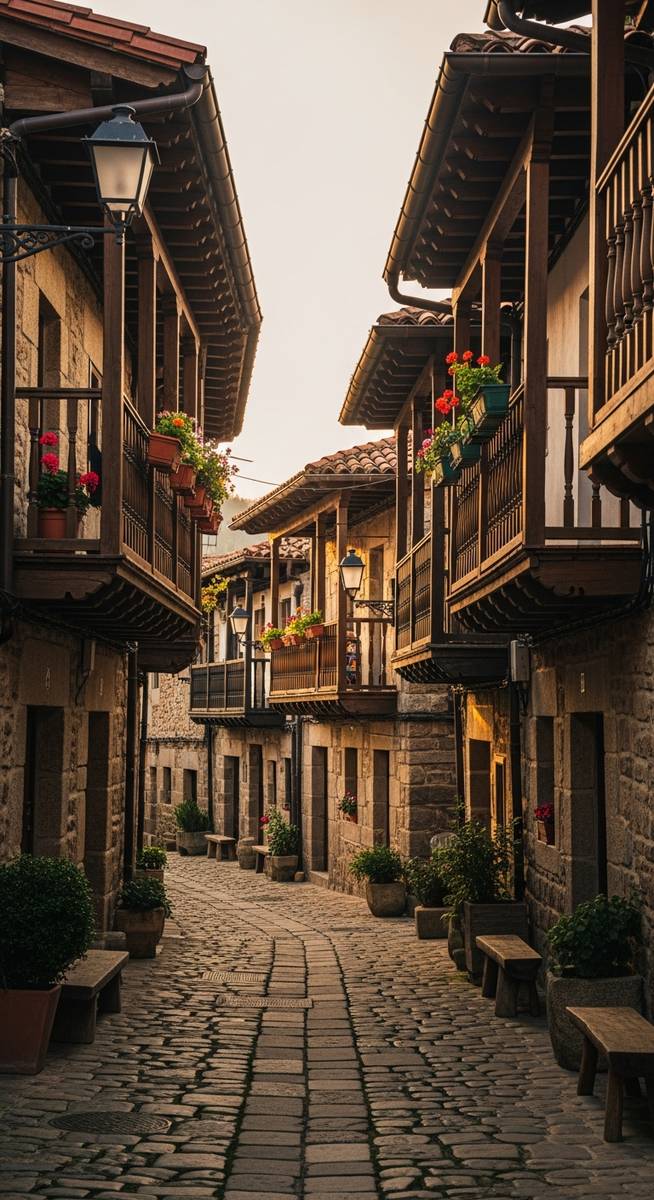
Spain’s oldest village sits in a beautiful valley within the Saja-Besaya Natural Park, 40 kilometers (25 miles) southwest of Santander. The traditional mountain architecture – stone houses with wooden balconies – remains unchanged since medieval times.
The village is completely car-free, adding to its peaceful atmosphere among the beech and oak forests. Local restaurants specialize in Cantabrian mountain cuisine, including hearty stews perfect after hiking in the surrounding hills.
Bárcena Mayor gets busy on weekends with Spanish families, but weekday visits offer a chance to experience rural Spanish life at its most authentic. The surrounding natural park offers excellent hiking trails through some of northern Spain’s most beautiful forests.
15. Zahara de la Sierra (Andalusia)
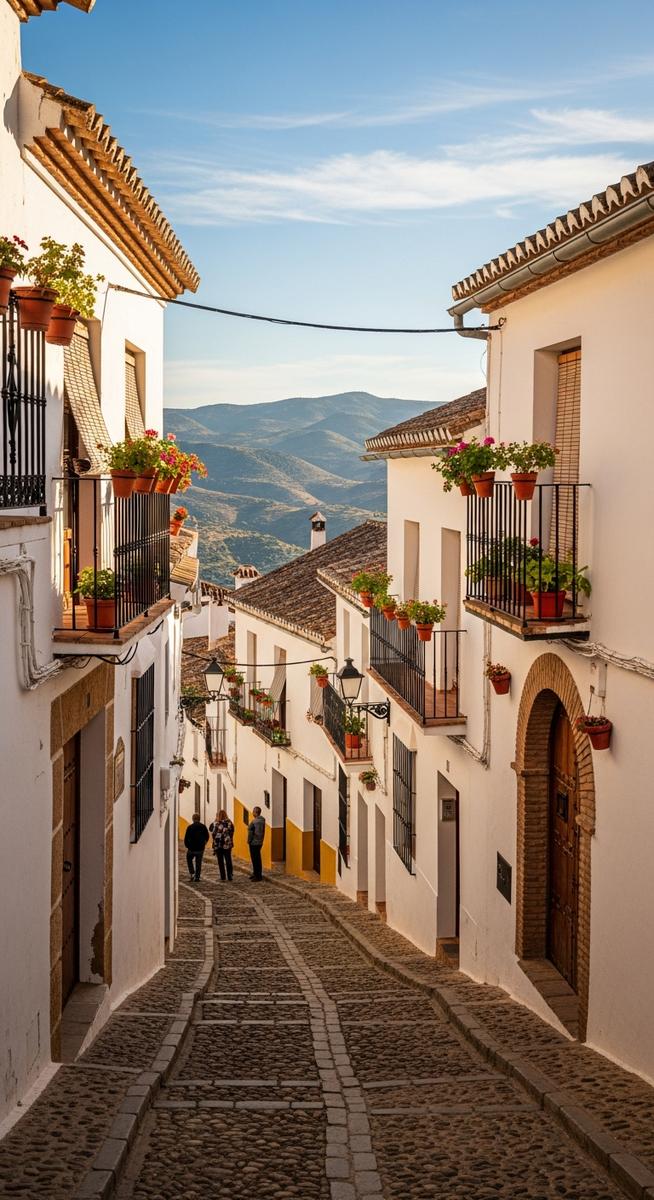
This spectacular white village clings to a rocky outcrop 130 kilometers (81 miles) northeast of Cádiz, overlooking an artificial lake. The 12th-century castle ruins crown the hilltop, offering panoramic views across the Andalusian countryside.
The village sits within the Sierra de Grazalema Natural Park, known for its diverse wildlife and excellent hiking opportunities. The narrow streets wind steeply uphill, lined with flower-filled balconies and traditional whitewashed houses.
Zahara is perfect for combining cultural sightseeing with outdoor activities – you can explore the historic center in the morning and go hiking or swimming in the lake in the afternoon. The sunsets from the castle ruins are unforgettable.
Getting Around Spain’s Small Towns
Most of these towns are best reached by car, giving you the flexibility to explore at your own pace and discover hidden gems along the way. However, several are accessible by public transport – Cuenca and Ronda both have excellent train connections from Madrid, for example.
For train travel throughout Spain, I recommend booking through Trainline for the best prices and convenience. Many small towns are connected by regional bus services, though schedules can be limited, especially on weekends.
You should also consider getting travel insurance for your trip – SafetyWing offers excellent coverage for travelers exploring Spain. A rental car gives you the most freedom, but make sure to book accommodation in advance during peak season.
Where to Stay in Spanish Small Towns
Most of these towns offer charming boutique hotels, rural houses (casas rurales), or restored historic buildings. Many have been converted from old palaces, convents, or traditional family homes, giving you an authentic experience.
Book well in advance for summer visits and major Spanish holidays, as these towns have limited accommodation options. Spring and fall often offer the best combination of good weather, fewer crowds, and better prices.
Some towns like Ronda and Cuenca have luxury paradores (state-run historic hotels), while others specialize in family-run guesthouses where you’ll get personalized recommendations from local hosts.
Planning Your Small Towns Route
The key to visiting Spain’s small towns is not to rush – each deserves at least a few hours, and many warrant overnight stays. Consider focusing on one or two regions rather than trying to see everything in one trip.
Northern towns like those in Cantabria work well together and offer cooler summer temperatures. Andalusian villages can be combined with beach time on the Costa del Sol, while Castilian towns make excellent escapes from Madrid’s summer heat.
Spring (April-May) and fall (September-October) offer the best weather for exploring, with comfortable temperatures for walking and perfect light for photography. Summer can be very hot in inland areas, while winter might limit hiking opportunities in mountain regions.
Final Thoughts
These small towns showcase Spain’s incredible diversity – from Moorish villages in Andalusia to medieval strongholds in Catalonia. Each offers something unique, whether it’s dramatic scenery, historic architecture, or simply the chance to experience authentic Spanish life.
Take your time, chat with locals, try regional specialties, and don’t be afraid to get lost in the narrow streets. These towns have survived for centuries and will reward visitors who approach them with curiosity and respect for their traditions.
