
10 Days in Spain: The Ultimate Itinerary (For All Travel Styles)

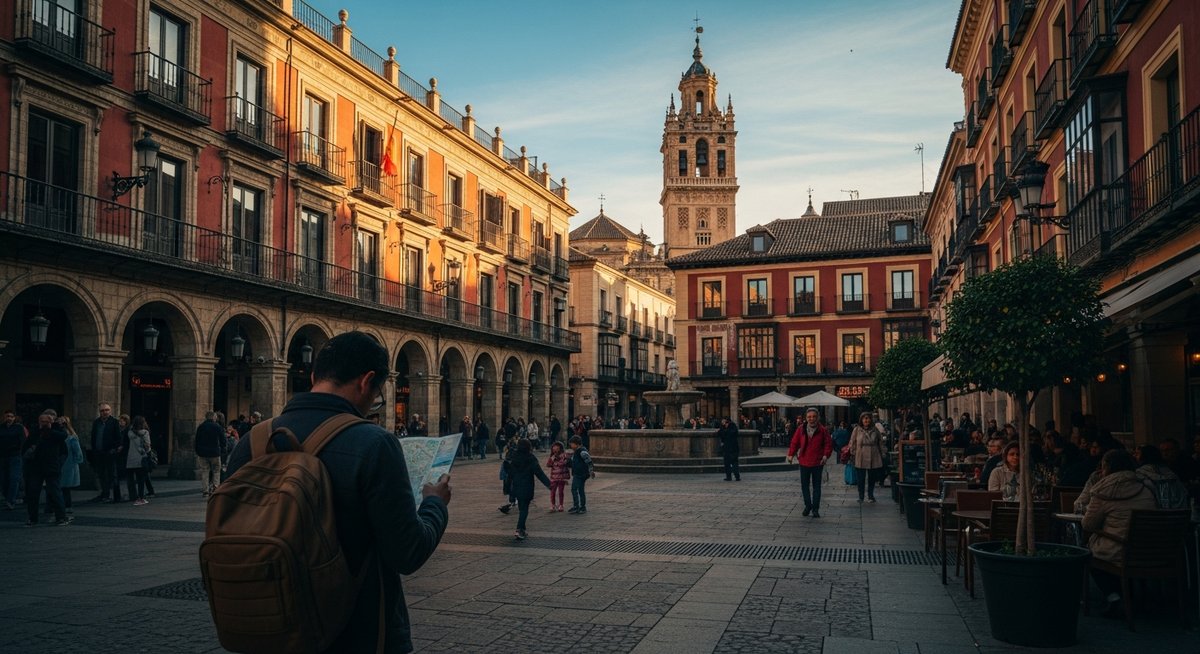
Planning your first trip to Spain can feel overwhelming – trust me, I’ve been there. With so many incredible cities and regions to choose from, it’s tempting to try cramming everything into one trip, but you’ll end up exhausted and missing the real magic of this country.
That’s why, for me, ten days in Spain is the perfect sweet spot for seeing a mix of cities, history, and maybe even a beach or two. It’s enough time to visit more than one region without feeling completely rushed.
And that’s why I’ve put together three different 10-day itineraries based on what type of Spanish experience you’re after. Whether you want the classic highlights, a sun-soaked southern adventure, or an off-the-beaten-path northern journey, there’s something here that’ll work for you.
First-Time Visitor Itinerary – Spain’s Greatest Hits
This route hits all the places you’ve probably seen on Instagram – and for good reason. You’ll get a proper taste of Catalonia, Valencia, Madrid, and Andalusia without feeling like you’re constantly rushing to catch the next train.
(This itinerary works perfectly in reverse too, depending on your flight arrangements.)
The sweet spot for visiting is late spring (April-May) or early fall (September-October) when the weather’s lovely and you won’t be fighting crowds at every turn. Budget-wise, you’re looking at around €100-150 per day for decent hotels, good meals, and all the major sights – totally doable if you book smart.
Speaking of booking smart, Trainline has made my life so much easier for Spanish train travel – you can book everything in advance and not worry about sold-out trains.
Days 1-3: Barcelona
Barcelona’s where most people fall in love with Spain, and I totally get why. The Gothic Quarter feels like stepping back in time, while Gaudí’s architecture is unlike anything you’ll see anywhere else in the world.
If you’re wondering where to stay, I’ve written guides on the safest neighborhoods in Barcelona and the city’s best boutique hotels that might help you decide. The Eixample is great for first-timers, but the Gothic Quarter has more character if you don’t mind narrow streets.
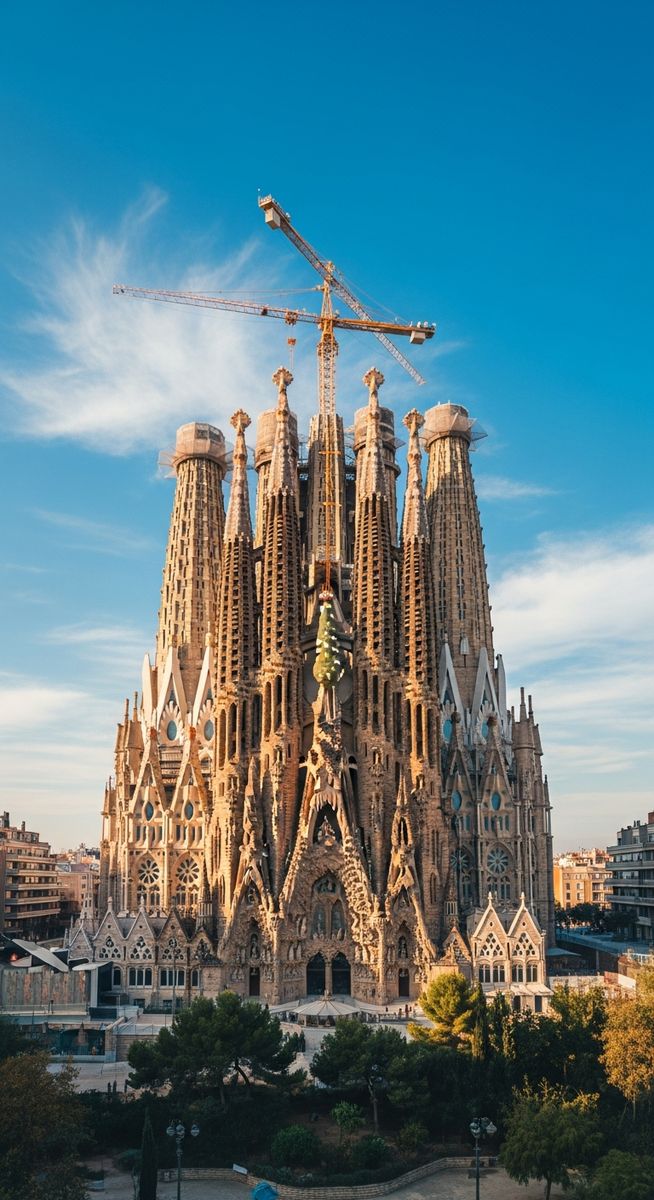
Your first day should definitely include the Sagrada Familia – it’s been under construction for over a century and still takes my breath away every time I visit. Park Güell is perfect for the afternoon, especially if you time it for sunset over the city.
Just do yourself a favor and book tickets in advance for both – I learned this the hard way when I got turned away from the Sagrada Familia and Park Güell on my first trip.
FYI: If you’re looking to visit both the Sagrada Familia and Park Güell and you’re short on time, you can get skip-the-line entry and a tour of both sights in one day right here.
Day two is perfect for getting lost in the Gothic Quarter’s maze-like streets, then wandering down Las Ramblas to Barceloneta beach. Day three calls for more Gaudí – Casa Batlló and Casa Milà are both stunning, though if you’re on a tight schedule, Casa Batlló is my pick.
If you’ve got extra energy, day trips to Girona (gorgeous medieval city), Sitges (charming beach town), or Montserrat (dramatic mountain monastery) are all under 90 minutes by train. Girona’s my personal favorite – it’s where they filmed parts of Game of Thrones, and the old town is absolutely magical.
Days 4-5: Valencia
The train from Barcelona to Valencia takes about 2 hours 40 minutes, and it’s a lovely journey through Spanish countryside. Valencia often gets overlooked by tourists rushing between Barcelona and Madrid, which is honestly their loss – this city has some serious charm.
Valencia’s where paella was invented, so you know the food’s going to be good. The historic center is compact and walkable, with the gorgeous Central Market and the Cathedral that supposedly houses the Holy Grail (whether you believe that or not, it’s still pretty impressive).
The real showstopper is the City of Arts and Sciences – Santiago Calatrava’s futuristic complex that looks like something from a sci-fi movie. The aquarium is fantastic if you’re traveling with kids, and the architecture alone is worth the visit.
For authentic paella, head to a beachfront restaurant for lunch (never dinner – locals will give you strange looks). The beaches here are surprisingly good for a major city, and much less crowded than Barcelona’s.
Don’t leave without trying horchata from one of the traditional chufería shops – it’s a local tiger nut drink that’s surprisingly refreshing.
Days 6-7: Madrid
The high-speed train from Valencia to Madrid is quick – just over an hour and a half – and drops you right in the city center. Madrid has this elegant, sophisticated vibe that’s different from Barcelona’s artistic energy, and I love both for different reasons.
The Art Walk is Madrid’s crown jewel, with three world-class museums within walking distance of each other. The Prado is unmissable – I always recommend getting skip-the-line tickets because the queues can be brutal, especially in summer. Velázquez’s Las Meninas alone is worth the trip to Madrid.
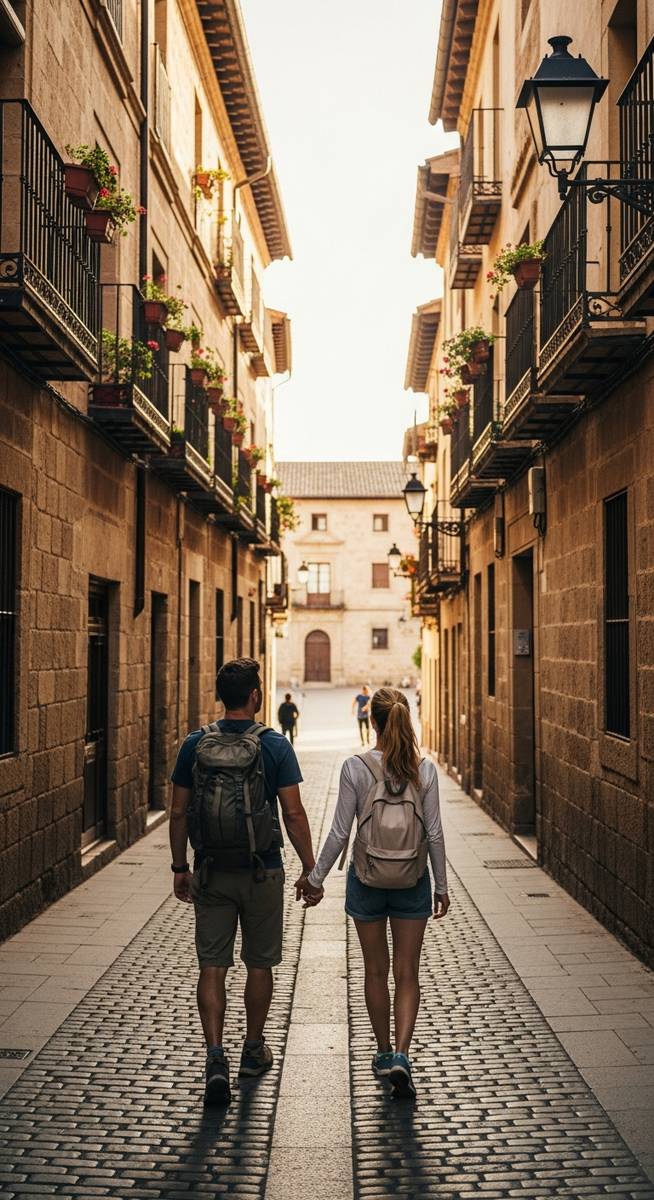
The Royal Palace is ridiculously opulent – think Versailles but with a Spanish twist. After all that culture, Retiro Park is perfect for a breather, and the Crystal Palace inside makes for great photos.
Madrid’s nightlife is legendary – dinner doesn’t start until 10 PM and the party goes until dawn. Even if you’re not a night owl, experiencing a traditional taberna with jamón ibérico and good wine is essential.
If you have time, Toledo makes for a perfect day trip – it’s only 30 minutes by train and feels like stepping into a medieval painting.
Day 8: Granada
The train from Madrid to Granada takes about 3.5 hours, but the scenery is beautiful – rolling hills, olive groves, and gradually more dramatic mountains. Granada is all about the Alhambra, and honestly, it lives up to every bit of hype.
You absolutely must book Alhambra tickets weeks in advance – I can’t stress this enough. The Nasrid Palaces are the most intricate example of Islamic art in Europe, and walking through those rooms feels surreal.
Plan to spend most of the day at the Alhambra complex – there’s the palaces, the fortress, and the gorgeous Generalife gardens. In the evening, wander up to the Albaicín neighborhood for sunset views of the Alhambra from the Mirador de San Nicolás – it’s one of those moments that’ll stick with you forever.
Granada has this unique tapas culture where you get free food with every drink. It sounds too good to be true, but it’s real, and some of the plates are surprisingly substantial. The Arab baths are also lovely if you want to unwind after a day of sightseeing.
Days 9-10: Seville
The train from Granada to Seville takes about 2.5 hours through Andalusian countryside dotted with white villages. Seville is where flamenco was born, and you can feel that passionate energy everywhere you go.
The Cathedral is absolutely massive – it’s actually the largest Gothic cathedral in the world. Combined with the Alcázar palace next door, you’re looking at two UNESCO World Heritage sites within a few minutes’ walk of each other. I always recommend this combined tour because the guides really bring the history to life, plus you skip the often-long lines.

The Barrio Santa Cruz is perfect for getting lost – narrow streets, hidden plazas, and orange trees everywhere. For your flamenco fix, skip the touristy shows and head to the Triana neighborhood for something more authentic. The ones below are easily my top picks.

Live Flamenco at the Teatro Flamenco Sevilla
⭐⭐⭐⭐⭐
✅ Intimate theater setting with six top performers bringing flamenco to life through powerful music, dance, and song
✅ Colorful costumes, live guitar, and heart-pounding footwork that pulls you into the rhythm from the first beat
✅ Enjoy a drink before the show and settle in for a night of pure energy and emotion

Casa de la Memoria Flamenco Show
✅ Historic 15th-century venue with a cozy feel that makes the performance feel up close and personal
✅ Live music, passionate dance, and acoustic guitar come together in one of Seville’s most beloved flamenco shows
✅ A true showcase of flamenco’s roots, with a focus on tradition, artistry, and connection to Spain’s past

Puro Flamenco at Seville’s Flamenco Dance Museum
✅ Watch professional dancers perform in a beautiful 18th-century courtyard built over ancient Roman ruins
✅ The mix of dramatic live music, authentic choreography, and raw emotion makes this a crowd favorite among locals and visitors
✅Explore the Flamenco Dance Museum before the show for even more insight into this powerful art form
If you have extra time, Córdoba makes for an excellent day trip – the AVE train gets you there in about 45 minutes. The Mezquita is one of the most unique buildings you’ll ever see, with Islamic arches and a Christian cathedral awkwardly inserted in the middle.
Southern Spain Itinerary – Mediterranean Coast to Andalusia
This route is for people who want a deeper dive into Spain’s sunny south, combining beach time with some of the country’s most stunning Islamic architecture. You’ll avoid the usual tourist crowds in some places while still hitting the absolute must-sees.
April through June and September through November are ideal – you’ll have warm weather without the scorching summer heat or massive crowds. A rental car gives you the most flexibility, especially for those gorgeous white villages, but trains work fine for the major cities.
Days 1-3: Valencia
Starting in Valencia gives you a gentler introduction to Spanish culture before diving into Andalusia’s intensity. The City of Arts and Sciences complex is genuinely breathtaking – those curves and white surfaces look incredible against the blue Mediterranean sky.
The old town has this wonderful lived-in feeling that’s missing from some other Spanish cities. The Central Market is a feast for the senses, and the Cathedral’s mix of architectural styles tells the story of Valencia’s complex history.
Real paella is only eaten at lunchtime here – anyone serving it for dinner is catering to tourists. Head to the birthplace of this dish, Albufera, for the most authentic experience, preferably on a Sunday when local families are out enjoying their weekly paella ritual.
Days 4-5: Granada
The journey from Valencia to Granada takes you through some of Spain’s most dramatic scenery as you head inland toward the Sierra Nevada mountains. Granada feels different from any other Spanish city – that Moorish influence is everywhere, from the tea shops to the architecture.
Spending a full day at the Alhambra never feels like enough – there’s so much intricate detail that you could spend hours just in the Nasrid Palaces. The gardens are particularly beautiful in late afternoon when the light gets softer.

The Albaicín neighborhood is perfect for your second day. Those narrow, winding streets and white houses create this almost North African atmosphere that’s unique in Europe. Every viewpoint offers a different perspective of the Alhambra, and finding your favorite spot becomes a fun treasure hunt.
Granada’s tapas scene is legendary – substantial free plates with every drink that can easily become a full meal. The Arab baths scattered throughout the city offer a relaxing way to end busy sightseeing days.
Days 6-7: Seville
Seville hits you with this incredible energy the moment you arrive – there’s music spilling out of bars, the smell of orange blossoms, and an infectious joy that’s hard to resist. It’s larger than Granada but still feels intimate and walkable.
The Cathedral and Alcázar deserve a full day, and I always suggest getting a guided tour because the history is so layered and complex. Climbing the Giralda tower is worth the effort for those panoramic views over the city’s terracotta rooftops.
For flamenco, the Triana neighborhood is where you want to be – this is where the art form really developed, and you can still feel that authentic energy. A good flamenco show will give you goosebumps and help you understand why this dance is so deeply connected to Spanish identity.
Days 8-9: White Villages (Ronda, Arcos)
Escaping to the pueblos blancos feels like discovering a secret Spain that most tourists miss. These villages seem to defy gravity, clinging to clifftops and mountainsides with views that’ll have you reaching for your camera every few minutes.
Ronda is the most famous for good reason – that dramatic gorge with the Puente Nuevo bridge is absolutely spectacular. The bullring here is Spain’s oldest, and even if you’re not into bullfighting (which I am most certainly not), the museum gives interesting insight into this controversial tradition.
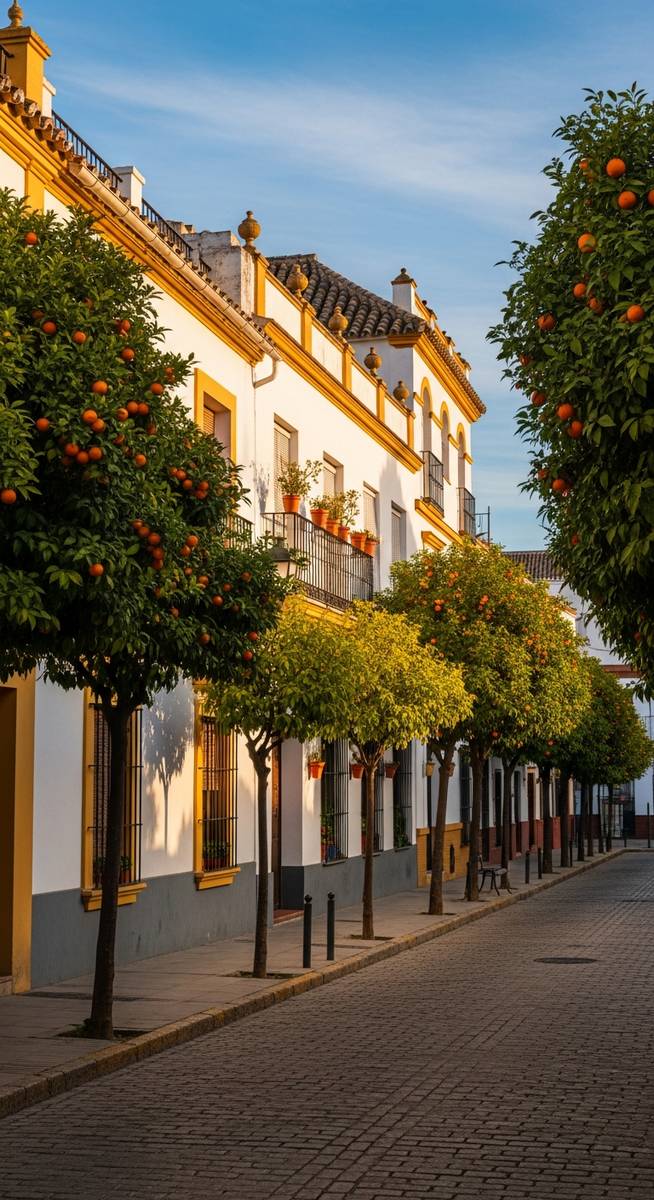
Arcos de la Frontera is smaller and quieter, with narrow streets that suddenly open onto breathtaking viewpoints over the countryside. The pace of life here is wonderfully slow – perfect for long lunches and afternoon strolls.
Both villages are great places to buy traditional ceramics and leather goods directly from artisans. The mountain scenery and peaceful atmosphere provide a perfect counterpoint to the bustle of Spain’s major cities.
Day 10: Cádiz
Ending in Cádiz feels like discovering a hidden gem – this ancient port city has 3,000 years of history but somehow stays off most tourist itineraries. The old town is compact and walkable, with those distinctive watchtowers offering glimpses of the sea from every direction.
The seafood here is incredible – you’re eating fish that was swimming in the Atlantic just hours earlier. The local beaches are surprisingly good, and watching the sunset over the ocean provides a perfect end to your Andalusian adventure.
Cádiz has this relaxed, authentic feel that’s harder to find in more touristy cities. The locals are incredibly friendly, and you’ll get a real sense of everyday Spanish coastal life.
Northern Spain Itinerary – Green Spain Discovery
This itinerary is for people who want to see a completely different side of Spain – Celtic culture, incredible food, dramatic coastlines, and landscapes that look more like Ireland than the Spain most people imagine. It’s definitely off the beaten path, but that’s exactly what makes it special.
The weather up here is more unpredictable than the south, so May through September gives you the best chance of good conditions. This region has some of the world’s best restaurants, so budget a bit more for dining – it’s absolutely worth it.
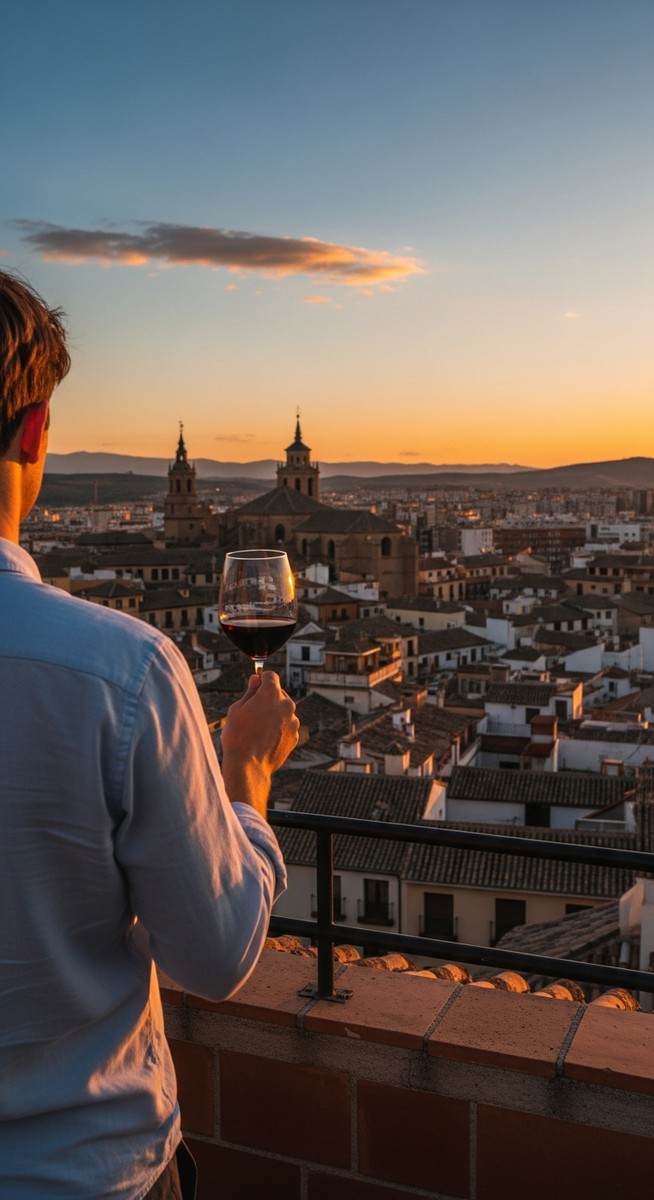
Days 1-2: Bilbao
Starting in Bilbao gives you an immediate sense of how different the Basque Country feels from the rest of Spain. The language is completely unique, the architecture has its own character, and the food culture is unlike anywhere else in Europe.
The Guggenheim Museum is obviously the main draw – Frank Gehry’s titanium curves look different depending on the time of day and weather conditions. The art inside is fantastic, but honestly, the building itself is the real masterpiece.
The Casco Viejo (old town) provides a perfect contrast to the museum’s modernity. Those narrow streets packed with pintxos bars create this incredibly social atmosphere where locals gather every evening for drinks and small plates.
Days 3-4: San Sebastian
The short train ride from Bilbao to San Sebastian takes you along some beautiful coastline. San Sebastian feels more elegant and refined than Bilbao – it was a royal resort town, and that sophisticated atmosphere still lingers.
The pintxos scene here is world-famous, and rightfully so. Every bar counter is lined with these incredible miniature dishes that are almost too beautiful to eat. A pintxos tour with a local guide really helps you understand the culture and find the best spots.
La Concha beach is one of Europe’s most beautiful urban beaches – that perfect crescent of sand with the city wrapped around it creates this almost Mediterranean feeling despite being on the Atlantic. The walk up Monte Igueldo for sunset views is a lovely way to end your days here.
Day 5: Santander
The train journey to Santander along the coast is absolutely gorgeous – you’re hugging the Atlantic shoreline with dramatic cliffs and sandy beaches flashing by your window. Santander feels different from the Basque cities – more traditionally Spanish but with that northern coastal character.
The Magdalena Palace and its grounds offer beautiful views over the bay, and the beaches here are excellent if you’re looking for some relaxation time. The seafood is outstanding – this is where you’ll find some of the best fish restaurants in Spain.
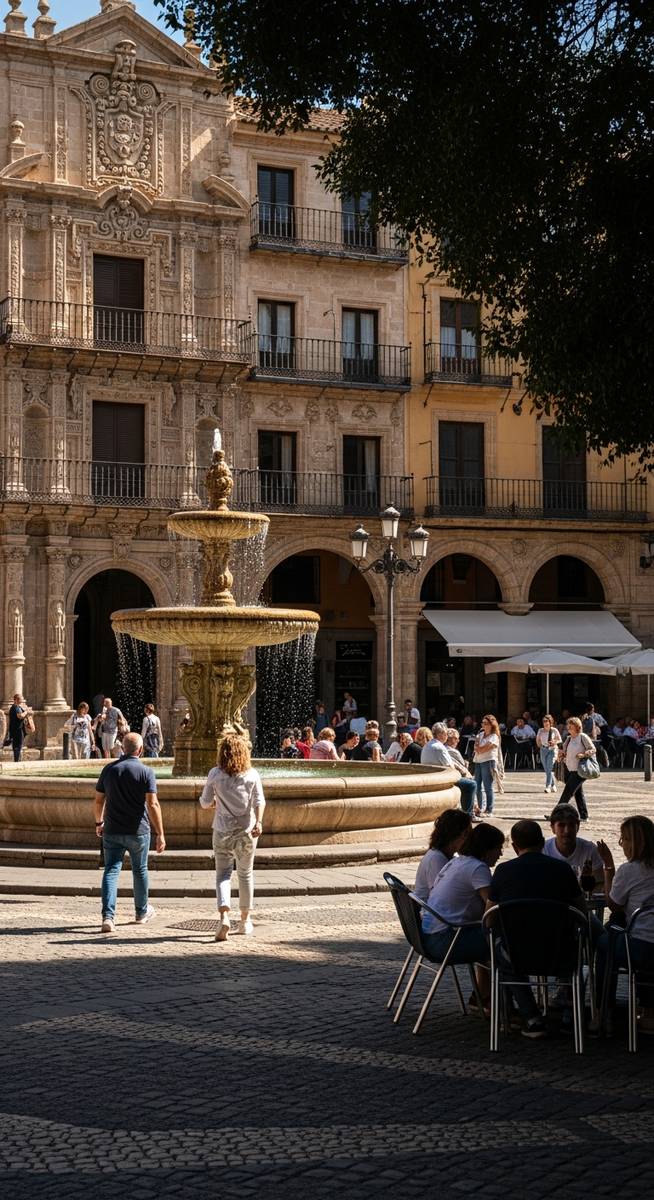
The narrow-gauge FEVE train that connects these northern cities provides some of the most scenic railway journeys in Europe if you’re into that sort of thing.
Days 6-7: Oviedo or Gijón (Asturias)
Asturias feels like Spain’s best-kept secret – incredible mountain scenery, Celtic cultural influences, and a cider tradition that rivals anything in England or France. Most international tourists skip this region entirely, which is honestly their loss.
Oviedo has these remarkable pre-Romanesque churches that predate similar architecture elsewhere in Europe by centuries. The city center has this wonderful university town atmosphere with great restaurants and a vibrant cultural scene.
Gijón offers a different experience with its industrial heritage and excellent beaches. The city has reinvented itself beautifully, with waterfront areas that rival any European coastal city.
The cider culture here is unlike anything else – the dramatic pouring technique isn’t just for show, it actually aerates the cider and improves the flavor. The hearty mountain food – especially fabada bean stew and Cabrales cheese – provides perfect comfort after long days of exploring.
Days 8-9: Santiago de Compostela (Galicia)
Taking the Alvia train to Santiago feels like entering another world entirely. Galicia has this mystical, Celtic atmosphere that’s completely different from anywhere else in Spain – the granite buildings, misty weather, and ancient pilgrimage traditions create something really special.
The cathedral is the spiritual heart of the Camino de Santiago pilgrimage, and you can feel that energy whether you’re religious or not. The Pórtico de la Gloria is one of the finest examples of Romanesque sculpture anywhere in Europe.
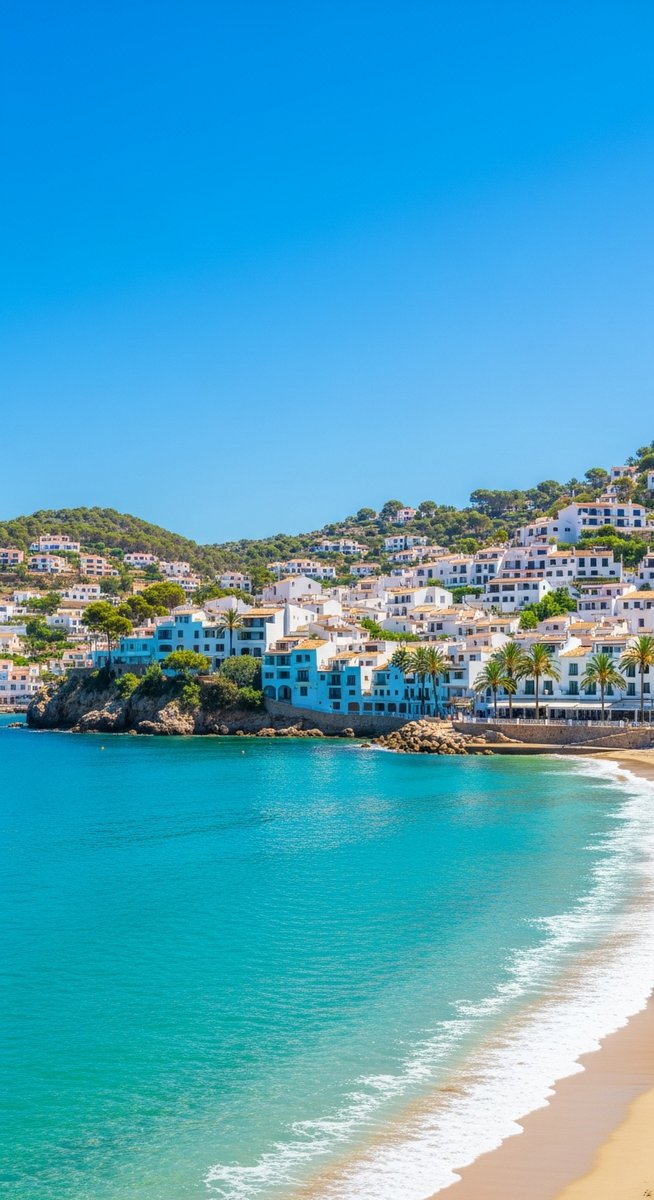
The old town’s narrow stone streets and ancient buildings create this almost timeless atmosphere. You’ll encounter pilgrims from all over the world who’ve walked hundreds of miles to reach this endpoint – their joy and exhaustion is genuinely moving to witness.
Galician seafood is legendary – the octopus, scallops, and percebes (goose barnacles) are unlike anything you’ll taste elsewhere. The local Albariño wines are perfect with the coastal cuisine and complement the region’s often-misty atmosphere.
Day 10: A Coruña or Vigo (Departure)
Your final day offers flexibility depending on your departure plans. A Coruña has the world’s oldest working lighthouse (the Tower of Hercules) and this wonderful maritime atmosphere, while Vigo serves as the gateway to the stunning Cíes Islands if weather permits a ferry trip.
Both cities showcase different aspects of Galician culture and provide good connections back to Madrid or Barcelona for international flights. The slower pace of life here provides a perfect wind-down after an intense week of exploration.
This northern route shows you a Spain that most tourists never see – from Basque culinary artistry to Celtic mysticism, dramatic coastlines to mountain villages that seem frozen in time.
Practical Comparisons
Trainline has honestly revolutionized train travel in Spain – you can book everything in advance, choose your seats, and not worry about language barriers at stations. The high-speed AVE trains are comfortable and reliable, though booking early can save you significant money.
Northern Spain is definitely more expensive than the south – but trust me, it’s worth every euro. Travel insurance is always smart, especially if you’re planning any hiking in the Picos de Europa or coastal activities.
Each of these itineraries offers a completely different Spanish experience. The classic route gives you those Instagram-worthy moments and iconic sights, the southern route provides deeper cultural immersion with perfect weather, and the northern route shows you a Spain that feels almost like a different country entirely.
Basically, you really can’t go wrong with any of them!

thank you. Great info and can’t wait to go with your insightful recommendations . I didnt see Malaga in any itinerary. I was planning on staying there as well as Sevilla and Granada. Close to Gibraltar and Tangiers I want to visit . is it worth it?
Hi MaryAnn,
Thanks so much – really glad you found it helpful!
Great question about Málaga. It’s definitely worth considering, especially if you’re already planning to be in Seville and Granada. Málaga has a more relaxed, coastal feel compared to those two, plus a really good food scene and some great cultural spots like the Picasso Museum.
That said, with 10 days, it can come down to how much you want to move around. Seville and Granada already give you a fantastic mix of history, architecture, and atmosphere, so adding Málaga means a bit more travel time. If you’re happy with a slightly faster-paced trip, it can absolutely work – especially if you like the idea of mixing in some time by the sea.
As for Gibraltar and Tangier, both are doable but they’ll take a bit of planning. Gibraltar is easier – you can visit as a day trip from places like Tarifa or even Málaga, although it’s a fairly long day. Tangier is more of a commitment since it involves a ferry from southern Spain (usually Tarifa) so, in my opinion, it’s better as an overnight trip rather than squeezing it into one day.
If I had to prioritize with limited time, I’d say definitely keep Seville and Granada, add Málaga if you want a coastal break, and pick either Gibraltar or Tangier rather than trying to do both. But if you’ve got flexibility or can extend your trip, then you can fit more in without it feeling rushed.
Let me know if you want help mapping out a route – happy to help you make it all fit smoothly!