
25 Unforgettable Places to Travel to in Spain

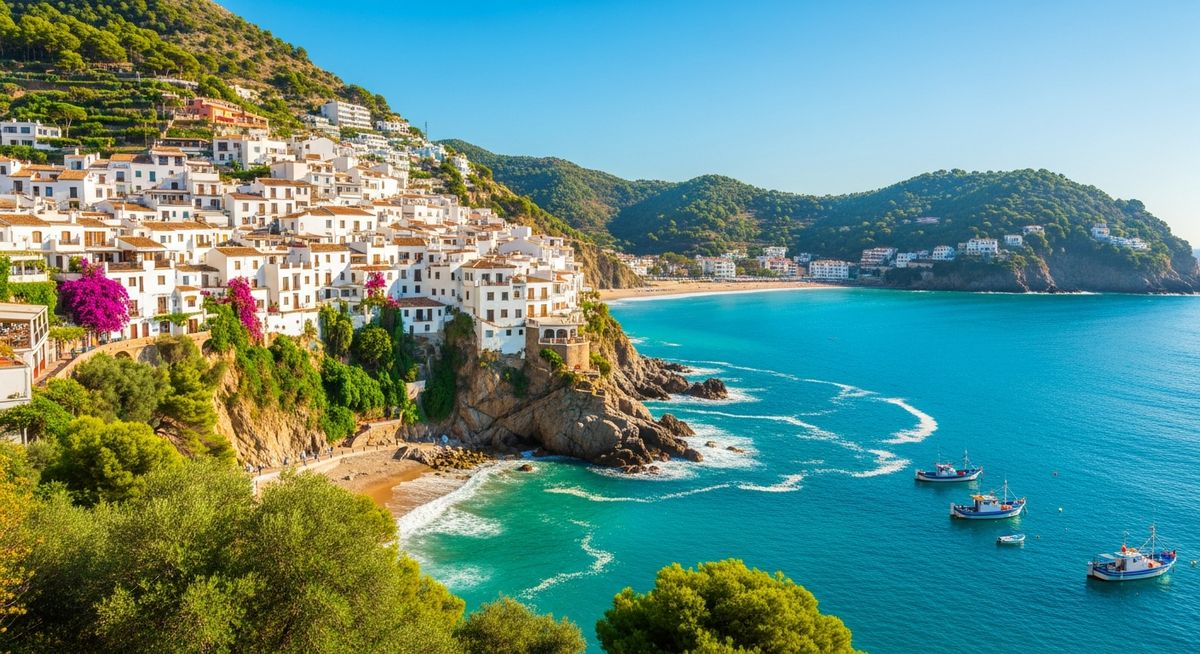
Spain is one of those countries that never fails to surprise you – from the sun-soaked beaches of the Mediterranean to the snow-capped peaks of the Pyrenees, there’s something here for every type of traveler.
Whether you’re drawn to world-class art museums, medieval architecture, or simply want to spend your days eating tapas and soaking up the atmosphere, Spain delivers in spades.
I’ve been lucky enough to explore this incredible country extensively, and narrowing down the best places to just this list was honestly tough. But these destinations represent the very best of what Spain has to offer – from iconic cities that should be on every first-timer’s list to hidden gems that’ll make you feel like you’ve discovered something special.
1. Barcelona
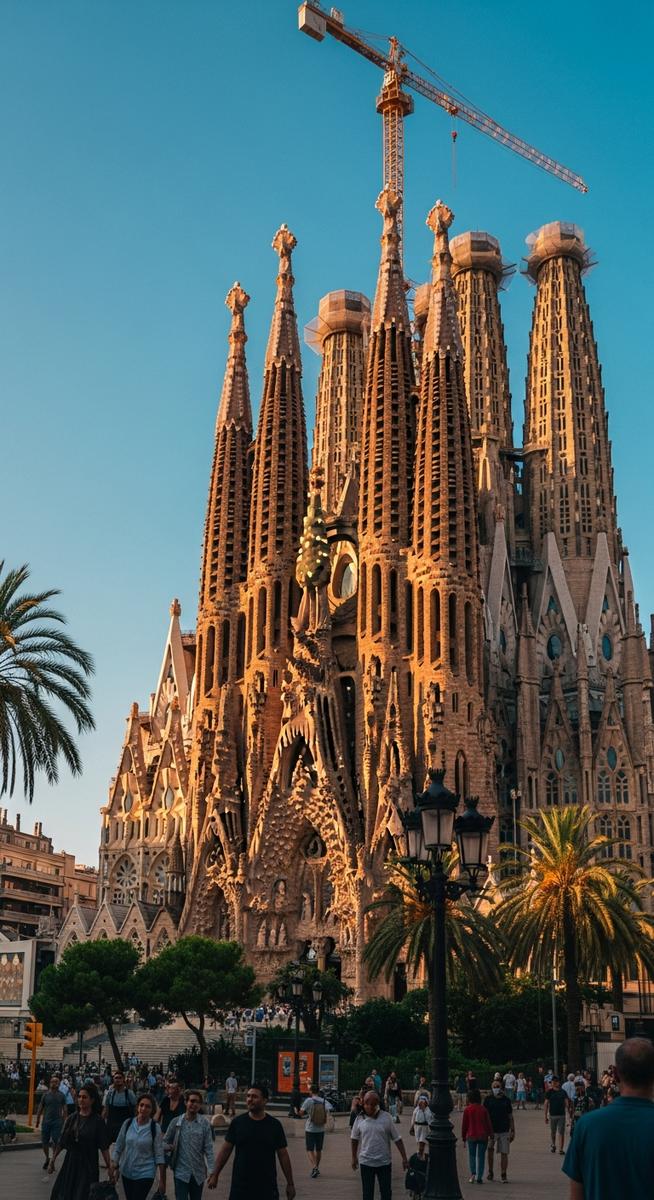
Barcelona is pure magic, and I’m not just saying that because everyone does. The city genuinely has this energy that’s hard to find anywhere else – maybe it’s Gaudí’s whimsical architecture scattered throughout, or the way you can spend the morning exploring Gothic streets and the afternoon lounging on the beach.
The Sagrada Família is obviously unmissable, and I’d highly recommend booking skip-the-line tickets to avoid the crowds. Park Güell is another Gaudí masterpiece that’s worth the visit, especially if you grab tickets in advance.
FYI: If you’re looking to visit both the Sagrada Familia and Park Güell and you’re short on time, you can get skip-the-line entry and a tour of both sights in one day right here.
The Gothic Quarter is perfect for wandering aimlessly, and La Boquería market is where you’ll want to sample your first jamón ibérico.
If you’re trying to figure out where to base yourself, I’ve written about the best areas for first-time visitors and the safest neighborhoods. For something special, consider staying at one of Barcelona’s amazing boutique hotels.
2. Madrid
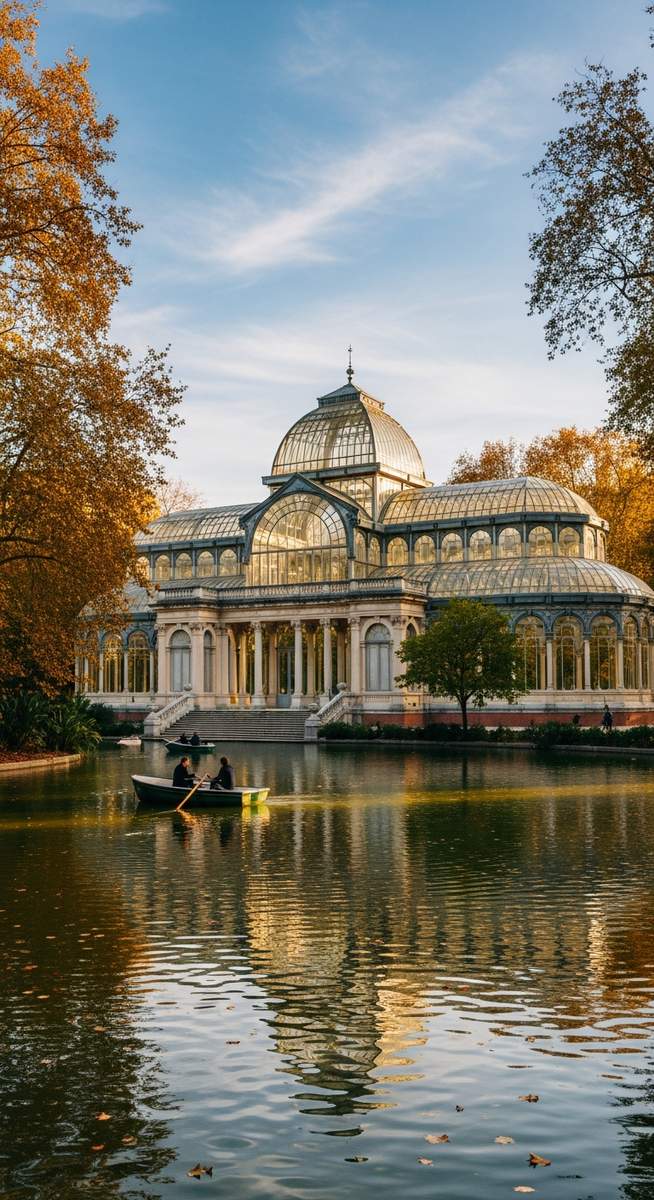
Madrid might not have the coastal charm of Barcelona, but it more than makes up for it with its incredible museums and infectious energy. The Golden Triangle of Art – Prado, Reina Sofía, and Thyssen-Bornemisza – could easily eat up days of your time, and honestly, you’d be happy about it.
The Royal Palace is impressive, but don’t miss wandering through neighborhoods like Malasaña and Chueca, where you’ll find the best bars and that authentic Madrid vibe. Retiro Park is perfect for escaping the city buzz, and the Sunday rastro flea market is great for people-watching.
Madrid’s food scene is incredible – from traditional tabernas serving cocido madrileño to modern tapas bars that’ll blow your mind. The city really comes alive at night, so embrace the Spanish schedule and don’t even think about dinner before 9 PM.
3. Seville
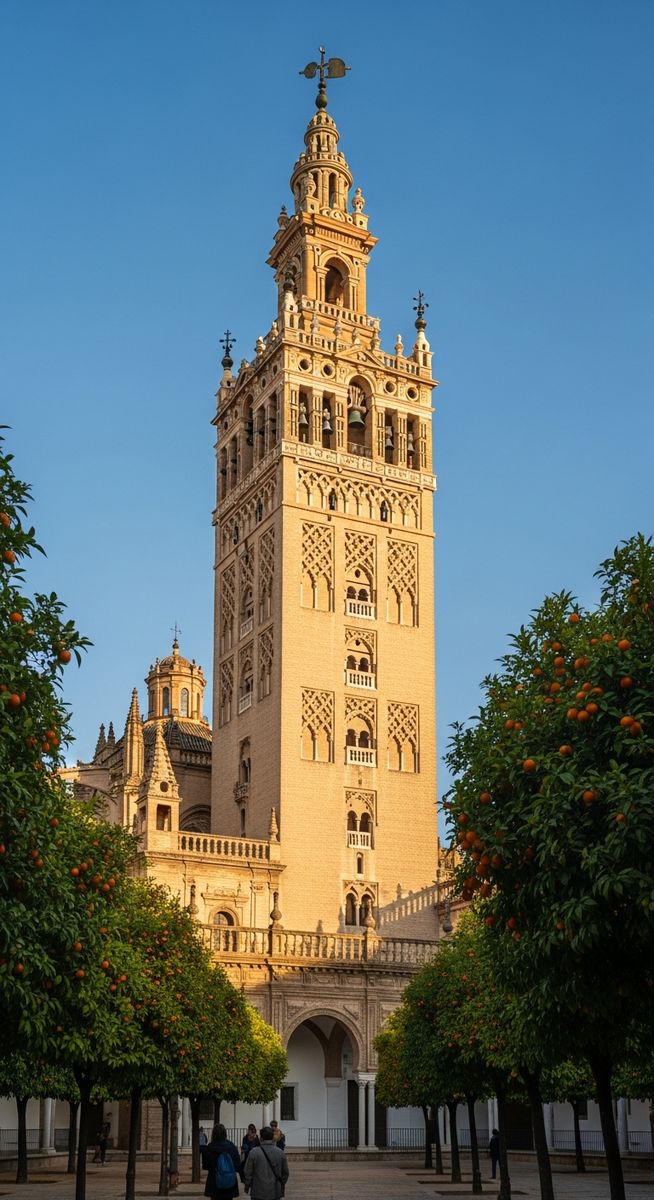
If you want to understand Andalusian culture, Seville is where you need to go. This is where flamenco was born, where the Moorish influence on Spanish architecture is most obvious, and where the pace of life slows down just enough to actually enjoy it.
The Cathedral and Giralda tower are UNESCO World Heritage sites for good reason – the scale is just incredible. The Alcázar palace complex next door is equally impressive, with gardens that feel like something out of a fairy tale.
The Santa Cruz neighborhood is perfect for getting lost in narrow streets lined with orange trees. The Santa Cruz neighborhood is perfect for getting lost in narrow streets lined with orange trees.
I’ve put together some essential tips for visiting Seville that’ll help you make the most of your time here. The city gets seriously hot in summer, so plan accordingly – late spring and fall are ideal.
4. Granada
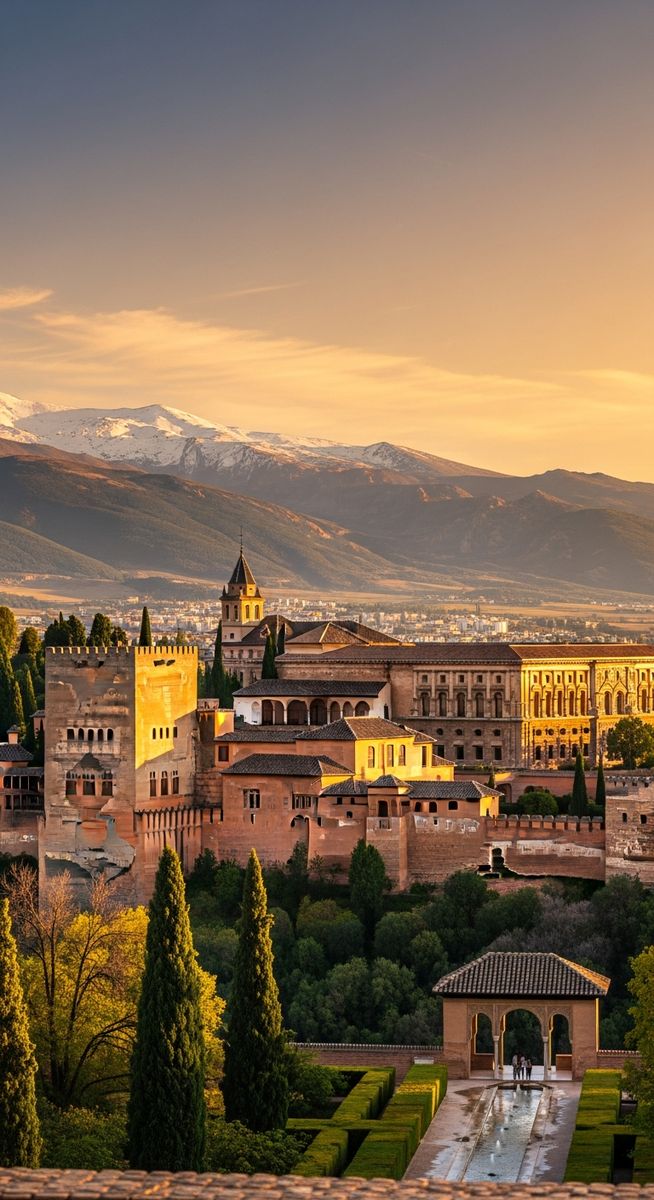
The Alhambra alone makes Granada worth the trip, but there’s so much more to this city than its famous palace complex. The Albaicín neighborhood, with its narrow streets and incredible views of the Alhambra, is perfect for wandering, and the free tapas culture here is legendary.
You absolutely must book Alhambra tickets well in advance – they sell out months ahead, especially in peak season. The palace complex takes at least half a day to explore properly, and honestly, you could spend longer.
The gardens are particularly beautiful in spring when everything’s in bloom. The gardens are particularly beautiful in spring when everything’s in bloom.
The contrast between the Moorish architecture and the Sierra Nevada mountains in the background creates some of the most photogenic views in Spain. If you’re here in winter, you can actually ski in the morning and be back in the city for afternoon tapas.
5. Valencia
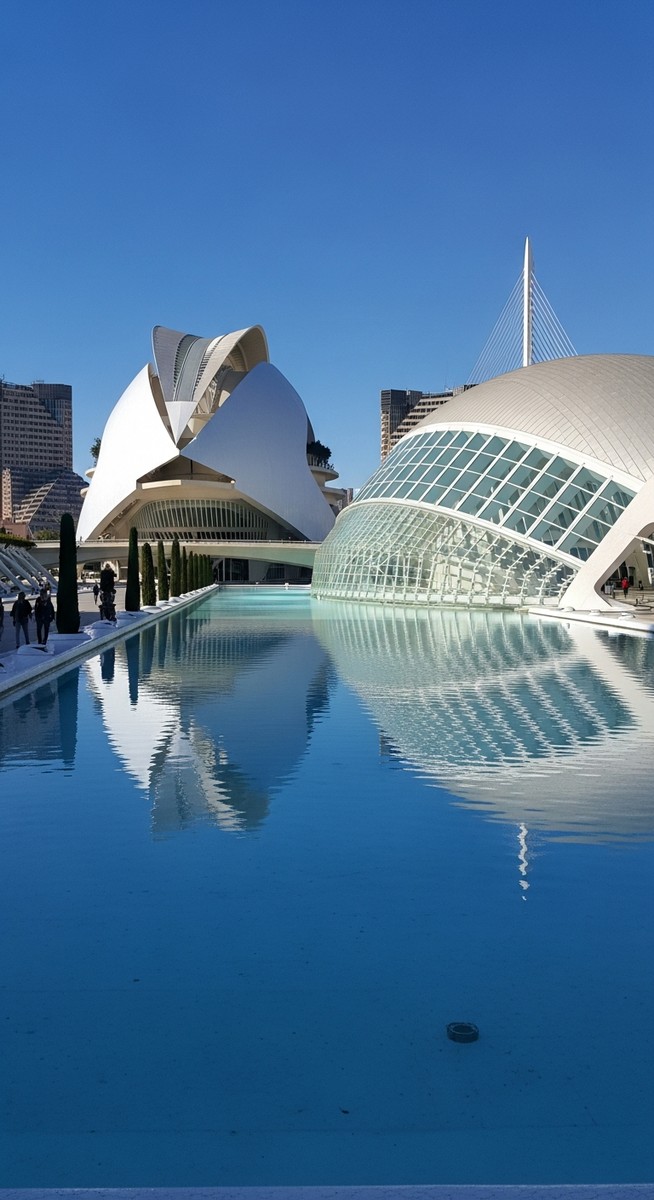
Living in Valencia has given me a deep appreciation for this city that often gets overlooked in favor of Madrid and Barcelona. The City of Arts and Sciences is the modern face of Valencia – futuristic buildings that look like they’re from another planet – while the old town keeps things beautifully historic.
This is where paella was invented, and you can taste the difference when you have it here. Head to the beach suburbs of El Cabanyal or Malvarosa for the real deal, not the touristy versions in the city center. The Central Market is one of Europe’s largest and most beautiful – definitely worth a morning browse.
If you only have one day in Valencia, I’ve mapped out exactly how to make the most of it. The city’s also perfectly positioned for day trips to places like Xàtiva or the Albufera wetlands. This Valencia highlights tour covers both the modern City of Arts and Sciences and the historic old town.
6. Bilbao
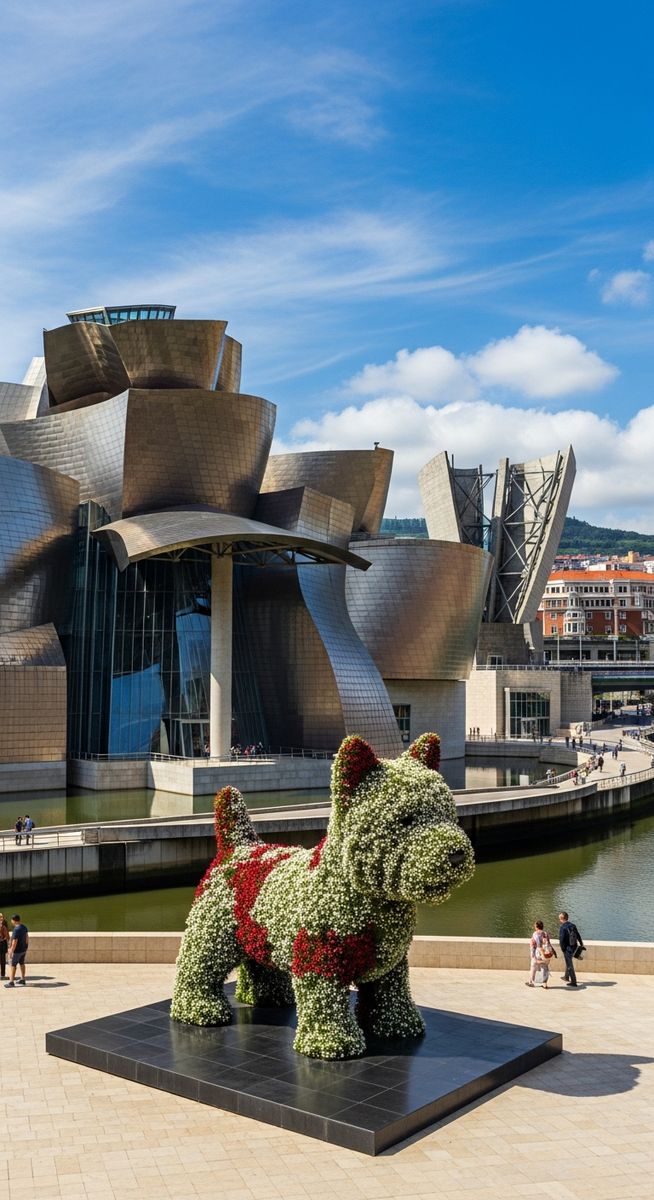
The Guggenheim Museum put Bilbao on the map, and honestly, Frank Gehry’s titanium masterpiece is worth the trip to northern Spain alone. But don’t make the mistake of thinking that’s all Bilbao has to offer – this industrial city has transformed itself into a cultural powerhouse.
The old town (Casco Viejo) is where you’ll find the best pintxos bars – and trust me, Basque Country does small plates better than anywhere else in Spain. The atmosphere in these tiny bars, packed with locals arguing about football while demolishing plates of bacalao, is something special.
This food and wine tour takes you to the best spots and explains the local customs.
The weather up here is different from the rest of Spain – greener, rainier, more like northern Europe than the Mediterranean. Pack accordingly, and embrace the fact that this region marches to its own drummer.
7. Santiago de Compostela
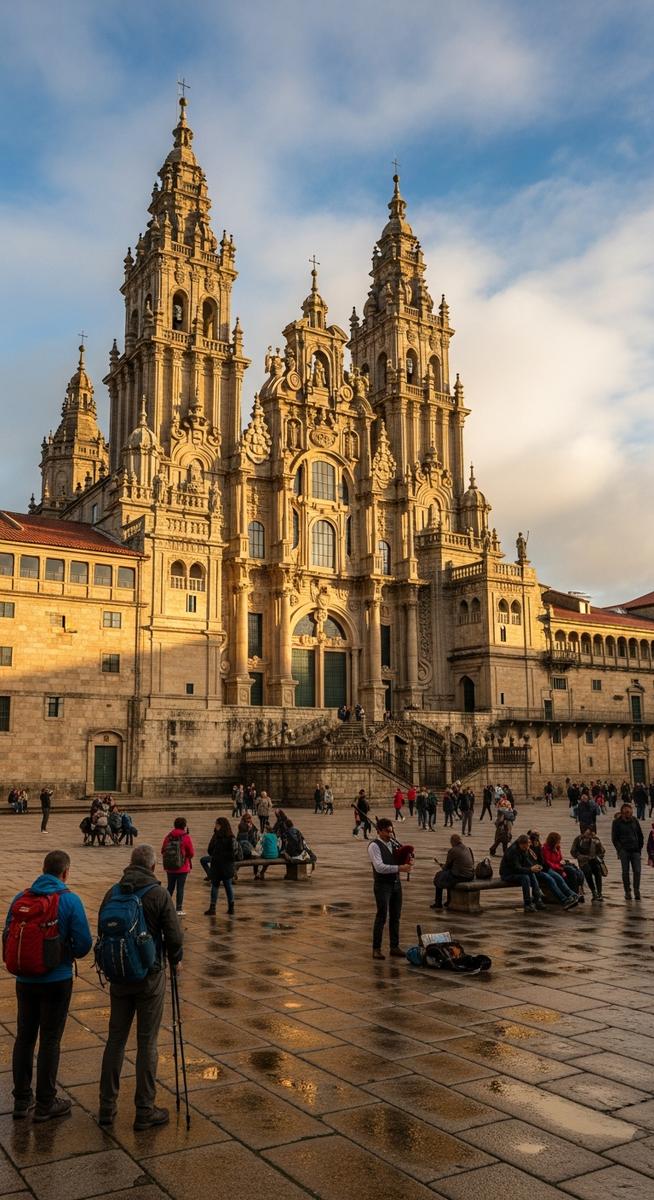
Santiago de Compostela is the end point of the Camino de Santiago pilgrimage route, and there’s something magical about this city that goes beyond its religious significance. The immense Cathedral, where pilgrims have been arriving for over 1,000 years, is genuinely moving – even if you’re not religious.
The old town is a UNESCO World Heritage site, with granite buildings that seem to glow in the right light. The atmosphere here is unlike anywhere else in Spain – there’s this sense of accomplishment and spirituality that you can feel even as a regular tourist.
The food scene is incredible, with Galician specialties like pulpo a la gallega and Albariño wine that pairs perfectly with the region’s excellent seafood. Rain is common here, so pack layers and waterproof gear.
8. San Sebastián
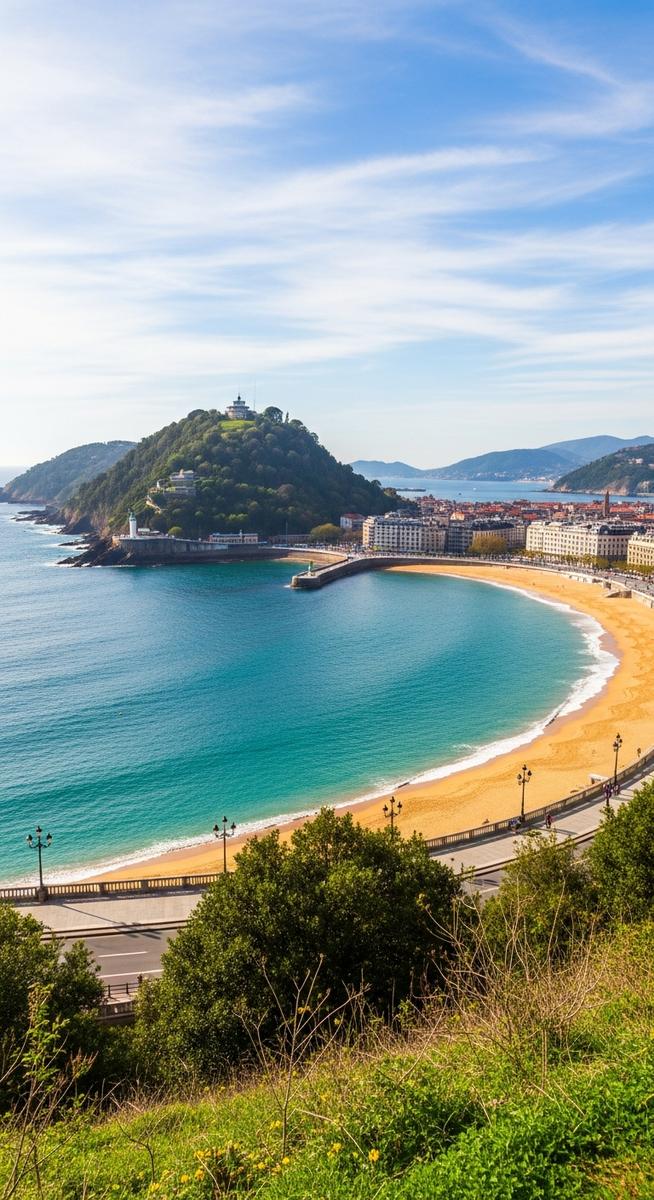
San Sebastián has more Michelin stars per capita than anywhere else in the world, and after spending time here, you’ll understand why. This isn’t just about fancy restaurants though – the pintxos culture here is at another level, with bars serving what are essentially miniature works of art.
La Concha Beach is one of Europe’s most beautiful urban beaches, with the Belle Époque architecture creating an elegant backdrop. The old town is compact enough to explore on foot, and every street seems to have another incredible bar or restaurant.
Not sure where to start? This food and wine tour takes you to the best pintxos bars and explains Basque culinary traditions.
The Basque language is everywhere here, which adds to the sense that you’re somewhere truly unique. Don’t worry if you don’t speak it – Spanish works fine, and most people in the tourism industry speak English.
9. Córdoba
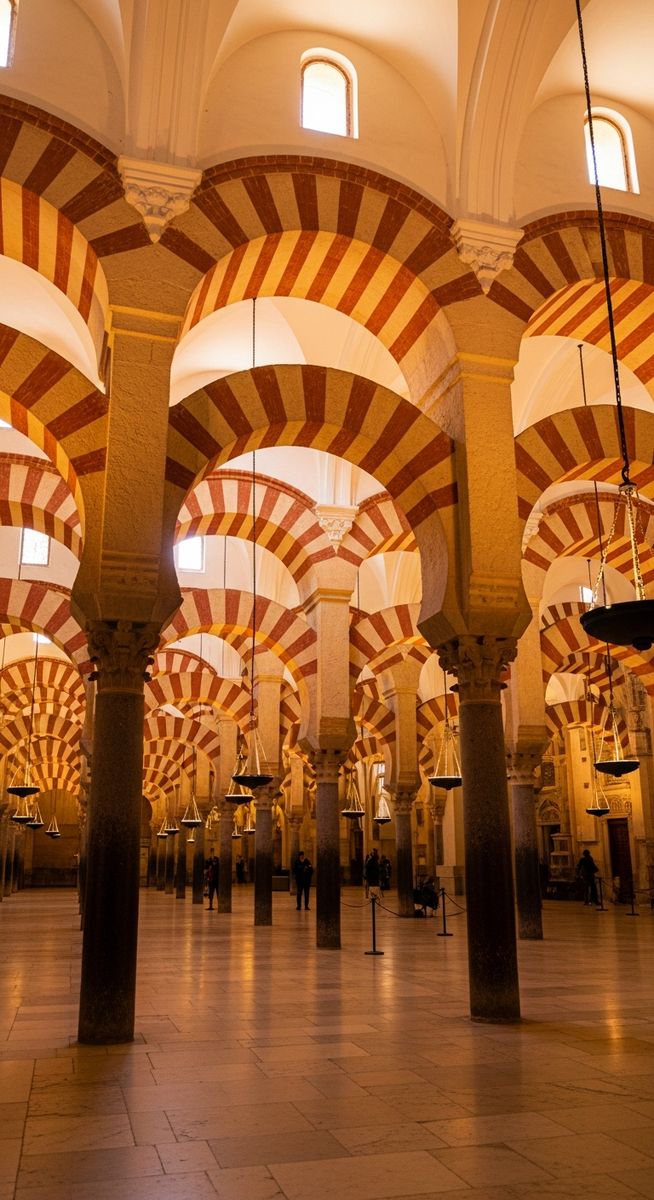
The Mezquita in Córdoba is one of those places that leaves you speechless. This mosque-cathedral, with its forest of horseshoe arches, represents the complexity of Spanish history better than anywhere else – it’s Islamic architecture with a Christian cathedral built right in the middle.
The old Jewish Quarter (Judería) is perfect for wandering, with narrow streets that provide blessed shade in summer. The patios of Córdoba, especially during the May festival, are incredible – private courtyards filled with flowers that residents open to the public. This guided tour of Córdoba includes the Mezquita and Jewish Quarter with historical insights you won’t get on your own.
Córdoba gets incredibly hot in summer – we’re talking 40°C+ (104°F+) regularly. If you’re visiting between June and August, plan your sightseeing for early morning and late afternoon, and embrace the siesta culture.
10. Toledo
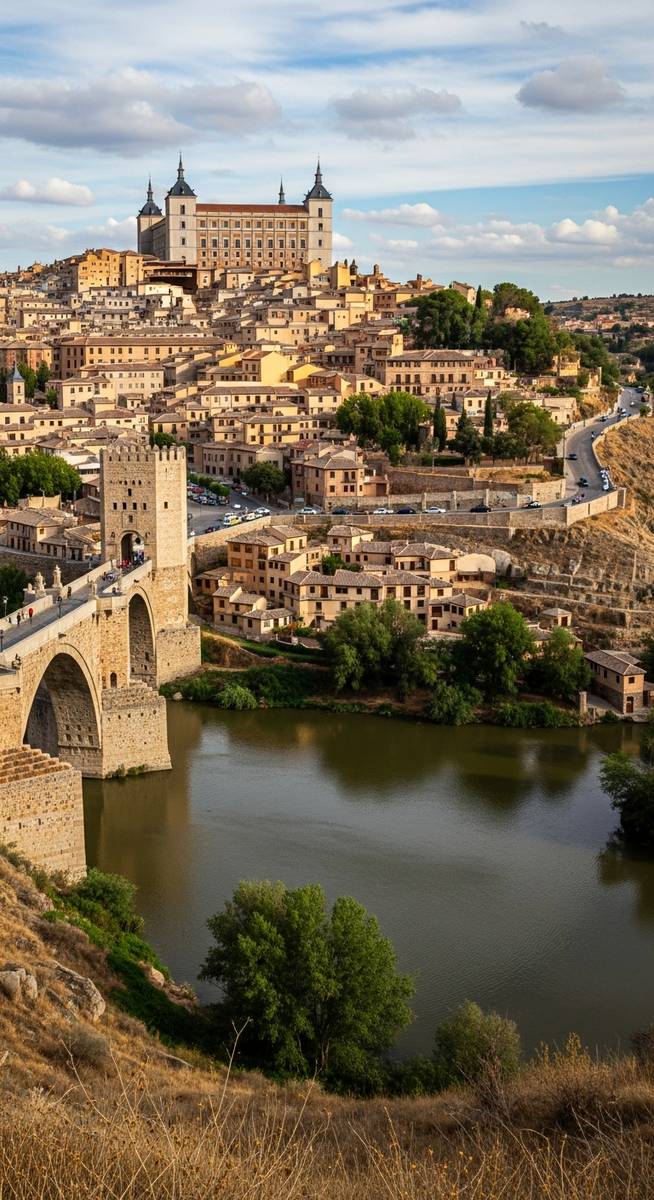
Toledo is like stepping into a medieval time machine – this “City of Three Cultures” preserves its Christian, Muslim, and Jewish heritage beautifully. The whole old town is a UNESCO World Heritage site, and you can see why the moment you arrive.
El Greco spent his later years here, and you can visit his house and see why the city’s dramatic light inspired some of his greatest works. The cathedral is one of Spain’s most impressive, and the views from across the Tagus River are postcard-perfect.
Toledo makes an easy day trip from Madrid – just 30 minutes by high-speed train. But if you can stay overnight, you’ll have the medieval streets mostly to yourself once the tour groups leave.
11. Málaga
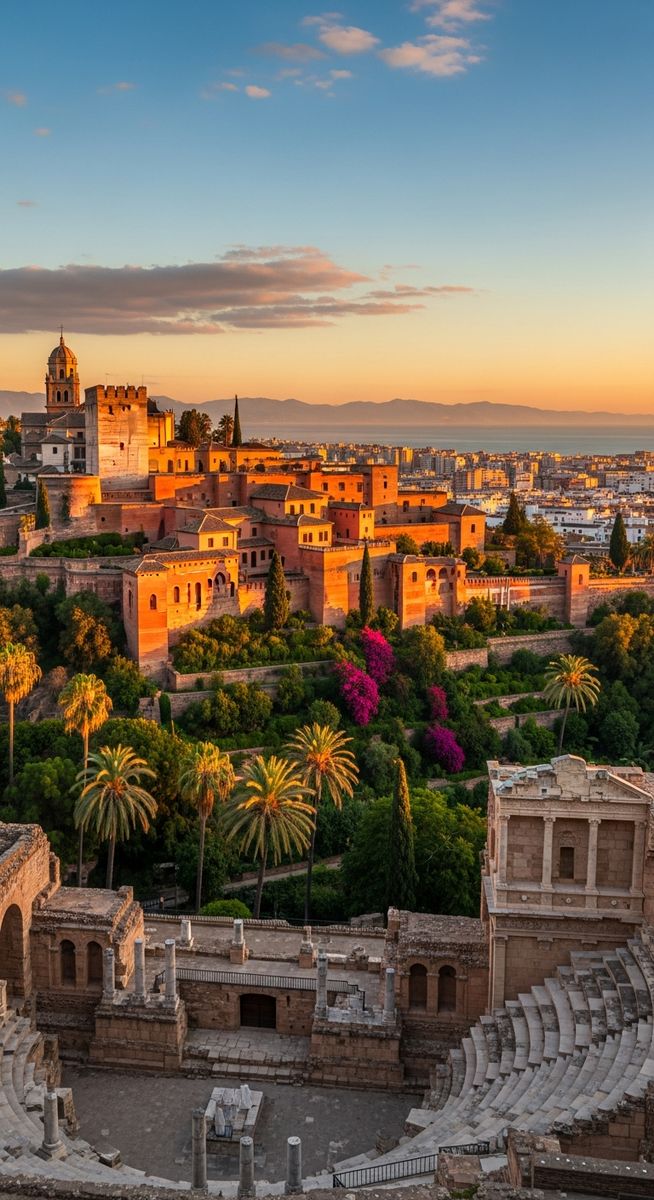
Málaga is way more than just the gateway to the Costa del Sol – though being able to hit the beach after a morning of sightseeing doesn’t hurt. This is Picasso’s birthplace, and the Picasso Museum here gives you insight into his early years that you won’t get in Barcelona or Madrid.
The Roman theatre, discovered accidentally in the 1950s, sits right in the city center and is still used for performances. The Alcazaba fortress offers great views over the port, and the combination of history and modern life creates a really appealing atmosphere.
The food scene here is also excellent, with traditional malagueño dishes like pescaíto frito (fried fish) and gazpacho that tastes nothing like the tourist versions. The climate means outdoor dining is possible almost year-round.
12. Salamanca
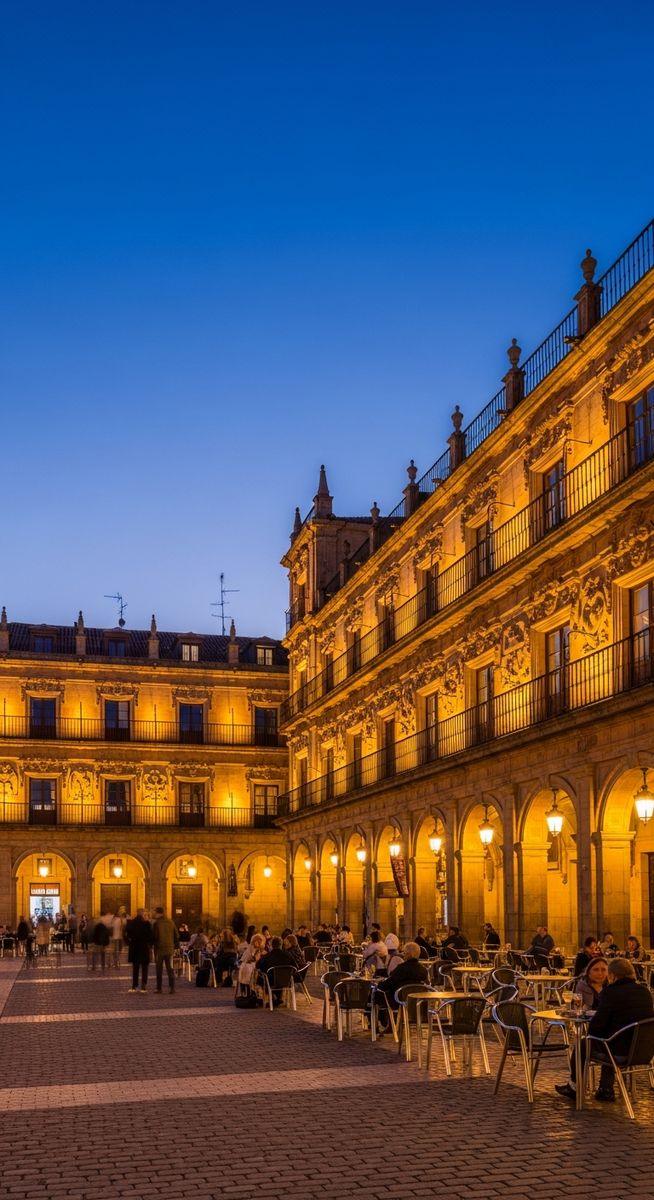
Salamanca’s golden sandstone buildings create one of Spain’s most beautiful cityscapes, especially when they’re lit up at night. This is home to Spain’s oldest university (founded in 1218), and the student population keeps the city young and lively.
The Plaza Mayor is often called Spain’s most beautiful main square, and spending an evening here with a drink watching the world go by is pretty much mandatory. The Casa de las Conchas, decorated with carved stone shells, is one of the city’s most distinctive buildings.
The university’s historic buildings are fascinating to explore, and the atmosphere feels genuinely academic rather than touristy. This is also where Spanish is spoken most “correctly” according to locals, so it’s a great place to brush up on your language skills.
13. Segovia
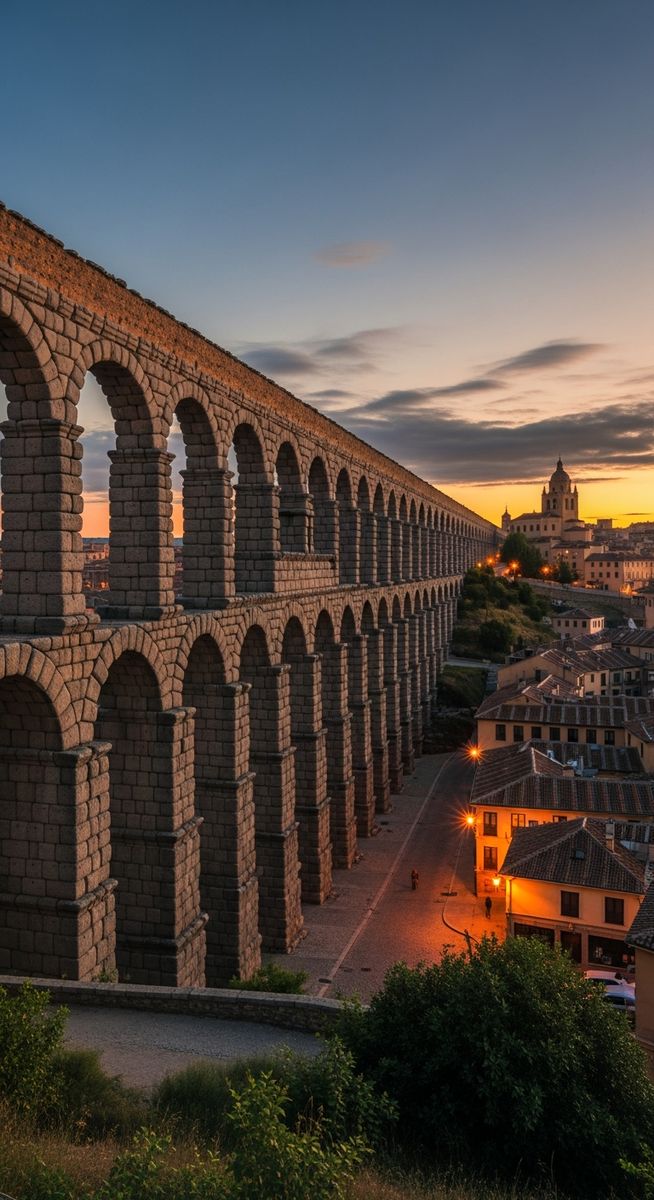
The Roman aqueduct in Segovia is one of the best-preserved in the world, and seeing it stretch across the city center is pretty incredible. The Alcázar castle, perched on a rocky outcrop, supposedly inspired Disney’s Sleeping Beauty castle.
This is also where you’ll find some of Spain’s best cochinillo asado (roast suckling pig) – Cándido and José María are the most famous restaurants, and watching them carve the pig with a plate instead of a knife is part of the experience.
Segovia makes a perfect day trip from Madrid (you can even combine a Segovia and Toledo day trip from Madrid here!), but the city is particularly beautiful in late afternoon when the golden light hits those sandstone buildings. The cathedral, completed in 1577, was the last Gothic cathedral built in Spain.
14. Cáceres
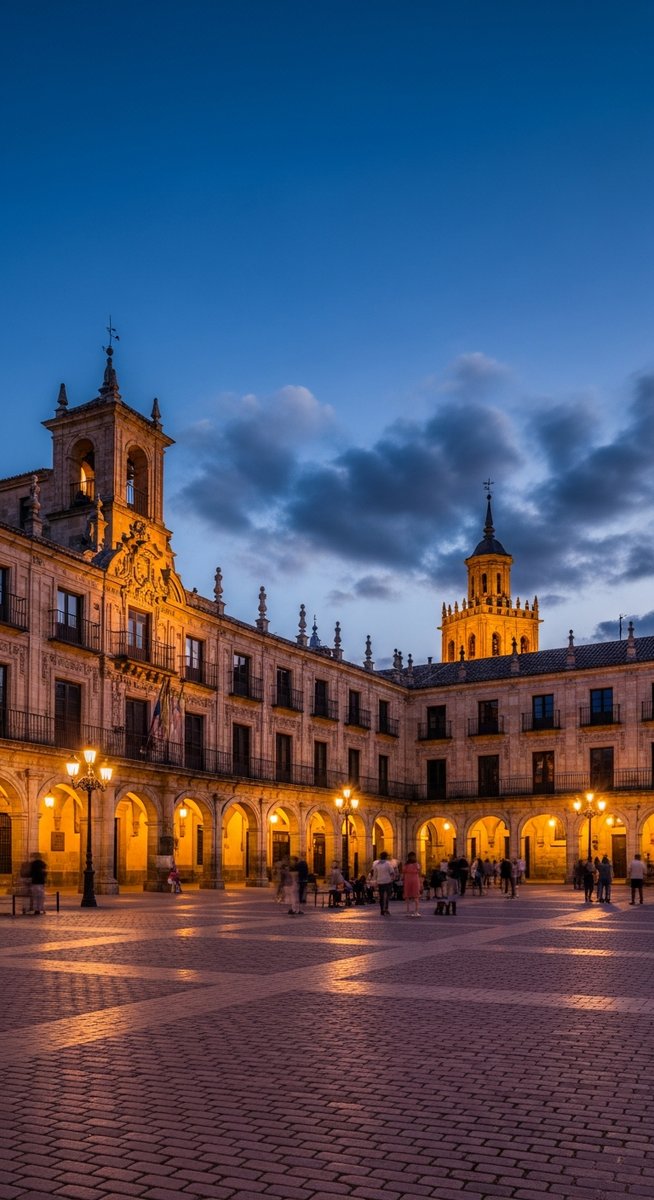
Cáceres feels like a movie set – which makes sense, since it’s been used as a filming location for Game of Thrones and other productions. The old town is remarkably well-preserved, with medieval and Renaissance buildings that transport you back centuries.
The lack of modern intrusions in the historic center is what makes Cáceres special – no power lines, modern signs, or contemporary buildings spoil the medieval atmosphere. Climbing the towers offers great views over the surrounding Extremadura countryside.
This isn’t a major tourist destination yet, which means you can explore those narrow streets without fighting crowds. The local food specializes in game and Iberian pork, reflecting the region’s agricultural heritage.
15. León
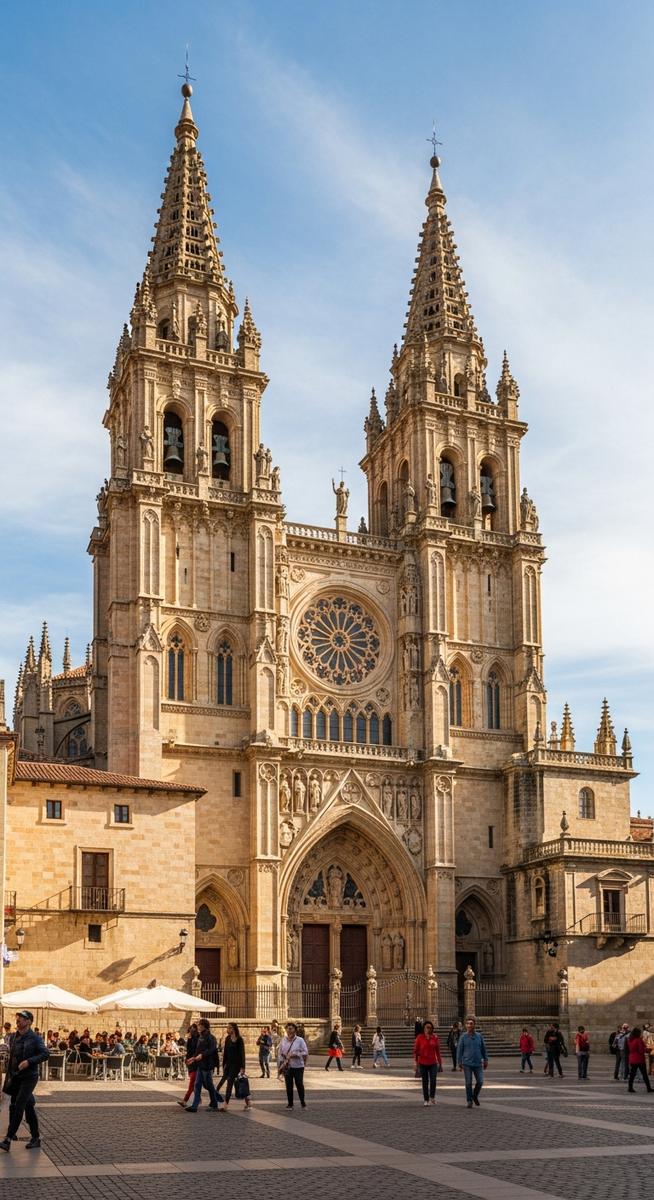
León’s Gothic cathedral has some of the most beautiful stained glass in Europe – when the afternoon sun hits those windows, the interior becomes absolutely magical. The city is an important stop on the Camino de Santiago, so there’s always an interesting mix of pilgrims and locals.
Gaudí designed the Casa Botines here, which is now a museum dedicated to his work. It’s quite different from his Barcelona buildings but shows his evolution as an architect. The San Marcos monastery, now a luxury hotel, is worth seeing even if you’re not staying there.
The Barrio Húmedo is perfect for tapas crawling, and León has this great tradition where they bring you a free tapa with every drink. It’s a more authentic experience than you’ll find in many bigger cities.
16. Burgos
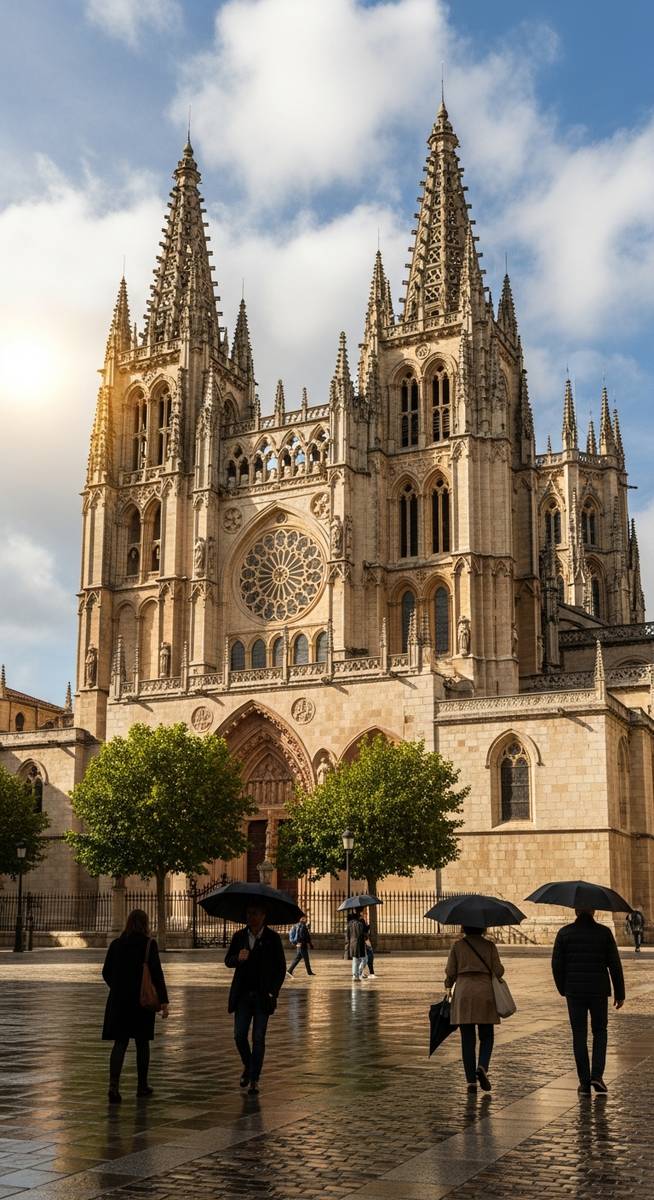
Burgos cathedral is a UNESCO World Heritage site and one of Spain’s finest examples of Gothic architecture. The city has deep connections to El Cid, Spain’s legendary medieval hero, and you can follow the Ruta del Cid through various sites.
As another important Camino de Santiago stop, Burgos has excellent infrastructure for visitors and that welcoming atmosphere that Camino cities develop. The old town is compact and walkable, with plenty of good restaurants serving Castilian specialties.
The Museo de la Evolución Humana houses important archaeological finds from nearby Atapuerca, including some of Europe’s oldest human remains. It’s fascinating stuff if you’re interested in prehistory.
17. Ronda
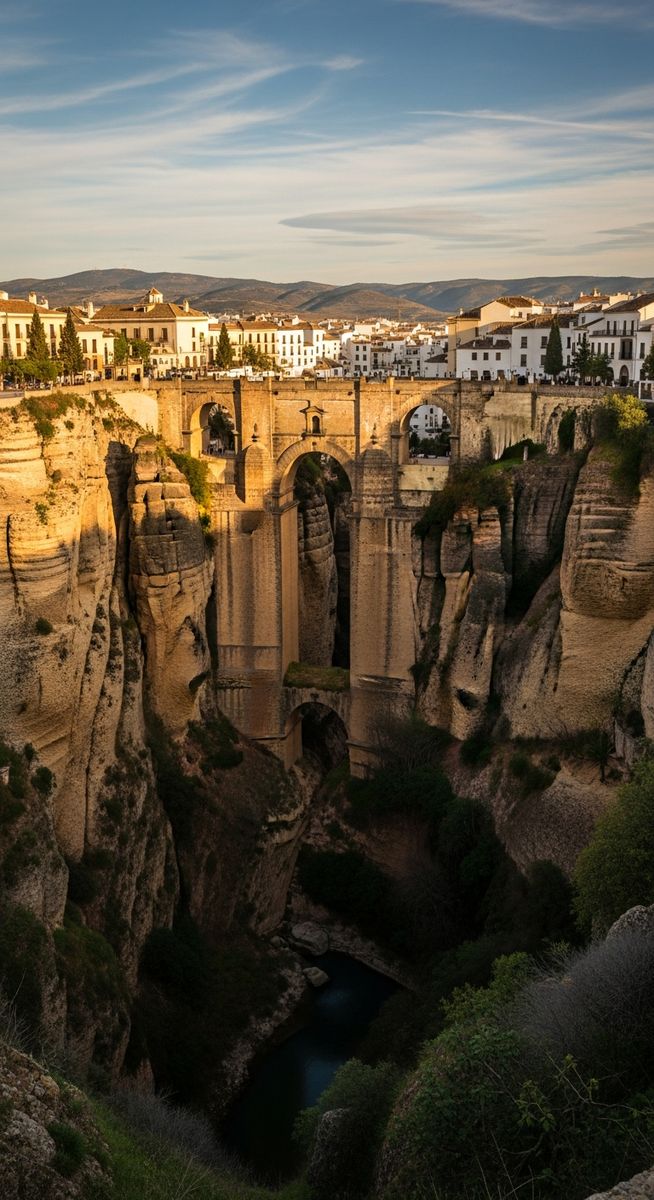
Ronda’s setting is genuinely dramatic – this white village perches on cliffs above a deep gorge, connected by the famous Puente Nuevo bridge. The views from the bridge are spectacular, but honestly, the view of the bridge from below is even better.
This is where modern bullfighting began, and the Plaza de Toros here is the oldest bullring in Spain. Even if you’re not interested in bullfighting, the museum explains the cultural significance and history. The old town retains its Moorish character, while the newer section has that classic Andalusian white village charm.
Ronda makes a great base for exploring other white villages (pueblos blancos) in the region, and the surrounding countryside is perfect for hiking if you want to escape the tourist crowds. To make your trip even easier, consider doing a day trip from Seville to Ronda and the White Villages where everything’s organized for you!
18. Zaragoza
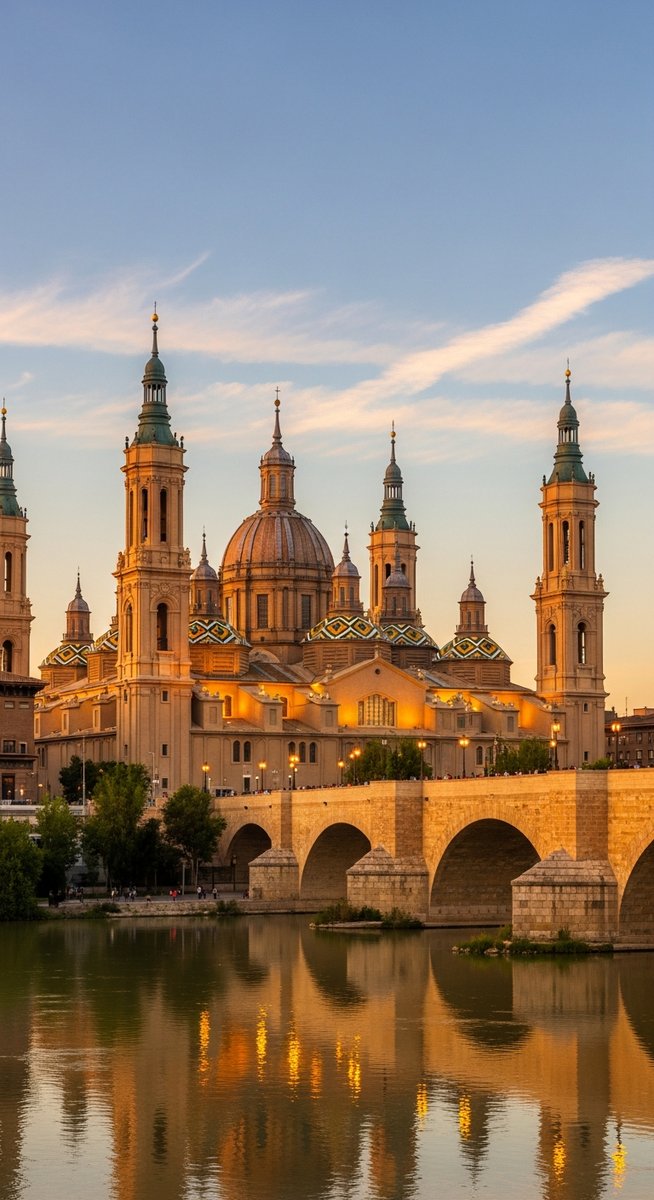
Zaragoza often gets overlooked, but this Aragón capital has some real surprises. The Basílica del Pilar is one of Spain’s most important pilgrimage sites, and the interior is genuinely impressive. The Aljafería palace shows off the city’s Moorish heritage beautifully.
The old town has this relaxed atmosphere that bigger Spanish cities sometimes lack – you can actually have a conversation in restaurants without shouting over the noise. The Ebro River creates pleasant walks, and the food scene focuses on excellent local ingredients.
Zaragoza hosted Expo 2008, which left the city with some interesting modern architecture alongside its historic buildings. It’s perfectly positioned for day trips to places like Huesca or as a stopping point between Madrid and Barcelona.
19. Girona
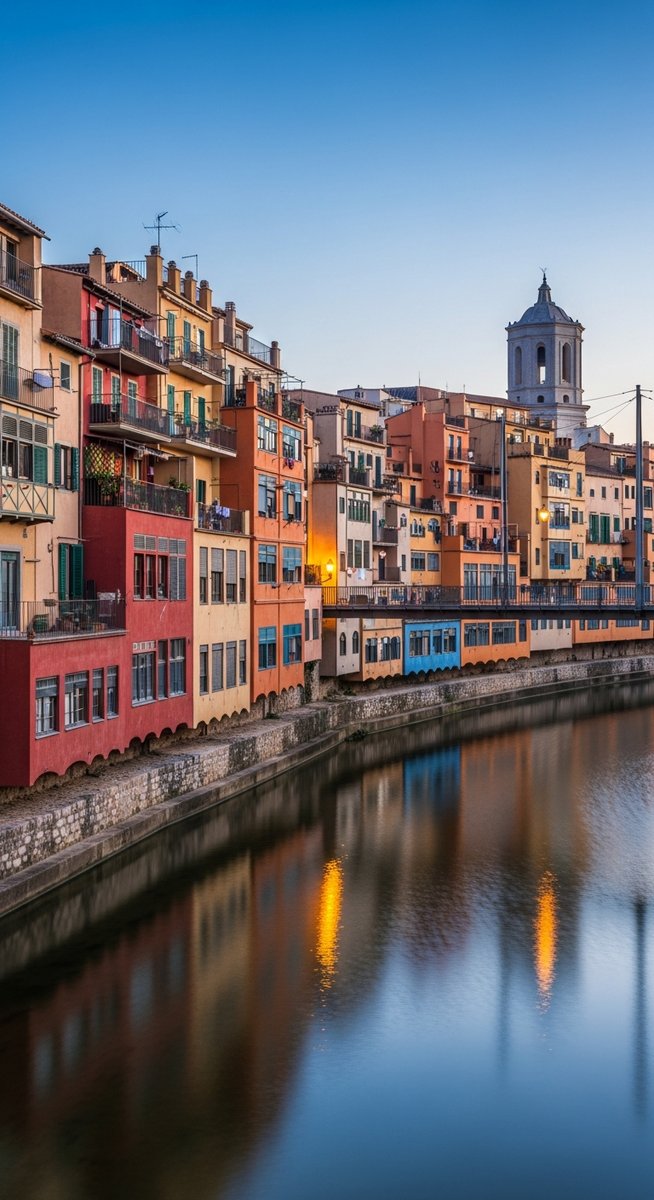
Girona’s colorful houses lining the Onyar River create one of Spain’s most photographed scenes, and they’re even more beautiful in person. The medieval walls are remarkably well-preserved, and you can walk along them for great views over the city and surrounding countryside.
The Jewish Quarter (Call Jueu) is one of Europe’s best-preserved, with narrow streets and hidden courtyards that feel genuinely medieval. The cathedral’s nave is the widest Gothic nave in the world, which creates this incredible sense of space.
Game of Thrones filmed several scenes here, which has brought more visitors (you can even do a Game of Thrones walking tour), but Girona handles tourism well. It’s close enough to Barcelona for a day trip but worth staying overnight to experience the old town after the crowds leave.
20. Tarragona
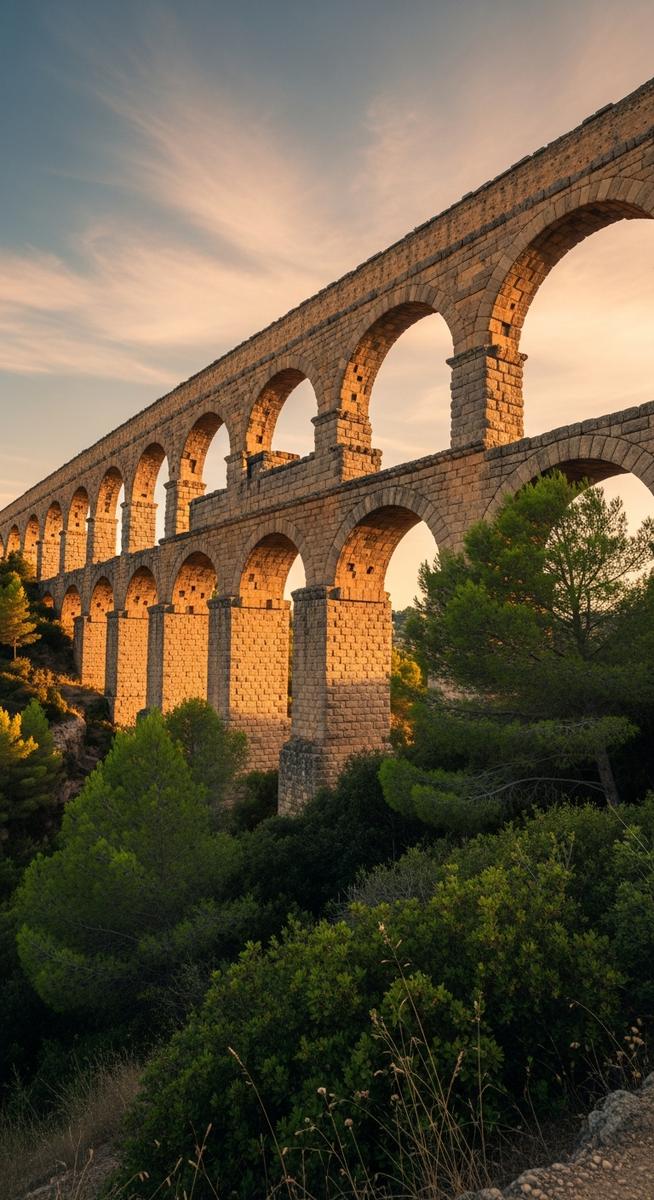
Tarragona’s Roman heritage is incredible – the amphitheatre overlooks the Mediterranean, creating this amazing combination of ancient history and beautiful coastline. The archaeological museum helps put all the Roman sites in context.
The upper town (Part Alta) has medieval charm with narrow streets and hidden squares, while the lower town gives you easy access to beaches. It’s this combination of history, culture, and seaside relaxation that makes Tarragona special.
The human tower (castells) tradition here is UNESCO-recognized, and if you’re lucky enough to see a performance, it’s genuinely exciting. The teamwork and skill involved in building these human pyramids is incredible.
21. Mérida
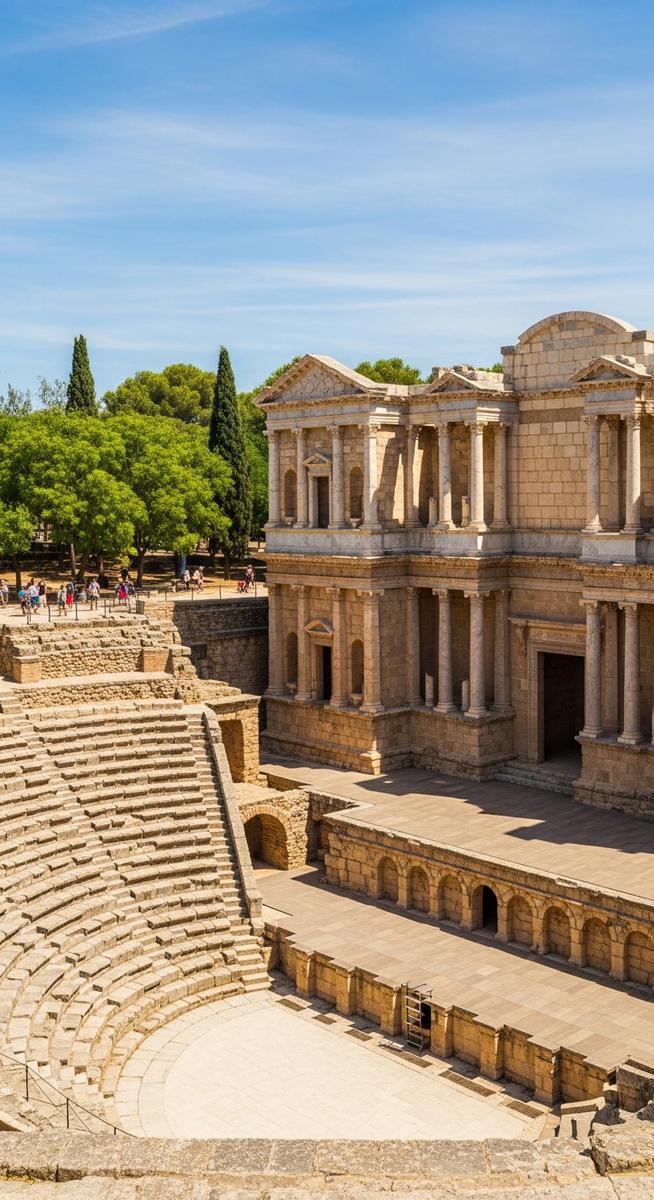
Mérida has the best Roman remains in Spain, and some of the best-preserved in Europe. The theatre and amphitheatre complex is still used for performances, which creates this amazing connection between ancient and modern culture.
The Roman bridge over the Guadiana River is nearly 800 meters (2,625 feet) long and still carries traffic after almost 2,000 years. The national Roman art museum houses incredible mosaics and artifacts that bring the ancient city to life.
What’s special about Mérida is how the Roman heritage is integrated into modern life – you’ll find Roman ruins next to tapas bars, and locals take this incredible history pretty much for granted.
22. Cuenca
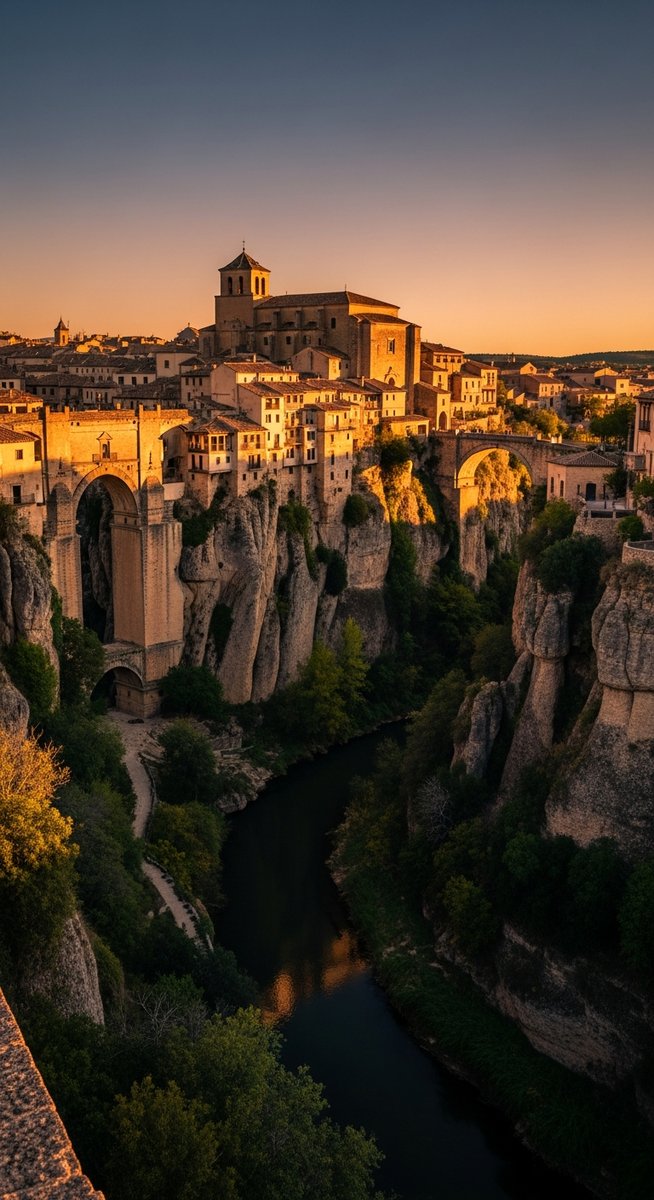
Cuenca’s famous hanging houses (casas colgadas) literally hang over the cliff edge, creating one of Spain’s most dramatic cityscapes. The abstract art museum housed in one of these buildings creates an interesting contrast between medieval architecture and contemporary art.
The old town perches between two river gorges, which means views are spectacular from almost everywhere. The cathedral combines Gothic and Norman influences in ways you won’t see elsewhere in Spain.
Getting to Cuenca requires the tiniest bit of effort – it’s about 90 minutes from Madrid by train – but that isolation is part of its charm. You really feel like you’re somewhere special and remote.
23. Ávila
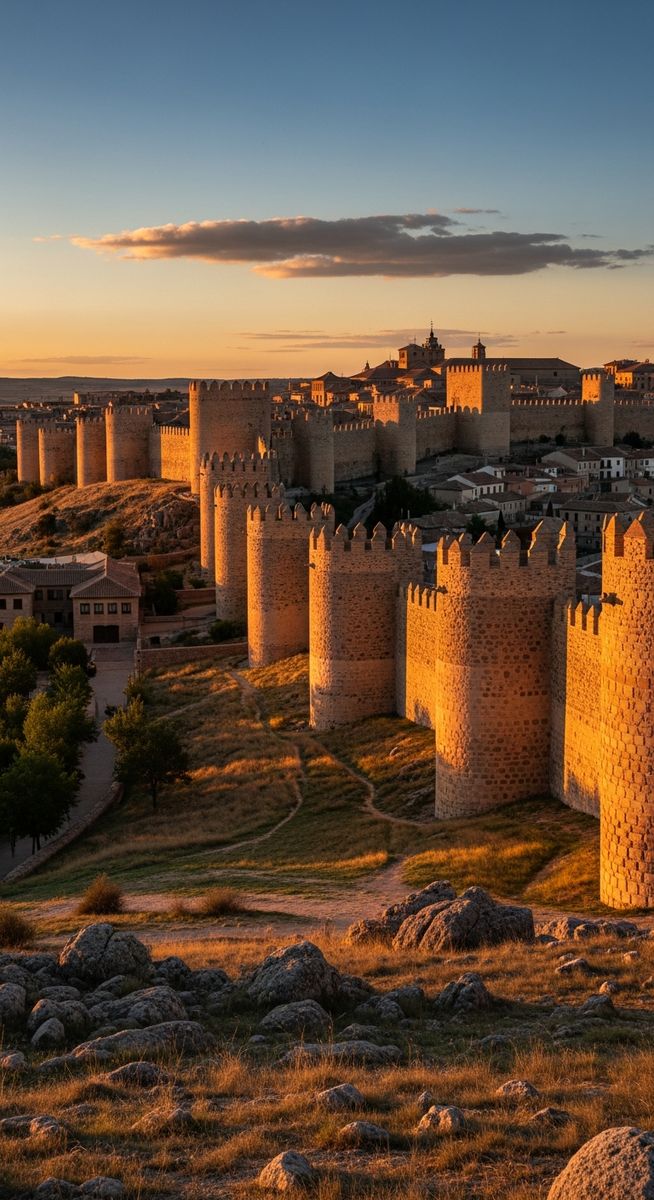
Ávila’s medieval walls are the best-preserved in Europe, completely encircling the old town for 2.5 kilometers (1.6 miles). Walking along the walls gives you great views over the city and the surrounding Castilian plains.
This is the birthplace of Santa Teresa, one of Spain’s most important religious figures, and her legacy is everywhere. The Convent of Santa Teresa is built on the site of her family home.
The city has this austere beauty that reflects its high altitude – at 1,131 meters (3,711 feet), it’s one of Europe’s highest capitals. The light here is special, particularly in late afternoon when those granite walls seem to glow.
24. Oviedo
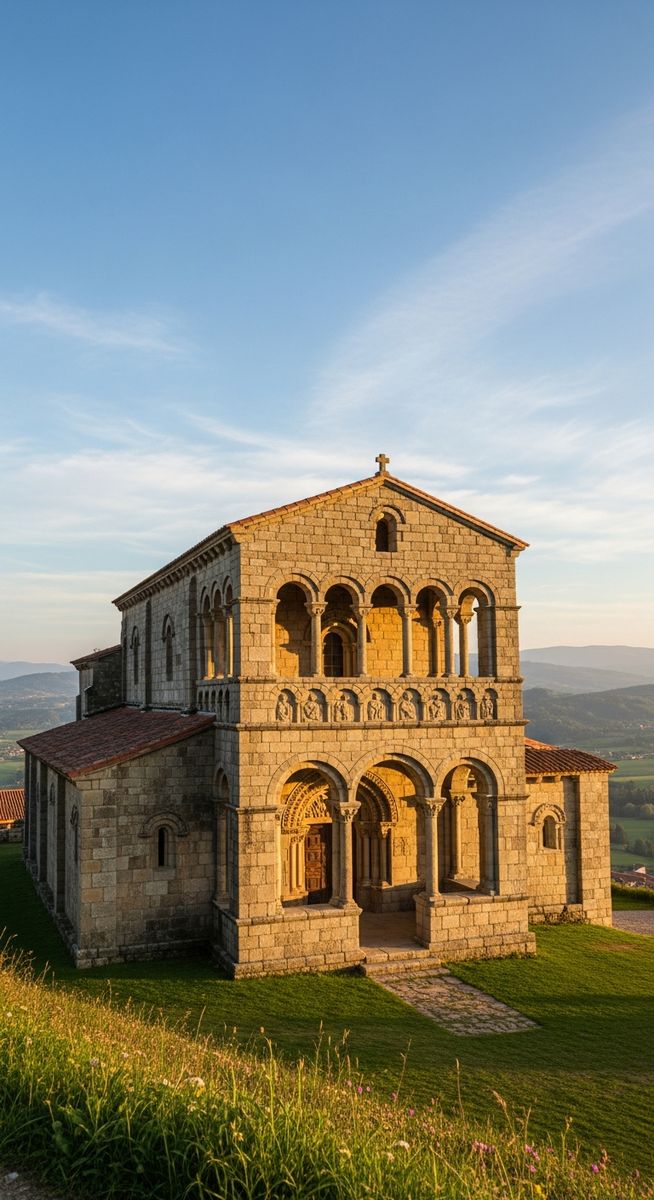
Oviedo is home to unique pre-Romanesque architecture that you won’t find anywhere else in the world – these 9th-century churches represent a brief period when Asturias was the center of Christian Spain. Santa María del Naranco is the most famous and beautifully preserved.
The cider culture here is serious business – they pour it from a great height to aerate it, and there’s definitely technique involved. The old town is perfect for sidrerías crawling, and the atmosphere is wonderfully local.
Oviedo makes a great base for exploring Asturias, with the Picos de Europa mountains and beautiful coastline both within easy reach. The Asturian landscape is completely different from southern Spain – green, mountainous, and dramatic.
25. Vigo
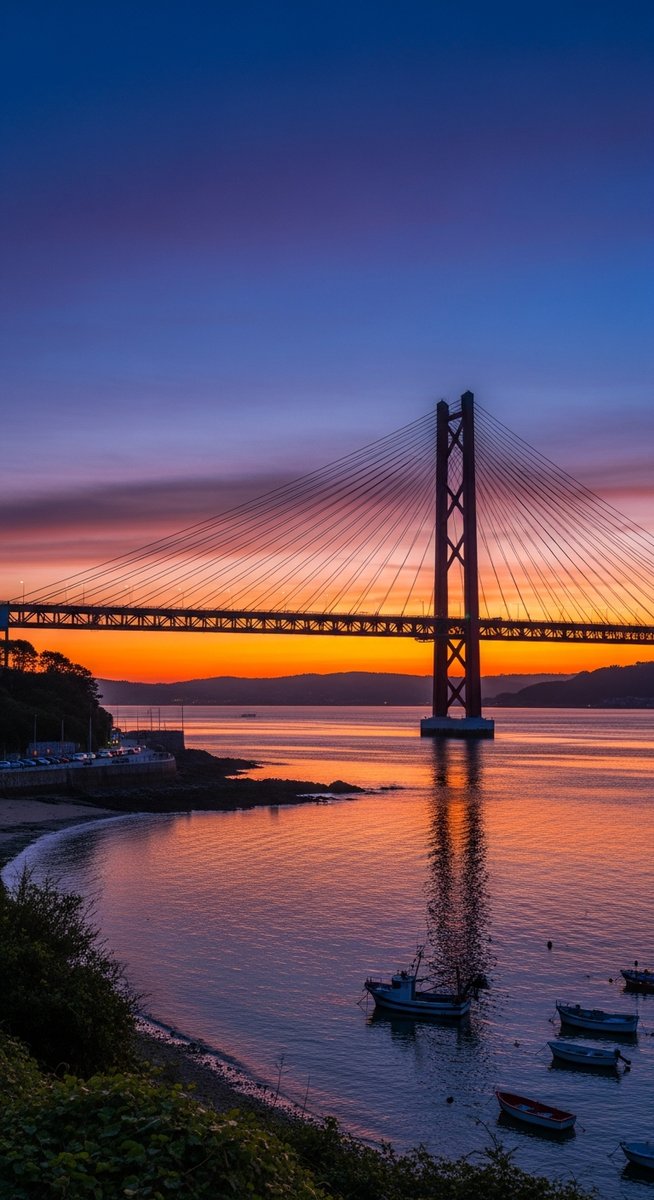
Vigo is Galicia’s largest city and one of Europe’s busiest fishing ports, which means the seafood here is about as fresh as it gets. The Cíes Islands, just off the coast, have beaches that rival anything in the Caribbean and are definitely worth the ferry trip.
The old town (Casco Vello) has character, with narrow streets and traditional architecture, while the port area shows off the city’s maritime heritage. The seafood markets are fascinating, and the restaurants know exactly what to do with the incredible local catch.
Vigo doesn’t get many international tourists, which means you’ll experience authentic Galician culture without the tourist overlay. The Atlantic coast here is dramatic and beautiful, quite different from Spain’s Mediterranean shores.
Spain really is a country that rewards exploration beyond the obvious destinations. While places like Barcelona and Madrid are incredible and absolutely worth visiting, some of my best Spanish memories come from smaller cities where I felt like I was discovering something new.
The beauty of Spain is its diversity – you can experience Moorish palaces, Roman ruins, Gothic cathedrals, and cutting-edge architecture all in the same trip. The food changes completely from region to region, the languages shift, and even the landscape transforms dramatically as you travel.
My advice? Don’t try to see everything in one trip. Pick a region or theme and explore it properly rather than racing between cities checking boxes. Spain rewards slow travel, and taking time to sit in a plaza with a drink, watching Spanish life unfold around you, is just as valuable as visiting any monument.
For getting around, Spain’s high-speed train network connects most major cities efficiently – check Trainline for schedules and tickets. And don’t forget to get travel insurance before you go – it’s one of those things you hope you won’t need but will be grateful for if you do.
Whatever you choose to see, Spain won’t disappoint. It’s a country that gets under your skin, and once you’ve experienced that Spanish approach to life – where good food, good company, and taking time to enjoy both are priorities – everywhere else feels a little rushed.
