
10 Incredible Things to Do in Palma de Mallorca (Besides the Beach!)

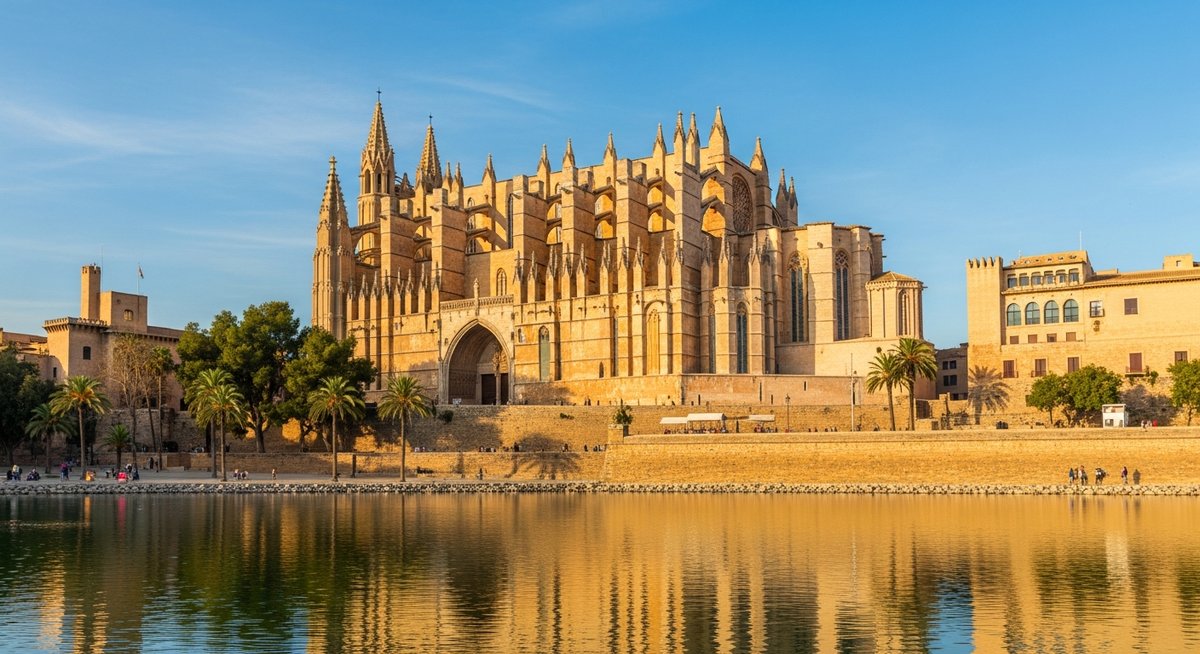
Palma de Mallorca isn’t just another Mediterranean spot to tick off your list – it’s a city where Gothic spires meet modern art, where ancient streets lead to pristine beaches, and where every corner tells a story of centuries past.
Having been fortunate enough to have explored the island several times from my base in Valencia, I can tell you that Palma strikes the perfect balance between cultural richness and island relaxation.
Whether you’re here for a quick weekend getaway or planning a longer stay, these ten experiences will give you the best taste of what makes Palma so special. From climbing castle ramparts to sipping wine in hidden courtyards, here’s your guide to the city’s most memorable attractions.
(And if you’re planning a broader Spanish adventure, you might also want to check out these amazing islands close to Barcelona for more Mediterranean island inspiration. You could also get some insider tips from my ultimate guide to two days in Valencia if you’re planning to visit my home city too – it’s less than an hour’s flight away!)
1. Explore the Gothic Cathedral of Santa María (La Seu)
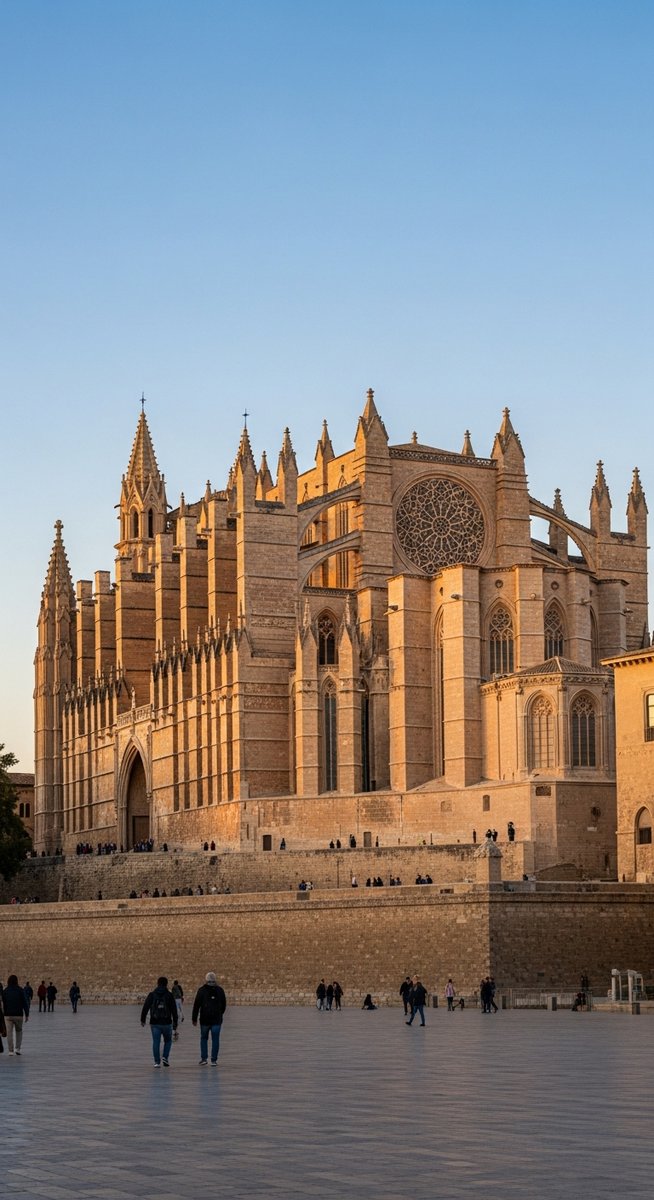
La Seu dominates Palma’s skyline like no other building, and stepping inside feels like entering a different world entirely. This Gothic masterpiece took nearly 400 years to complete, and you’ll understand why when you crane your neck to admire the soaring arches that reach 44 meters (144 feet) high.
The cathedral’s most famous feature is Gaudí’s wrought-iron canopy above the altar, but don’t miss the stunning rose window – one of the largest Gothic rose windows in the world at 13.8 meters (45 feet) in diameter. The way morning light filters through its colored glass creates an almost ethereal atmosphere that photographers dream about.
I’d recommend visiting early in the morning or late afternoon when the crowds thin out and the light is at its most dramatic. You can skip the often long entrance queues by booking your Cathedral tickets in advance, which also includes access to the diocese museum with its impressive collection of religious art.
2. Wander Through Palma’s Historic Old Town
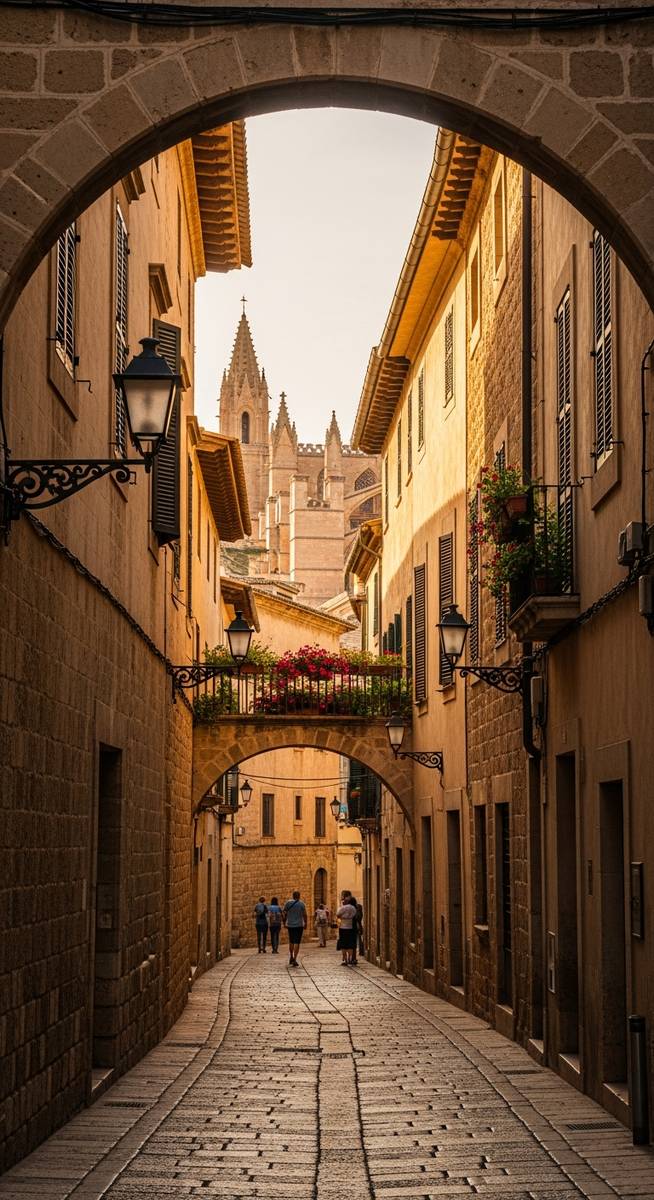
Palma’s old town is where the city’s soul really lives, with narrow cobblestone streets that have barely changed since medieval times. You’ll find yourself constantly stopping to admire the honey-colored stone buildings with their traditional wooden shutters and wrought-iron balconies overflowing with flowers.
The Barrio Gótico (Gothic Quarter) around the cathedral is particularly atmospheric, especially along streets like Carrer del Almudaina and Carrer de la Portella. These winding lanes are filled with boutique shops, art galleries, and traditional Spanish restaurants tucked into centuries-old buildings.
Don’t try to rush through the old town – this is a place for leisurely exploration where getting lost is half the fun. Some of the best discoveries happen when you follow a promising-looking alley or duck into a quiet courtyard that catches your eye.
3. Visit the Royal Palace of La Almudaina
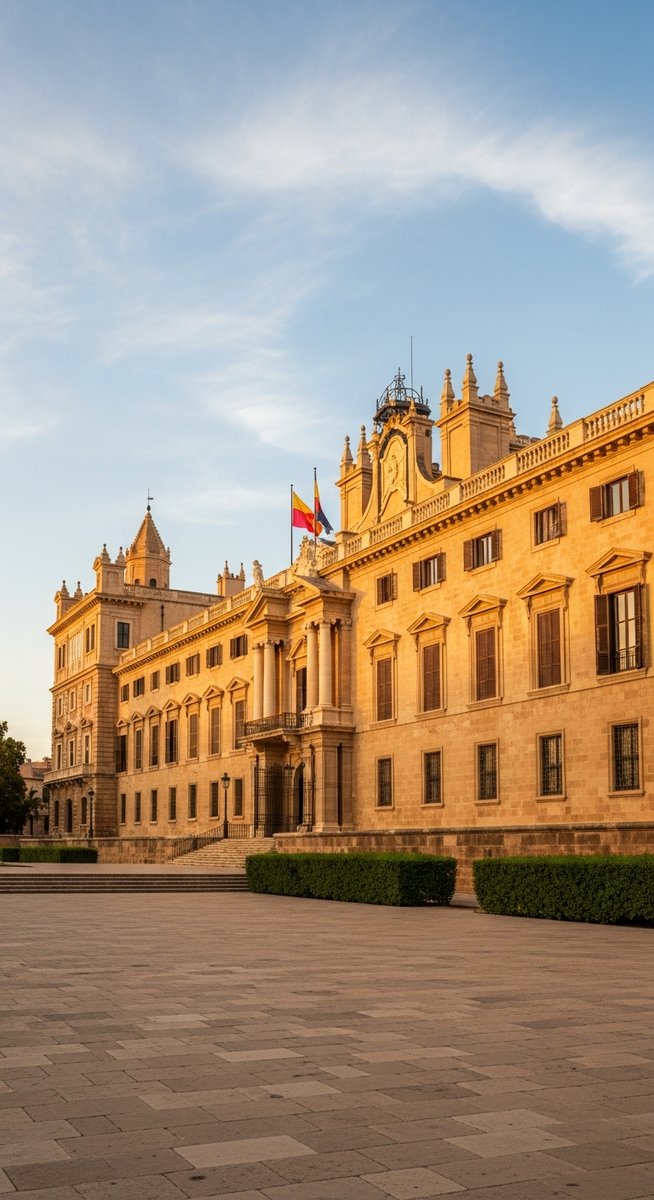
Right next to the cathedral stands La Almudaina, a royal palace that perfectly captures Palma’s layered history. Originally built as an Islamic alcázar, it was later converted by Christian kings into a Gothic palace, and today it still serves as an official residence for the Spanish royal family.
The palace’s rooms showcase everything from Islamic architectural details to Renaissance tapestries and medieval weapons. The Throne Room is particularly impressive, but I’m always drawn to the peaceful courtyards where you can imagine the various rulers who once walked these same stone paths.
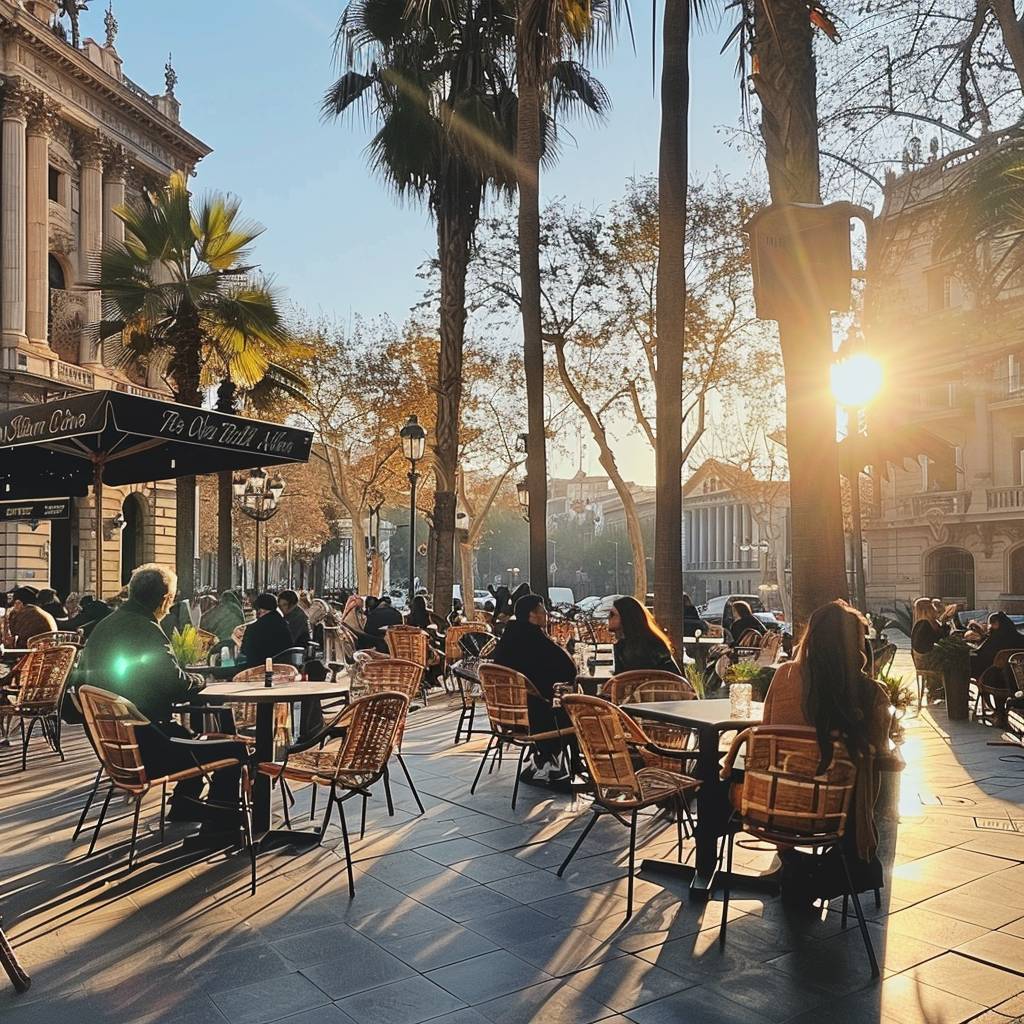
The palace gardens offer some of the best views in the city, looking out over the harbor and the Mediterranean beyond. Entry is reasonably priced at around €7 (about $8), and I’d suggest combining your visit with the cathedral since they’re right next to each other.
4. Stroll Along the Passeig des Born
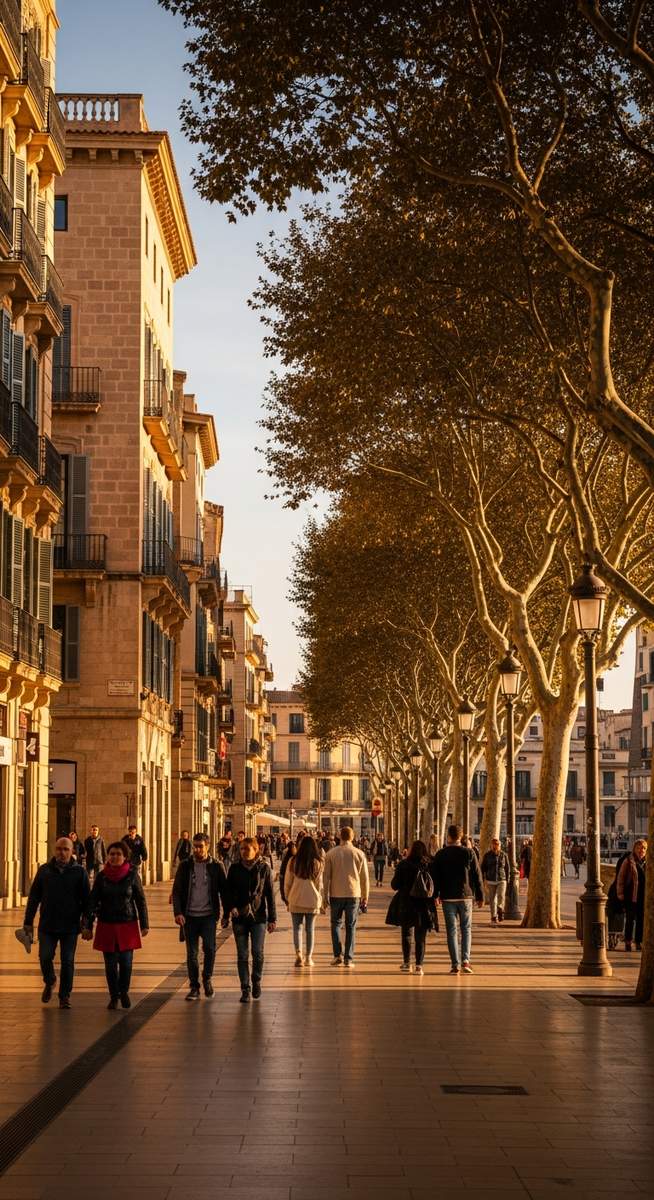
If Palma has a main street, it’s the Passeig des Born – a tree-lined boulevard that’s been the city’s social heart for centuries. This pedestrian promenade stretches from Plaça del Rei Joan Carles I down to the old town, and it’s where locals come to see and be seen.
The street is lined with elegant mansions that now house upscale boutiques, art galleries, and some of the city’s most stylish cafés. It’s the perfect place for people-watching over a cortado, especially during the evening paseo when families and couples take their traditional pre-dinner stroll.
At the top of the Born, you’ll find some excellent tapas bars and restaurants, while the bottom end leads you into the maze of old town streets. The whole walk takes maybe 15 minutes, but you’ll want to allow much longer for all the window shopping and café stops along the way.
5. Discover Bellver Castle and Its Panoramic Views
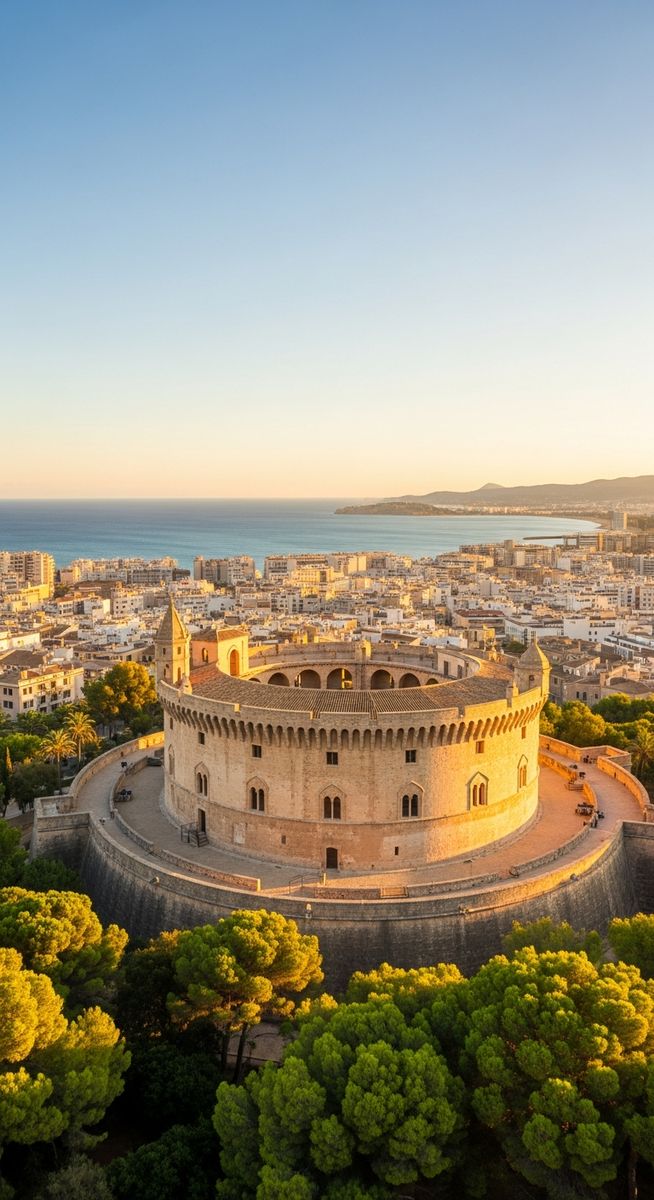
Bellver Castle sits on a hilltop about 3 kilometers (1.9 miles) west of the city center, and the journey up is worth it for the views alone. This 14th-century circular castle is unique in Spain – most medieval fortresses are built in traditional rectangular layouts, but Bellver’s round design makes it truly one of a kind.
The castle houses a small history museum, but honestly, most people come for the incredible 360-degree views from the rooftop. On clear days, you can see across the entire bay of Palma, with the cathedral and old town spread out below like a miniature model.
You can reach the castle by bus, taxi, or even on foot if you’re feeling energetic (it’s about a 45-minute uphill walk from the center). I’d recommend going in the late afternoon when the light is perfect for photos and the temperature is more comfortable for exploring.
For a comprehensive overview of the city, consider taking a hop-on hop-off bus tour that includes stops at Bellver Castle along with other major attractions.
6. Experience the Vibrant Mercado de Santa Catalina
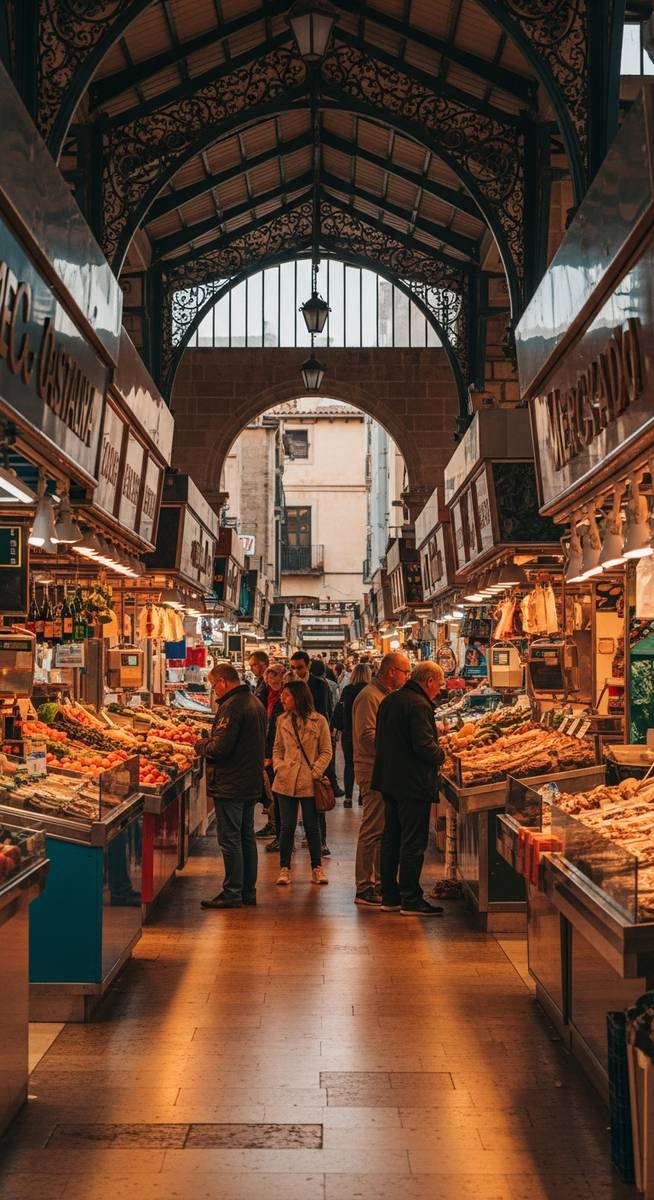
While tourists flock to the more famous Mercado del Olivar, locals know that Santa Catalina market is where the real action happens. This bustling food market in the trendy Santa Catalina neighborhood is smaller and more intimate than its bigger cousin, but the quality of produce and atmosphere is unbeatable.
You’ll find everything from the day’s fresh catch to locally grown vegetables, artisanal cheeses, and some of the best olives in the Mediterranean. The market also has several excellent tapas bars where you can grab a quick bite – try the jamón ibérico or sample some local Mallorcan wine.
The surrounding Santa Catalina neighborhood is worth exploring too, with its mix of traditional Spanish life and trendy restaurants. It’s one of the few areas in Palma where you’ll still hear more Spanish and Catalan than English or German on the streets.
7. Relax at Playa de Palma Beach
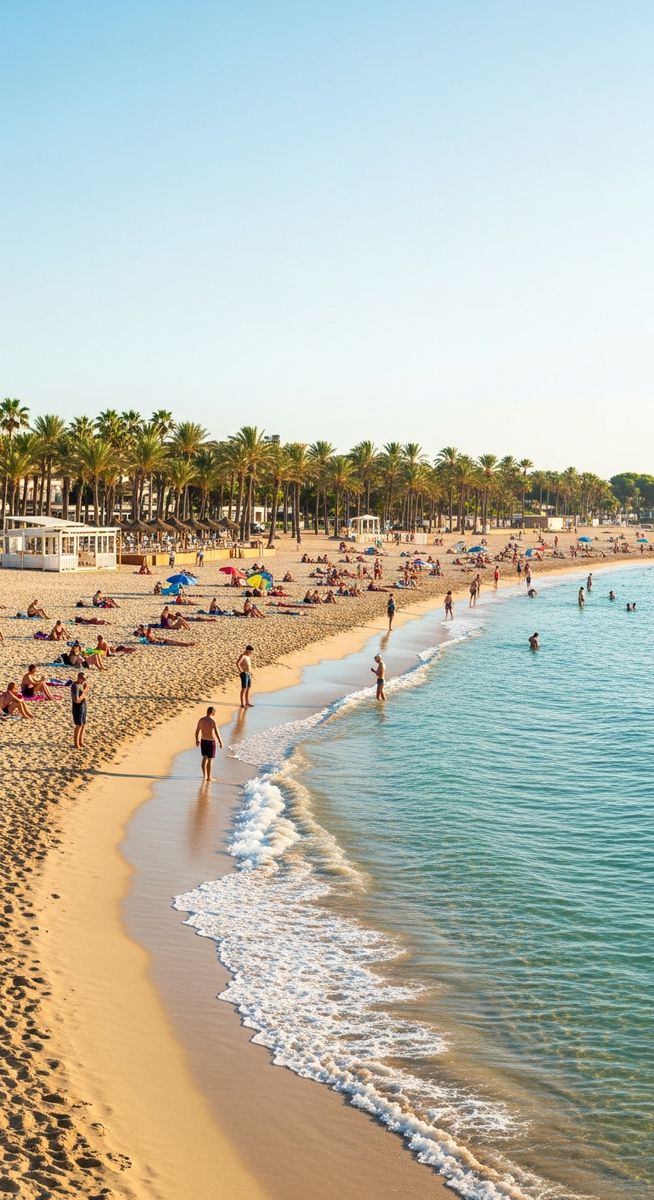
Sometimes you just need to remember that you’re on a Mediterranean island, and Playa de Palma delivers exactly what you’d expect from a proper beach day. This 4.6-kilometer (2.9-mile) stretch of golden sand runs east from the city center, offering plenty of space even during busy summer months.
The beach is well-equipped with sunbed rentals, beachside chiringuitos (beach bars), and water sports facilities if you want something more active than just soaking up the sun. The water is typically warm and calm, making it perfect for swimming from May through October.
While parts of the beach can get crowded with package tourists, you can always find quieter spots if you walk a bit further from the main access points. The sunset views from here are particularly beautiful, especially with a cold beer or sangria in hand.
If you want to see Palma’s coastline from a different perspective, I highly recommend this catamaran cruise with lunch that takes you around the bay with swimming stops in crystal-clear waters.
8. Take a Day Trip to Valldemossa Village
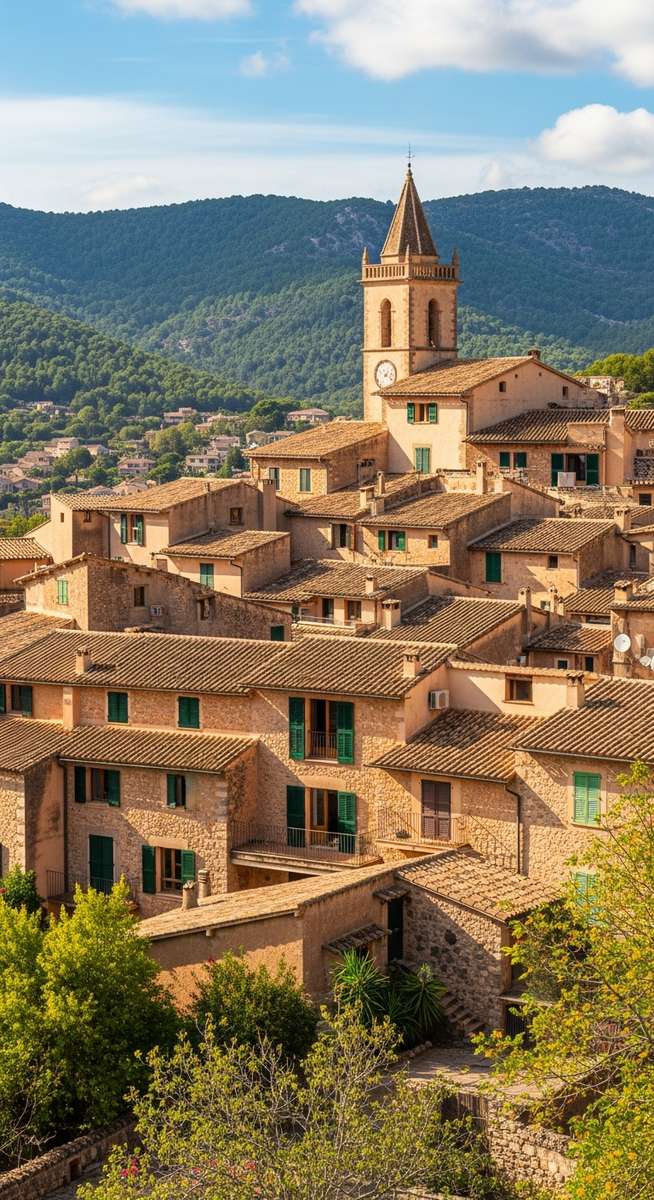
About 17 kilometers (10.6 miles) northwest of Palma lies Valldemossa, a mountain village that looks like it stepped out of a fairy tale. This is where composer Frederic Chopin and writer George Sand spent a winter in 1838, and you can still visit the monastery cell where they lived.
The village’s narrow streets are lined with traditional stone houses decorated with green shutters and terracotta roof tiles. Every doorway seems to have pots of geraniums, and small cafés serve the local specialty – coca de patata, a sweet pastry that’s perfect with coffee.
You can reach Valldemossa by bus from Palma, but I’d recommend renting a car so you can explore the scenic mountain roads and maybe combine it with visits to other nearby villages like Deià or Sóller. The drive itself is half the experience, with incredible views around every bend.
Alternatively, you can join an organized Valldemossa and Sóller tour that takes care of all the logistics while giving you insights from a local guide.
9. Explore the Contemporary Art at Es Baluard Museum
Palma’s contemporary art scene gets a showcase at Es Baluard, a striking museum built into the remains of the old city fortifications. The building itself is a work of art, with modern glass and steel structures emerging from 16th-century stone walls in a way that somehow makes perfect sense.
The permanent collection focuses on Mediterranean art from the 20th and 21st centuries, with works by Picasso, Miró, and other Spanish masters alongside contemporary local artists. The temporary exhibitions are often excellent too, covering everything from photography to video installations.
Don’t miss the museum’s terraces, which offer some of the best harbor views in the city. There’s also a good café where you can reflect on what you’ve seen while watching boats come and go in the marina below.
10. Enjoy Tapas and Nightlife in La Lonja District
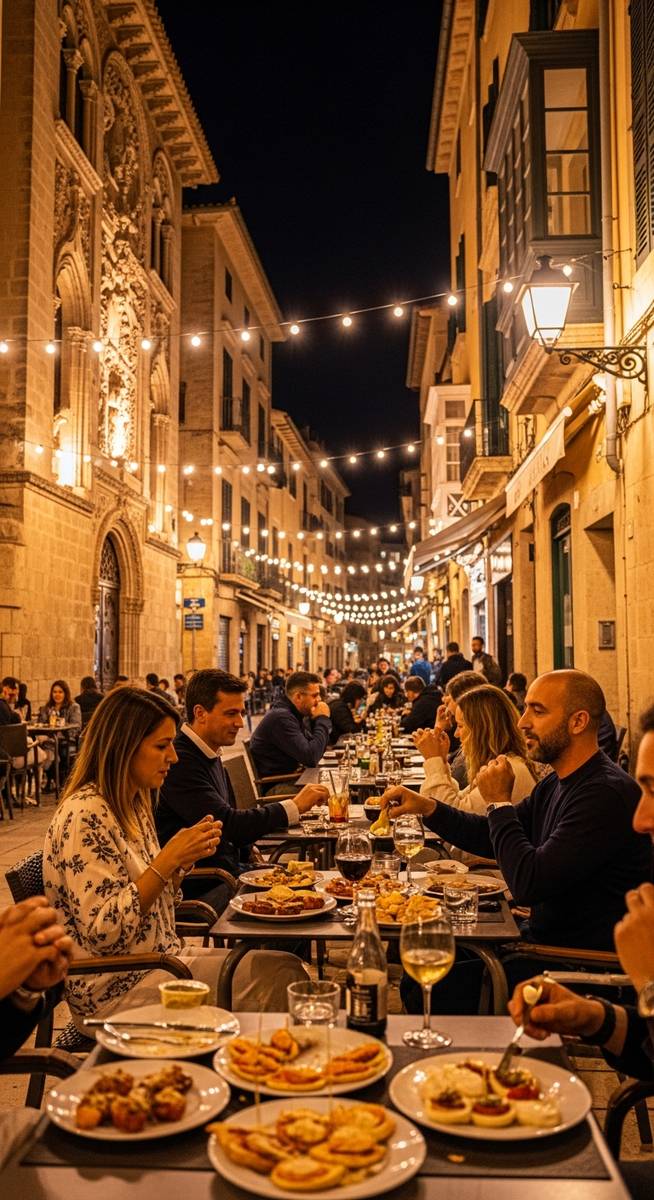
La Lonja is where Palma comes alive after dark, centered around the beautiful 15th-century Lonja building that once housed the city’s maritime exchange. Today, this historic district is packed with wine bars, tapas restaurants, and cocktail lounges that attract both locals and visitors.
The area really hits its stride around 9 PM when Spanish dinner time begins, and the narrow streets fill with people hopping from bar to bar. You’ll find everything from traditional tapas joints serving jamón and manchego to trendy cocktail lounges mixing creative drinks with local ingredients.
For a proper introduction to the local food scene, I recommend this gourmet tapas and wine tour that takes you to the best hidden spots locals actually frequent.
This is also one of the best areas in Palma for late-night fun, with several clubs and live music venues that keep going well past midnight. Even if you’re not a big nightlife person, La Lonja is worth visiting just for the atmosphere and some of the city’s best restaurants.
