
11 Breathtaking Towns to Explore on the Costa Brava

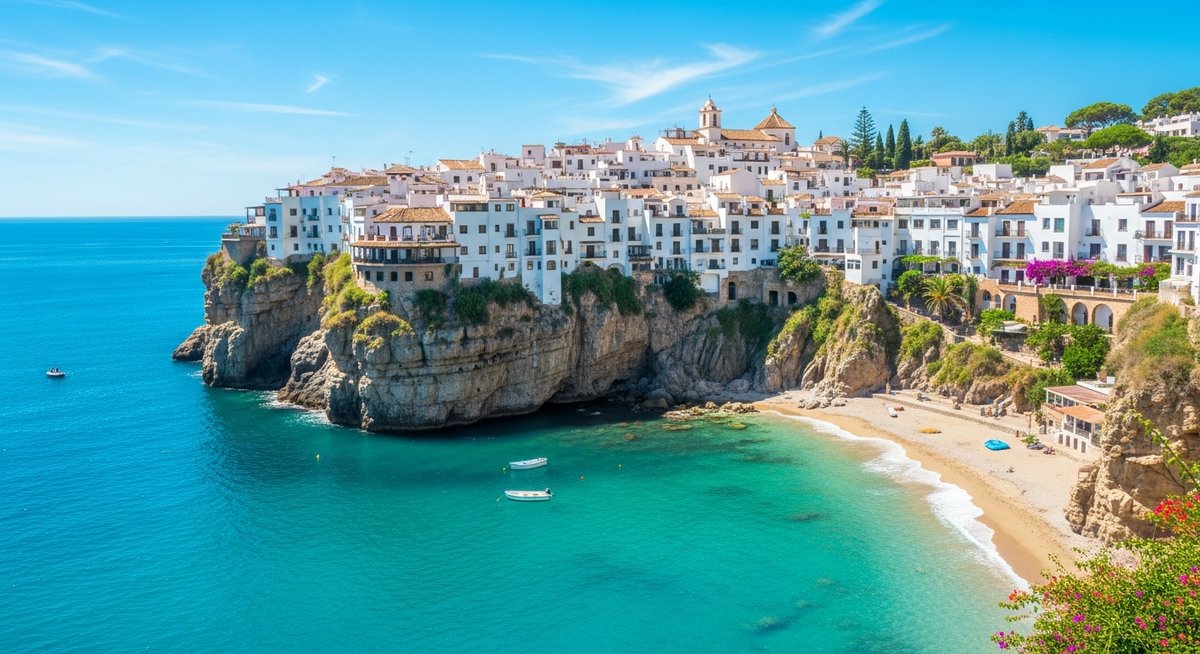
The Costa Brava has stolen my heart more times than I can count. After years of exploring every cove, village, and hidden path along this rugged Catalonian coastline, I’ve discovered that the real magic isn’t just in the famous beaches – it’s in the medieval towns perched on clifftops and the fishing villages where time seems to stand still.
From the artistic legacy of Dalí in Cadaqués to the perfectly preserved stone streets of Peratallada, these towns showcase everything that makes the Costa Brava special. Each one has its own personality, and visiting them is sure to give you a much deeper appreciation for this incredible region than just lounging on the beaches…though there’s nothing wrong with that either!
(By the way, if you’re planning to explore multiple regions of Spain, consider using Trainline for easy train bookings, and don’t miss my ultimate guide to Spanish towns for even more inspiration beyond the Costa Brava.)
Cadaqués
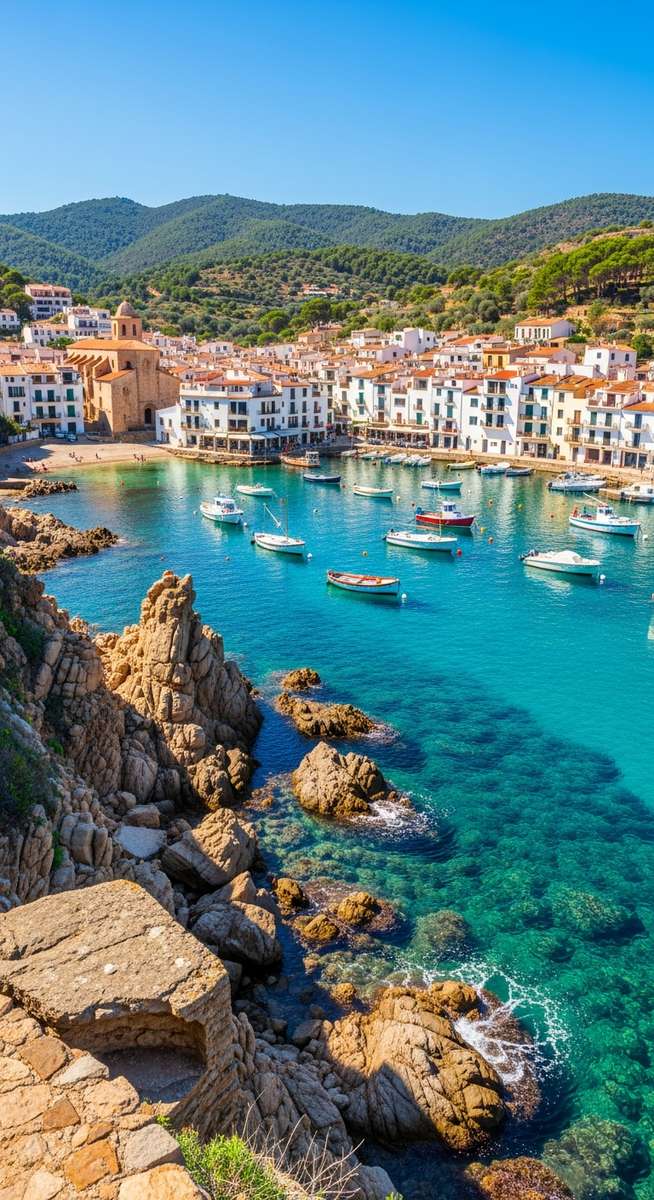
Cadaqués feels like it was painted by an artist – which makes perfect sense given that Salvador Dalí called it home for decades. The white-washed houses cascade down toward a perfect bay, creating one of the most photographed scenes in all of Catalonia.
The town’s narrow cobblestone streets wind up from the waterfront, leading you past art galleries, tiny restaurants, and eventually to incredible viewpoints over the Mediterranean. You can’t miss the Dalí House Museum in nearby Portlligat, where the surrealist master lived and worked – if you’re staying in Barcelona, this Costa Brava day trip includes Cadaqués and gives you fascinating insights into how the landscape influenced his art.
What I love most about Cadaqués is how it maintains its artistic soul despite the summer crowds. The light here really is different, bouncing off the white buildings and crystal-clear water in a way that makes you understand why so many artists have been drawn to this spot over the centuries.
Begur
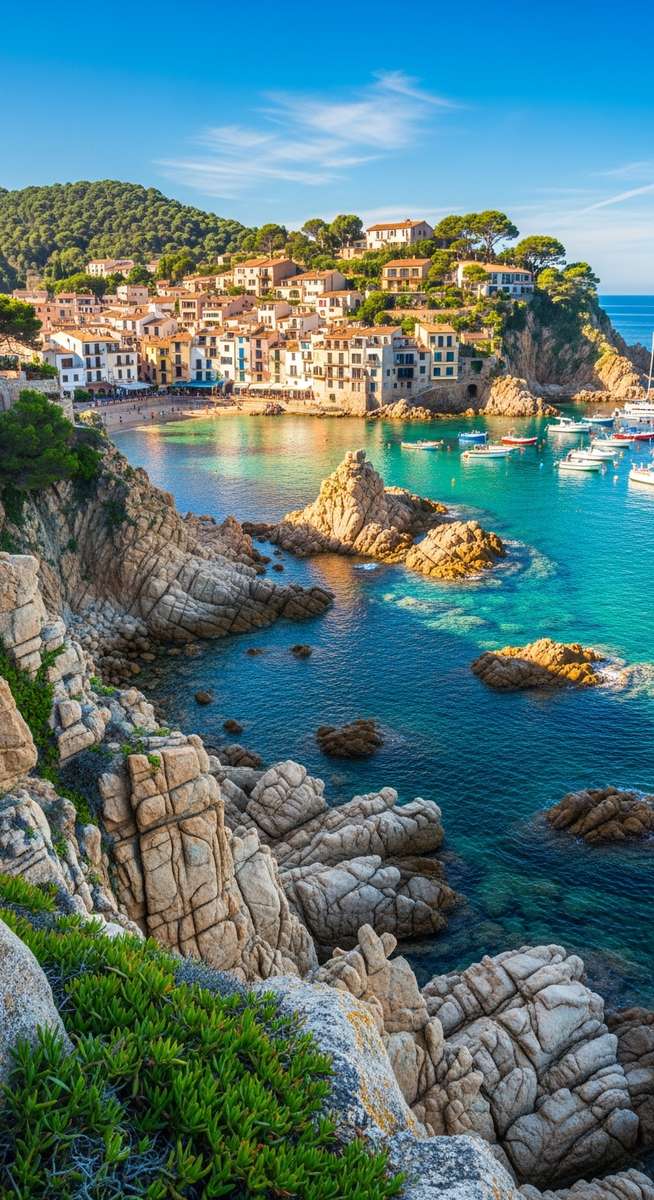
Perched on a hilltop 200 meters (656 feet) above the sea, Begur offers some of the most spectacular views on the entire Costa Brava. The ruins of an 11th-century castle crown the town, while below, some of the region’s most beautiful beaches like Sa Riera and Aiguablava await your discovery.
What makes Begur unique are the “Indian houses” – grand colonial-style mansions built by locals who made their fortunes in Cuba during the 19th century before returning home. These ornate buildings, with their distinctive towers and tropical gardens, create an almost Caribbean atmosphere that’s completely unexpected in a medieval Catalan town.
The old town is perfect for wandering, with stone houses lining narrow streets that suddenly open up to reveal breathtaking sea views. I recommend timing your visit for sunset when the light turns the medieval walls golden and the Mediterranean stretches endlessly toward the horizon.
Tossa de Mar
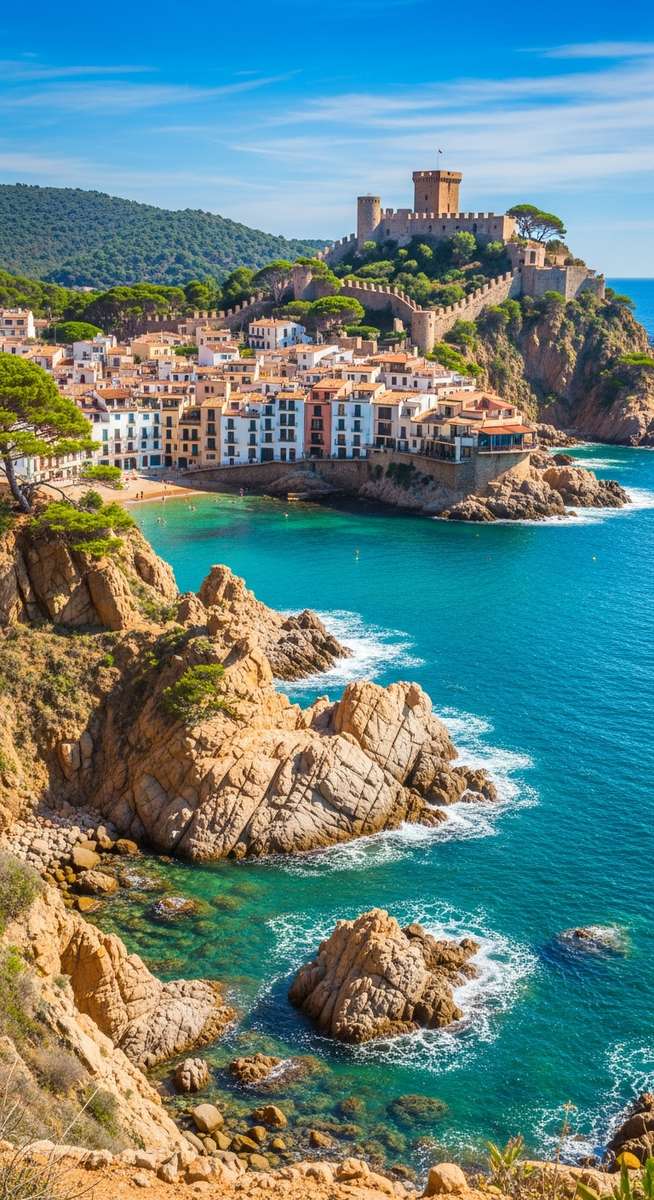
Tossa de Mar is the only fortified medieval town on the entire Catalonian coast, and those ancient walls rising directly from the sea create one of the most dramatic sights you’ll encounter anywhere. The Vila Vella (old town) inside the walls feels like stepping into a fairy tale.
The main beach curves around a perfect bay, but I always recommend climbing up to the lighthouse for the best views. From there, you can see the full sweep of the coastline and understand why this spot has been considered strategically important since Roman times.
What sets Tossa apart from other beach towns is how seamlessly the medieval and modern parts blend together. You can spend your morning exploring ancient towers and narrow alleys, then be swimming in the Mediterranean within minutes – it’s this combination of history and natural beauty that makes it so special.
Roses
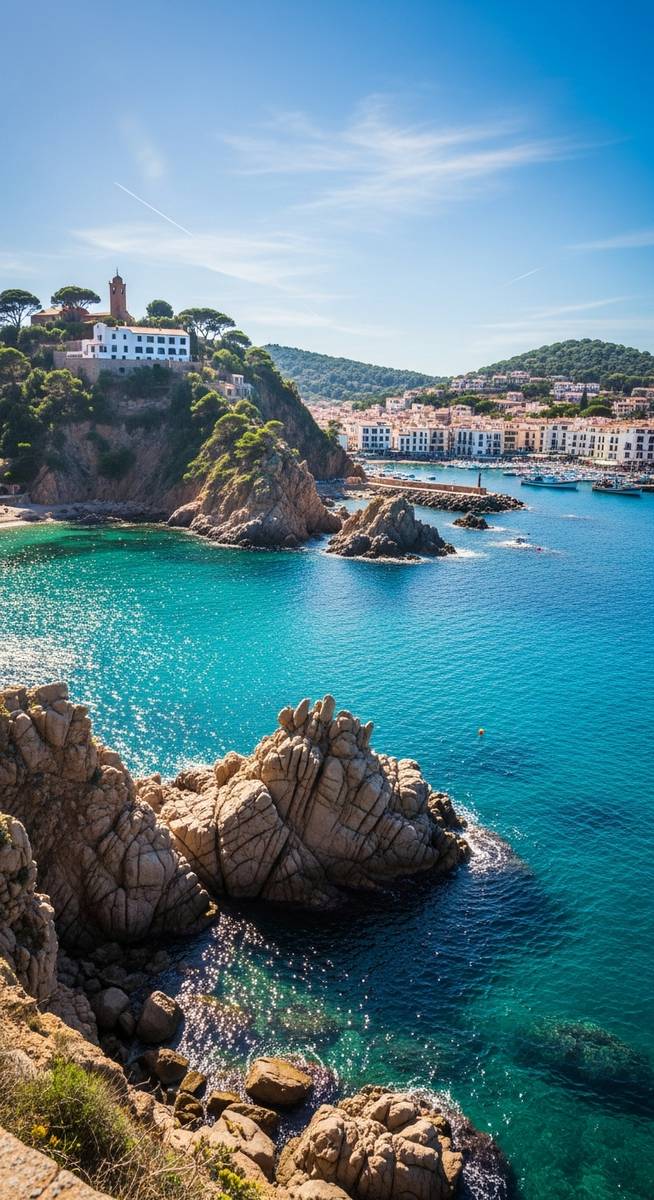
Roses combines ancient history with modern resort amenities in a way that works surprisingly well. The town was founded by the Greeks over 2,500 years ago, and you can still see remains of their settlement alongside the impressive 16th-century Citadel fortress.
The natural harbor has been drawing visitors for millennia, and today it’s filled with pleasure boats and fishing vessels in equal measure. The weekly market fills the town center with local produce, including some of the best seafood you’ll find anywhere along the coast.
What makes Roses special is its proximity to Cap de Creus Natural Park – the easternmost point of the Iberian Peninsula. The landscape here is wild and dramatic, with hiking trails that lead to hidden coves and viewpoints where you can watch the sunrise over the Mediterranean.
Pals
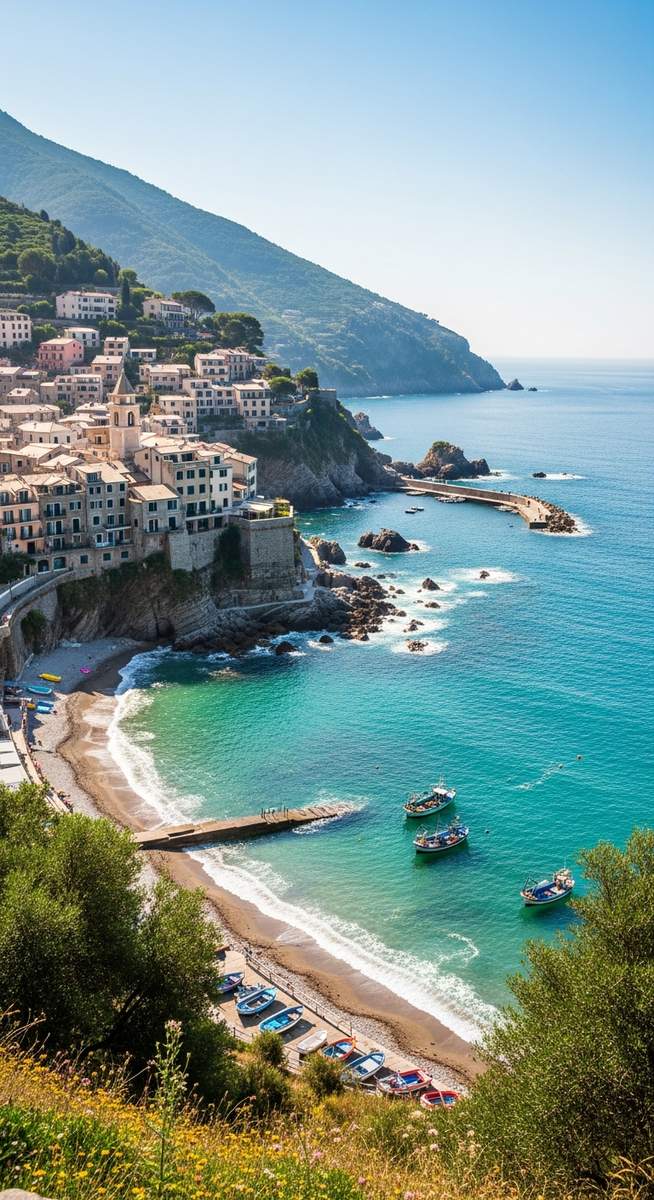
Pals is what happens when a medieval town is so perfectly preserved that it feels like a movie set. Every cobblestone, every arched doorway, every ivy-covered wall looks exactly as it would have 800 years ago.
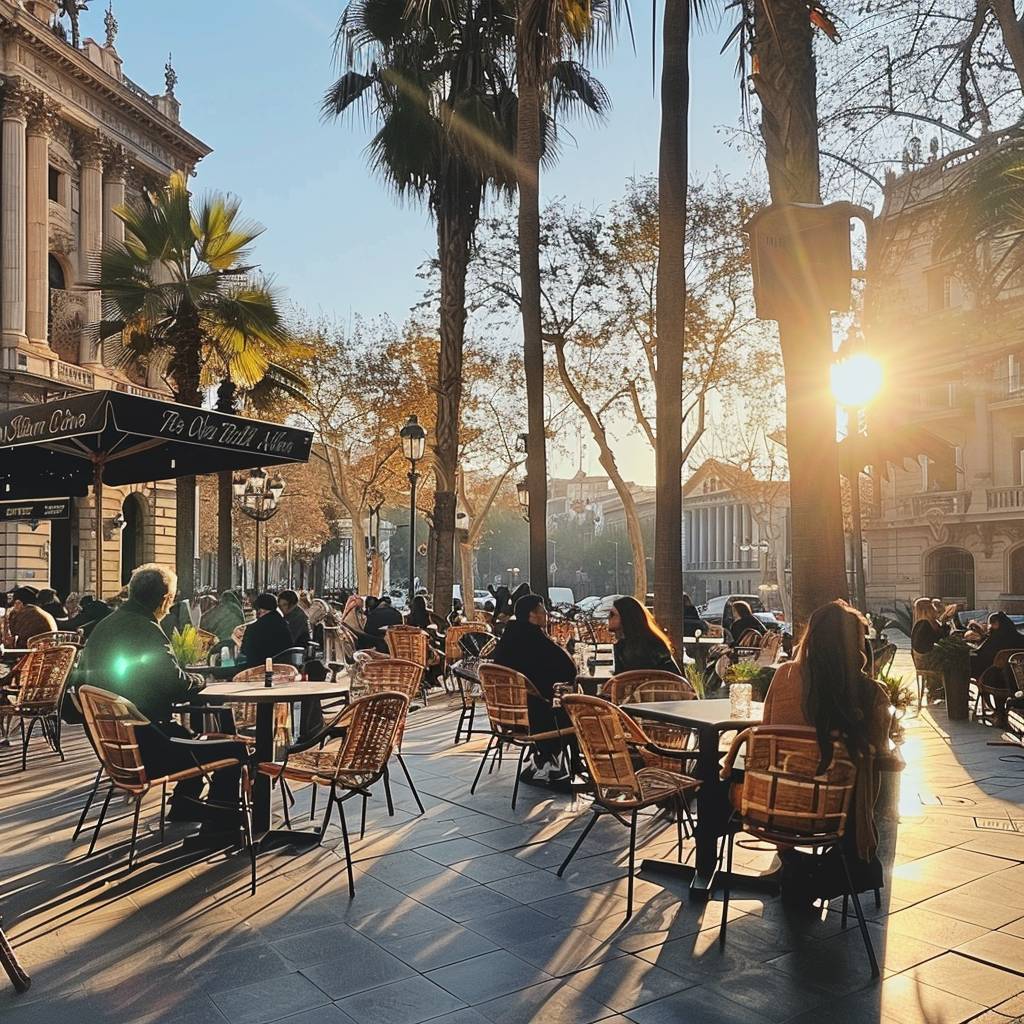
The town sits on a small hill overlooking the Empordà plain, with views that stretch from the rice fields below all the way to the Pyrenees on clear days. The Tower of the Hours, the town’s most recognizable landmark, offers 360-degree views that make the short climb absolutely worth it.
What I find magical about Pals is how quiet it becomes once the day-trippers leave. Stay for dinner at one of the traditional restaurants tucked into the medieval streets, and you’ll have this incredible place almost to yourself as the stone walls glow in the evening light.
Calella de Palafrugell
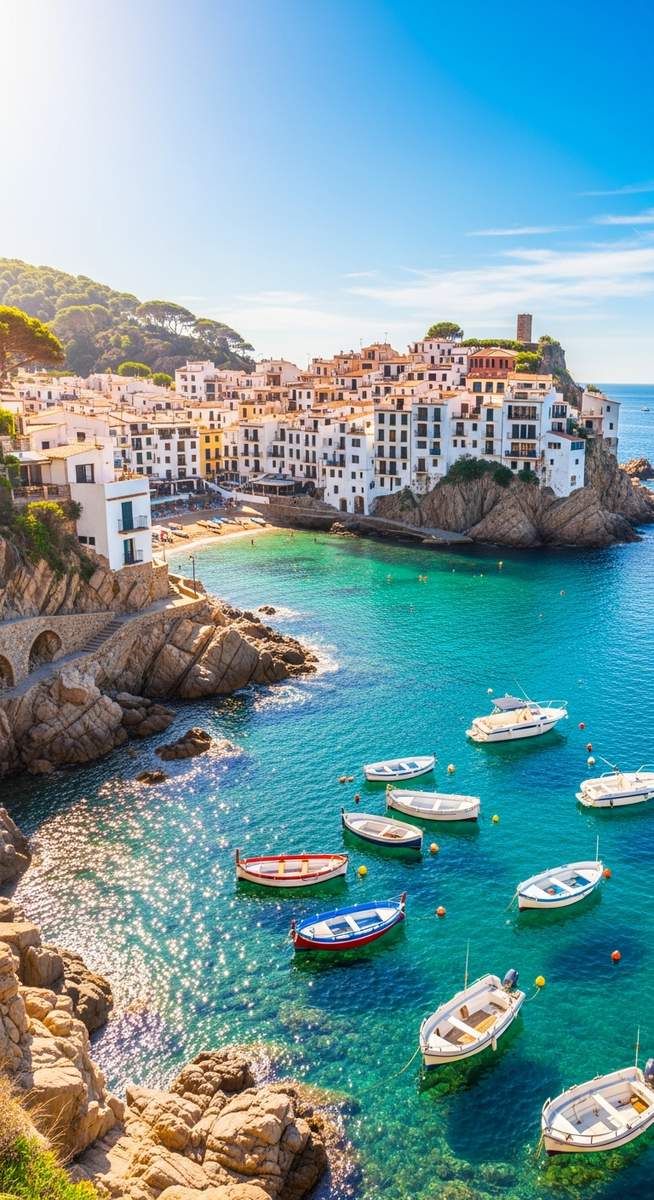
This is my idea of the perfect Costa Brava fishing village. Traditional boats are still pulled up onto the small beaches, fishermen mend their nets in the morning sun, and the whole place feels authentically Catalan rather than touristy.
The famous botanical gardens at Cap Roig are just a short walk away – 17 hectares (42 acres) of Mediterranean plants cascading down clifftops toward the sea. If you’re visiting in summer, try to catch one of the concerts at the Cap Roig Festival, where world-class musicians perform with the Mediterranean as their backdrop.
The coastal path (Camí de Ronda) from Calella leads to hidden coves and dramatic clifftop views that you simply can’t access by car. Pack a picnic and spend the day exploring – you’ll find secluded spots where you can swim in crystal-clear water with hardly another soul in sight.
Peratallada
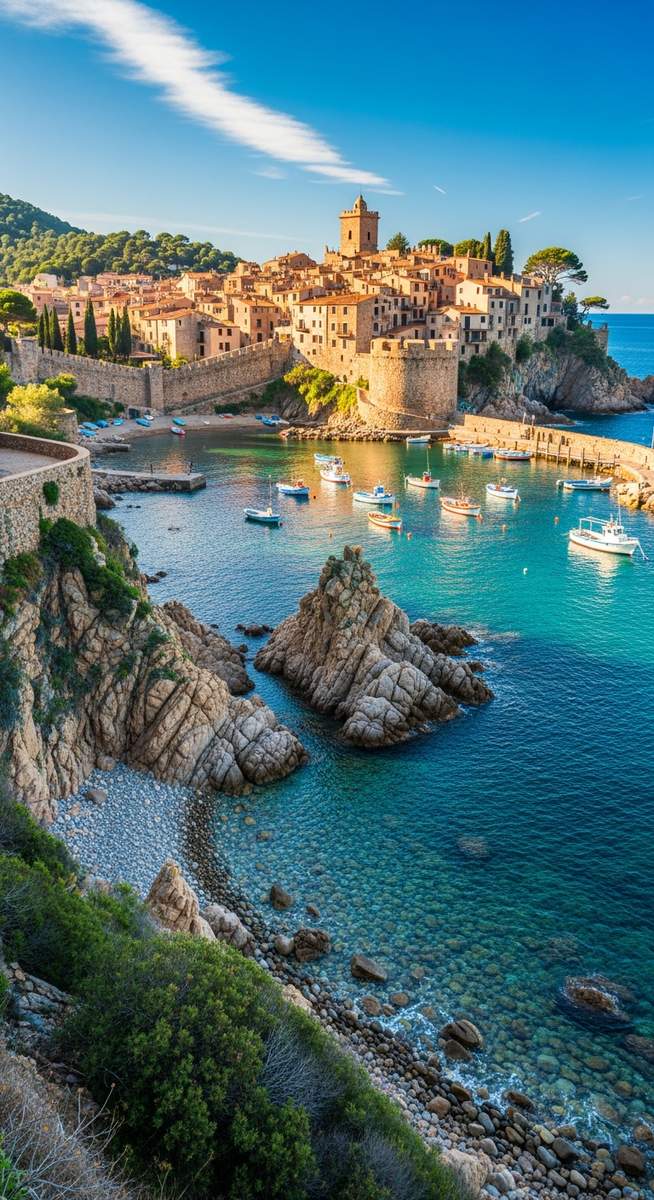
Peratallada might be the most beautiful medieval village in all of Spain – and that’s saying something in a country full of incredible historic towns. The name literally means “carved stone,” and walking through its perfectly preserved streets, you’ll understand why.
Every building is constructed from the same golden stone, quarried right from the moat that still surrounds parts of the village. The result is an architectural harmony that’s simply breathtaking – no modern intrusions, no plastic signs, just pure medieval perfection.
The central plaza comes alive in the evenings when locals gather for drinks and the stone buildings glow in the warm light. It’s small enough to explore in an hour, but I always find myself staying much longer, sitting in a quiet corner and trying to imagine life here centuries ago.
Llafranc
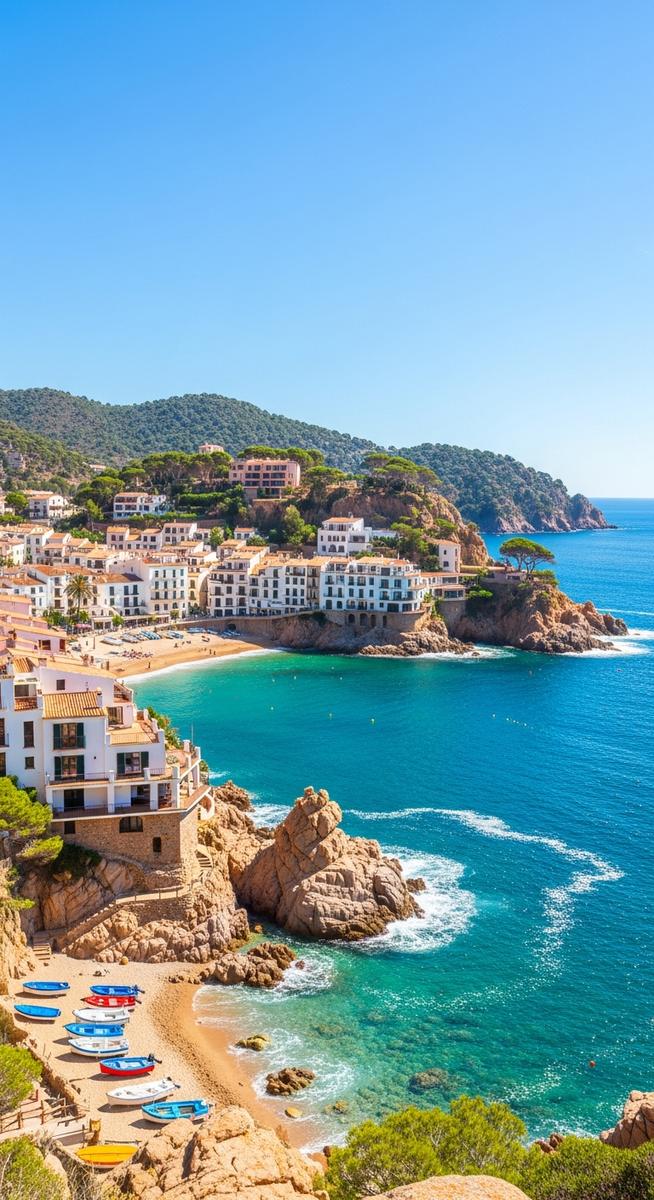
Llafranc has always felt like the sophisticated cousin of the Costa Brava’s fishing villages. The elegant promenade curves around a perfect crescent beach, lined with upscale restaurants and boutique hotels that somehow never feel pretentious.
The walk to the Far de Sant Sebastià lighthouse is one of my favorite short hikes in the region – about 2 kilometers (1.2 miles) of clifftop path with incredible views over the coast. At the lighthouse, there’s a restaurant where you can enjoy fresh seafood while watching the sun set over the Mediterranean.
What I love about Llafranc is how it maintains that relaxed beach town atmosphere despite attracting a more upscale crowd. You’ll find excellent restaurants serving creative takes on traditional Catalan cuisine, but you can still buy fresh fish directly from the boats that arrive each morning.
Tamariu
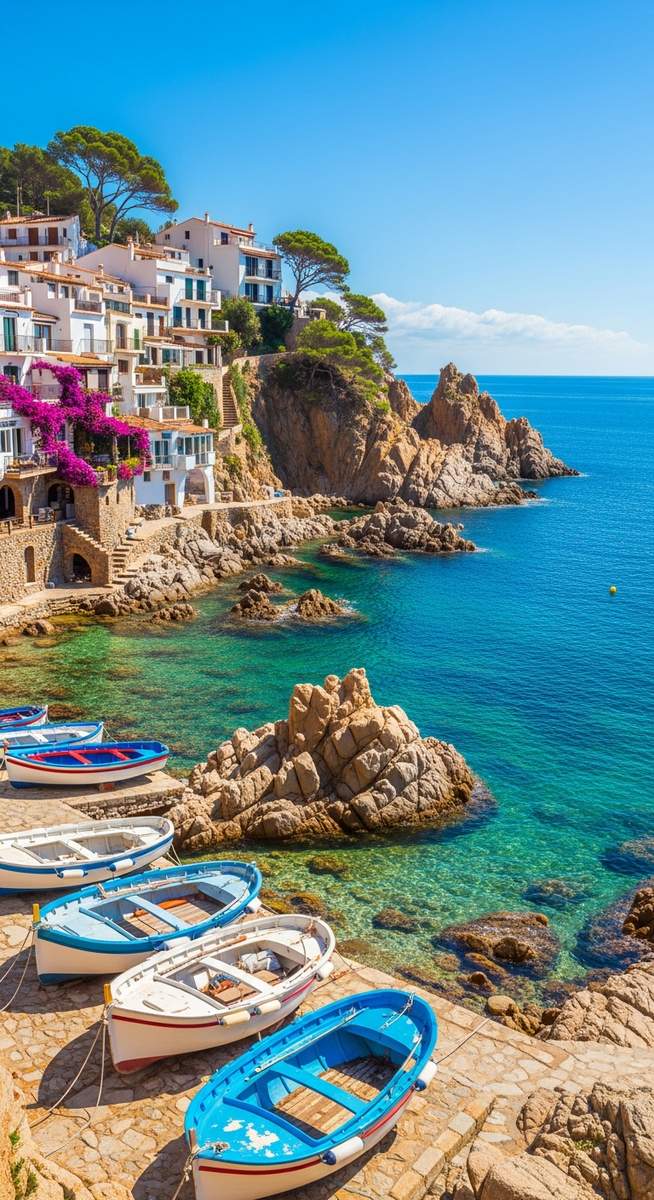
Tamariu is exactly what I picture when I think of a perfect Mediterranean fishing village. The tiny beach is sheltered by pine-covered hills, creating an almost lagoon-like feeling that’s incredibly peaceful and intimate.
The village consists of little more than a curve of white houses facing the sea, a handful of excellent restaurants, and boats pulled up on the sand. It’s remained remarkably authentic – there are no big hotels or flashy developments, just a place where you can truly disconnect and enjoy the simple pleasures of coastal life.
I always recommend staying for lunch at one of the waterfront restaurants, where you can watch the fishing boats come and go while enjoying some of the freshest seafood you’ll find anywhere. The whole place has a timeless quality that makes you want to linger far longer than planned.
Monells
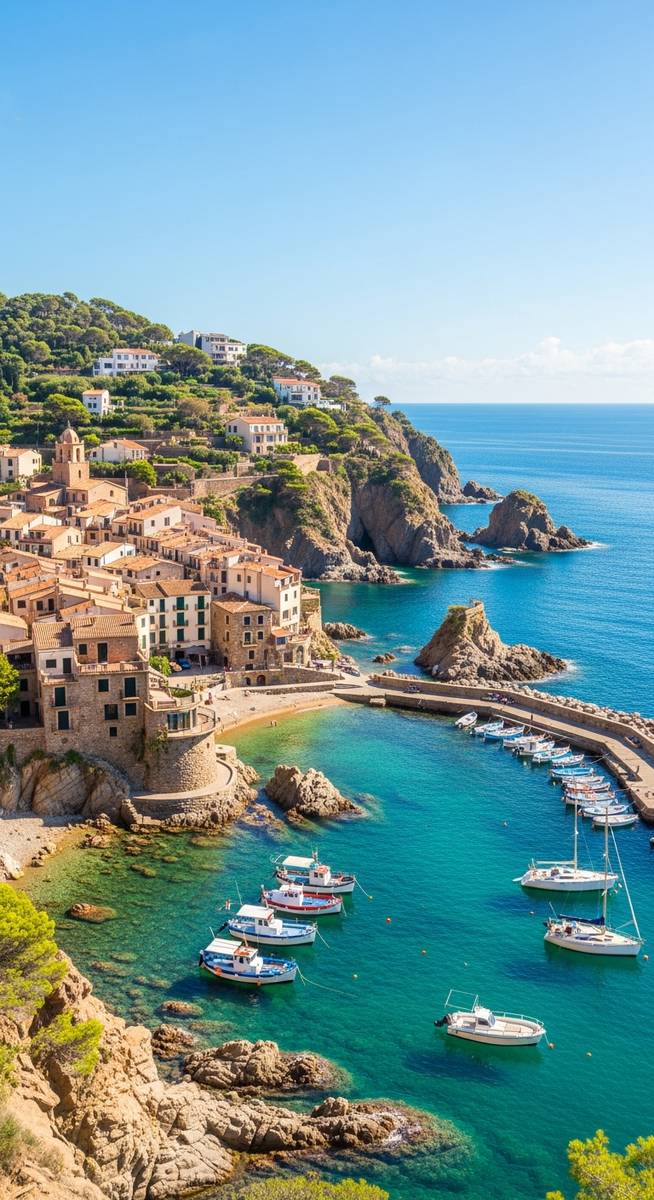
Monells is unlike any other village I’ve encountered – built in a perfect circle around a central plaza, it feels almost magical when you first discover it. The unique layout dates back to medieval times when the entire community was designed for defense.
The Plaça Jaume I at the heart of the village is surrounded by stone arcades and feels like an outdoor living room where the whole community gathers. Market days bring local farmers selling produce and artisans displaying their crafts in this incredible setting.
The village is small enough to explore in 30 minutes, but the peaceful atmosphere and stunning architecture make it perfect for a longer visit. Find a table at one of the restaurants around the plaza and enjoy traditional Catalan dishes while soaking in the medieval atmosphere.
Sant Feliu de Guíxols
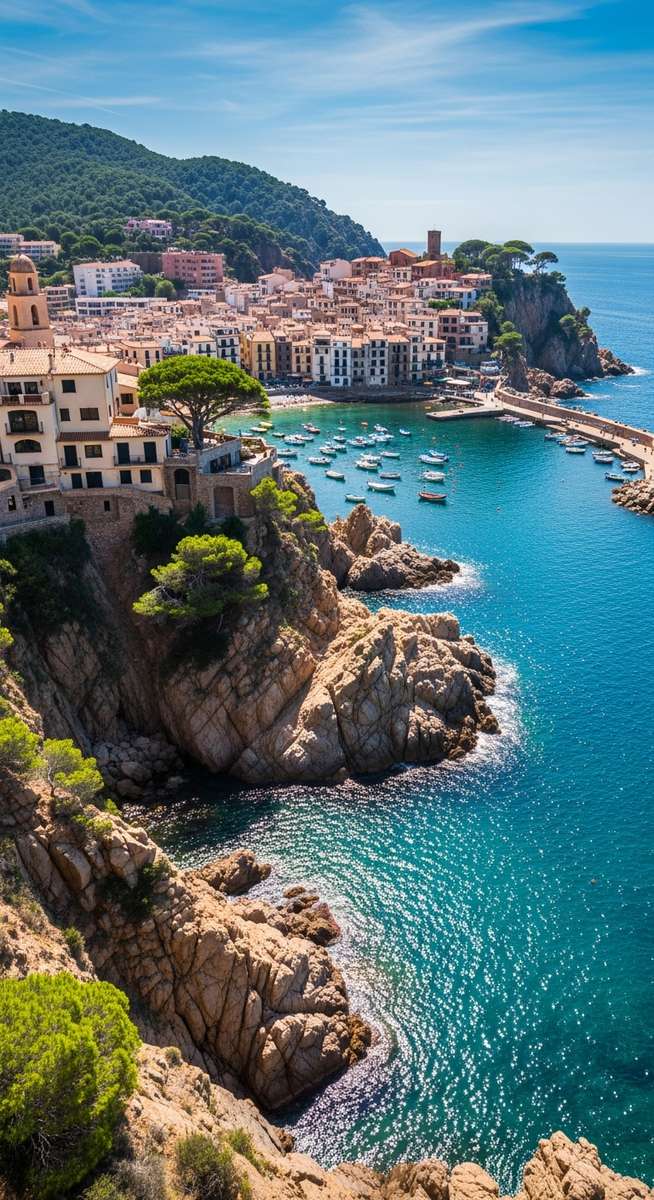
Sant Feliu de Guíxols offers the perfect combination of cultural attractions and beach resort amenities. The magnificent Benedictine monastery, founded in the 10th century, houses an excellent museum that tells the story of this historic port town.
The town stretches along several beaches and coves, each with its own character – from the main family-friendly beach to more secluded spots perfect for swimming and snorkeling. The modernist buildings along the waterfront reflect the town’s prosperity during the cork industry boom of the early 20th century.
What I appreciate about Sant Feliu is how it caters to different types of travelers without losing its authentic character. History buffs will love the monastery and museums, beach lovers have multiple options to choose from, and the excellent restaurants serve everything from traditional Catalan dishes to innovative modern cuisine.
Planning Your Costa Brava Town-Hopping Adventure
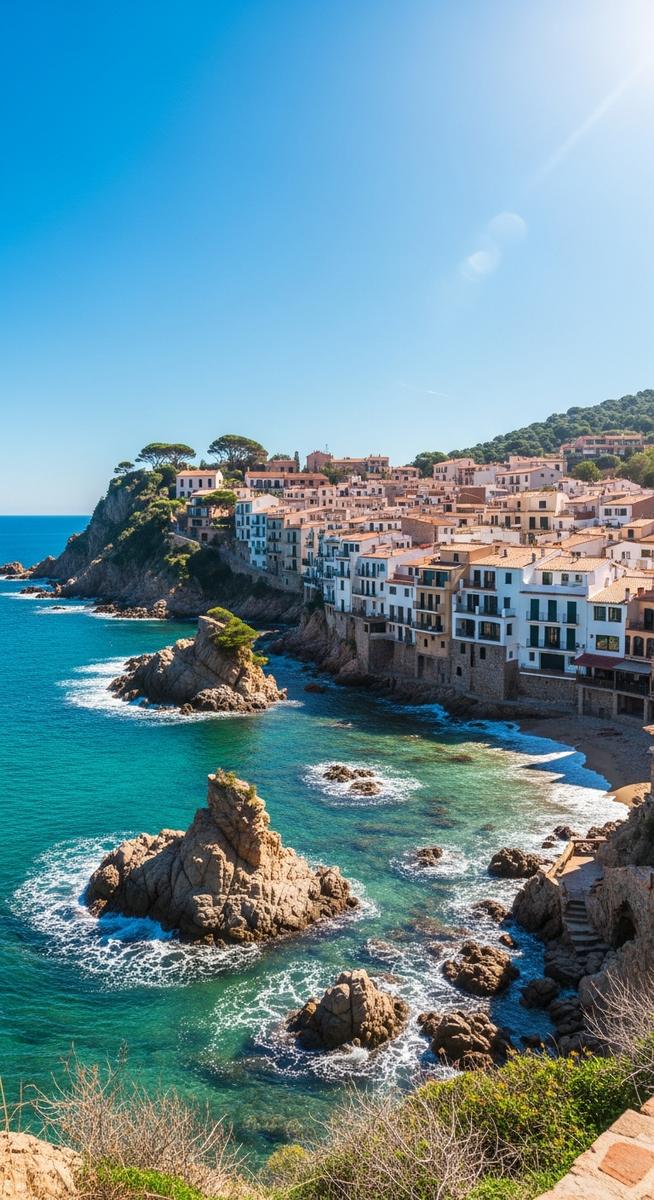
The best time to visit these towns is late spring through early fall, though each season has its charms – winter brings peaceful streets and cozy restaurants, while summer offers perfect beach weather and festival season. Most towns are easily accessible by car, and the coastal road (GI-682) connects many of them with spectacular views – make sure you have travel insurance sorted before your trip.
I’d recommend choosing 3-4 towns for a week-long trip rather than trying to see them all – each deserves time to explore properly, and part of the Costa Brava experience is slowing down and savoring the Mediterranean pace of life. For accommodation tips, check out my guide on where to stay in Barcelona if you’re using the city as your base, though staying directly on the Costa Brava gives you a more authentic experience.
Whether you’re drawn by history, beaches, cuisine, or simply the chance to experience authentic Catalan culture, these towns represent the very best of what makes the Costa Brava so special.
