
10 Essentials to Pack for Spain in Fall and Winter

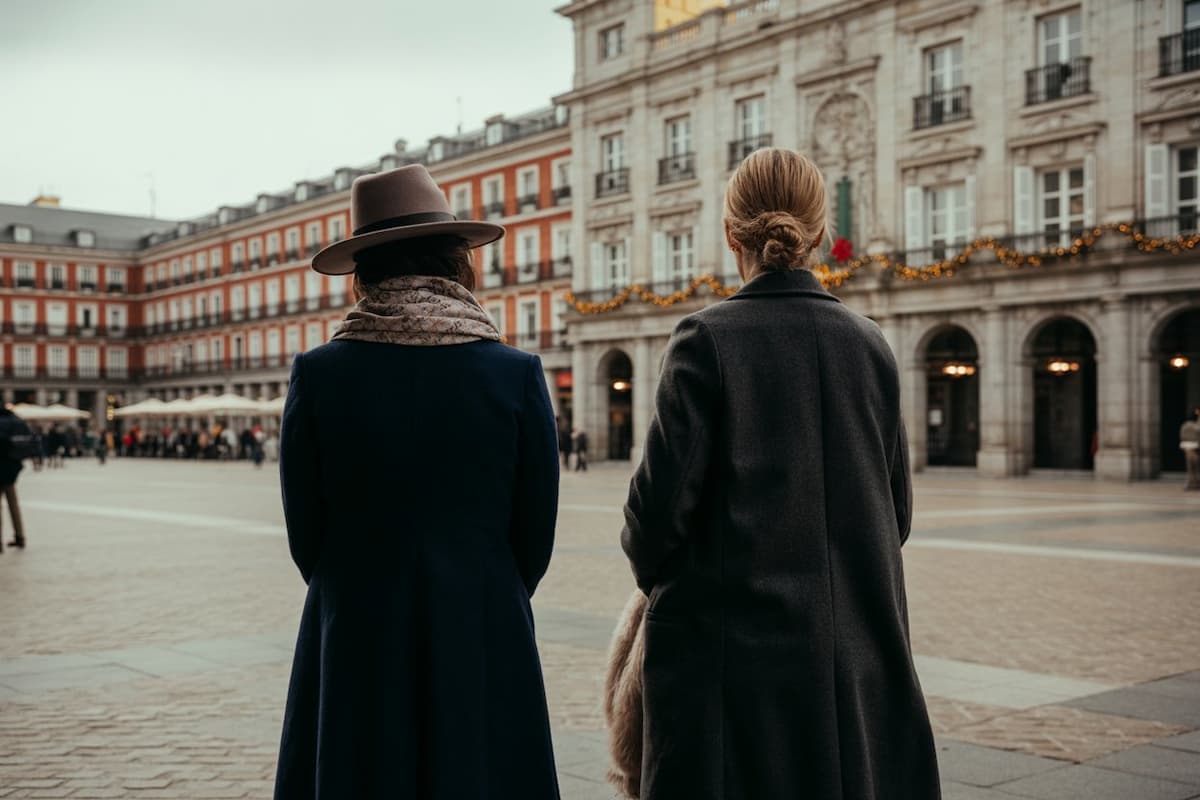
Packing for Spain in fall and winter can be a bit tricky, as the weather changes so much depending on where you’re going, and you’ll want to be ready for both chilly mornings and sunny afternoons.
Heading to the north? Get ready for some genuinely cold weather, especially if you’ll be in the mountains. More in the south? Then you’ll get some fresh mornings, but careful not to overpack for the relatively mild temperatures you’ll likely face.
Whether it’s your first visit or you’ve been before and want to pack smarter, having the right items makes all the difference. This list of what to pack for Spain in fall and winter will help you stay warm, comfortable, and ready for anything.
(And I actually have a whole guide on what NOT to pack for Spain, just FYI…)
1. Essential Layers for Spain’s Changing Weather
The key to dressing for Spanish fall and winter is layering – temperatures can swing from 5°C (41°F) in the morning to 18°C (64°F) by afternoon. Pack lightweight merino wool base layers that you can easily add or remove as the day progresses.
A good mid-layer like a fleece or light down jacket works perfectly for most of Spain’s interior regions. If you’re wondering about specific clothing choices, check out my guide on what to pack and outfit ideas for Spain – there’s a lot of helpful stuff there for this time of the year but, in particular, the layering principles apply year-round.
2. Waterproof Jacket and Rain Gear
Spanish weather can be unpredictable, especially along the northern coast and in mountain regions. Before you pack, it’s worth checking my detailed guide on Spain’s weather patterns at this time of the year to understand what you might encounter.
I recommend getting a quality packable rain jacket like this one, which offers excellent waterproofing without the bulk. This jacket offers reliable waterproofing and rugged durability, making it a practical choice for those who value value, without cutting too many corners.
3. Comfortable Walking Shoes for Cobblestones
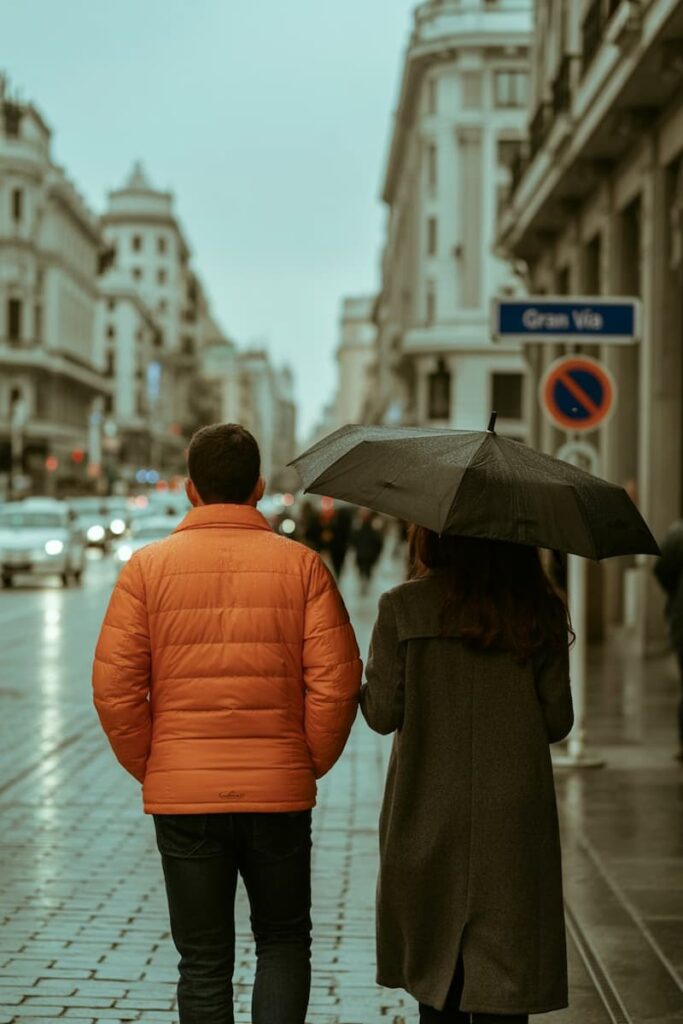
Spain’s historic city centers are full of cobblestone streets that become slippery when wet. For walking around Spanish cities, I recommend waterproof walking shoes with good grip – brands like Merrell or Hoka also offer excellent options that’ll keep your feet dry and comfortable after a full day of sightseeing.
Pack a second pair of shoes for evenings out, as Spanish dining culture tends to be more formal than casual tourist gear.
And since you’ll likely be moving between cities frequently, don’t forget to book your train tickets early – Trainline makes it easy to secure the best prices for Spanish rail travel.
4. Warm Accessories for Mountain Regions
If your itinerary includes places like the Pyrenees, Sierra Nevada, or even higher elevation cities, you’ll need proper winter accessories. My ten-day Spain itinerary covers some of these varied regions and the different packing needs they require.
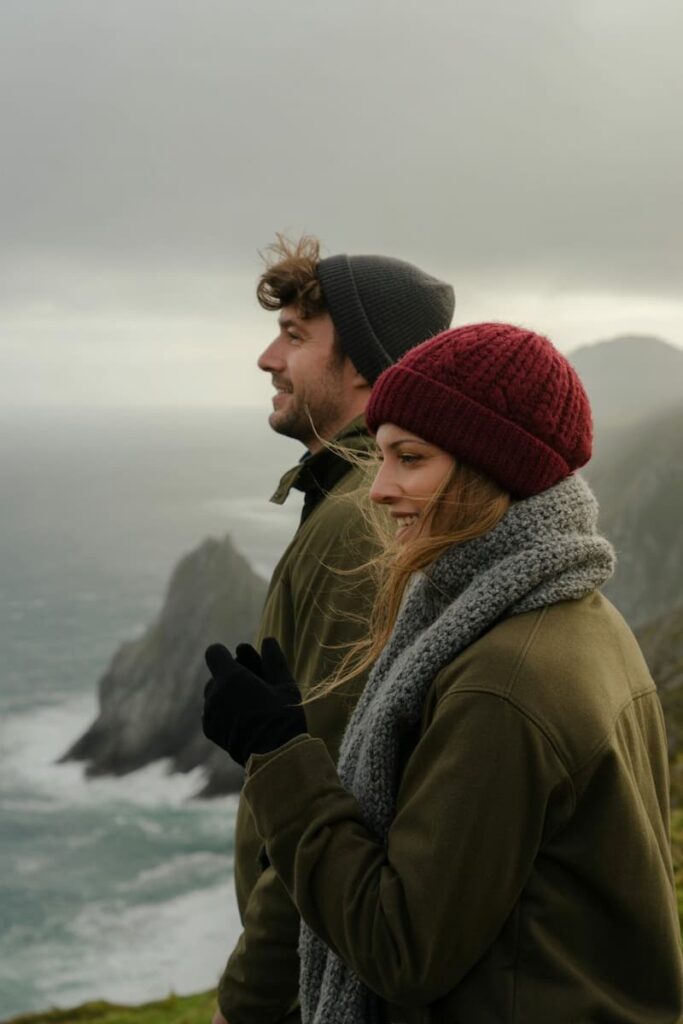
Pack a warm hat, gloves, and a scarf that you can easily stuff into your daypack. Even in milder regions, Spanish buildings often have limited heating compared to what you might expect, so these accessories become useful for keeping warm indoors as well as out.
5. Light Sweaters for Mild Mediterranean Days
The Mediterranean coast maintains relatively warm temperatures, but evenings can get chilly. If you’re focusing on southern Spain specifically, my guide to the best places to visit in southern Spain covers the climate variations you can expect in different coastal and inland areas.
Pack 2-3 lightweight sweaters that you can mix and match with your other clothes. Cotton or cotton blends work well for the coast, while wool is better for inland areas where temperatures drop more significantly.
6. Formal Attire for Spanish Dining Culture
Spanish restaurants, especially for dinner, tend to be more formal than casual tourist spots. Pack at least one nice outfit that would be appropriate for a quality restaurant or cultural event.
This doesn’t mean you need to bring a three-piece suit, but clean jeans or chinos with a collared shirt will serve you well. Spanish people take pride in their appearance, and you’ll feel more comfortable when you’re appropriately dressed.

7. Camera Gear for Golden Hour Photography
Fall and winter provide some of the best lighting conditions for photography in Spain. The sun sits lower in the sky, creating that golden hour light that lasts much longer than in summer.
Bring extra batteries since cold weather drains them faster, and consider a lens cloth for wiping away moisture. The light during these seasons makes even ordinary Spanish streets look incredible.
8. Portable Chargers and Tech Essentials
Spanish accommodations don’t always have convenient charging points near the bed, and you’ll likely use your phone more for navigation during shorter daylight hours. I highly recommend the Anker PowerCore 10K portable charger – it’s compact, travel-ready, and provides reliable power for multiple device charges.
Bring a universal adapter that works with European outlets. Many newer accommodations have USB charging ports, but older hotels and guesthouses might only have standard European plugs.
9. Medications and Health Supplies
Pharmacies in Spain are helpful, but they might not carry the exact brands you’re used to. Pack any regular medications plus basic supplies like pain relievers and stomach medicine.
Bring hand lotion and lip balm since Spanish winters can be quite dry, especially in inland areas. The combination of heating indoors and cool, dry air outside can be tough on your skin.
10. Luggage That Works for Train Travel
Spain’s train system is excellent for getting around, but stations often have stairs and limited elevator access. Choose luggage with four wheels that rolls smoothly over various surfaces.
Pack everything in one main bag if possible – juggling multiple pieces becomes tiresome when you’re moving between cities frequently. A small daypack for daily essentials is all you need as a second bag.
Regional Considerations by Destination
Northern Spain requires the warmest clothing, with temperatures that can drop near freezing. The Mediterranean coast stays mild, but you’ll still want layers for morning and evening.
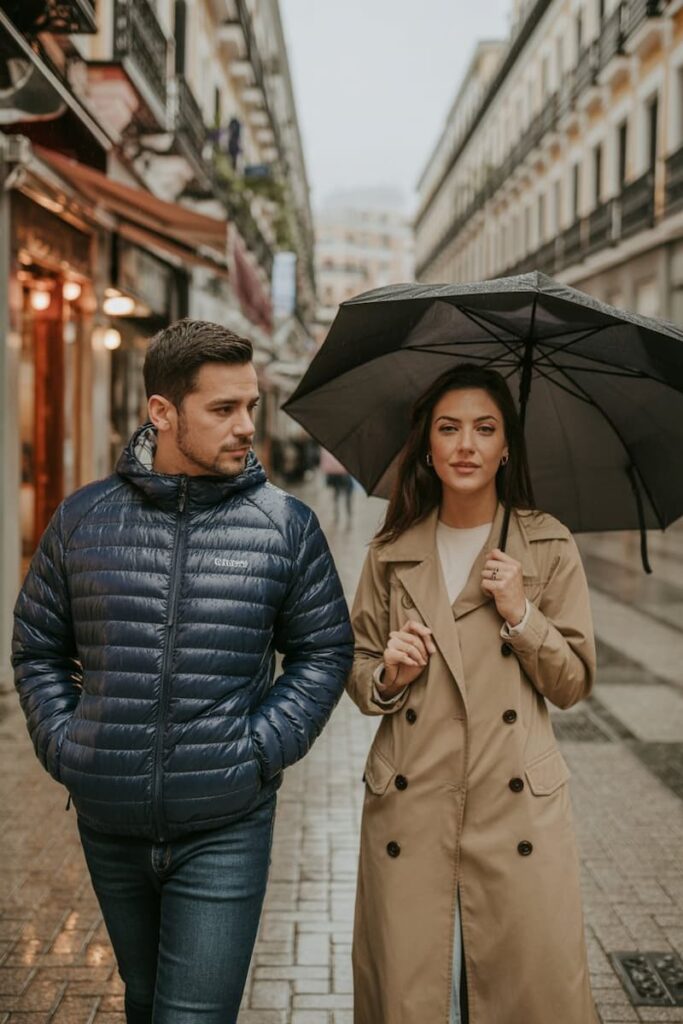
Inland cities like Madrid experience more temperature variation than coastal areas, so pack accordingly if you’re spending time in the capital. For comprehensive destination planning, check out my guide to Spain’s best places to visit which covers climate considerations across different regions.
Mountain regions require proper winter gear regardless of the season, and if you’re planning a longer trip, my two-week Spain itinerary covers how to pack for varied climates across the country.
What to Leave at Home
Skip heavy winter coats unless you’re specifically going to mountain areas – they take up too much luggage space for the mild temperatures you’ll encounter. Leave behind summer clothes like shorts and tank tops.
Finally, don’t pack too many shoes since Spanish stores have excellent options if you need something specific.
