
17 Essential Travel Tips for First-Time Visitors to Spain

Planning a trip to Spain? After living in Valencia for years and exploring every corner of this incredible country, I’ve learned what actually matters when you’re traveling here.
These aren’t your typical tourist tips – they’re the real-world advice that’ll make your Spanish adventure smoother, cheaper, and way more authentic.
1. Learn Basic Spanish Phrases Before You Go
You don’t need to be fluent, but knowing a few key phrases will completely change your experience. Start with “¿Habla inglés?” (Do you speak English?), “¿Dónde está…?” (Where is…?), and “La cuenta, por favor” (The bill, please).
Spanish people really appreciate when you make an effort, even if your pronunciation isn’t perfect. They’ll often switch to English if they can, but that initial attempt in Spanish opens doors everywhere.
2. Embrace the Spanish Eating Schedule
Forget everything you know about meal times – Spain operates on its own schedule. Lunch happens between 2-4 PM, and dinner starts around 9-10 PM (sometimes later on weekends).
Many restaurants close between 4-8 PM, so don’t expect to grab an early dinner at 6 PM. Plan your sightseeing around these hours, or you’ll find yourself hungry with nowhere to eat.
3. Book Accommodation in City Centers When Possible
Staying in the heart of Spanish cities saves you time, money, and gives you the authentic experience you’re after. For example, in Barcelona, I recommend checking out the safest areas to stay and the best neighborhoods for first-time visitors.
You’ll walk to major attractions, stumble upon great tapas bars, and feel like a local rather than a tourist. Plus, you’ll avoid those expensive taxi rides back to distant hotels after late Spanish dinners.
4. Use Spain’s Excellent Train System
Spain’s train network is one of Europe’s best – the AVE high-speed trains will get you from Madrid to Barcelona in just 2.5 hours. Book tickets online through Trainline’s app as it’s in English, will compare options across all Spanish train companies, and, well, it just works.
Regional trains connect smaller cities beautifully too. A train from Valencia to Madrid takes about 1.5 hours and costs a fraction of flying, especially when you factor in airport time.
5. Pack for Spain’s Diverse Climate Zones
Spain isn’t just beaches and sunshine – you’ve got everything from snowy Pyrenees to rainy Galicia. Check out my guide on what to wear in Barcelona for style inspiration that works across Spanish cities.
Summers in Andalusia can hit 40°C (104°F), while northern Spain stays pleasantly cool. Also know what not to wear in Barcelona to avoid looking like a tourist – and don’t worry if you’re not going to the Catalan capital, as these tips apply throughout Spain!
6. Download Essential Apps Before Traveling
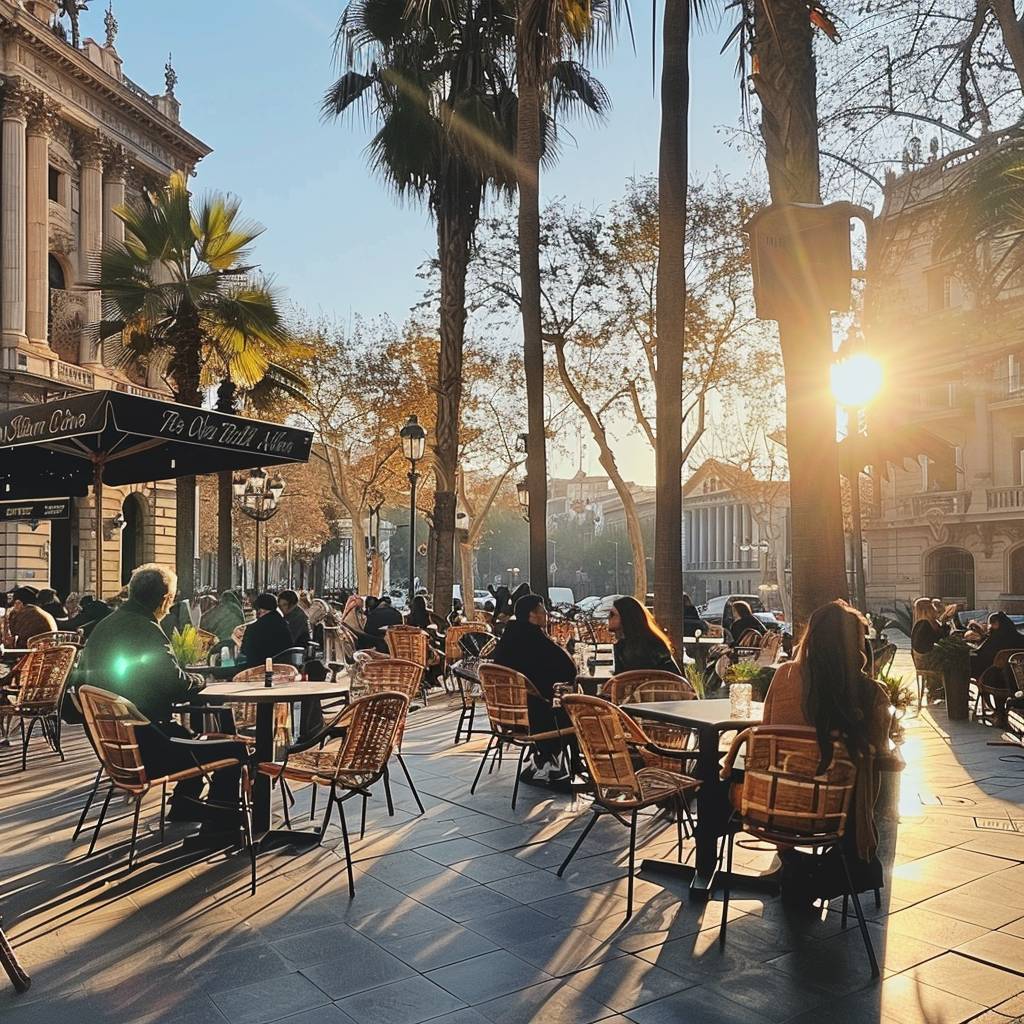
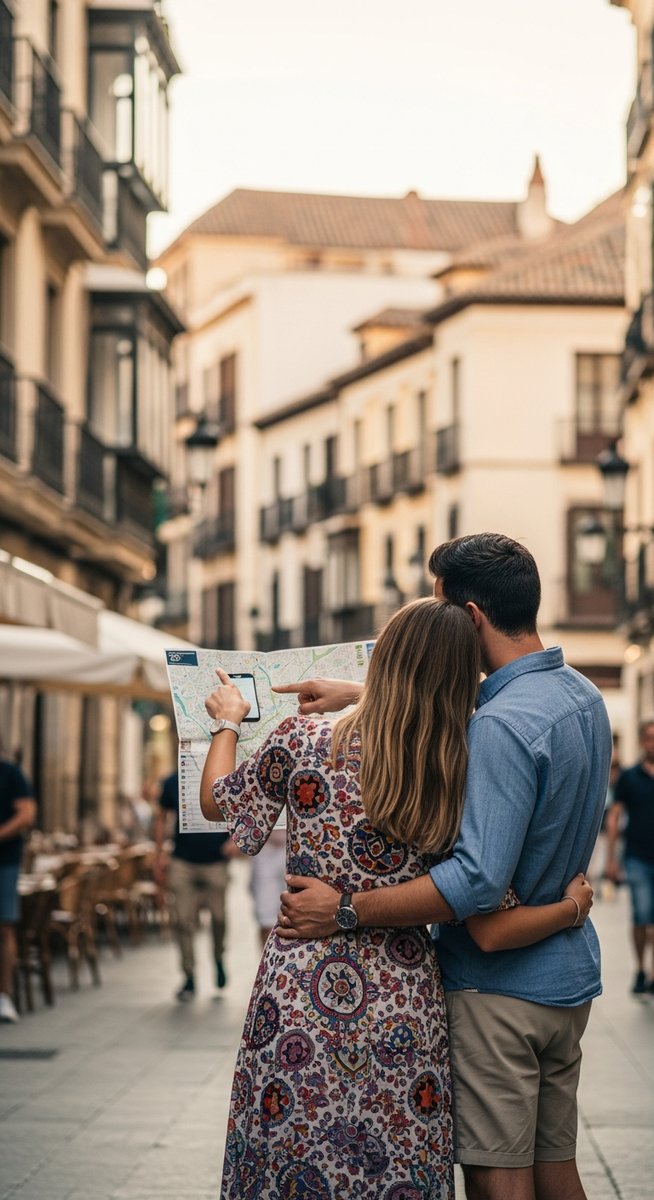
Get Google Translate with the camera feature – it’s a lifesaver for menus and signs. The Trainline app is also essential for train bookings and I’d suggest both Cabify and FreeNow if you think you’ll need a taxi at any point.
Google Maps is another classic, especially if you download offline maps before traveling. I’d also recommend XE if you’re coming from outside the eurozone, for an easy way to see what you’re actually paying for that “great deal” on that souvenir you “have to have”.
7. Understand Tipping Culture and Payment Methods
Tipping in Barcelona – and throughout Spain – is much more relaxed than in the US. Round up to the nearest euro at cafés, leave 5-10% at restaurants if service was good.
Most places accept cards now, but carry some cash for small bars, markets, and rural areas. Contactless payment is everywhere in major cities, making transactions super quick.
8. Plan Around Spanish Holidays and Festivals
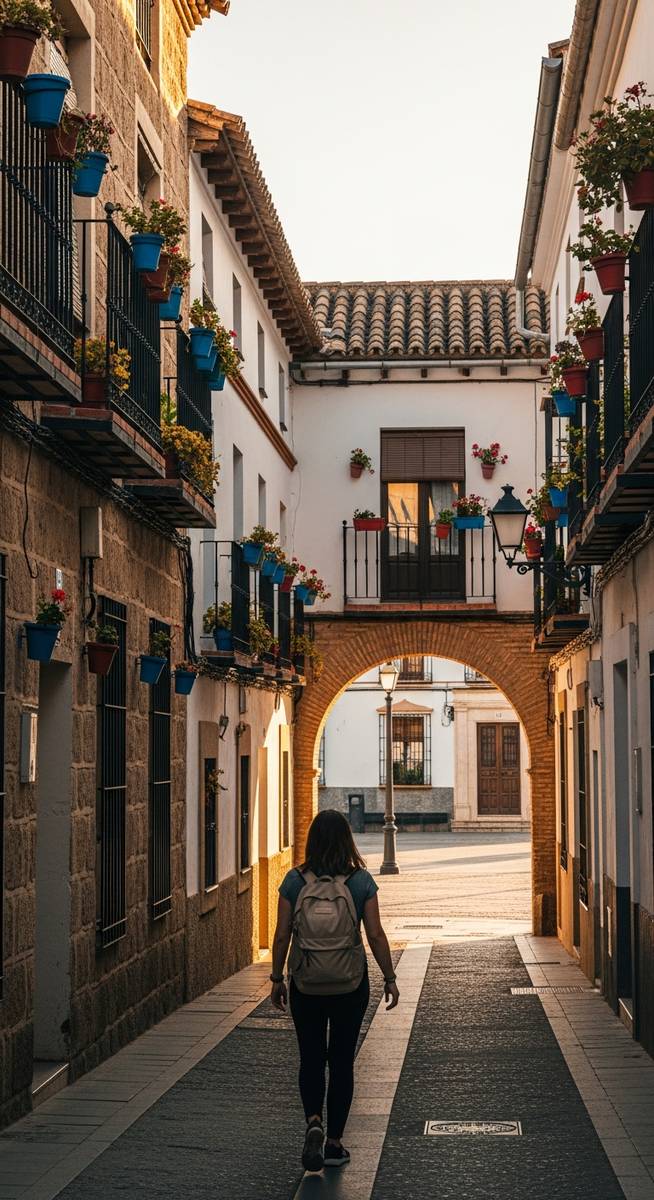
Spanish holidays can shut down entire cities – everything closes on January 6th (Three Kings Day) and during Holy Week (Easter). Regional holidays vary, so check local calendars before you travel.
But here’s the flip side: Spanish festivals are incredible experiences. For instance, I highly recommend taking in a Flamenco show in Seville to experience authentic Andalusian culture, especially during festival season.
9. Master Spanish Public Transportation
Metro systems in Madrid and Barcelona are efficient and cheap – get a 10-trip card rather than buying single tickets. Most signs are bilingual, and stations are clearly marked.
On the other hand, for a stress-free introduction to transport in either city, consider a hop-on hop-off bus tour that connects all major attractions while you get your bearings.
10. Know the Pharmacy and Healthcare System
Spanish pharmacies (farmacias) have green crosses and can help with minor health issues – plus, as an added bonus, pharmacists often speak some English. They’re everywhere and stay open late in rotation.
For emergencies, call 112 (European emergency number). Public healthcare is excellent, but travel insurance is still smart for peace of mind.
11. Respect Regional Differences and Languages
Spain has several official languages in addition to Castilian Spanish, including Catalan, Basque, and Galician. In Catalonia and the Basque Country in particular, locals appreciate attempts at their regional language.
Each region has distinct culture, food, and traditions. What works in Madrid might not apply in Barcelona – stay flexible and embrace these differences rather than expecting uniformity.
12. Book Popular Attractions in Advance
Skip-the-line tickets for the Sagrada Família, Alhambra, and Prado Museum are essential during peak season. These sell out weeks in advance, especially in summer.
I really can’t emphasize this enough – you will miss out if you don’t plan ahead. Checking as I write this, I can see limited availability for the Sagrada Familia in six weeks. So: you’ve been warned.
13. Explore Beyond the Tourist Trail
Every Spanish city has neighborhoods locals love that tourists never see. In Barcelona, skip Las Ramblas for Gràcia. When going to Andalusia in the south, don’t go only to Marbella, as there are a ton of treasures in that part of the world.
14. Navigate Spanish Grocery Stores and Markets
Spanish supermarkets tend to open quite late these days (usually up to around 9:30pm, although make sure you check this) and have limited Sunday hours. To avoid getting stuck, consider shopping early morning or evening to avoid crowds and ensure everything’s open.
Fresh markets happen most mornings – they’re perfect for fruit, vegetables, and local specialties. This paella cooking class in Barcelona, for example, even includes a market tour which shows you how to shop like a local and discover regional ingredients.
15. Understand Spanish Social Customs
Like anywhere in the world, things may work a little differently here from what you’re used to back home.
For example, personal space is smaller than in Northern Europe or North America. Don’t be surprised by air kisses when meeting people, and expect conversations to be louder and more animated.
It’s all part of the fun of traveling!
16. Budget Realistically for Different Regions
Barcelona and Madrid are significantly more expensive than smaller cities – expect to pay 30-50% more for accommodation and dining. If you’re visiting Barcelona in July, check my complete guide to the city in summer for budget-conscious tips.
Valencia offers incredible value compared to other major cities. My two-day Valencia guide shows you how to experience the best of the city without breaking the bank.
17. Take Advantage of Free Activities and Museums
Many Spanish museums offer free hours – for instance, the Prado is free daily 6-8 PM, while Barcelona’s museums often have free first Sundays. Plan your cultural visits around these times.
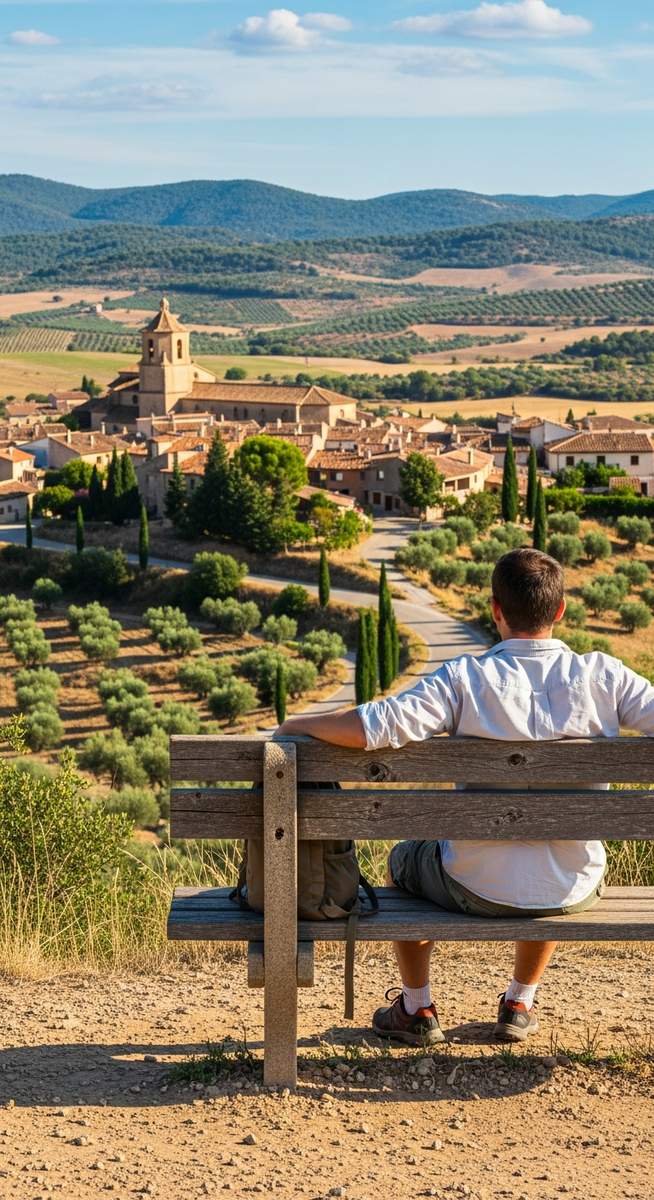
Spanish cities are built for walking, with beautiful architecture everywhere. For guided context without the cost, try a free walking tour available in most major (and not so major) cities in Spain – they’re almost always super interesting, and you just have to tip your guide what you think it’s worth.
Spain rewards travelers who go with the flow rather than fighting the local rhythm. Once you adjust to Spanish time and customs, you’ll understand why so many people fall in love with this country – and never want to leave.
