
Two-Week Spain Itinerary: How to Plan the Perfect Trip

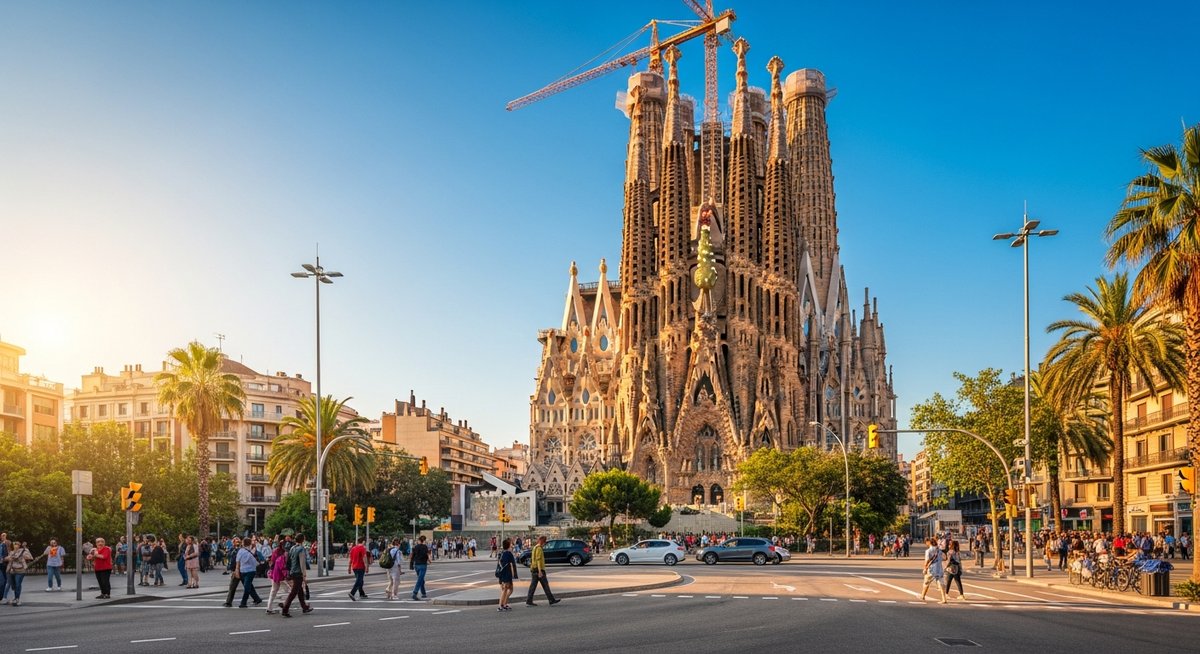
This two-week Spain itinerary takes you from Barcelona’s architectural wonders through Madrid’s world-class museums, down to Andalusia’s Moorish palaces, and finishes in Valencia’s modern marvels. It’s designed to give you the best of Spain without constantly rushing between cities.
After spending years exploring Spain and helping friends plan their trips, I’ve learned that two weeks is the sweet spot for experiencing the country’s incredible diversity. You can really get a feel for each destination while still covering the highlights that make Spain so captivating.
And don’t worry, I’ve made sure that this itinerary follows a logical route that minimizes travel time and maximizes your actual sightseeing. The train connections work beautifully, and you’ll end up with authentic experiences rather than just ticking boxes off a tourist checklist.
Planning Your Spanish Adventure
When to Go
I always tell people that Spain works year-round, but spring and fall are genuinely magical. The weather’s perfect, crowds are manageable, and you can actually enjoy walking around cities without melting.
Summer has its perks – festival season and perfect beach weather – but those southern cities get seriously hot. Winter can be lovely for museum-hopping and avoiding crowds, though some coastal spots quiet down considerably.
Getting Around
Spain’s train system is honestly one of Europe’s best, and it makes this itinerary work so smoothly. The high-speed AVE trains are comfortable, punctual, and much more relaxing than flying between cities.
I always recommend booking through Trainline early for better prices and seat selection. Trust me, having a confirmed seat makes the whole experience much more relaxing.
A Few Practical Things
Get travel insurance – it’s one of those boring things that becomes incredibly important if something goes wrong. SafetyWing has flexible policies that work well for multi-city European trips.
Spanish meal times take some adjustment – lunch is typically 2-4pm, dinner 9-11pm. Many restaurants close between service periods, so plan accordingly or you’ll find yourself wandering around hungry at 5pm.
The tipping situation is pretty relaxed compared to other countries. Service is usually included, but leaving 5-10% for good service is appreciated, not expected.
Days 1–4: Barcelona
Barcelona has this incredible energy that’s hard to describe – it’s sophisticated but relaxed, historic but cutting-edge. Four days gives you time to really soak it up without feeling like you’re racing around with a checklist.
Where to Stay
Location really matters in Barcelona. The Gothic Quarter puts you in the heart of the action with amazing walkability, while Eixample has beautiful modernist buildings and fantastic restaurants.
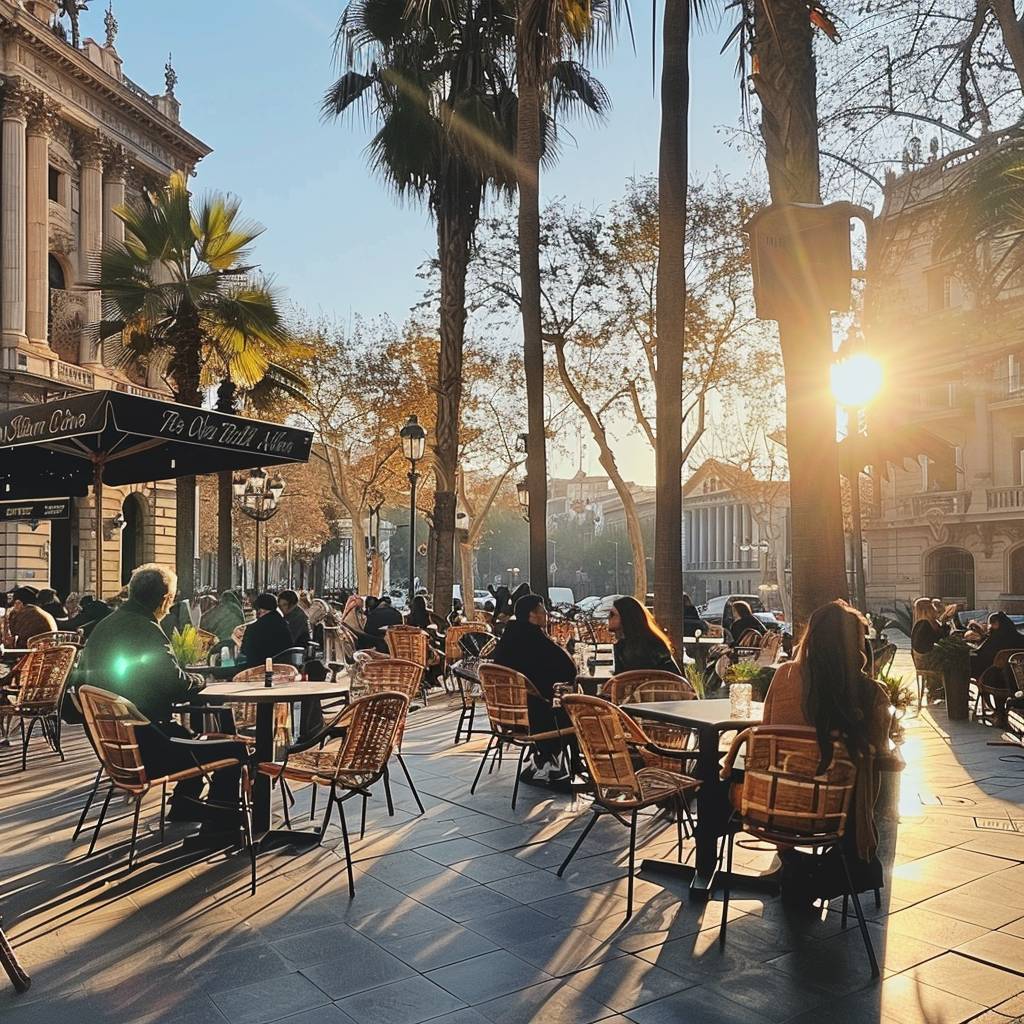
I’ve written about the best neighborhoods for first-time visitors if you want more detailed advice. For something special, Barcelona’s boutique hotels are often in stunning historic buildings with real character.
Safety-wise, Barcelona is very manageable, but it’s worth reading up on the safest areas especially if you’re traveling solo. Most neighborhoods are perfectly fine, but knowing where you’re going always helps.
What to See and Do
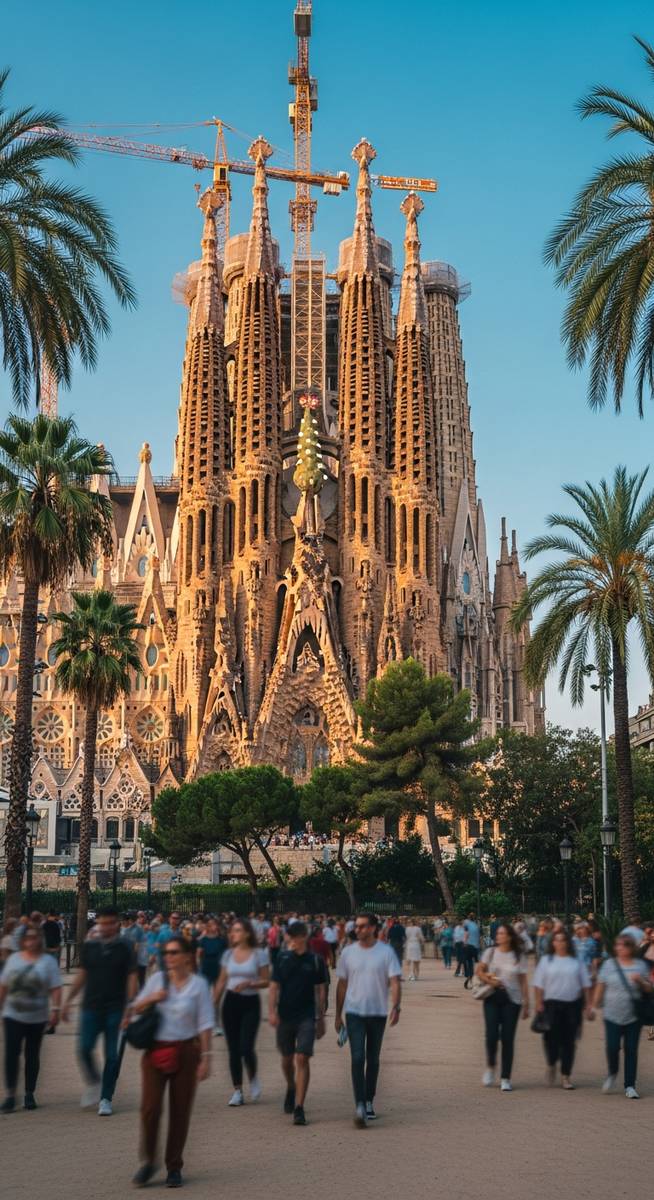
Gaudí’s Greatest Hits Start with the Sagrada Família because, honestly, nothing prepares you for seeing it in person. Skip-the-line tickets are essential unless you enjoy standing in line for an hour.
The interior is like stepping into a forest made of stone, with light filtering through those incredible stained glass windows. It’s been under construction since 1882 and should finally be finished around 2026.
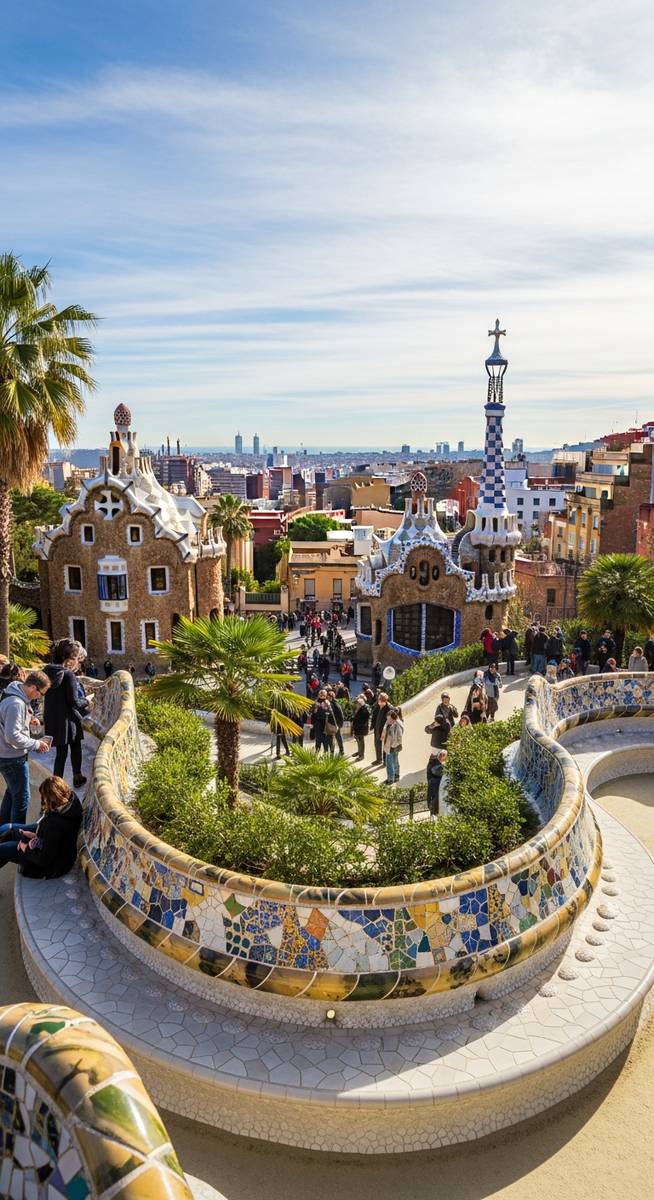
Park Güell is Gaudí’s fantasy world with amazing city views. You need to book ahead because they limit daily visitors, which actually makes the experience much more pleasant.
FYI: If you’re looking to visit both the Sagrada Familia and Park Güell and you’re short on time, you can get skip-the-line entry and a tour of both sights in one day right here.
The Modernist Trail Casa Batlló and Casa Milà are both on the same street, so you can easily see them together. Casa Batlló feels like stepping into an underwater world, while La Pedrera’s rooftop looks like something from another planet.
The Gothic Quarter is perfect for just wandering around without a plan. You’ll stumble across hidden squares, ancient Roman walls, and some of the city’s best tapas bars.
Beach Time Barceloneta Beach is great for a few hours of Mediterranean relaxation. It’s clean, well-maintained, and has good restaurants right on the sand.
Style Notes
Barcelona takes fashion seriously, but not in a stuffy way. I’ve got detailed guides on what works well and what to avoid if you want to blend in with the locals.
Day Trip Options
If you have extra energy, Girona makes a fantastic day trip with its medieval charm and Game of Thrones filming locations (you can even do this Game of Thrones walking tour while there). Sitges is perfect for a beach day with more character than Barcelona’s urban beaches.
Montserrat offers dramatic mountain scenery and a famous monastery about an hour away. The views are spectacular on a clear day.
Take a look at this day trip to be whisked away to Montserrat followed by a historic winery looking over the landscapes – a tough day out, for sure.
Days 5–7: Madrid
Madrid definitely grows on you. For me, it has this sophisticated, lived-in quality that makes you want to sit in cafés and watch the world go by.
The Art Scene
The Prado Museum is genuinely world-class – you could spend days here, but half a day hits the highlights. The Velázquez and Goya collections alone are worth the trip to Madrid.
The Royal Palace is ridiculously opulent – 3,400 rooms of royal excess. The throne room and royal armory are the standouts.
Parks and Neighborhoods
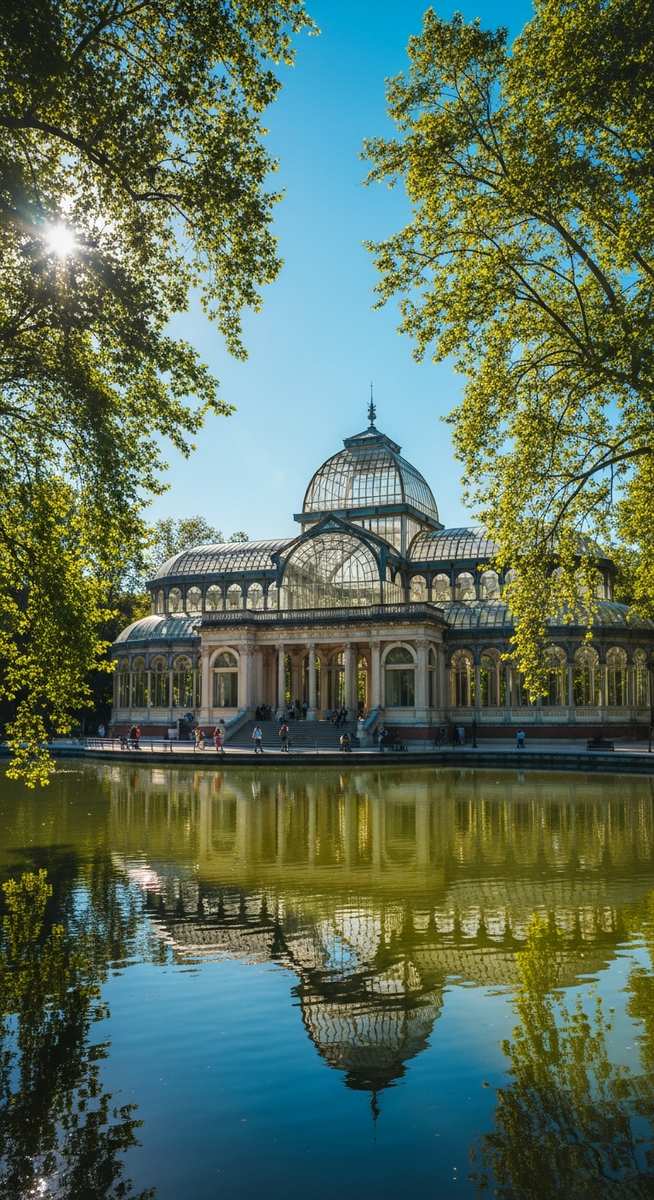
Retiro Park is Madrid’s Central Park, perfect for afternoon strolls and people-watching. The Crystal Palace inside the park is Instagram gold, especially with afternoon light.
Gran Vía has that classic European boulevard energy with great shopping and architecture. Puerta del Sol is tourist-central but worth seeing as Spain’s official center point.
Toledo Day Trip
Toledo is only 30 minutes away by train and feels like stepping back 500 years. The cathedral is stunning, and the city’s position above the river creates dramatic views.
It’s one of those places that’s almost too picture-perfect to be real. You can easily do it as a day trip, though staying overnight lets you experience it without the day-tripper crowds.
Want the ultimate day trip from Madrid – all organized for you? Check out this day trip from Madrid to Segovia and Toledo for incredible history and architecture, from ancient Rome to medieval times and beyond.
Days 8–9: Granada
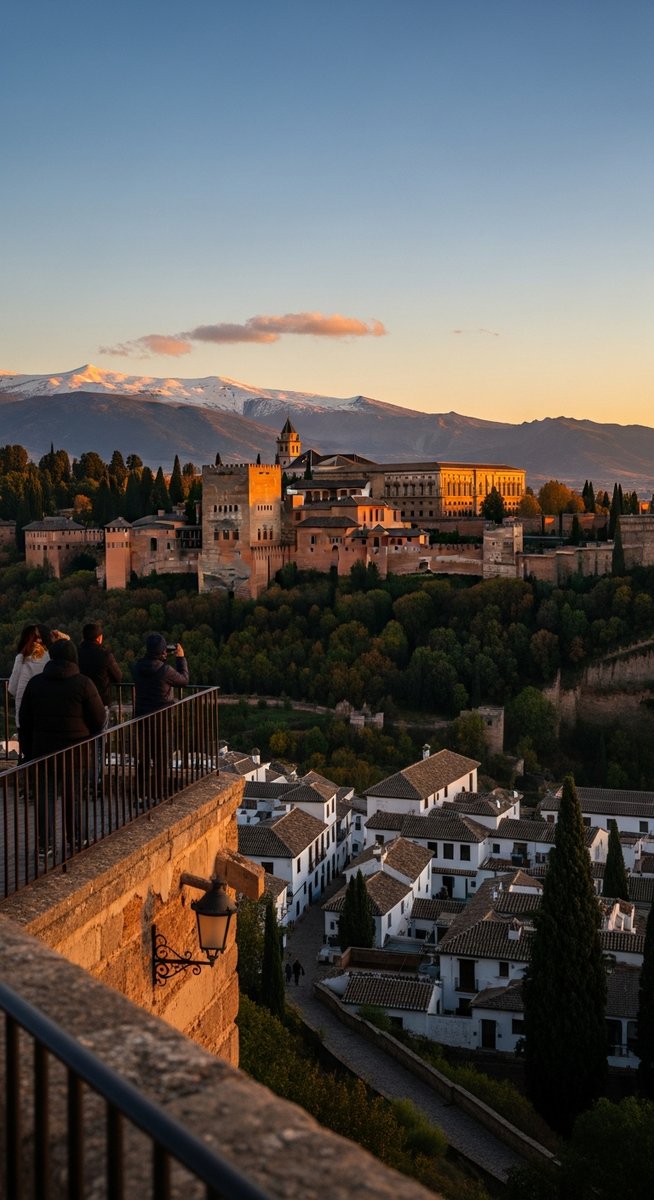
Granada is where Spain’s Moorish heritage really comes alive. The Alhambra is obviously the main event, but the whole city has this unique cultural blend that’s unlike anywhere else in Europe.
The Alhambra
This needs to be said upfront: book your Alhambra tickets way in advance. They sell out weeks ahead, especially in spring and fall.
Plan to spend most of a day here. The Nasrid Palaces are the crown jewel – the geometric patterns and architectural details are mind-blowing.
The Generalife gardens provide a peaceful contrast to the ornate palaces. Try to time your visit for late afternoon when the light is magical.
The Albaicín
This old Moorish quarter is perfect for getting lost among narrow streets and traditional houses. The viewpoints offer incredible Alhambra perspectives, especially at sunset from Mirador de San Nicolás.
Sacromonte, the cave district, has the most authentic flamenco you’ll find. It’s grittier and more real than typical tourist shows.
Tapas Culture
Granada still does the traditional free tapas thing – order a drink and get a small plate of food. It’s a great way to sample local specialties while exploring different neighborhoods.
The portions are usually generous enough that you can make a meal of bar-hopping. Start early evening and work your way through different areas.
Days 10–12: Seville
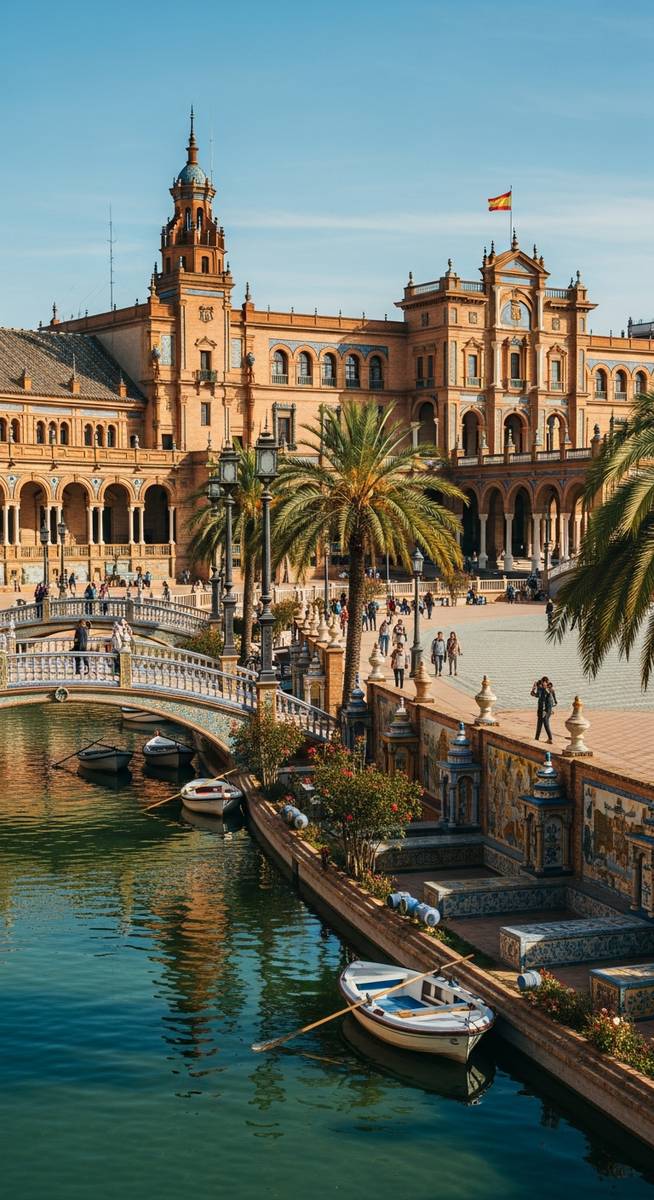
Seville has this infectious energy that makes you want to stay longer than planned. It’s passionate, beautiful, and genuinely fun in a way that’s hard to resist.
Before you go, check out my essential Seville tips to avoid rookie mistakes. Little things like knowing when places are open can save you time and frustration.
The Big Three
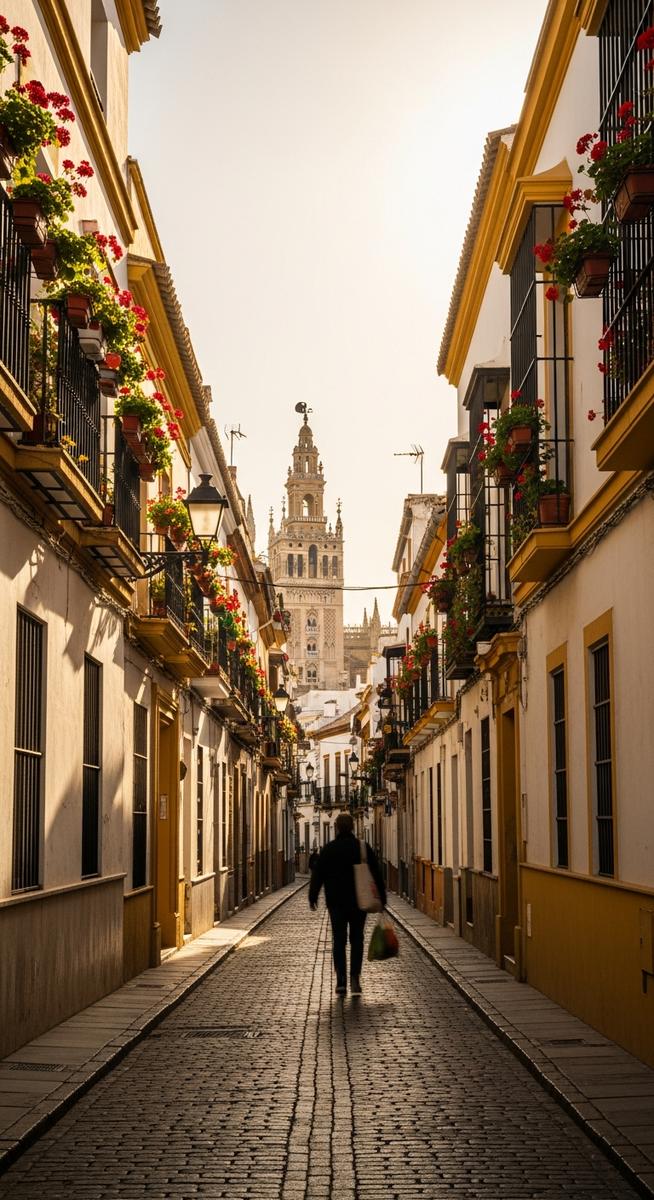
The Cathedral and Giralda are massive – this is one of the world’s largest Gothic cathedrals. The tower climb is worth it for the views, and it’s cool seeing how they converted the old minaret.
The Alcázar rivals Granada’s Alhambra for sheer beauty. The mix of Islamic and Christian architecture creates something unique, and the gardens are perfect for cooling off.
Plaza de España is wonderfully over-the-top – built for a 1929 exhibition and ridiculously photogenic. Each Spanish province has its own tile representation, which is a nice touch.
Flamenco
This is where flamenco really lives and breathes. Professional shows guarantee quality, but some of the best experiences happen spontaneously in Triana bars.
Look for places where locals go, not just tourist spots. The passion and skill level is often incredible.

Live Flamenco at the Teatro Flamenco Sevilla
⭐⭐⭐⭐⭐
✅ Intimate theater setting with six top performers bringing flamenco to life through powerful music, dance, and song
✅ Colorful costumes, live guitar, and heart-pounding footwork that pulls you into the rhythm from the first beat
✅ Enjoy a drink before the show and settle in for a night of pure energy and emotion

Casa de la Memoria Flamenco Show
✅ Historic 15th-century venue with a cozy feel that makes the performance feel up close and personal
✅ Live music, passionate dance, and acoustic guitar come together in one of Seville’s most beloved flamenco shows
✅ A true showcase of flamenco’s roots, with a focus on tradition, artistry, and connection to Spain’s past

Puro Flamenco at Seville’s Flamenco Dance Museum
✅ Watch professional dancers perform in a beautiful 18th-century courtyard built over ancient Roman ruins
✅ The mix of dramatic live music, authentic choreography, and raw emotion makes this a crowd favorite among locals and visitors
✅Explore the Flamenco Dance Museum before the show for even more insight into this powerful art form
Córdoba Day Trip
The fast train to Córdoba takes less than an hour, making it perfect for a day trip. The Mezquita is unlike anything else – a mosque turned cathedral with this incredible forest of horseshoe arches.
The Jewish Quarter is lovely for wandering, and you can easily see everything and be back in Seville for dinner. The train connections make it stress-free.
Days 13–14: Valencia
Valencia makes a great finale because it’s got this relaxed, livable quality that feels different from the other cities. It’s modern without being soulless, and the beach location doesn’t hurt.
A Valencia Tourist Card covers transport and museum entries – although, if you want to step away from the buses and metros, this bike tour is actually a great way to cover ground and get oriented.
Modern Marvels
The City of Arts and Sciences looks like something from the future. The Oceanogràfic is Europe’s largest aquarium and genuinely impressive, not just for kids.
The Turia Gardens running through the city center are brilliant urban planning – they turned the old riverbed into this green corridor that connects everything.
Old Meets New
The Cathedral claims to house the Holy Grail, which is interesting whether you buy it or not. The bell tower has great city views.
The Central Market is one of Europe’s largest and perfect for lunch or snack ingredients. The Silk Exchange shows Valencia’s historic wealth from the silk trade.
Paella and Beach Time
Valencia invented paella, so this is where to have the real thing. A cooking class teaches you the proper techniques and ingredients but if you choose to have someone make it for you, remember that it’s a lunch meal here, not dinner.
Malvarrosa Beach is perfect for unwinding after two weeks of sightseeing. It’s clean, accessible, and has good beachfront restaurants for that final Spanish meal.
If you want more Valencia details, I’ve got a comprehensive guide with local recommendations – after all, I do live here!
Getting Home
You can fly out from either Madrid (1.5-2 hour train from Valencia) or Barcelona (a bit further at 3-3.5 hour train) depending on flight prices and availability. Both are major international hubs with good connections.
Madrid might be slightly more convenient if you want to revisit any museums you missed. Barcelona works if you want to do some last-minute shopping or revisit favorite neighborhoods.
Budget Considerations
Spain offers good value at every price point. Hostels are high quality and often have private rooms, municipal museums frequently have free days, and market picnics can be both delicious and cheap.
Mid-range travelers can enjoy comfortable hotels (often in historic buildings), regular restaurant meals, and convenient transportation while splurging on experiences like flamenco shows or guided tours. Many places include breakfast, which helps with busy sightseeing days.
Luxury options include Michelin-starred dining, five-star hotels in converted palaces, and private guides for major attractions. Spain’s luxury offerings often have more character than generic international chains.
Packing Essentials
Comfortable walking shoes are non-negotiable – you’ll cover serious ground on cobblestones, in museums, and on city streets. Layers work better than heavy items since you’ll experience everything from air-conditioned museums to sunny plazas.
The fashion advice for Barcelona generally applies throughout Spain – people make an effort with their appearance, especially for evenings out. A small daypack, portable chargers, and good sun protection round out the essentials.
Final Thoughts
This itinerary hits Spain’s highlights while maintaining a comfortable pace that lets you actually enjoy each place rather than just passing through. The train connections work smoothly, and you’ll end up with a real sense of Spain’s incredible diversity.
Book your high-speed train tickets early for better prices and seat selection. Travel light since you’ll be changing hotels every few days, and remember that both Madrid and Barcelona have excellent international flight connections for your departure.
Most importantly, leave room for spontaneous discoveries. Some of Spain’s best experiences happen when you least expect them.
