
10 Incredible Things to Do in Málaga for a Perfect Trip

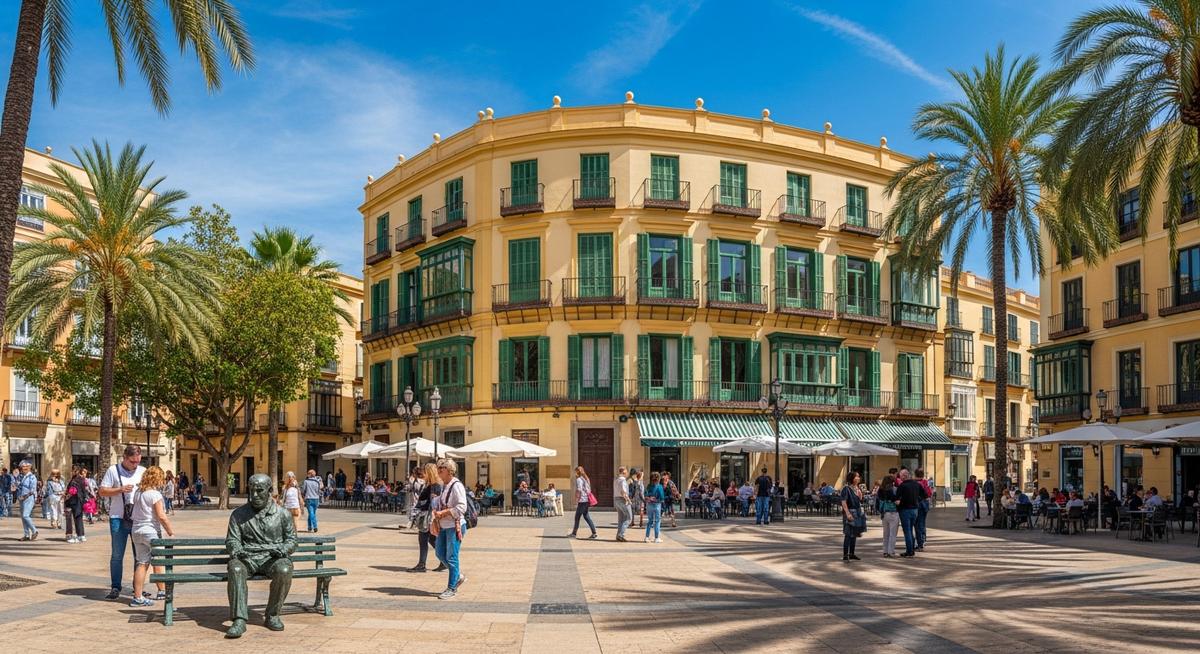
Malaga isn’t just another stop on the Costa del Sol – it’s a city where ancient history meets modern Spanish culture in the most authentic way. While most people know it as the gateway to Andalusia’s beaches, this vibrant port city offers so much more than sun and sand.
From Moorish palaces perched on hilltops to world-class museums celebrating local legends, Malaga rewards curious travelers who venture beyond the obvious. The city strikes that perfect balance between laid-back Mediterranean vibes and genuine cultural depth that makes you want to extend your stay.
Whether you’re planning a day trip from nearby coastal towns or using Malaga as your Andalusian base, these picks for the best things to do here will show you why locals are so proud of their hometown.
1. Explore the Alcazaba Fortress
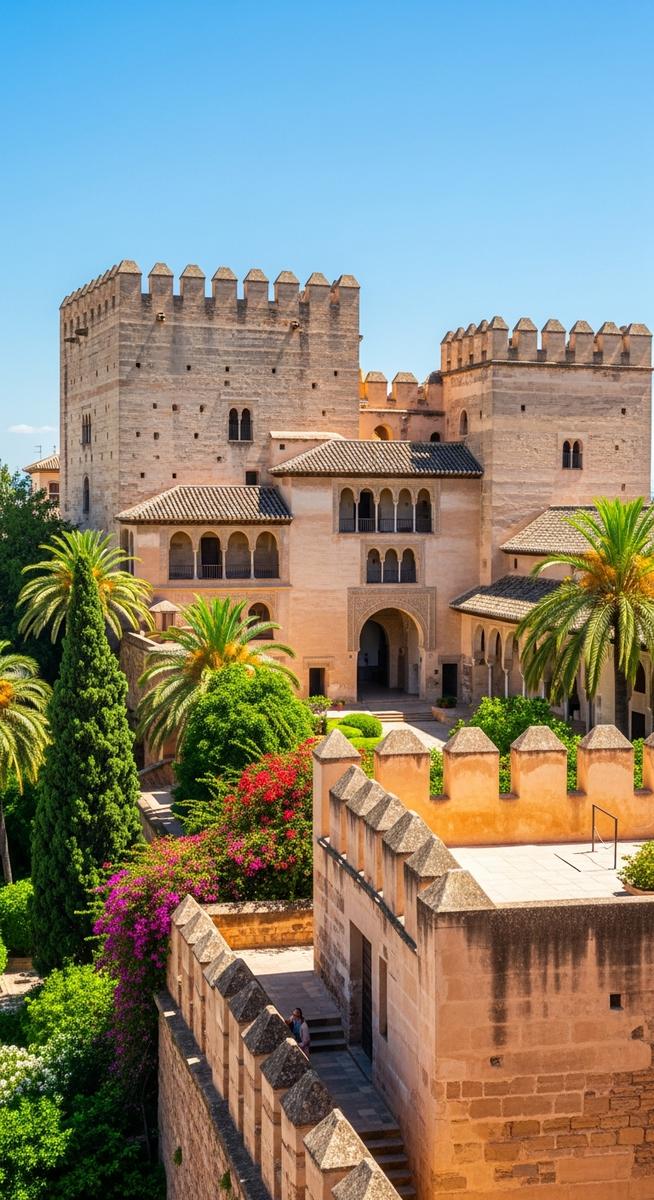
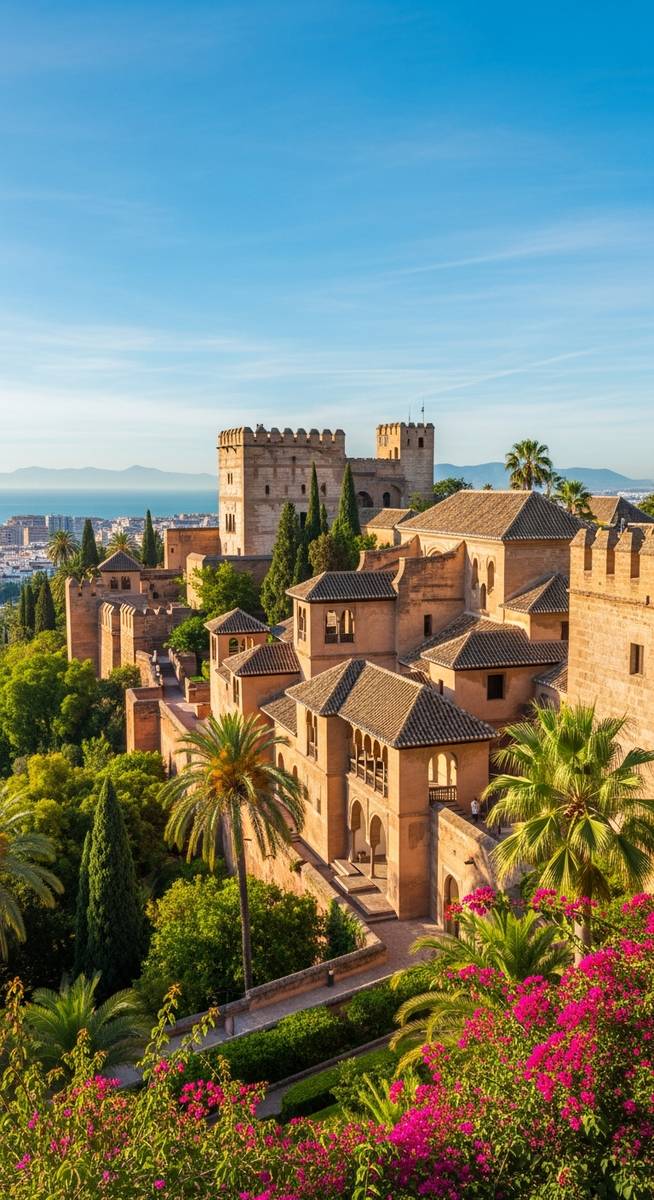
The Alcazaba stands as Malaga’s crown jewel – a remarkably preserved Moorish palace complex that dates back to the 11th century. Walking through its tiered gardens and ornate courtyards, you’ll understand why the Moors chose this strategic hilltop location overlooking both the city and the Mediterranean Sea.
The fortress showcases some of the finest Islamic architecture in Spain, with its horseshoe arches, geometric tilework, and peaceful fountain courtyards creating an atmosphere that feels worlds away from the bustling city below. For the best experience, I recommend joining an Alcazaba and Roman Theatre guided tour that covers both historical sites with expert commentary.
What makes the Alcazaba special isn’t just its beauty – it’s how well-preserved everything remains after nearly a thousand years. The archaeological museum housed within displays artifacts that tell the story of Malaga’s layered history, from Roman foundations to Islamic sophistication.
2. Visit Picasso Museum Malaga
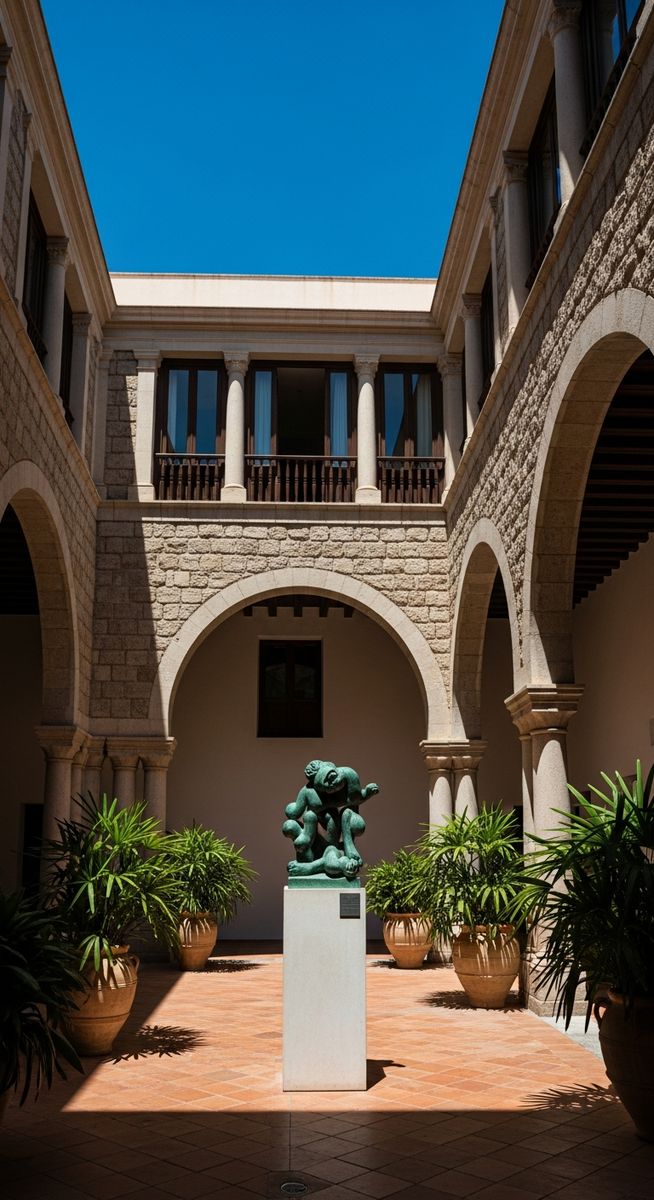
Pablo Picasso was born in Malaga in 1881, and this museum in the heart of the old town celebrates that connection with one of the world’s most comprehensive collections of his work. Housed in a beautifully restored 16th-century palace, the museum traces Picasso’s artistic evolution from his early academic paintings to his revolutionary later periods.
The collection includes over 200 works donated by the artist’s family, offering insights into pieces you won’t see anywhere else. I recommend getting a Museo Picasso Málaga entry ticket in advance to skip the lines, especially during peak tourist season.
Beyond the permanent collection, the museum regularly hosts temporary exhibitions that explore different aspects of Picasso’s work and influence on contemporary artists. The palace setting adds another layer of interest – the building itself is worth exploring for its Renaissance architecture and peaceful central courtyard.
3. Wander Through Malaga’s Historic Center
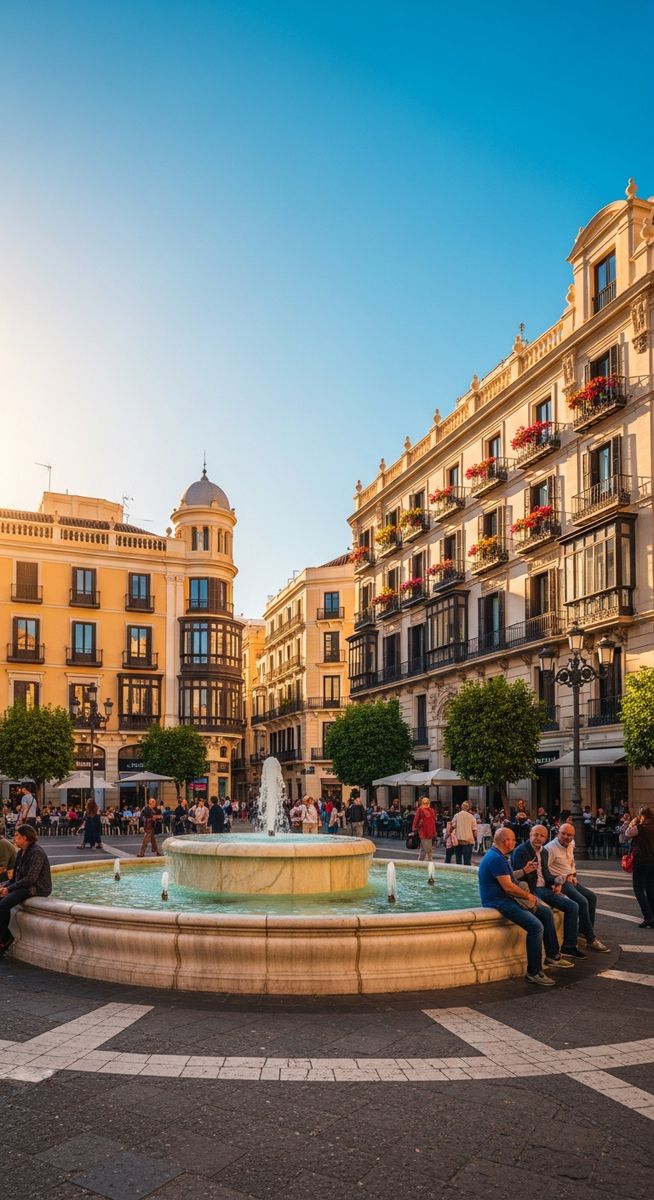
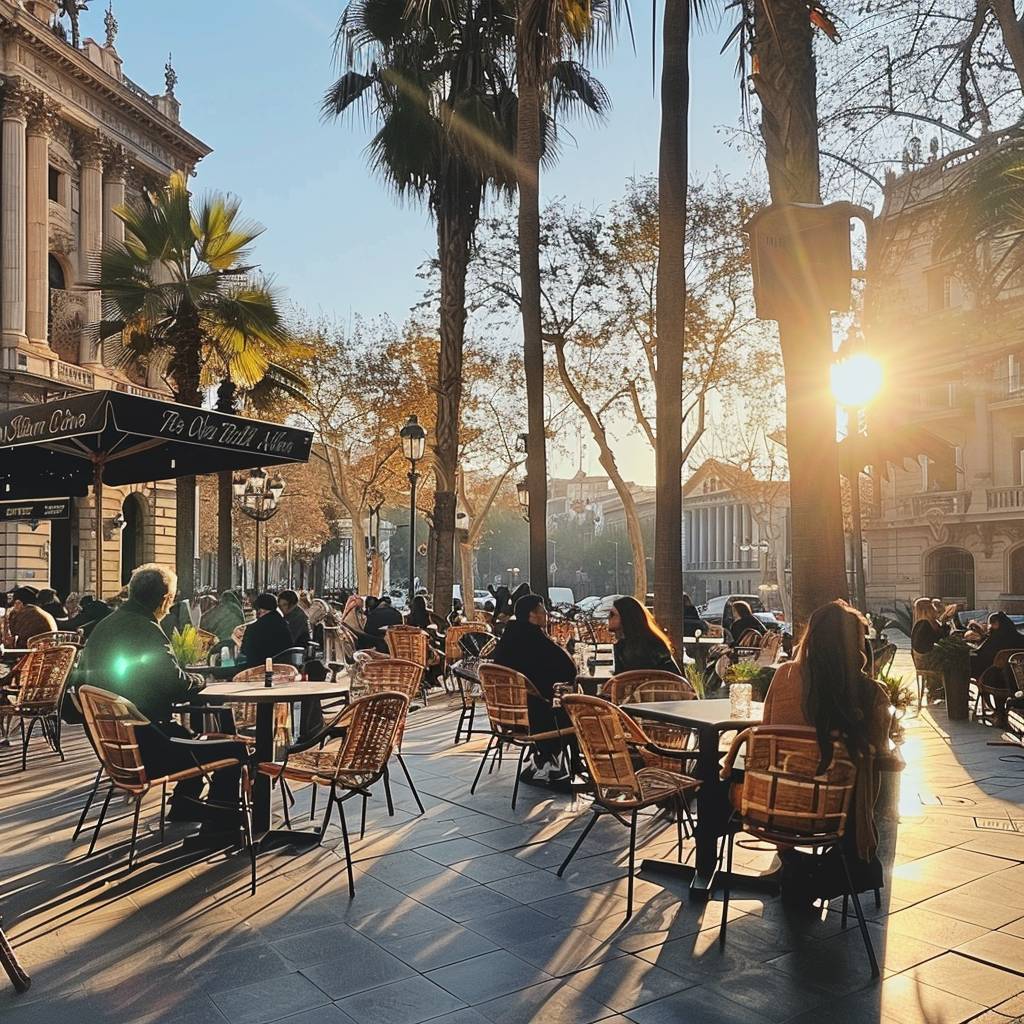
Malaga’s old town feels authentically Spanish in a way that many tourist-heavy cities have lost. The pedestrianized streets around the cathedral buzz with local life – families out for evening strolls, friends meeting for tapas, and shops that actually serve residents rather than just visitors.
The Renaissance cathedral, known locally as “La Manquita” (the one-armed lady) because its second tower was never completed, anchors the historic quarter with its impressive facade and soaring interior spaces. The surrounding streets are perfect for wandering without a particular destination, discovering small plazas, traditional taverns, and local shops.
What strikes you most about the historic center is how lived-in it feels. This isn’t a preserved old town frozen in time – it’s a vibrant neighborhood where centuries-old buildings house modern cafes, boutiques, and restaurants that locals actually frequent.
4. Relax at Malagueta Beach
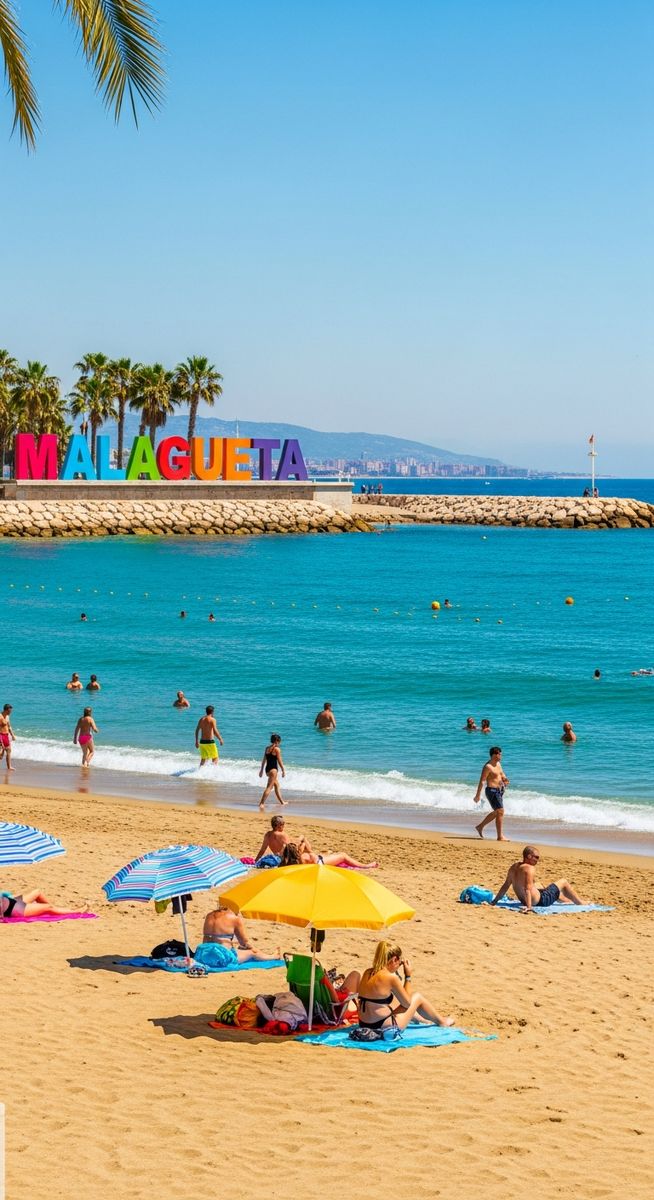
Malagueta Beach brings the Mediterranean right to Malaga’s doorstep, just a 15-minute walk from the historic center. This 1.2-kilometer (0.7-mile) stretch of dark sand offers everything you’d want from an urban beach – reasonable crowds, good facilities, and plenty of chiringuitos (beach bars) serving fresh seafood.
The beach’s location makes it incredibly convenient for mixing sightseeing with beach time. You can explore the city’s cultural attractions in the morning, then spend your afternoon swimming in the Mediterranean or lounging on the sand with a cold drink.
The waterfront promenade, Paseo Marítimo, connects Malagueta to the port area and makes for a lovely evening walk. The palm-lined path fills with joggers, families, and couples enjoying the sea breeze as the sun sets over the water.
For a different perspective of the coastline, consider taking a catamaran sailing trip with sunset option – watching Malaga’s skyline from the water while sipping cava creates unforgettable memories.
5. Take a Day Trip to Nearby Villages
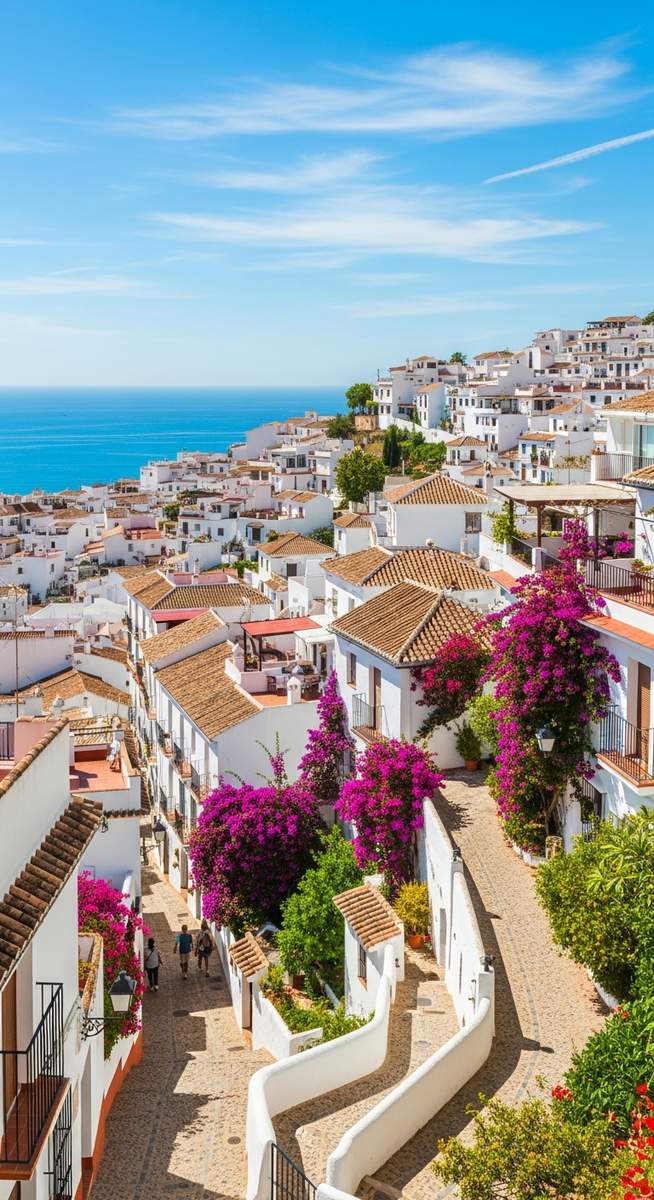
Malaga’s central location makes it the perfect base for exploring some of Andalusia’s most beautiful destinations. Ronda, just 90 minutes away by car, perches dramatically on a clifftop gorge and offers some of Spain’s most spectacular mountain scenery – if you’re planning to explore more of Andalusia, our essential tips for visiting Seville provide valuable insights into the region’s culture.
The coastal village of Nerja, about an hour east, combines beautiful beaches with the famous Nerja Caves – underground caverns filled with impressive stalactite formations. For a hassle-free experience, I recommend joining a Frigiliana, Caves of Nerja and Nerja day trip that includes all three destinations with transportation.
If you’re drawn to dramatic landscapes, the Caminito del Rey guided tour takes you along one of Spain’s most thrilling walkways suspended above a gorge. For white villages and stunning scenery, the Ronda and Setenil tour with tourist train offers a comfortable way to experience these iconic Andalusian towns.
For those wanting to explore beyond Spain’s borders, a full-day trip to Gibraltar provides a fascinating British enclave experience just two hours south. If Andalusia’s Moorish heritage captivates you, the Granada full-day trip with Alhambra showcases Islamic architecture at its most refined.
6. Discover Gibralfaro Castle
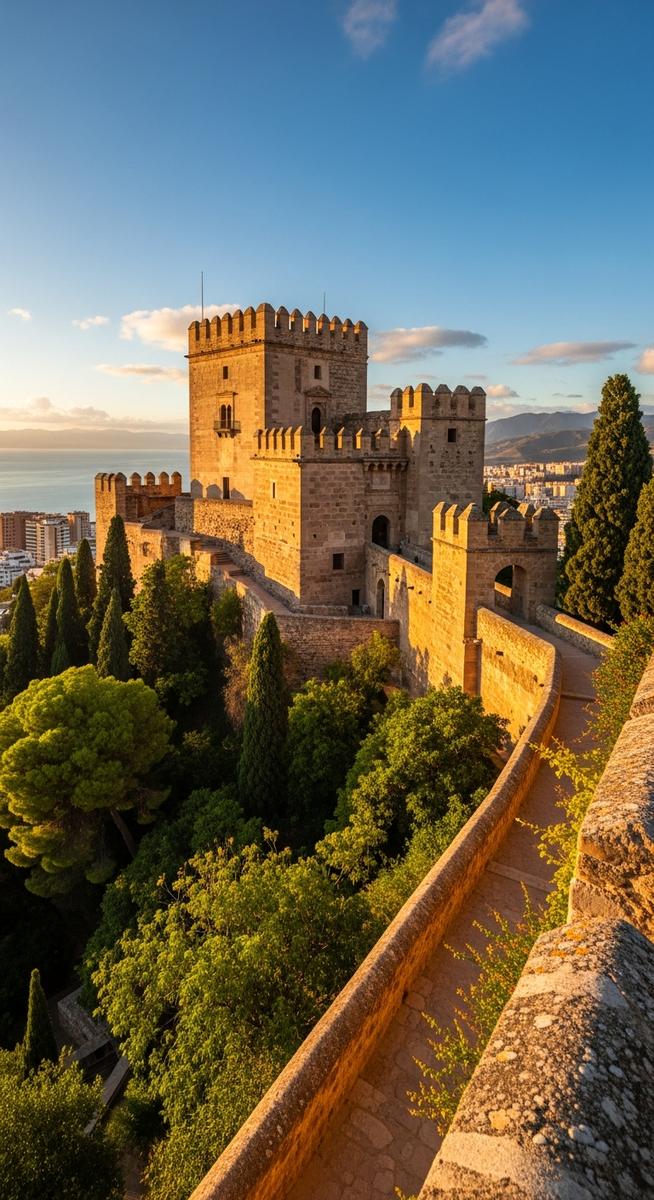
Perched 130 meters (426 feet) above sea level, Gibralfaro Castle offers the best views in Malaga and a fascinating glimpse into the city’s military history. Built by the Moors in the 14th century to defend the Alcazaba below, the castle’s thick walls and strategic position made it nearly impregnable.
The walk up to Gibralfaro takes about 20 minutes from the city center, though you can also drive or take a bus if you prefer. Once there, the 360-degree views stretch from the Mediterranean coastline to the mountains of Andalusia’s interior.
The castle’s interpretation center does an excellent job explaining how this fortress fit into the broader defensive network that protected Moorish Malaga. Walking the ramparts at sunset, when the city lights begin to twinkle below, ranks among Malaga’s most romantic experiences.
7. Experience the Atarazanas Central Market
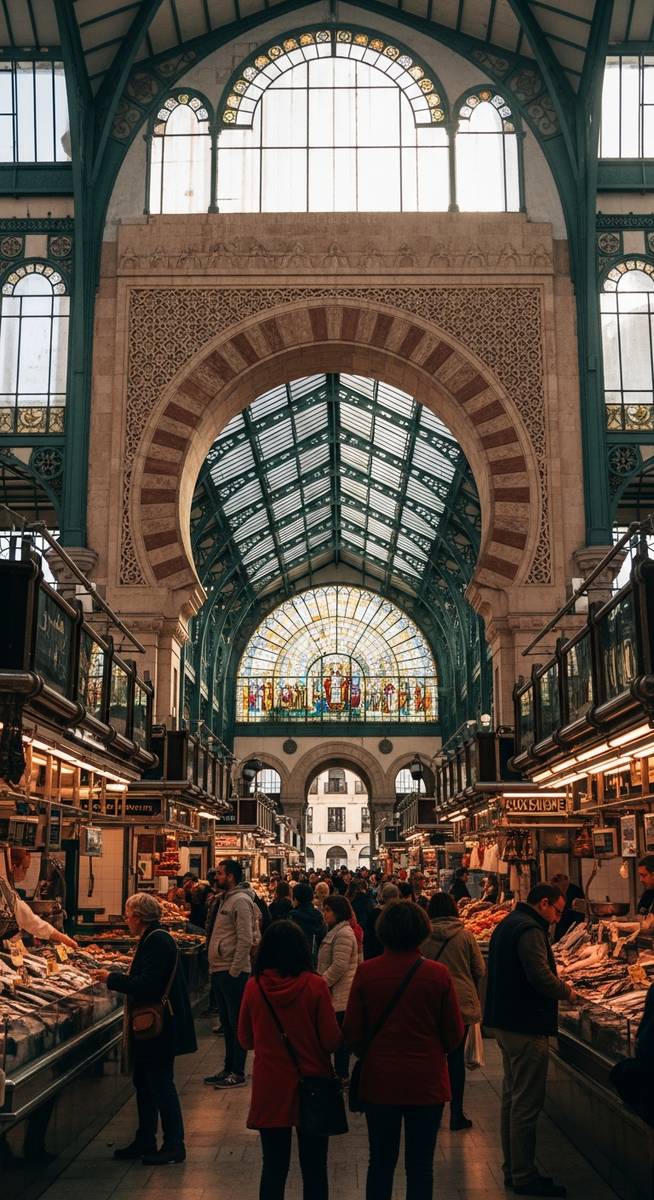
The Atarazanas Market occupies a stunning 19th-century building whose Moorish-inspired architecture makes grocery shopping feel like a cultural experience. The market’s iron and glass structure, topped with colorful stained glass windows, creates a beautiful setting for sampling Andalusia’s incredible produce.
Local vendors sell everything from just-caught fish to perfect oranges, olives cured in dozens of different ways, and jamón ibérico sliced to order. The market operates Tuesday through Saturday mornings, with the best selection and liveliest atmosphere before 11 AM.
Even if you’re not planning to cook, the market offers a wonderful introduction to Andalusian food culture. Many stalls will let you sample their products, and the friendly vendors often share cooking tips or recommendations for how to prepare unfamiliar ingredients.
8. Stroll Down Calle Larios
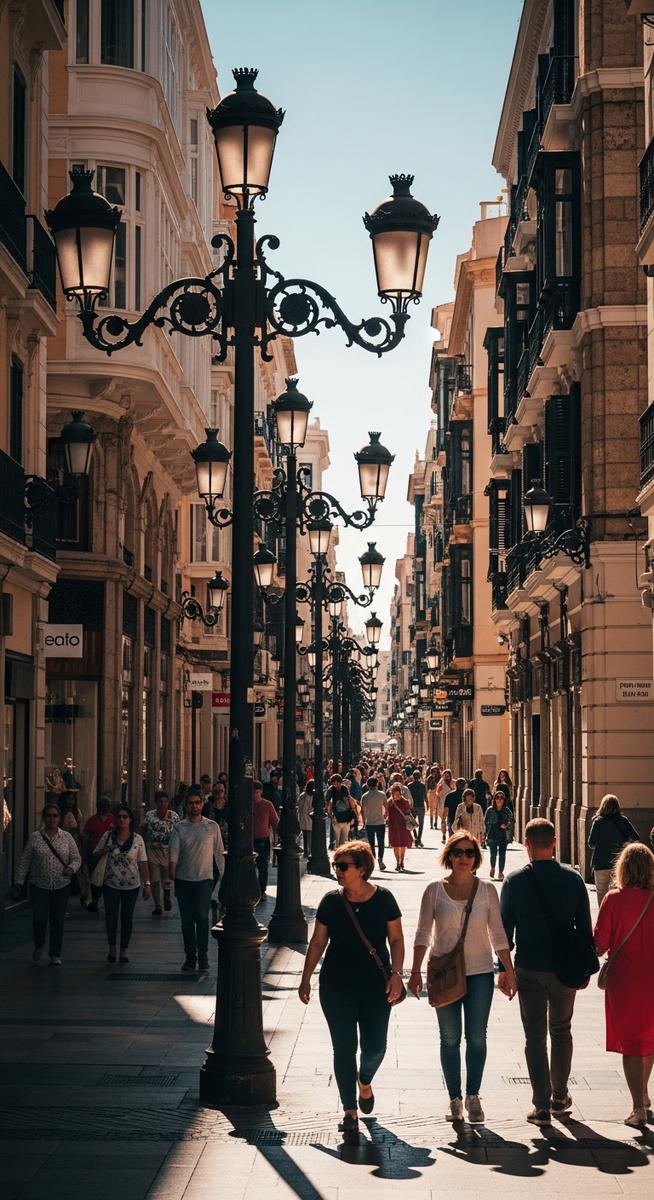
Calle Larios represents Malaga at its most elegant – a pedestrian shopping street lined with 19th-century buildings that showcase the city’s prosperous past. The marble-paved street connects the port area to the historic center, making it a natural route through the city’s heart.
While international chains occupy many of the storefronts, the street’s architecture tells the story of Malaga’s boom period when the Larios family’s business empire made this one of Spain’s wealthiest cities. The ornate facades and wrought-iron balconies create an impressive backdrop for people-watching.
Calle Larios really comes alive in the early evening when locals emerge for their paseo (evening stroll). The street fills with families, couples, and friends enjoying the car-free environment and the mild Andalusian climate.
9. Visit the Roman Theatre
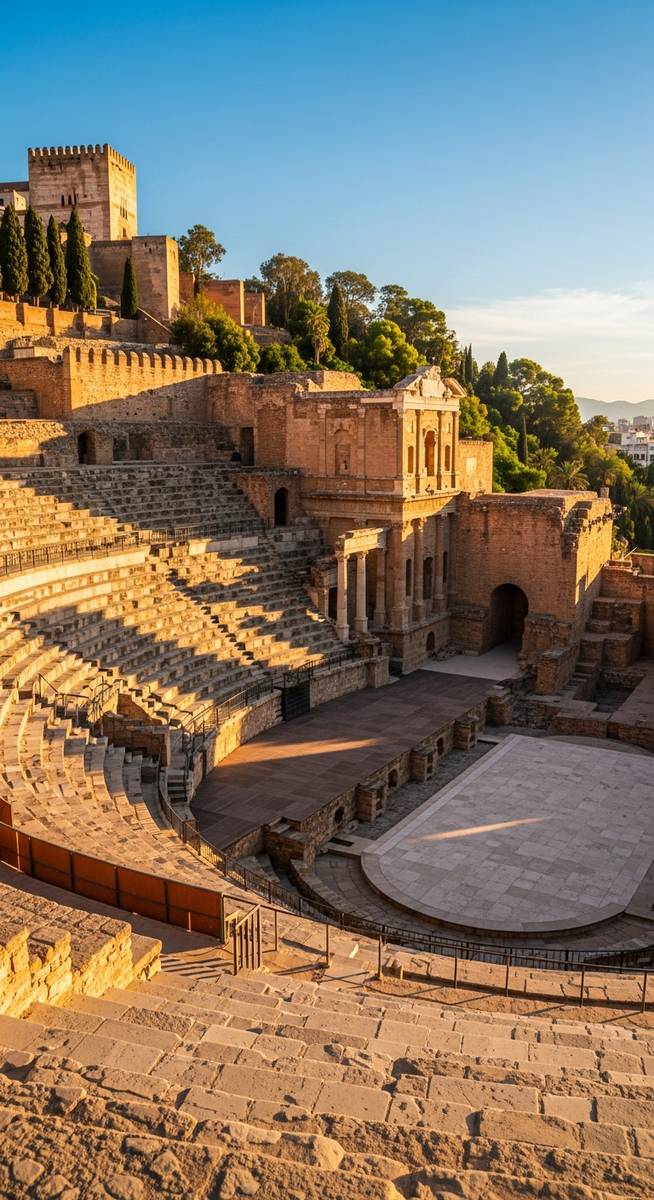
Malaga’s Roman Theatre, dating from the 1st century BC, remained hidden under buildings for centuries until its accidental discovery in 1951. Today, this remarkably well-preserved amphitheater offers a direct connection to the city’s ancient past and still hosts performances during summer months.
The theatre’s location at the foot of the Alcazaba creates a beautiful layered view of Malaga’s different historical periods. Standing in the ancient stone seating, you can see how Romans, Moors, and modern Spaniards have all left their mark on this same hillside.
The small interpretation center explains how the theatre functioned in Roman times and details the archaeological work that brought it back to light. Visiting here before or after the Alcazaba gives you a fuller picture of how different civilizations shaped modern Malaga.
10. Explore Soho Arts District
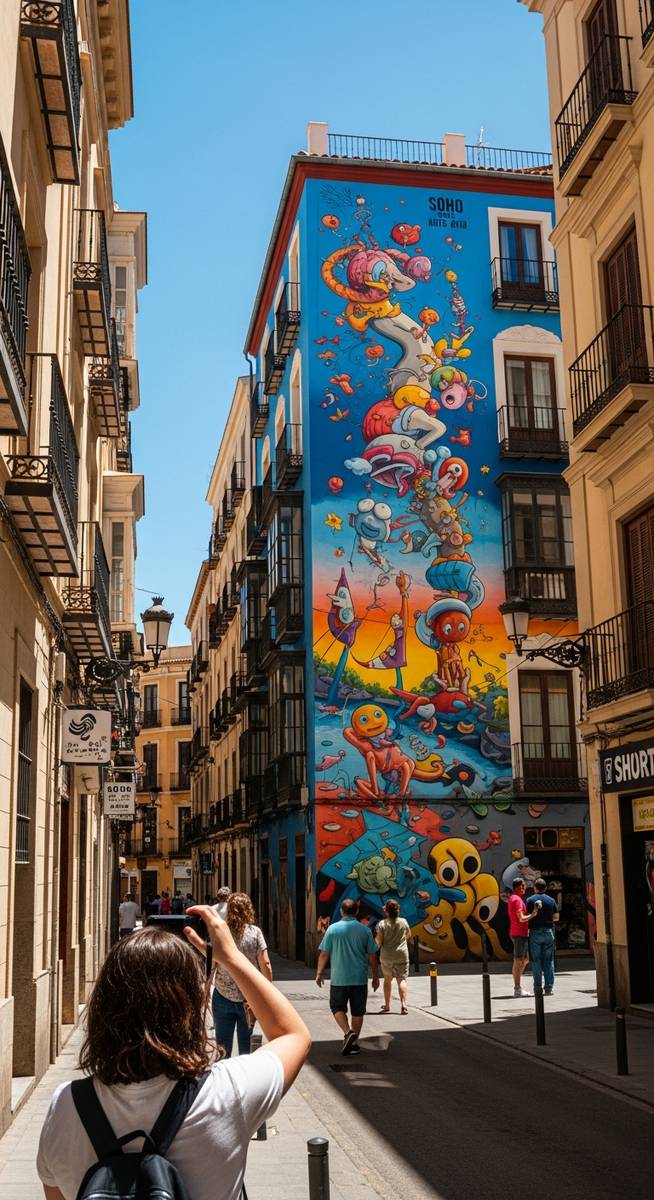
The Soho Arts District transforms Malaga’s former industrial area into a vibrant cultural quarter filled with street art, galleries, and creative spaces. Large-scale murals by international artists cover building walls, creating an outdoor museum that changes as new works appear.
The district centers around the CAC (Contemporary Arts Center), which showcases cutting-edge exhibitions in a converted wholesale market building. The surrounding streets house artist studios, independent galleries, and creative businesses that give the area an authentic artistic atmosphere.
Soho really comes alive in the evening when the area’s bars and restaurants fill with locals and visitors drawn by the creative energy.
The district proves that Malaga’s cultural scene extends far beyond its historical attractions into vibrant contemporary expressions. The blend of street art, galleries, and nightlife makes Soho essential for understanding modern Malaga’s creative spirit.
(That said, if you’re looking for a more lively evening experience, try a catamaran sunset or night cruise with live DJ and drinks for a unique way to enjoy Malaga’s nightlife.)
Making the Most of Malaga
Malaga proves that you don’t need to choose between authentic Spanish culture and convenient tourist amenities. The city offers world-class museums, beautiful beaches, historic monuments, and genuine local atmosphere all within walking distance of each other.
What makes Malaga special isn’t any single attraction – it’s how everything comes together to create a destination that feels both sophisticated and approachable. Whether you spend a day here or a week, you’ll discover why this Andalusian city has become one of Spain’s most beloved destinations.
