
The Ultimate Itinerary for One-Week in Spain (You’ll Actually Follow)

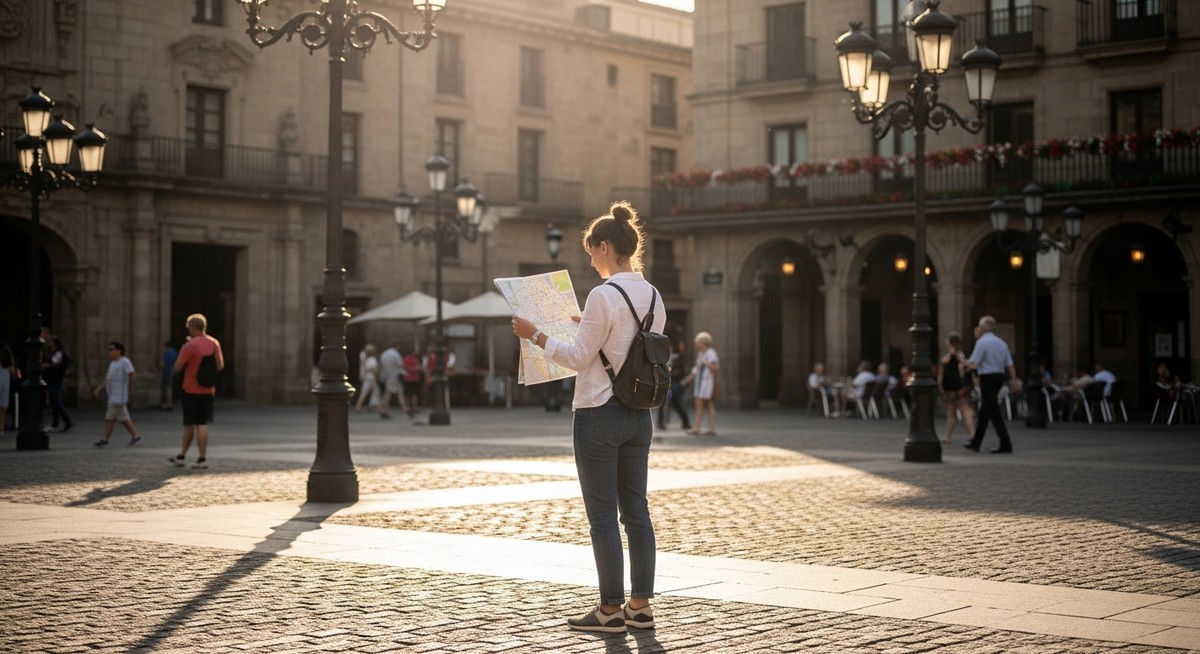
One week in Spain might not feel like enough – but with the right plan, you can see some of the country’s best highlights without feeling rushed. From vibrant cities to coastal escapes and cultural landmarks, there’s a lot you can fit into seven days.
So how do you make the most of your time – and which places should you include? Well, whether it’s your first time in Spain or you’ve been before and want to try a different route, I’ve got options for both types of travelers here!
Check out my picks for the ideal one-week Spain itinerary, for a great mix of iconic sights and places that offer something a little different.
How to Use This Guide
I’ve spent years traveling around Spain, and one thing I’ve learned is that a week is just enough time to get a real taste of what this incredible country has to offer. Whether this is your first trip or you’re coming back for more, I’ve put together two itineraries that actually make sense logistically and will give you amazing experiences without feeling rushed.
If you’re visiting Spain for the first time, I recommend the classic route through Barcelona, Madrid, and Seville – it hits all the major highlights and gives you a solid foundation for understanding Spanish culture. For return visitors, I’ve designed a more focused route through Andalusia and Valencia that digs deeper into regional specialties and takes you to places most tourists skip.
Both routes use Spain’s fantastic train network (seriously, their high-speed trains are incredible), and I’ve timed everything so you’re not wasting precious vacation days in transit. Trust me, these itineraries work – I’ve tested them myself and refined them based on what actually matters when you’re on the ground in Spain.
First-Time Visitor Itinerary
Starting in Barcelona makes perfect sense because it eases you into Spanish culture with a Mediterranean vibe that feels familiar, then Madrid gives you the full royal treatment, and Seville wraps everything up with that romantic Andalusian magic you came to Spain for. The train connections are smooth, and each city offers something completely different.
I love this routing because by the time you reach Seville, you’ll have context for appreciating just how unique Andalusian culture really is. Plus, the weather generally gets warmer as you head south, which feels natural and gives you that perfect Spanish sunset finale.
The whole route covers about 1,200 kilometers but uses those amazing AVE high-speed trains, so you’re looking at comfortable 2.5-3 hour journeys between cities. Way better than dealing with airports, and you arrive right in the city center ready to explore.
Days 1-2: Barcelona – Where Spain Gets Creative
Gaudí’s Wild Architecture
Barcelona is where Spain shows off its artistic side, and honestly, Antoni Gaudí is the main event here. The Sagrada Família is absolutely mind-blowing – I’ve been lucky enough to have gone there a few times now and each time, I still discover new details. Just make sure you book those skip-the-line tickets way ahead of time because this place gets packed.
Park Güell is where Gaudí really let his imagination run wild. The mosaic work is incredible, and the views over Barcelona and the Mediterranean are worth the entrance fee alone. Pro tip: early morning visits give you the best light for photos and fewer crowds.
FYI: If you’re looking to visit both the Sagrada Familia and Park Güell and you’re short on time, you can get skip-the-line entry and a tour of both sights in one day right here.
If you only have time for one of Gaudí’s houses, I’d go with Casa Batlló. The facade looks like dragon scales, and the interior is like walking through an underwater cave. It’s pure fantasy architecture, and the audio guide really helps you understand Gaudí’s vision.
The Gothic Quarter is where Barcelona’s medieval heart still beats. The Cathedral is beautiful, but I actually love just wandering the narrow streets and stumbling upon hidden squares. That’s where the real magic happens in this neighborhood.
Food and Beach Time
La Boqueria Market on Las Ramblas is tourist central, but honestly, it’s tourist central for good reason – the food is fantastic and it’s a feast for your senses. Grab some jamón ibérico, try the fruit smoothies, and soak up the atmosphere. Yes, it’s crowded (so please watch your bag…), but it’s also genuinely fun.
Barcelona’s beach scene surprised me the first time I visited. Barceloneta Beach is right in the city, the sand is actually decent, and the whole Port Olímpic area has this great Mediterranean energy. Perfect for an afternoon break from all that sightseeing.
The tapas scene here is different from southern Spain – more Catalonian specialties like pan con tomate and patatas bravas. My advice? Skip the obvious tourist places and head to neighborhoods like El Born or Gràcia where locals actually eat.
MY PICK: My favorite food tour in Barcelona is this Tapas Walking Tour with Food, Wine and History – 1,000+ reviews with an average rating of 4.7 out of 5 can’t be wrong!
But if you want something to take your Barcelona food experience to the next level, check out this Paella Cooking Experience and Boqueria Market Tour. It’s a great way to learn (under the guidance of a professional chef) while getting to enjoy what you make at the end!
If you’re trying to figure out where to stay, I’ve got a detailed guide to the best neighborhoods for first-time visitors, and if you want something special, check out my picks for boutique hotels that really capture Barcelona’s creative spirit.
Getting to Madrid: The AVE Experience
This is where Spain’s high-speed rail system really shines. The AVE train from Barcelona to Madrid takes about 2 hours and 45 minutes, and you’re traveling at 300+ km/hour through some beautiful Spanish countryside. Book in advance and you can get some great deals – I’m talking 60-70% off if you plan ahead.
The trains are honestly more comfortable than most flights, with proper legroom, café service, and WiFi that actually works. Plus, you arrive right in the heart of Madrid at Atocha station, which has this amazing tropical garden inside (and turtles!).
Days 3-4: Madrid – Royal Spain in Full Glory
Museums and Palaces That Matter
Madrid is where Spain puts on its finest clothes, and the Prado Museum is absolutely essential. I know museums can feel overwhelming, but focus on the Spanish masters – Velázquez, Goya, El Greco. Las Meninas alone is worth the trip. Give yourself at least half a day here.
The Royal Palace is ridiculously opulent – we’re talking 3,000 rooms of pure imperial showing-off. The Throne Room will make your jaw drop, and the views from the palace grounds over Madrid are perfect for that Instagram shot your friends are expecting.
The Reina Sofía rounds out the art triangle with Picasso’s Guernica, which is probably Spain’s most famous painting. It’s heavy subject matter but incredibly moving, and the context really helps you understand 20th-century Spanish history.
The Heart of the City
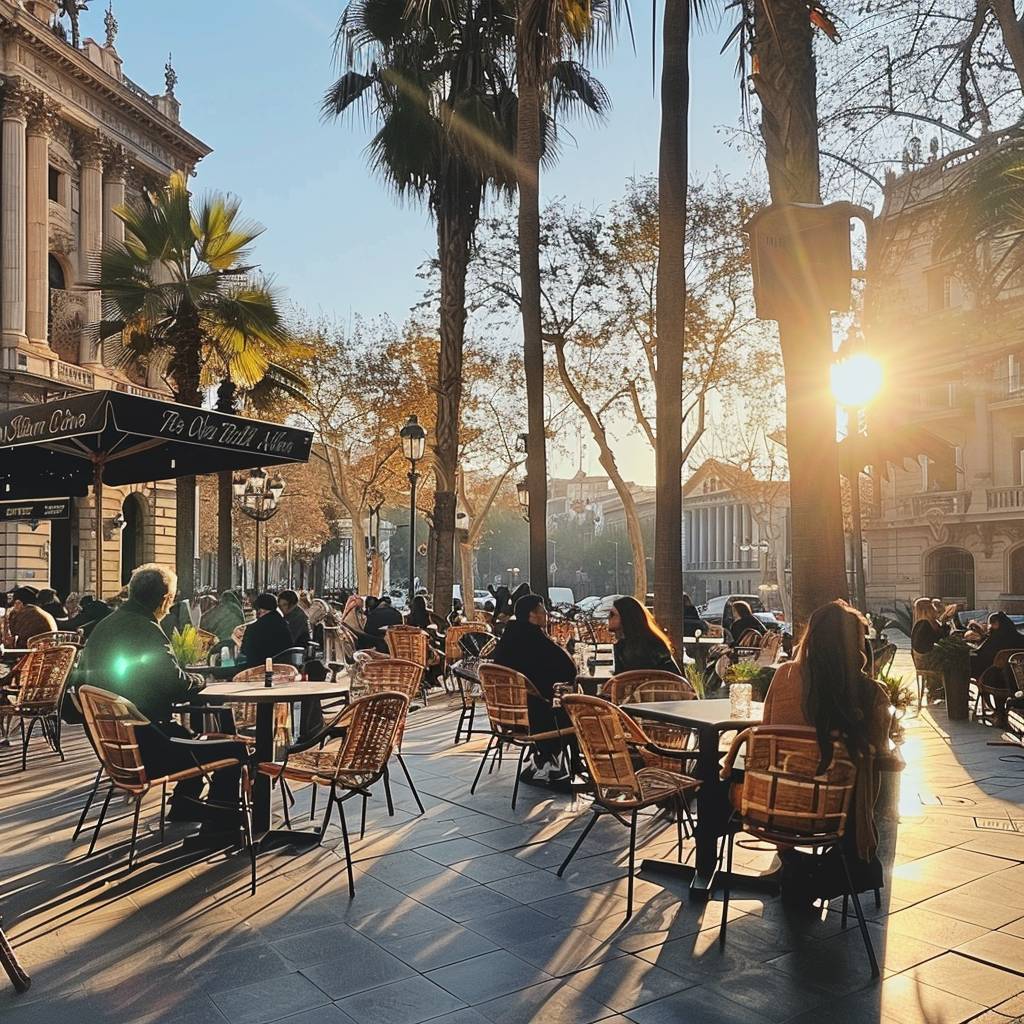
Plaza Mayor is one of those places that could easily be a tourist trap, but somehow it works. The architecture is perfectly harmonious, and the energy is infectious. Grab a coffee at one of the outdoor cafés and just watch Madrid go by.
Puerta del Sol is officially the center of Spain – there’s actually a marker showing Kilometer Zero. It’s chaotic and busy, but that’s Madrid’s personality in a nutshell. The energy here is addictive.
If you want authentic Madrid cuisine, Casa Botín claims to be the world’s oldest restaurant (1725), and their roast suckling pig is legendary. It’s definitely touristy now, but the food and atmosphere are genuinely special.
Toledo: The Perfect Day Trip
Here’s something I always recommend: take the 30-minute train to Toledo if you have time. This medieval city is a UNESCO World Heritage site for good reason – it’s like stepping back in time. The cathedral is gorgeous, and the views from the Mirador del Valle will take your breath away.
Toledo works perfectly as a day trip because it’s so compact and the train connections are frequent. You can easily see the highlights and be back in Madrid for dinner. Plus, it gives you a taste of that medieval Spain that’s harder to find in the big cities.
Want the ultimate day trip from Madrid – all organized for you? Check out this day trip from Madrid to Segovia and Toledo for incredible history and architecture, from ancient Rome to medieval times and beyond.
Train to Seville: Heading South
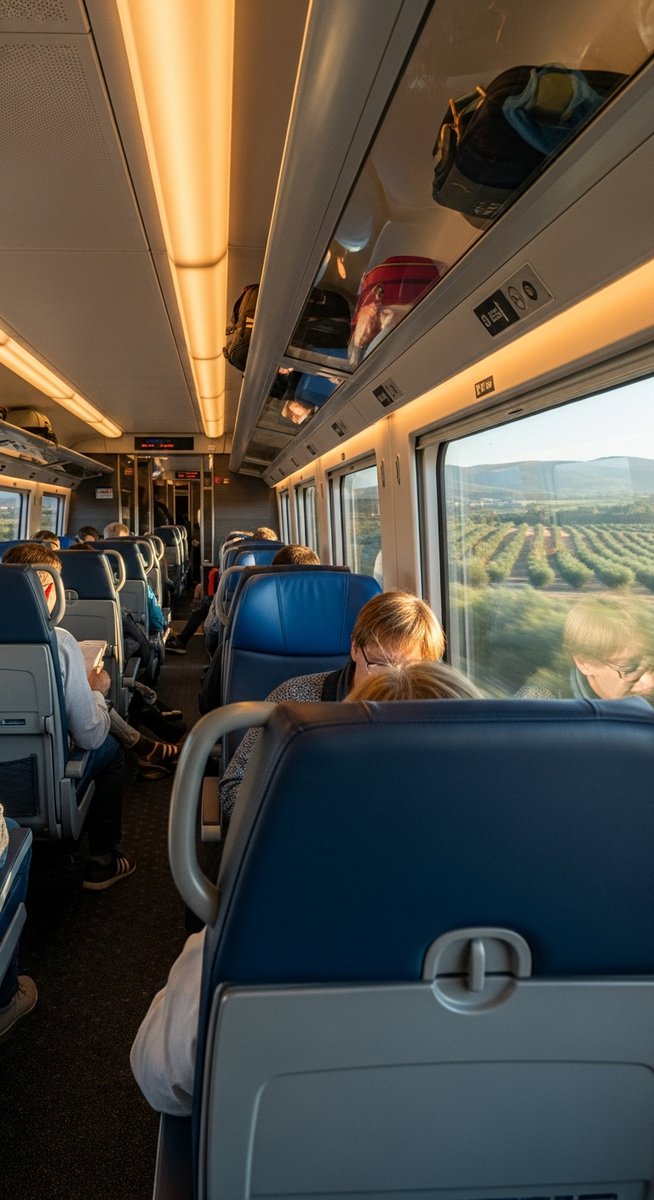
The AVE to Seville is one of my favorite train journeys in Europe. You pass through landscapes that look exactly like what you imagine Spain should look like – endless olive groves, medieval castles on hills, and those classic white villages in the distance.
The journey takes about 2.5 hours, and you can literally feel the temperature rising as you head south. By the time you arrive in Seville, you’re in full Andalusian mode.
Day 5: Seville – Andalusian Romance at Its Best
The Big Two: Alcázar and Cathedral
Seville’s Real Alcázar is hands-down one of the most beautiful buildings I’ve ever visited. The mix of Islamic and Christian architecture creates something truly magical, and those gardens are absolutely peaceful. Book timed tickets in advance – trust me on this one.
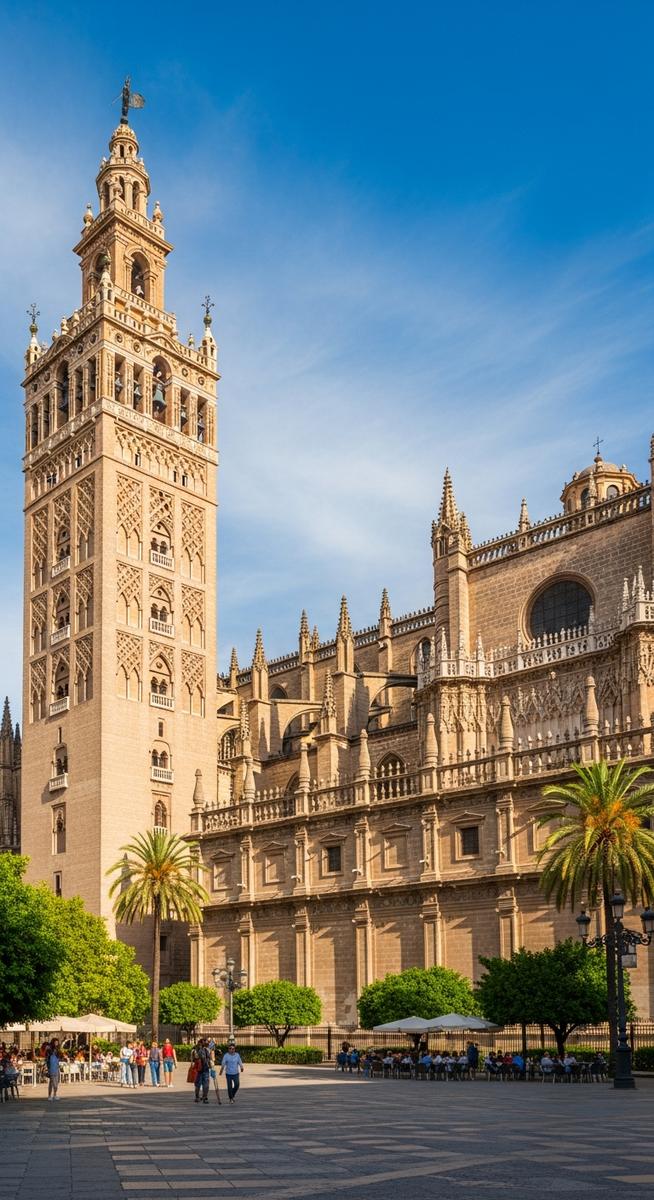
The cathedral is massive – like, the biggest Gothic cathedral in the world massive. Columbus is buried here, and climbing the Giralda tower gives you incredible views over Seville’s terracotta rooftops. It’s a bit of a climb, but it’s ramped rather than stairs, so it’s actually pretty manageable.
Want a great walking tour that will take you to all of Seville’s highlights? Check out this small-group walking tour to see the best of what Seville has to offer.
Prefer to see Seville’s sights on two wheels? This easy Seville bike tour is the cruisiest way to get around during your visit.
Wandering the Neighborhoods
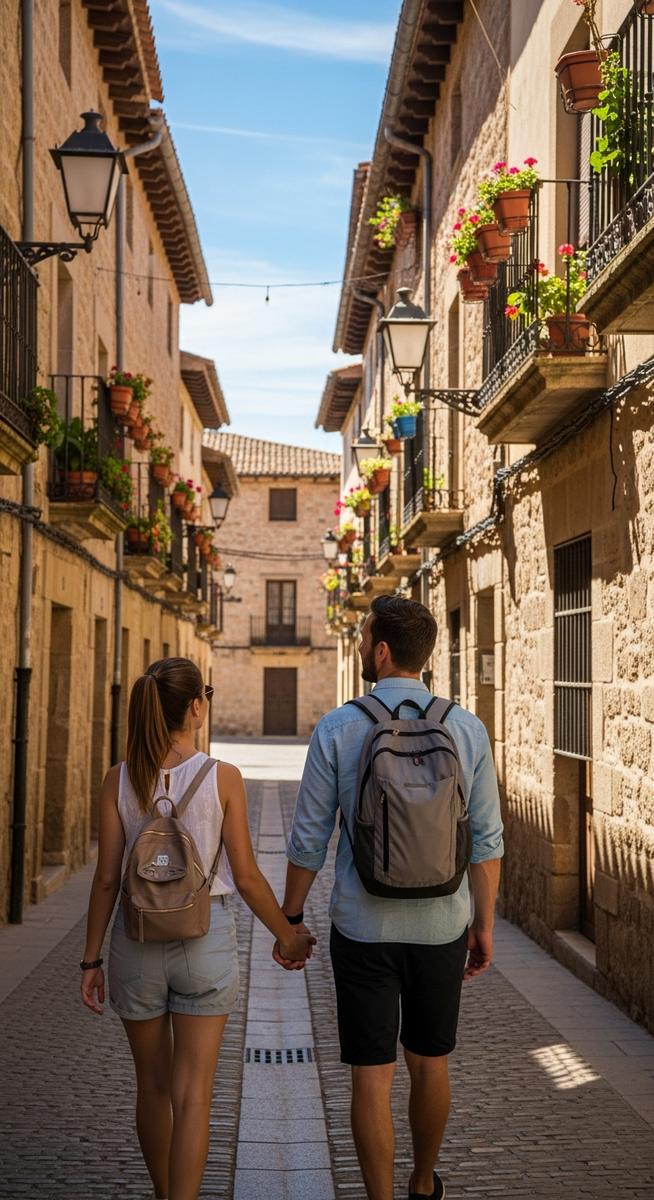
The Barrio Santa Cruz is wonderfully atmospheric with its narrow streets, hidden plazas, and flower-filled patios. Yes, it’s touristy, but it’s also genuinely beautiful. Take your time wandering – that’s the whole point.
Plaza de España is probably Seville’s most photographed spot, and for good reason. It’s grand and romantic in a way that feels quintessentially Spanish. The ceramic work representing different Spanish provinces is a nice touch, and you can actually rent paddle boats if you’re feeling playful.
I’ve got some insider tips for visiting Seville that cover the local customs and some hidden gems that most guidebooks miss.
Day 6: Córdoba – An Architectural Wonder
The train from Seville to Córdoba takes just 45 minutes, which makes this one of the easiest day trips in Spain. Córdoba is small enough to see in a day but important enough that you really shouldn’t miss it.
The Mezquita: Absolutely Unmissable
The Mezquita-Cathedral is one of those buildings that changes how you think about architecture. It’s a mosque with a cathedral built inside it, and somehow it works. The forest of red and white arches is mesmerizing – I could stare at it for hours.
The Jewish Quarter around the Mezquita is perfectly preserved, with narrow white-washed streets and flower-filled patios. There’s a small synagogue that’s one of only three surviving medieval synagogues in Spain, which gives you a sense of the religious diversity that once defined this city.
Logistics and Food
The Roman Bridge gives you great views back toward the Mezquita, especially for photos. The walk from the train station to the historic center takes about 20 minutes and is actually quite pleasant along the river.
For lunch, try the local specialties – salmorejo (like gazpacho but thicker) and flamenquín (breaded pork roll). The local Montilla-Moriles wines are underrated and pair perfectly with the regional cuisine.
Day 7: Departure or Extra Time
Making the Most of Your Last Day
If you’re flying out of Madrid, the high-speed AVE train gets you back there in 2.5 hours, leaving plenty of time for one last wander through Seville’s streets or some souvenir shopping.
If Barcelona is your departure point, it’s about a 5.5-hour train ride, which is long but scenic. You could also fly – there are regular flights between Seville and Barcelona that take about 1.5 hours.
Honestly, I’d recommend spending that last morning just soaking up Seville’s atmosphere. Grab a coffee, find a sunny plaza, and watch the city wake up. That’s when you really feel the Spanish lifestyle.
Return Visitor Itinerary
If you’ve already ticked off Barcelona and Madrid on a previous trip, this itinerary takes you deeper into the Spain that locals know. Three nights in Seville lets you really understand Andalusian culture, Granada gives you the crown jewel of Islamic architecture, and Valencia shows you modern Spain at its most innovative.
I designed this route for people who want to slow down a bit and really experience places rather than just checking them off a list. The eastward flow makes perfect geographical sense, and each destination offers something completely different from the typical tourist experience.
Days 1-3: Seville – Deep Andalusian Immersion
Beyond the Obvious Attractions
With three nights, you can really explore Seville properly. The Museo de Bellas Artes is housed in a former convent and has some incredible religious art that gives you context for understanding Andalusian culture. It’s much less crowded than the cathedral but equally impressive.
The Real Alcázar deserves multiple visits – morning light hits the courtyards differently than afternoon light, and you’ll notice details you missed the first time. I never get tired of those gardens.
Triana, across the river, is where Seville gets real. This is where flamenco was born, where the ceramic traditions continue, and where locals go to escape the tourist crowds in the city center. The evening energy here is infectious.
Understanding Flamenco Culture
Real flamenco happens in small venues where the artists are performing for each other as much as the audience. Casa de la Memoria and Tablao Los Gallos offer authentic experiences that tourist flamenco shows can’t match.

Live Flamenco at the Teatro Flamenco Sevilla
⭐⭐⭐⭐⭐
✅ Intimate theater setting with six top performers bringing flamenco to life through powerful music, dance, and song
✅ Colorful costumes, live guitar, and heart-pounding footwork that pulls you into the rhythm from the first beat
✅ Enjoy a drink before the show and settle in for a night of pure energy and emotion

Casa de la Memoria Flamenco Show
✅ Historic 15th-century venue with a cozy feel that makes the performance feel up close and personal
✅ Live music, passionate dance, and acoustic guitar come together in one of Seville’s most beloved flamenco shows
✅ A true showcase of flamenco’s roots, with a focus on tradition, artistry, and connection to Spain’s past

Puro Flamenco at Seville’s Flamenco Dance Museum
✅ Watch professional dancers perform in a beautiful 18th-century courtyard built over ancient Roman ruins
✅ The mix of dramatic live music, authentic choreography, and raw emotion makes this a crowd favorite among locals and visitors
✅Explore the Flamenco Dance Museum before the show for even more insight into this powerful art form
Seville’s tapas culture is generous – you get a small plate free with every drink, and each bar has its own specialties. Bar hopping here isn’t just eating, it’s socializing the way locals do. Embrace the late dining schedule and you’ll have much better experiences.
Those essential Seville tips I mentioned before are especially important when you’re staying longer – understanding the local rhythms makes all the difference.
Day Trip to Córdoba (Optional)
That 45-minute train to Córdoba is still just as convenient, and the tour and skip-the line entry of the Mosque-Cathedral with a guide really helps you understand the complex history of this incredible building.
Since you have more time in Seville, you could do Córdoba as either a half-day or full-day trip depending on your energy level. The beauty of having multiple nights in one place is that flexibility.

Days 4-5: Granada – Moorish Perfection
The Alhambra Experience
The Alhambra absolutely requires advance booking – I’m talking months ahead during peak season. But it’s worth every bit of planning because this is genuinely one of the world’s great architectural achievements.
Two nights gives you the luxury of doing the Alhambra properly without rushing, plus you can see how different the neighborhoods feel at different times of day. The evening light on the Albaicín is magical, and the morning views from the Alhambra toward the Sierra Nevada mountains are spectacular.
The Albaicín and Cave Culture
The Albaicín is where Granada’s Moorish past feels most alive. It’s a UNESCO site itself, and wandering these narrow streets feels like time travel. The Mirador de San Nicolás gives you that classic Alhambra view, but honestly, I prefer the quieter viewpoints where you can actually think.
Sacromonte’s cave flamenco is completely different from Seville’s version – more raw, more intimate, and somehow more connected to the landscape. These aren’t tourist shows; they’re cultural experiences that happen to welcome visitors.
Granada’s Unique Tapas Scene
Granada still does free tapas with drinks, which is becoming rare in Spain. Each bar has its own style, and you can easily eat a full meal just by moving from place to place.
The quality is surprisingly high, and the social atmosphere is wonderfully welcoming.
The Journey from Seville
The train to Granada takes about 2.5-3 hours through some of the most beautiful countryside in Spain. Endless olive groves, white villages on hilltops, and gradually changing landscapes as you head toward the mountains.
Days 6-7: Valencia – Modern Spanish Innovation
The City of Arts and Sciences
Valencia’s futuristic City of Arts and Science complex is like stepping into the future. Santiago Calatrava designed these buildings to look like they’re from another planet, and somehow they work perfectly in this Mediterranean setting.
The Oceanogràfic is Europe’s largest aquarium, and it’s genuinely impressive – not just for kids. The shark tunnel is dramatic, but I actually love the beluga whale area more. It’s peaceful and otherworldly.
(That said, if you haven’t managed to extend your time in Valencia beyond just the two days mentioned here, I’d probably skip the aquarium for some of the city’s other sights.)
Where Paella Actually Comes From
Valencia invented paella, and they’re pretty serious about it. Traditional paella has rabbit, chicken, beans, and saffron – no seafood, despite what you might think. Restaurants like Casa Roberto still do it the old way over wood fires, and the difference is incredible.
The Central Market is one of the most beautiful markets in Europe – the Art Nouveau architecture alone is worth the visit. But the produce, the seafood, the local specialties – it’s a feast for all your senses.
Beach Life and Departure
Malvarosa Beach stretches for miles and has that relaxed Mediterranean vibe that makes you want to extend your trip. The beach bars serve excellent seafood, and the whole area has this laid-back energy that’s the perfect way to end a Spanish adventure.
Valencia’s airport is convenient for European connections, or you can easily train it to Madrid or Barcelona for international flights. The city’s efficiency makes departures stress-free.
That local’s guide to Valencia I mentioned has some great recommendations for making the most of even a short stay here.
The Long Journey from Granada
The train from Granada to Valencia is about 6 hours with one change, but it’s actually quite scenic and comfortable. Book a morning train so you arrive with time to explore, and bring a good book or download some shows.
Practical Tips That Actually Matter
Booking Train Tickets Like a Pro
I always book through Trainline because it’s in English, it shows you all of the options for each train company in the one place (no hopping between websites to compare prices and times!), and the app works perfectly. Book 60-90 days out for the best prices – I’m talking 70% savings on some routes. The Promo fares are non-refundable but worth it if your plans are firm.
Spanish trains are incredibly punctual and comfortable. The AVE high-speed trains have café cars, WiFi, and way more legroom than budget flights. Plus, you arrive in city centers, not airports 30 kilometers away.
When to Visit (And When Not To)
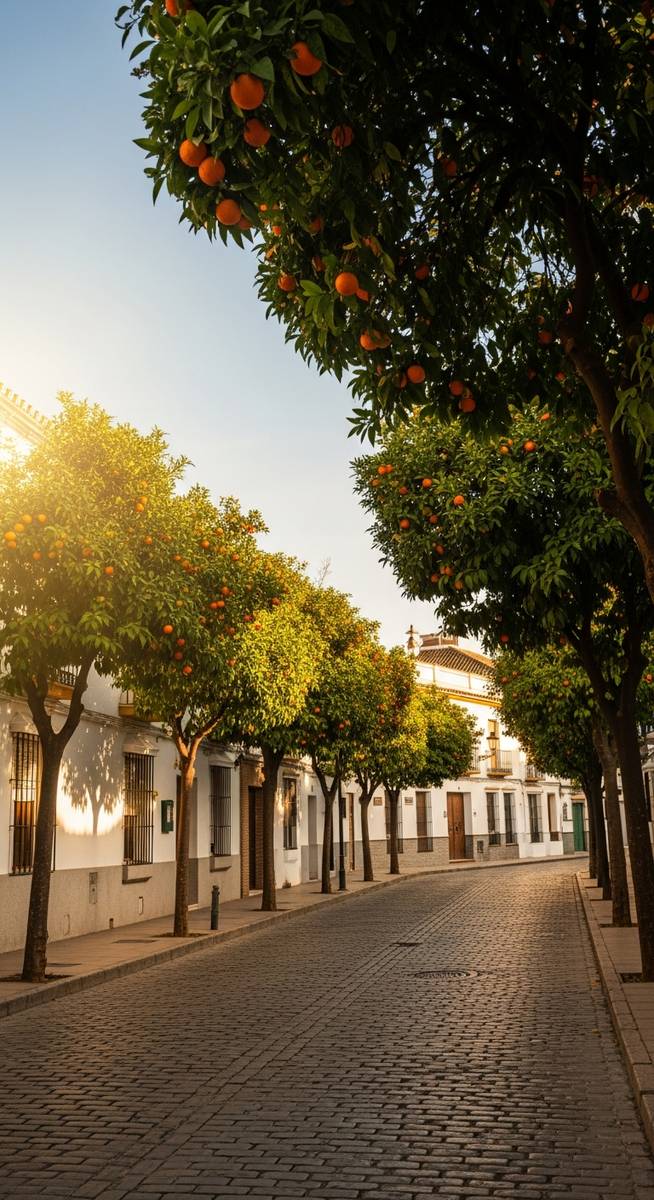
Summer in southern Spain is genuinely brutal – 40°C+ in Seville and Córdoba is not fun for sightseeing. I much prefer April-May and September-October when the weather is perfect and the crowds are manageable.
Madrid and Barcelona work year-round, but spring and fall are ideal. Valencia is great almost anytime, though summer brings beach crowds and higher prices.
Spanish Eating Times (And Why They Matter)
This takes some adjustment: lunch is 2-4 PM, dinner starts around 9-10 PM. Many restaurants close in the afternoon, so plan accordingly. The menú del día at lunch is always your best value – three courses plus wine for €12-18 at good restaurants.
Tapas culture varies by region. In Seville, you get free small plates with drinks. In Barcelona, you pay for everything. In Granada, it’s still mostly free. Understanding these differences helps you budget and order appropriately.
Money Matters
Budget travelers can do Spain for €70-100 per day if you stay in hostels, eat some meals from markets, and prioritize free activities. Mid-range travelers should budget €140-200 per day for private rooms, restaurant meals, and comprehensive sightseeing.
Barcelona and Madrid cost 20-30% more than secondary cities, but the experiences justify the expense. Book accommodations early for better prices and location.
Don’t forget travel insurance – I recommend SafetyWing for comprehensive coverage that won’t break the bank.
Accommodation Strategy
For Barcelona, definitely read my guide to the safest neighborhoods and consider those boutique hotels for something special.
Book 2-3 months ahead for peak season (Easter, summer) when prices skyrocket and availability disappears. Central locations cost more but save time and transport costs.
Traditional Spanish paradores (converted historic buildings – think castles and monasteries, in many cases) offer unique experiences, while family-run pensiones provide authentic local character. Both beat generic international chains for atmosphere and value.
Spain has this incredible ability to surprise you, even when you think you know what to expect. Whether you’re marveling at Gaudí’s imagination in Barcelona, getting lost in the Alhambra’s courtyards, or simply enjoying a perfect paella by the Mediterranean, every moment feels like a discovery.
These itineraries give you a solid framework, but honestly, some of my best Spanish memories came from unexpected detours and spontaneous conversations with locals. Use these suggestions as your starting point, but don’t be afraid to wander off the plan when something catches your interest.
That’s when Spain really works its magic.
