
11 Delicious Christmas Dishes from Spain You Have to Try


Christmas in Spain is as much about the food as it is about the festivities. From sweet treats to rich, savory dishes, the holiday table is full of traditional favorites that vary from region to region.
I’ve spent a few Christmases here now and let me tell you, no matter where in the country you’ll be for the holiday season, the food options (and quantities!) won’t disappoint you.
So whether you’re visiting for the first time or just curious about what locals eat this time of year, these are the best Christmas foods in Spain you’ll want to try – and then recreate at home once you come back, for some delicious festive memories.
Are you a foodie heading to Spain soon?
Doing a food tour while you’re in Spain is a great way to get to see – and taste! – your way through whichever city you find yourself in. You’ll get to go where the locals go, eat what the locals eat…and have an amazing time doing it!
Most popular food tours in Spain
🌴 Heading to Barcelona? Try this evening tapas and wine walking tour through the city’s historic streets.
🏰 Visiting Madrid? Don’t miss sampling local specialties at San Miguel Market and beyond on this food tour.
🥘 Planning time in Valencia? Learn the secrets of Spain’s signature dish (which was created right here!) with this hands-on paella cooking class and market visit.
🍷 Exploring Seville? Jump into the nightlife on this tapas and wine crawl through hidden taverns.
🍢 Heading to San Sebastián? Taste your way through the Old Town on this pintxo and wine tour.
🍇 Staying in Bilbao? Escape to wine country on this full-day La Rioja wineries tour with tastings.
1. Traditional Spanish Christmas Sweets and Desserts
Spanish Christmas wouldn’t be complete without an incredible array of sweets that appear in bakeries and homes throughout the holiday season. These aren’t your typical cookies – they’re often made with almonds, honey, and spices that reflect Spain’s Moorish heritage.
The tradition of Christmas sweets dates back centuries, with many recipes originating in convents where nuns would prepare these treats as gifts. You’ll find these desserts beautifully packaged in shops across Spain, making them perfect souvenirs or gifts.
2. Roscón de Reyes
The roscón de reyes is arguably Spain’s most important Christmas dessert, traditionally eaten on January 6th to celebrate the arrival of the Three Kings. This ring-shaped sweet bread is topped with candied fruits and filled with cream, custard, or chocolate.
Hidden inside each roscón is a small figurine and a dried bean – whoever gets the figurine becomes king or queen for the day, while whoever gets the bean has to pay for next year’s roscón. It’s a fun tradition that really brings families together and creates lasting memories.

3. Turrón
Turrón is Spain’s most famous Christmas sweet, and you’ll see it everywhere from October through January. This almond nougat comes in two main varieties: turrón duro (hard) from Alicante and turrón blando (soft) from Jijona.
(Want to try some? You can get the soft one here and the hard one here. I prefer the soft one, personally, but you could always get one of each to try them out!)
The hard version contains whole almonds in a crispy honey base, while the soft version is ground into a smooth, almost peanut butter-like consistency. Both are incredibly rich, so a small piece goes a long way – perfect for sharing after a big Christmas meal.
4. Polvorones and Mantecados
These traditional shortbread-like cookies are made with lard (or butter), flour, sugar, and often ground almonds. Polvorones literally means “dusty ones” because they crumble into powder when you bite them – that’s exactly what they’re supposed to do.
Mantecados are similar but slightly denser and often flavored with cinnamon or lemon. Both cookies are individually wrapped in tissue paper, and there’s an art to eating them without making a complete mess of yourself.
5. Marzipan
The city of Toledo is famous throughout Spain for its marzipan, made from ground almonds and sugar. During Christmas, you’ll find marzipan shaped into elaborate figurines, fruits, and traditional Christmas symbols.
Toledo’s marzipan is protected by a designation of origin, meaning the real deal can only come from this historic city. The texture is incredibly smooth and sweet, with an intense almond flavor that’s quite different from the marzipan you might know from other countries.
6. Christmas Seafood Traditions Across Spain
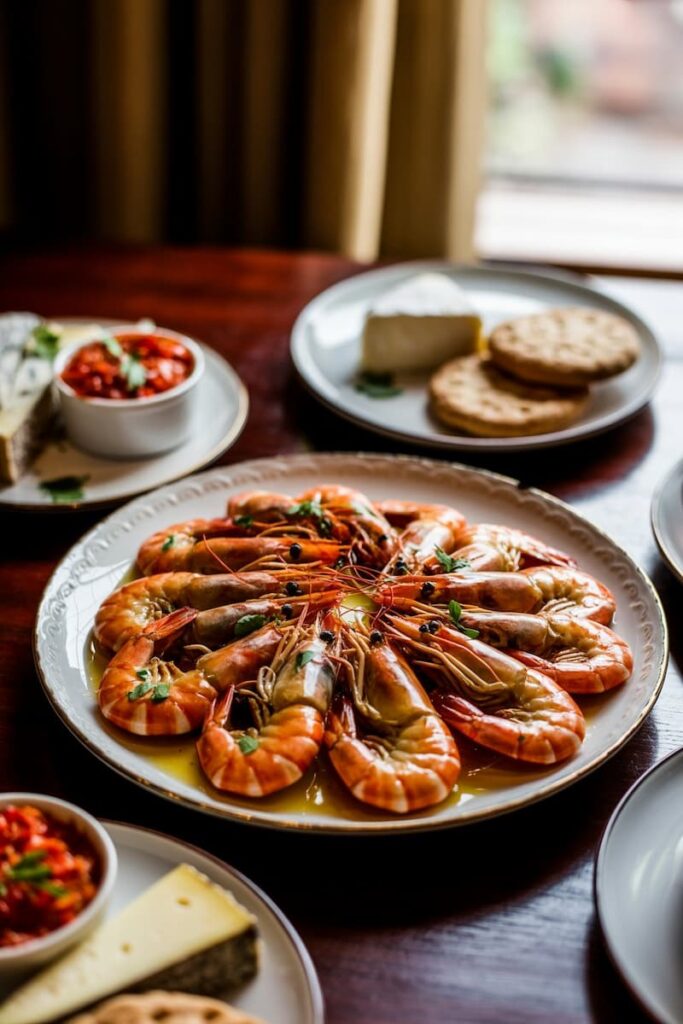
Christmas Eve dinner in many Spanish families centers around seafood rather than meat. This tradition, called “Nochebuena,” often features dishes like besugo (sea bream), langostinos (prawns), and bacalao (cod).
The seafood tradition varies by region – coastal areas naturally feature more elaborate fish dishes, while inland areas might focus on preserved seafood like salt cod. If you’re planning to experience this tradition while visiting Valencia, for example, you’ll find excellent seafood markets throughout the city.
7. Cocido Madrileño
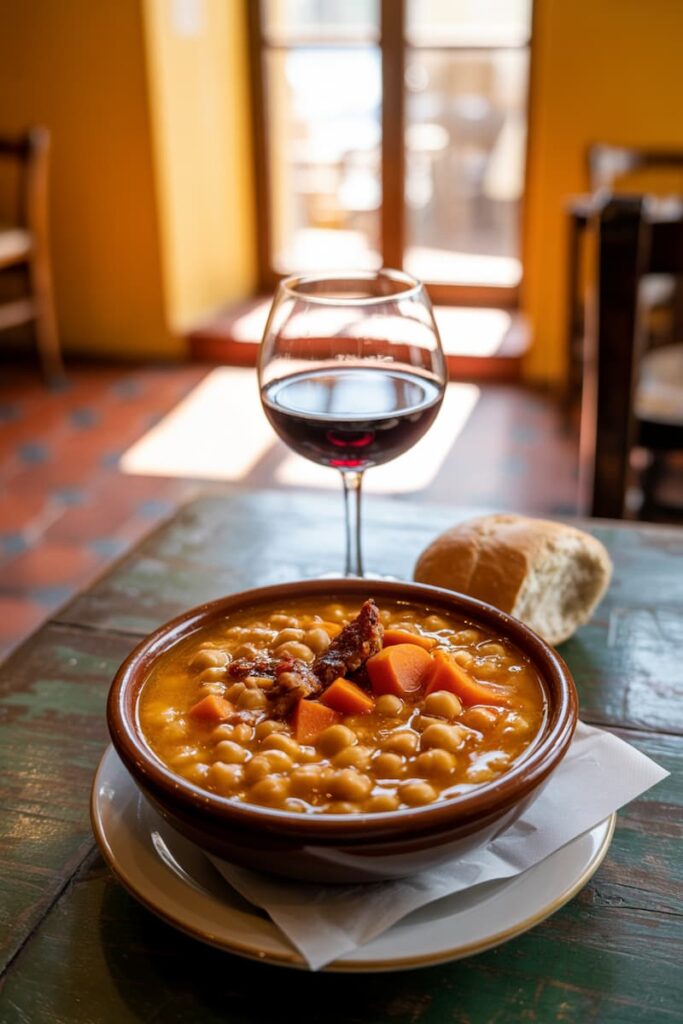
This three-course meal in one pot is Madrid’s contribution to Spanish Christmas cuisine. Cocido madrileño combines chickpeas, various meats, and vegetables in a slow-cooked stew that’s served in a specific order.
First comes the broth as a soup, then the vegetables and chickpeas, and finally the meats. If you’re choosing between Madrid or Barcelona for your Christmas visit, this traditional dish is one of the unique experiences you’ll only find in the capital.
8. Lamb and Roasted Meats for Christmas Dinner
While seafood dominates Christmas Eve, Christmas Day often features roasted meats, particularly lamb. Cordero asado (roast lamb) is prepared with garlic, rosemary, and white wine, creating incredibly tender meat with crispy skin.
In some regions, you’ll also find cochinillo (roast suckling pig) or pavo trufado (stuffed turkey). These dishes require hours of slow roasting and are usually the centerpiece of extended family gatherings that can last well into the evening.
9. Appetizers and Tapas
Before the main Christmas meals, Spanish families enjoy a variety of appetizers and tapas. These might include jamón ibérico, Manchego cheese, olives, and small portions of traditional dishes. Many families also prepare canapés and more elaborate appetizers for Christmas parties.
If you want to experience authentic Spanish tapas culture during your visit, I recommend this tapas walking tour in Barcelona, which combines traditional food with wine and local history.
10. Regional Christmas Specialties
Each region of Spain has its own Christmas food traditions. In Catalonia, you’ll find neulas (thin wafer cookies), whereas Andalusia is famous for its Christmas olive oil cakes and special holiday versions of gazpacho.
The Basque Country celebrates with txuleta (grilled steaks) and special versions of pintxos, while Valencia has its own Christmas rice dishes. If you’re planning to explore these regional differences, Barcelona in spring is when many food festivals showcase these traditional recipes.
11. Drinks (Cava, Ponche, and More)
Spanish Christmas celebrations wouldn’t be complete without the right drinks. Cava, Spain’s sparkling wine, is essential for toasts and celebrations throughout the holiday season.
Many regions also have traditional Christmas punches and warm drinks. Ponche de huevo (an eggnog-like drink) is popular in some areas, while others prefer hot chocolate with churros for Christmas morning breakfast.

Where to Buy Spanish Christmas Foods and Ingredients
If you’re visiting Spain during Christmas, you’ll find these foods in bakeries, pastelerías, and special Christmas markets. Many supermarkets also create elaborate Christmas food sections starting in November.
For the best quality traditional sweets, look for artisanal producers and shops that specialize in regional specialties. If you’re in Seville, don’t miss the incredible food and drink scene – many shops there sell beautiful Christmas gift boxes of traditional sweets.
Christmas Food Markets and Experiences in Spain
Major Spanish cities host special Christmas markets where you can sample and buy traditional holiday foods, like these Christmas markets around Spain. They’re perfect for trying different regional specialties and learning about Spanish Christmas traditions.
Many cities also offer Christmas food tours during December and January, giving you the chance to taste these special dishes while learning about their history and cultural significance. I’d recommend this paella cooking class in Barcelona, which includes a market tour and teaches you to make Spain’s most famous dish – perfect for understanding Spanish food culture.
