
10 Essential Things to Do in Córdoba, Spain

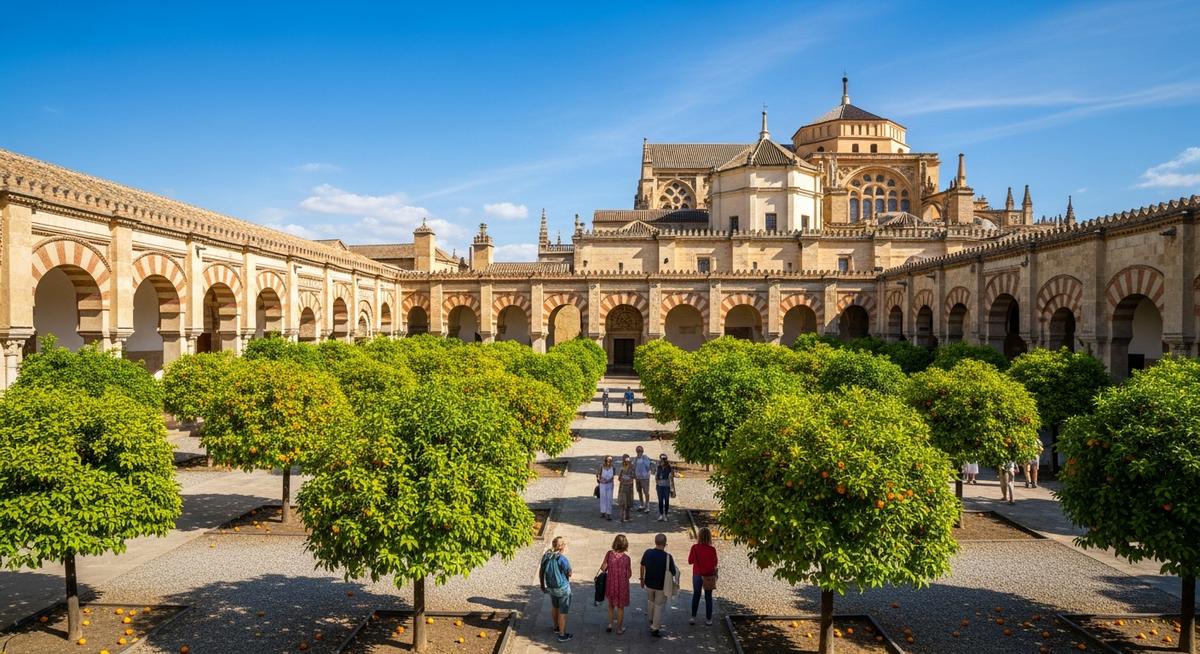
Córdoba is one of Andalusia’s most historically rich cities, where Islamic, Christian, and Jewish cultures have left their mark over centuries. As someone who’s explored this incredible city multiple times, I can tell you that it’s absolutely worth dedicating at least two full days to really soak in its atmosphere.
The city’s compact historic center makes it perfect for walking, and you’ll find yourself constantly amazed by the architectural wonders around every corner.
Whether you’re interested in ancient history, stunning architecture, or simply want to experience authentic Andalusian culture, Córdoba delivers on all fronts – and it makes an excellent addition to any southern Spain itinerary.
1. Explore the Mezquita-Catedral
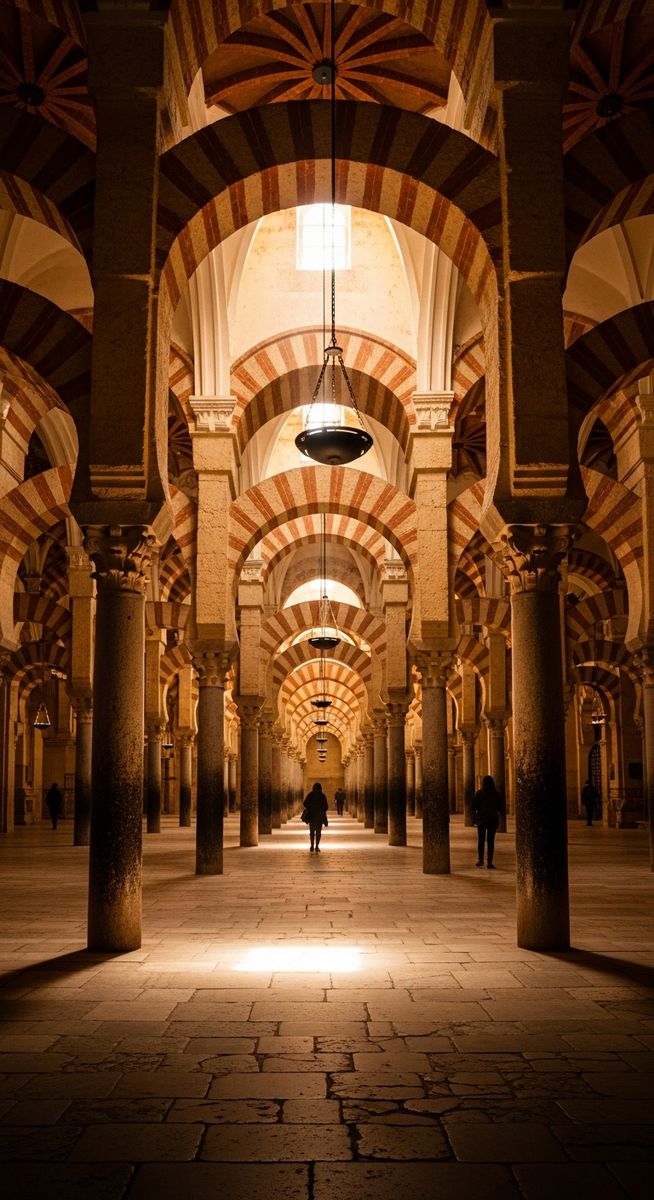
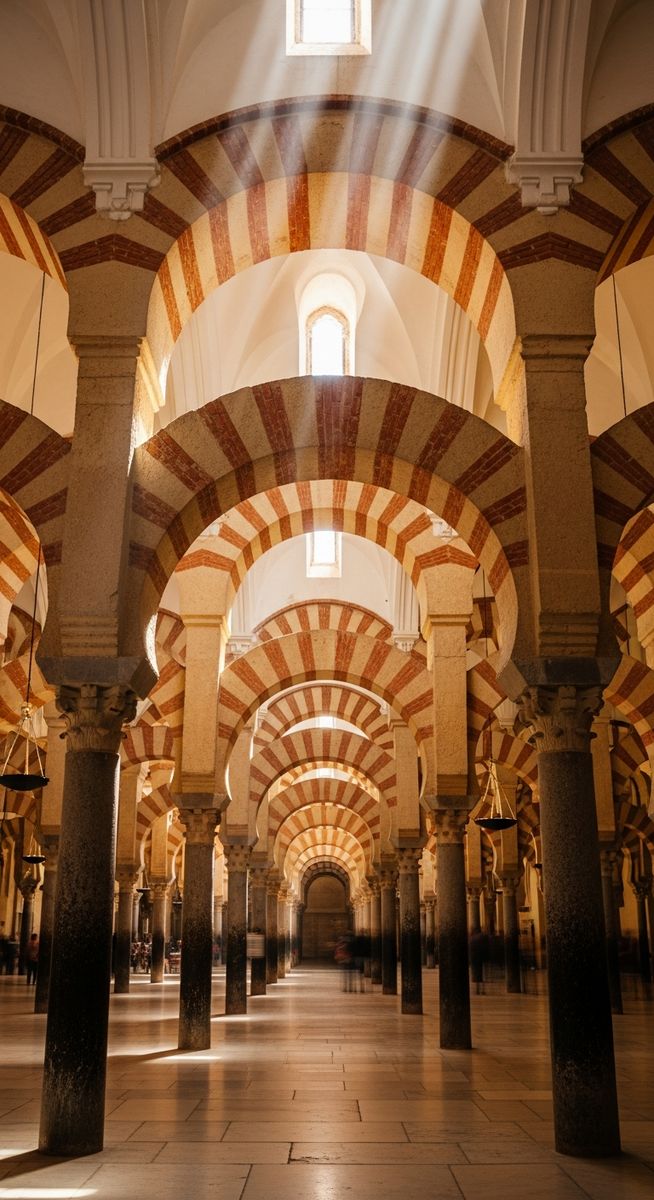
The Mezquita-Catedral is undoubtedly Córdoba’s crown jewel and one of the most unique religious buildings you’ll ever see. This massive structure started as a mosque in 785 AD and was later converted into a cathedral, creating an absolutely fascinating blend of Islamic and Christian architecture.
Walking through the forest of red and white striped arches is like stepping into another world – the sheer scale and beauty will leave you speechless. The mihrab (prayer niche) is particularly impressive, with its intricate mosaics and horseshoe arches that showcase some of the finest Islamic art in Spain.
I’d definitely recommend booking your tickets in advance, especially during peak season, as this is Córdoba’s most popular attraction.
For the best experience, consider booking this skip-the-line guided tour of the Mezquita-Catedral to beat the crowds. Plus, the tour provides excellent commentary about the building’s fascinating transformation from mosque to cathedral.
2. Wander Through the Historic Jewish Quarter (Judería)
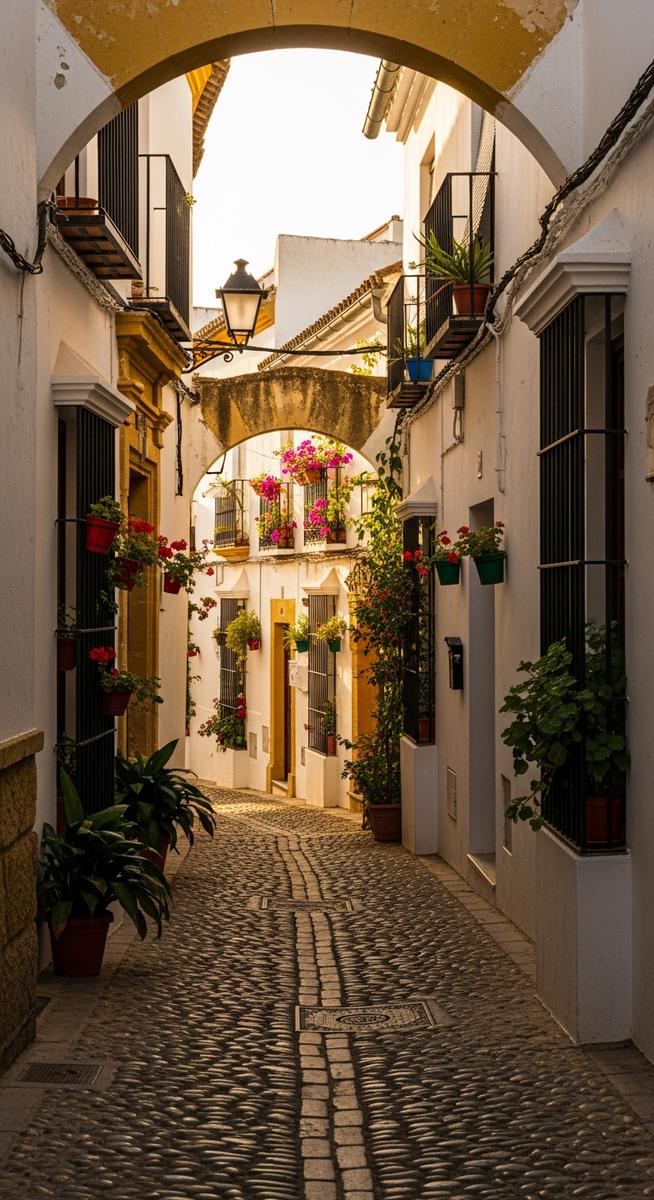
The Jewish Quarter is where Córdoba’s charm really comes alive, with its narrow cobblestone streets, whitewashed houses, and flower-filled patios. This maze of medieval streets was once home to one of Europe’s most important Jewish communities, and you can still feel that history as you explore.
The area is perfect for getting lost in – and I mean that in the best possible way. You’ll stumble upon hidden plazas, traditional craft shops, and some of the city’s best restaurants tucked away in centuries-old buildings that share architectural similarities with Seville’s historic neighborhoods.
Don’t miss the Casa de Sefarad, a museum dedicated to the Sephardic Jewish culture that once flourished here. For a comprehensive experience of the area, I’d recommend this Jewish Quarter, Mezquita, and Alcázar tour that covers all the main historical sites and provides fascinating insights into Córdoba’s multicultural past.
3. Visit the Alcázar de los Reyes Cristianos
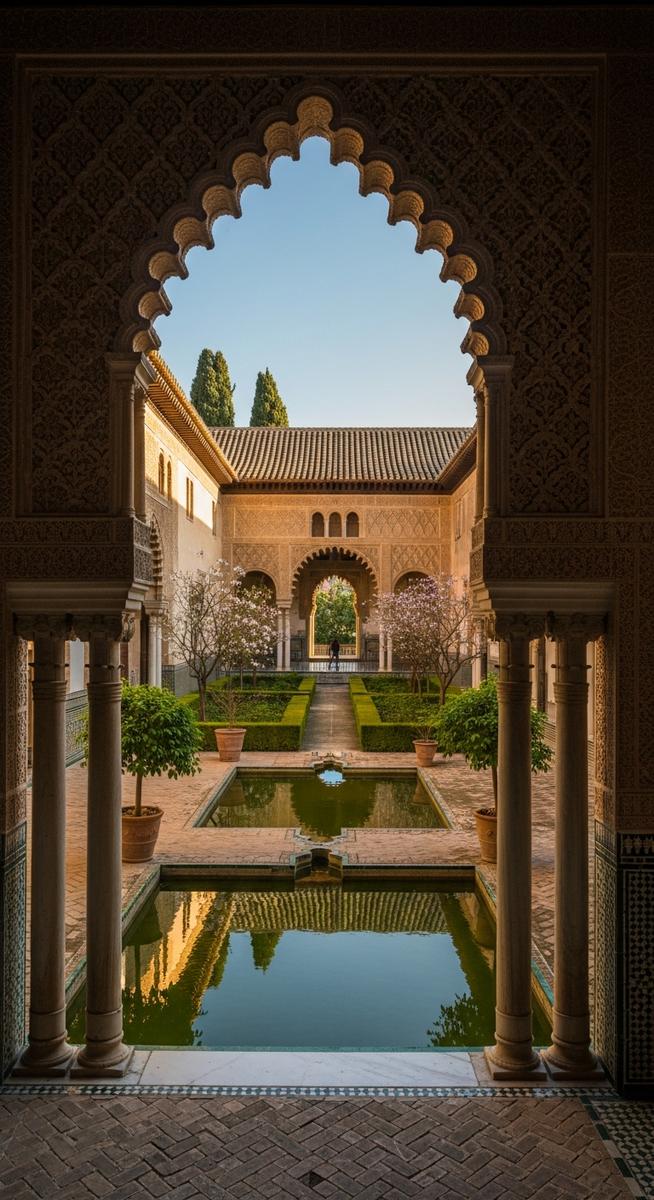
The Alcázar de los Reyes Cristianos offers a fascinating glimpse into Córdoba’s Christian period, built by Alfonso XI in 1328. The fortress served as a residence for Catholic monarchs and later became the headquarters of the Spanish Inquisition – quite a dramatic history for one building.
The real highlight here are the spectacular gardens, which are among the most beautiful in all of Spain. The geometric pools, fountains, and perfectly manicured hedges create a peaceful oasis that’s especially lovely in the late afternoon when the light is soft and golden.
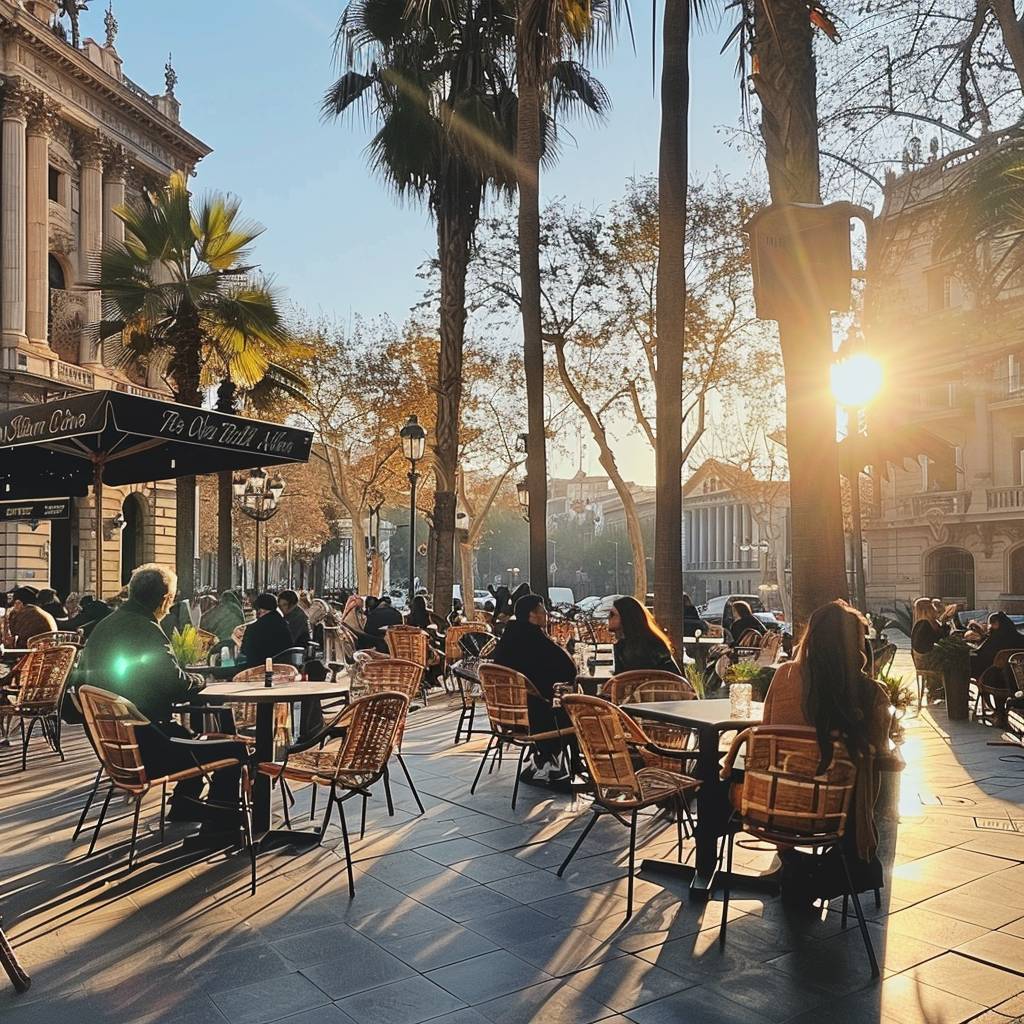
The views from the towers are fantastic, giving you a bird’s eye perspective of the historic center and the Guadalquivir River. If you’re visiting during summer, I’d definitely recommend going early in the morning or late afternoon to avoid the heat.
4. Stroll Across the Roman Bridge
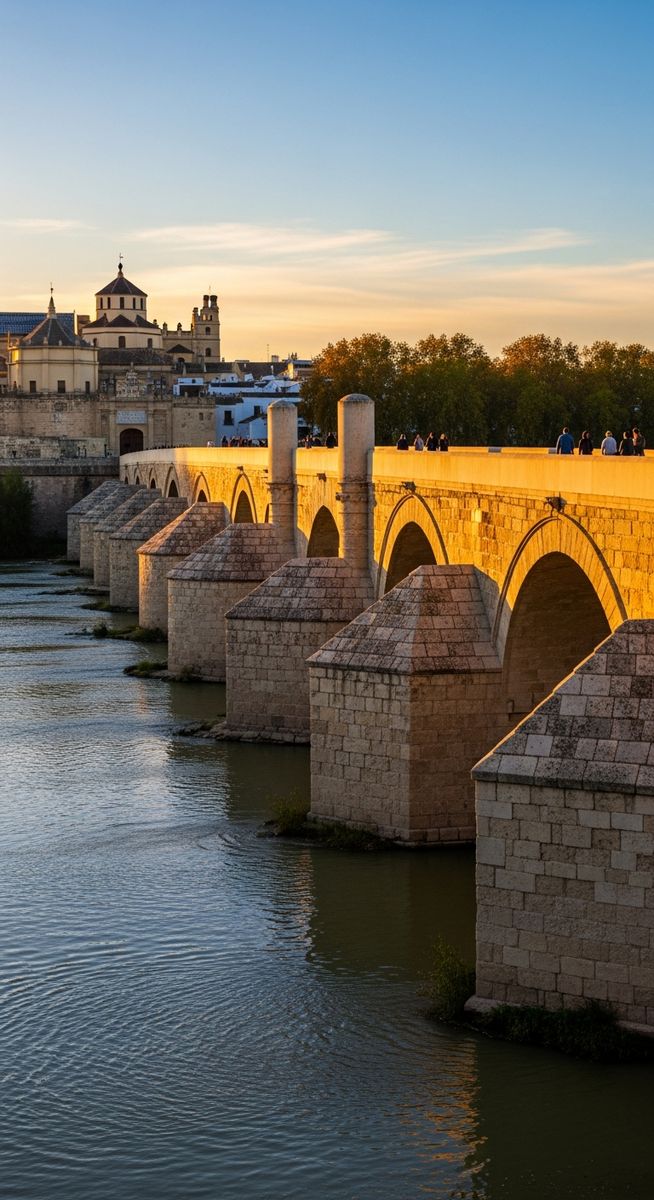
The Roman Bridge (Puente Romano) has been spanning the Guadalquivir River for over 2,000 years, making it one of Córdoba’s most enduring landmarks. While it’s been rebuilt several times over the centuries, walking across it still gives you a real sense of connection to the city’s ancient past.
The bridge offers some of the best views of the Mezquita and the historic center, especially at sunset when the golden light illuminates the ancient stones. It’s about 250 meters (820 feet) long, so it’s a pleasant walk that doesn’t take too much time.
At the southern end, you’ll find the Calahorra Tower, which houses a museum about the three cultures that coexisted in medieval Córdoba. It’s worth a quick visit if you want to learn more about the city’s multicultural heritage.
5. Discover the Medina Azahara Archaeological Site
About 8 kilometers (5 miles) outside Córdoba lies one of Spain’s most important archaeological sites – the ruins of Medina Azahara. This was once a lavish palace city built by the Umayyad caliph Abd al-Rahman III in the 10th century, and it’s absolutely mind-blowing to imagine how magnificent it must have been.
The site was largely destroyed during civil wars in the 11th century, but ongoing excavations continue to reveal incredible details about Islamic art and architecture. Since it’s a bit outside the city, I’d recommend this guided tour to Medina Azahara that includes transportation from Córdoba and expert commentary about this UNESCO World Heritage site.
You’ll need to take a shuttle bus from the visitor center to the actual ruins, but it’s well worth the trip. The scale of what remains is impressive – the ruins are so significant that they’re often called the “Versailles of the 10th century” – and you can really appreciate the sophistication of medieval Islamic civilization.
6. Experience the Courtyards Festival (Patios de Córdoba)
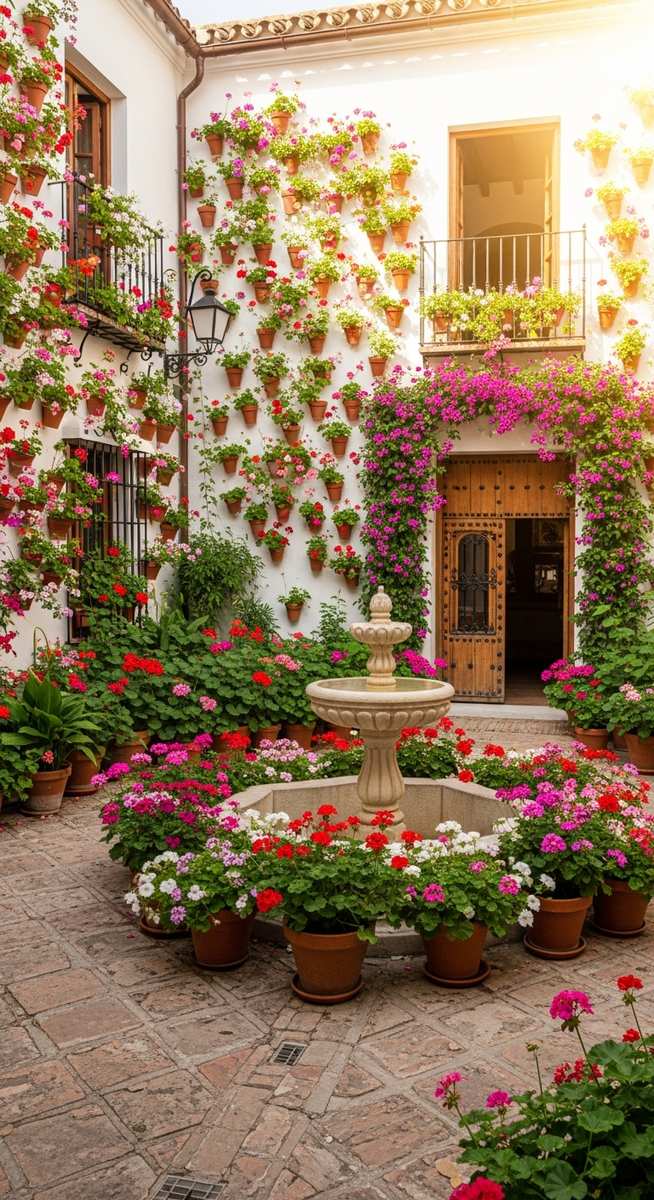
If you’re lucky enough to visit Córdoba in May, you absolutely can’t miss the Patios Festival, when residents open their private courtyards to the public. These aren’t just any courtyards – they’re works of art filled with hundreds of potted flowers, creating explosions of color that are genuinely breathtaking.
The tradition dates back centuries, and many of these patios have been lovingly maintained by the same families for generations. If you’re visiting during the festival season, I highly recommend this guided tour of the famous patios to learn about their history and cultural significance.
Even if you can’t visit during the festival, you can still glimpse some beautiful patios year-round by peeking through doorways as you wander the historic center. Many restaurants and hotels also have stunning courtyards that capture this quintessentially Cordoban aesthetic.
7. Relax in the Royal Botanical Garden
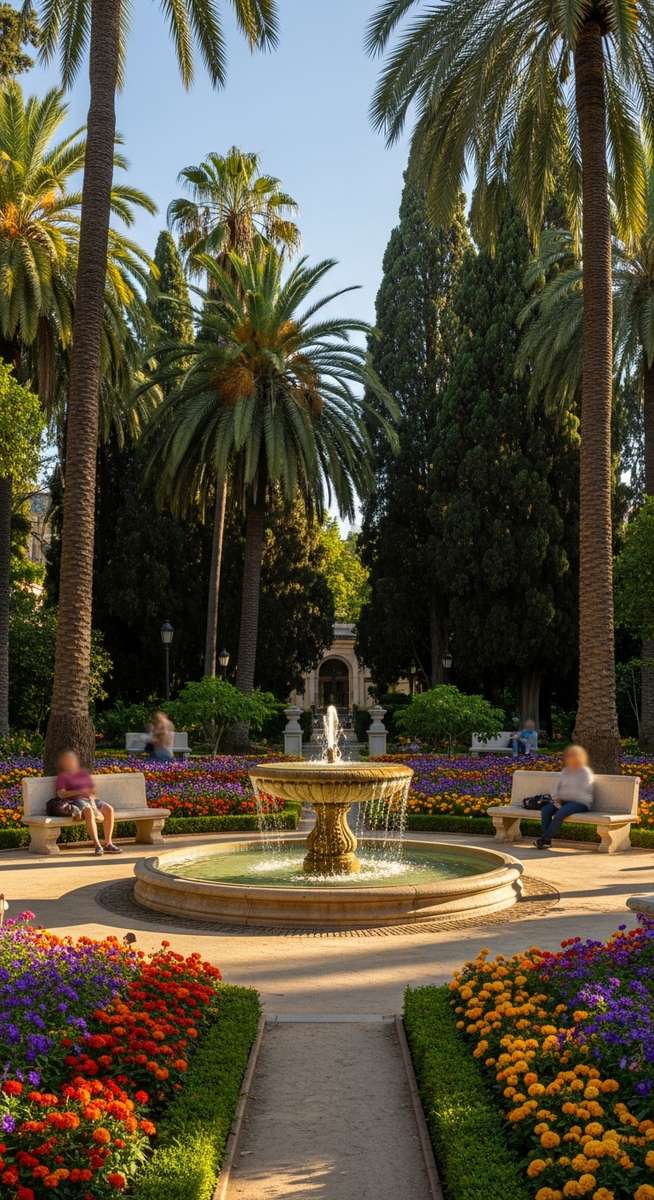
The Royal Botanical Garden of Córdoba is a peaceful escape from the bustling historic center, covering about 5.5 hectares (13.6 acres) along the banks of the Guadalquivir River. It’s particularly beautiful in spring when everything is in bloom, but honestly, it’s lovely any time of year.
The garden showcases plants from around the world, but I especially love the sections dedicated to Mediterranean and Andalusian flora. There’s something really special about seeing native plants in their natural climate – everything just looks so healthy and vibrant.
The greenhouse with tropical plants is also fascinating, and there are several peaceful spots where you can sit and read or just enjoy the tranquility. It’s especially nice if you’ve been doing a lot of sightseeing and need a break from crowds and historical sites.
8. Tour the Synagogue of Córdoba
The Synagogue of Córdoba is one of only three medieval synagogues that survive in Spain, making it an incredibly important historical site. Built in 1315, it’s much smaller than you might expect, but the intricate mudéjar decorations on the walls are absolutely exquisite.
The Hebrew inscriptions and geometric patterns show the sophisticated artistic culture of Córdoba’s Jewish community before their expulsion in 1492. It’s quite moving to stand in this space and think about the centuries of worship and community life that took place here.
The synagogue is quite small, so your visit won’t take long, but it’s definitely worth including in your walking tour of the Jewish Quarter. The building also serves as an important reminder of Spain’s complex multicultural history.
9. Shop and Dine in the Historic Center
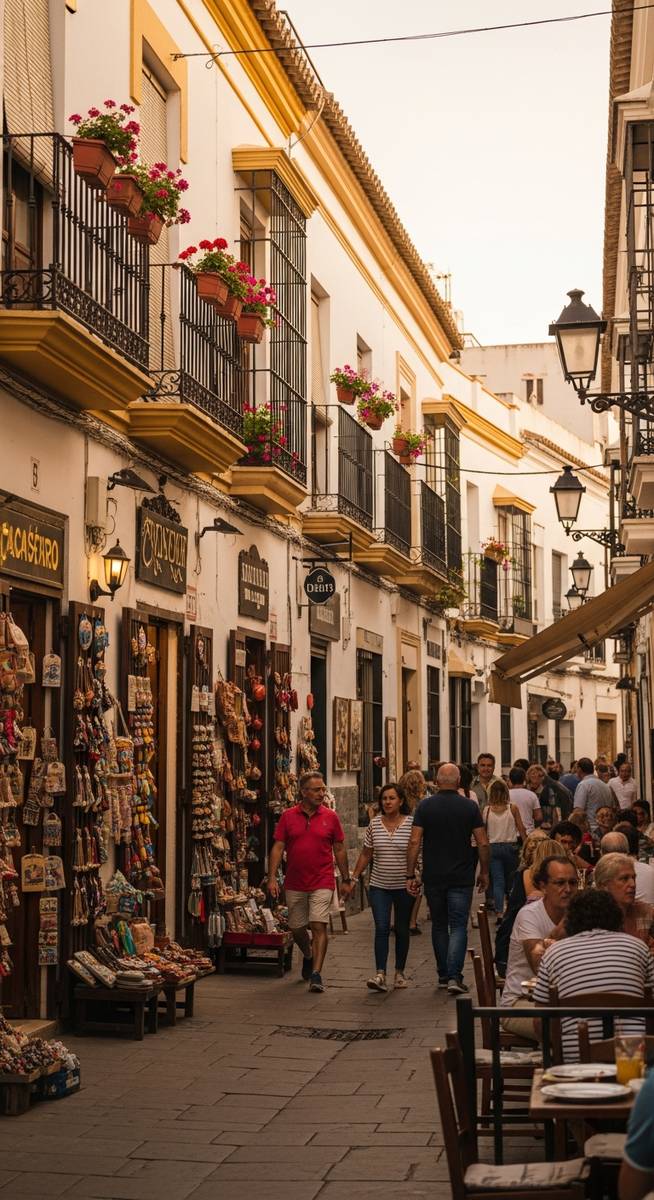
Córdoba’s historic center is fantastic for both shopping and dining, with everything from traditional craft workshops to modern boutiques. The area around the Mezquita has plenty of souvenir shops, but venture into the side streets for more authentic experiences and better prices.
For dining, I’d highly recommend trying some traditional Cordoban specialties like salmorejo (a thick cold tomato soup) and flamenquín (a rolled pork dish that’s absolutely delicious). The tapas culture here is fantastic – many bars still give you a free tapa with every drink, which is a wonderful tradition that you’ll also find throughout Seville and other Andalusian cities.
The evening paseo (stroll) through the historic center is one of my favorite Córdoba experiences. If you want to see the city from a different perspective, consider this daily highlights bike tour that covers all the major sights efficiently – it’s a perfect way to discover hidden local spots while exploring other incredible places in southern Spain.
Don’t miss experiencing authentic flamenco while you’re here – this flamenco show with drinks offers an intimate setting to appreciate this passionate art form that’s so integral to Andalusian culture.
10. Take a Day Trip to the Sierras Subbéticas Natural Park
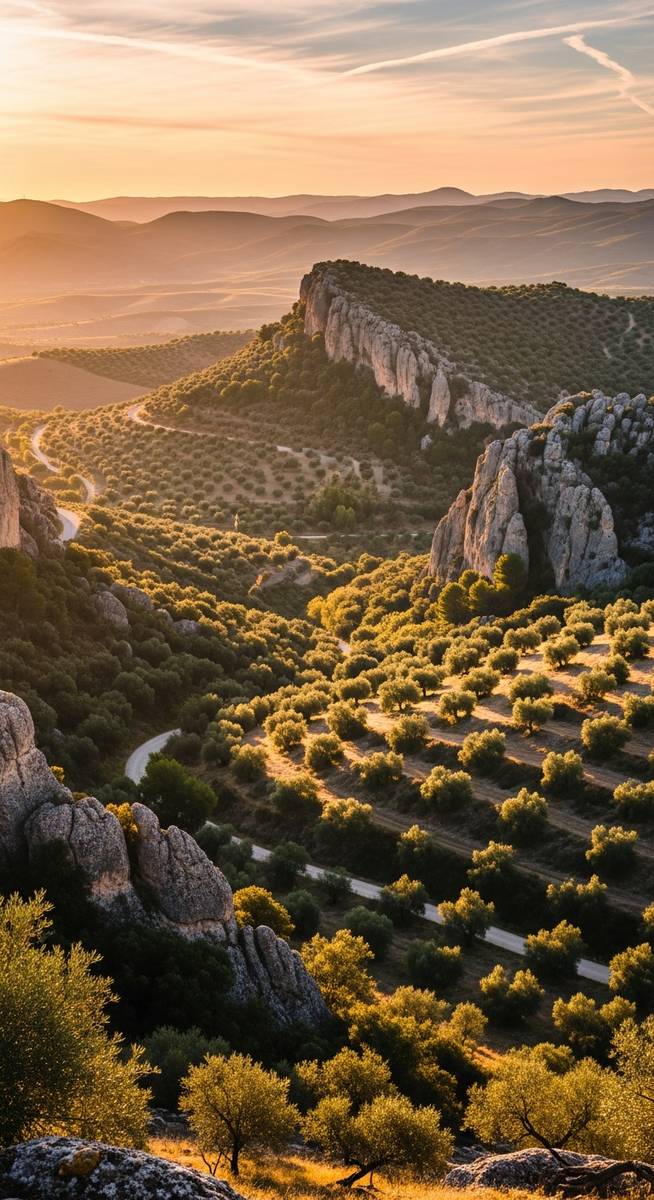
If you have an extra day and want to escape the city heat (especially in summer), the Sierras Subbéticas Natural Park is about an hour’s drive south of Córdoba. This mountainous region offers fantastic hiking trails, charming white villages, and some of the best olive oil in Spain – it’s one of many incredible day trips you can take from this part of Andalusia.
The park covers about 32,000 hectares (79,000 acres) of limestone mountains, with peaks reaching up to 1,570 meters (5,150 feet). The hiking trails range from easy walks to more challenging climbs, and the views over the Andalusian countryside are spectacular.
Villages like Zuheros and Priego de Córdoba within the park are absolutely charming, with their whitewashed houses and traditional Andalusian architecture. It’s a completely different side of the Córdoba province that many visitors never see, but it’s well worth the effort if you enjoy nature and small-town Spanish culture.
Final Thoughts
I mentioned it before but it’s worth repeating: you have to book tickets in advance for the major attractions on this list, especially during peak tourist season. It would be a huge shame for you to come all this way and then miss out on being able to enter these incredible places.
In addition, if you’re planning a broader Spanish adventure, check out my comprehensive Spain travel tips and southern Spain itineraries for the perfect trip!

Hello! I am hoping to spend the month of September 2026 in Jerez with some older relatives. Their mobility is not great but I would still like to show them as much as possible. Are there any companies in Jerez that organize day trips to different towns in Andalucia? Thank you so much!
Hi Jaimie,
Spending a month in Jerez sounds like such a lovely plan – especially in September, when the weather’s still warm but a bit more manageable. It’s great that you’re looking to explore with your relatives, and even if mobility is a bit limited, there are still some great options for day trips from Jerez that don’t require too much walking.
That said, it’s true that most of the day tours in this region tend to run TO Jerez rather than from it, so the selection is a little more limited. But here are a few that are currently available and might suit what you’re looking for:
I recommend this day trip to the White Towns of Andalusia – it’s perfect if you want to get a feel for some of the most iconic villages in the region. This route usually includes places like Grazalema or Zahara de la Sierra, and while some streets are steep or cobbled, your guide can help adapt the pace.
This tour to Gibraltar from Jerez could also be a good one. It includes a 1.5-hour Rock Tour by vehicle, so your relatives can see the highlights without needing to walk too much. Make sure you all bring passports though, as this actually involves crossing into the UK!
If you’re after something a bit more low-key and local, this tour to the small towns of Vejer and Conil could be lovely. Just keep in mind that both towns have narrow, winding streets that can be tricky if mobility is limited – worth double-checking with the tour operator to see how flexible they are.
Since established day trips from Jerez are a bit thin on the ground, one other option is to reach out to companies offering private tours to Jerez and ask if they can arrange something in reverse. For example, this Seville to Jerez private day trip or this Marbella to Jerez tour might be able to adjust the route or offer a custom day out starting from Jerez instead. It’s always worth asking – many of these companies are quite flexible, especially for private tours.
I hope that helps, but let me know if any further info would assist!