
7 Days in Southern Spain: Culture, Cities and Coast

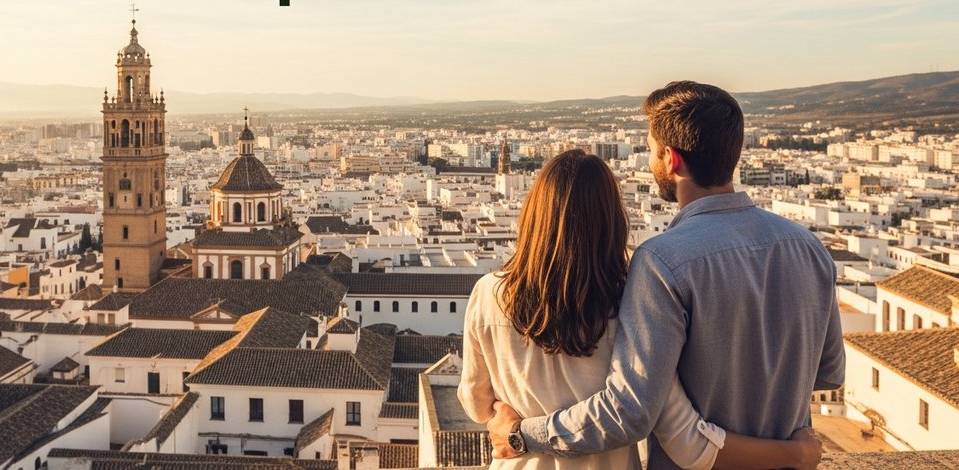
I’ve been traveling through Spain for years, and I can honestly say that southern Spain holds a special place in my heart.
There’s something magical about Andalusia – the way flamenco guitar drifts from neighborhood bars in Seville, how the light hits the Alhambra at sunset in Granada, and the easy rhythm of life that makes you want to linger over tapas just a little bit longer.
And if you’re planning your first trip to this incredible region, a week gives you just enough time to hit the highlights without rushing. With this one-week itinerary in southern Spain, you’ll get a real taste of what makes this part of the country so captivating, from Islamic palaces that will take your breath away to local markets where the vendors remember your face after just one visit.
Planning Your Southern Spain Adventure
Best Time to Visit Southern Spain
I always tell people that spring (April-May) and fall (September-October) are absolutely perfect for exploring southern Spain. The weather is warm but not overwhelming, and you won’t be fighting crowds at every major sight.
Summer can be brutal – I’m talking 40°C (104°F) in Seville and Córdoba, which honestly makes sightseeing pretty miserable. Winter is actually lovely if you don’t mind slightly shorter days and the occasional rainy afternoon.
Getting Around: Transportation Tips
The train system here is genuinely excellent, and I always recommend booking through Trainline for convenience. The high-speed trains between Seville, Córdoba, and Málaga are comfortable and punctual, though you’ll need to take a bus to reach Granada.
Renting a car gives you more freedom to explore those gorgeous white villages scattered across the hills. Just be prepared for some seriously narrow streets in the old town centers – I learned that the hard way!
Where to Stay in Each City
My advice is always to stay right in the historic centers, even if it costs a bit more. You’ll save time and money on transportation, plus there’s nothing quite like stepping out of your hotel and immediately being surrounded by centuries of history.
In Seville, I love the Santa Cruz neighborhood for its winding streets and proximity to everything. Granada’s Albaicín quarter offers those incredible Alhambra views right from your window, while Córdoba’s historic center puts you a two-minute walk from the Mezquita.
Day 1-2: Seville – The Heart of Andalusia
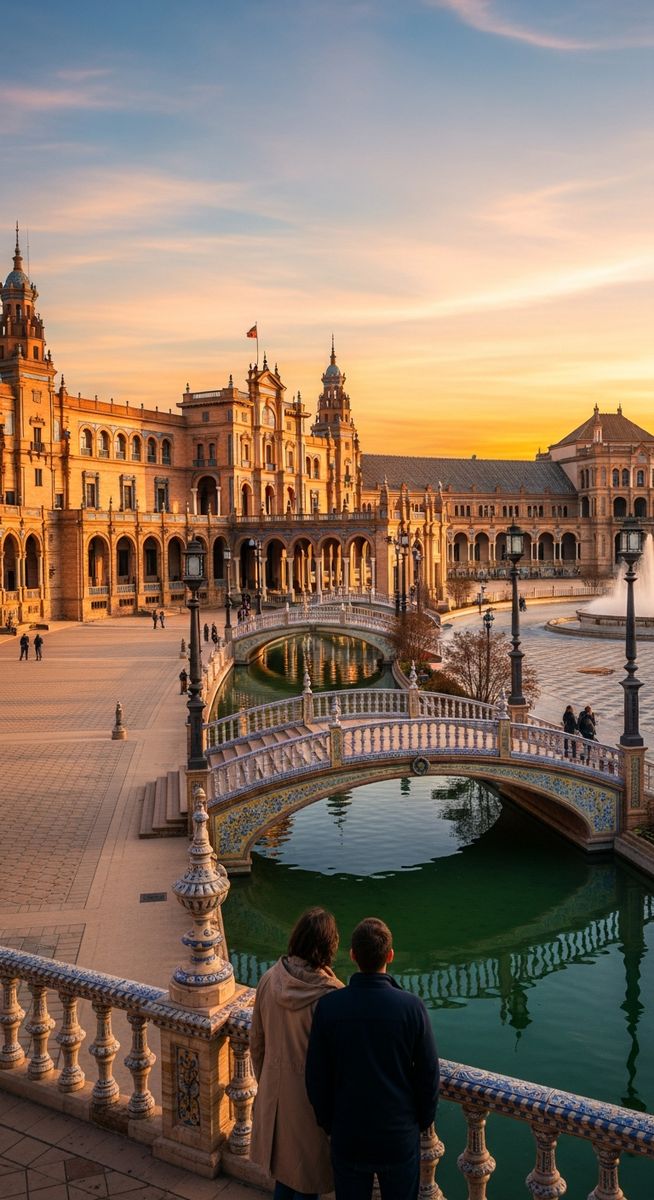
Seville is where I tell first-time visitors to start their Andalusian journey because it captures everything you imagine about southern Spain.
The city has this incredible energy – you’ll hear flamenco spilling out of bars, smell orange blossoms on every corner, and find yourself staying out way later than planned because the atmosphere is just so infectious.
Must-See Sights in Seville
Start with the Cathedral because it’s genuinely mind-blowing – we’re talking about the largest Gothic cathedral in the world here. Skip the line tickets for the Cathedral and Giralda are worth every penny because the views from the top of the Giralda tower will give you the perfect lay of the land.
The Real Alcázar is where I always spend the most time because the Mudéjar architecture is absolutely stunning. The gardens are perfect for escaping the heat, and honestly, you could spend hours just admiring the intricate tilework.
Want a great walking tour that will take you to all of Seville’s highlights? Check out this small-group walking tour to see the best of what Seville has to offer.
Prefer to see Seville’s sights on two wheels? This easy Seville bike tour is the cruisiest way to get around during your visit.
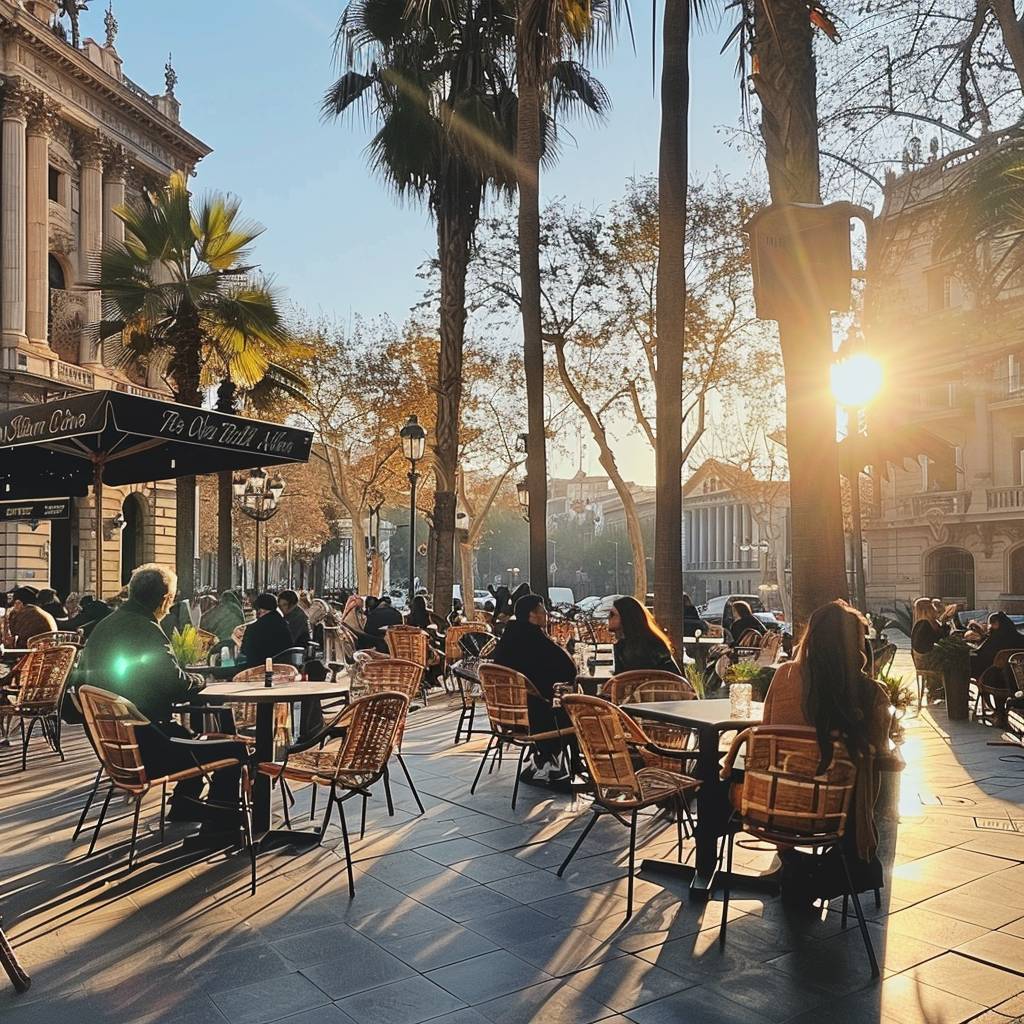
I always recommend wandering through Santa Cruz without any particular destination in mind. You’ll stumble across hidden plazas where locals are having their morning coffee, and every corner seems designed for Instagram (though it’s much prettier in person).
The Triana neighborhood across the river feels completely different – grittier, more authentic, and definitely where you want to go for the best tapas. This is also where flamenco was born, so if you’re going to catch a show anywhere, make it here.
Plaza de España is one of those places that looks almost too beautiful to be real. I recommend visiting both during the day and at sunset because the light completely transforms the space, and you’ll want photos of both.
Before you go, definitely check out these essential Seville travel tips – they’ll save you time and help you avoid the classic tourist mistakes. And trust me on this: what you wear in Seville really matters for staying comfortable in that Andalusian heat.
Where to Stay in Seville
Santa Cruz is my top pick because you’re literally surrounded by everything you came to see. The Alameda neighborhood is great if you want to feel more like a local – it’s where young Sevillanos go out at night, and the restaurant scene is fantastic.
The city center is practical if you’re planning day trips or need easy access to the train station. Many hotels have beautiful rooftop terraces where you can watch the sunset with a glass of local wine.
Best Seville Tours and Experiences
I always recommend catching a flamenco show while you’re here because this is really the heart of flamenco culture. Look for smaller venues rather than the big tourist theaters – the passion is much more authentic.
Food tours are brilliant here, and I particularly love the tapas and wine crawls because you’ll discover bars you’d never find on your own. If you’re feeling adventurous, try a Spanish cooking class – it’s a fun way to learn recipes you can recreate at home.
For a different perspective of the city, I love the bike tours or a relaxing river cruise along the Guadalquivir. And definitely make reservations at some of these incredible Seville restaurants – the food scene here is seriously underrated.
Day 3-4: Granada – Moorish Splendor and the Alhambra
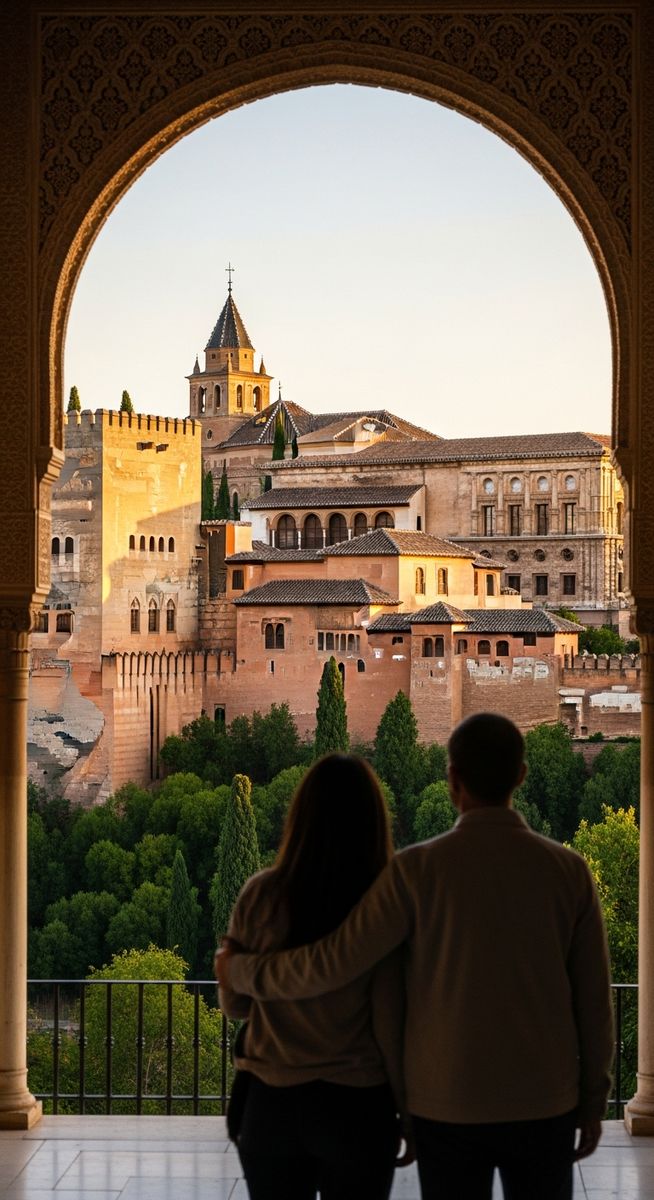
Granada feels like stepping into a different world, where Islamic Spain comes alive in the most beautiful way possible. The city has this dreamlike quality, especially when you’re walking through the Albaicín as the call to prayer echoes from the old mosque and the Alhambra glows golden in the distance.
Exploring the Alhambra Complex
Here’s the thing about the Alhambra – you absolutely must book your tickets in advance because they sell out, especially during peak season. Plan to spend a full day here because rushing through would be a crime against yourself.
The Nasrid Palaces are where you’ll understand why people travel from around the world to see this place. Every surface tells a story through geometric patterns and Arabic calligraphy, and the way water flows through the courtyards creates this incredibly peaceful atmosphere.
The Generalife gardens are where I always end up spending longer than planned. There’s something about the combination of fountains, flowers, and views over Granada that makes you want to find a quiet corner and just sit for a while.
I always recommend visiting either early morning or late afternoon because the light is spectacular and you’ll have fewer crowds. The way the setting sun illuminates the palace walls is something you’ll remember long after you return home.
Wandering the Albaicín Quarter
The Albaicín is one of those neighborhoods where getting lost is half the fun. These narrow cobblestone streets have been here since medieval times, and every corner reveals another beautiful view or hidden plaza.
Everyone heads to Mirador de San Nicolás for the classic Alhambra sunset shot, but honestly, it gets packed. I prefer Mirador de la Lona or San Cristóbal – you get equally stunning views without feeling like you’re at a tourist convention.
The tea houses (teterías) scattered throughout the neighborhood are perfect for taking a break. Order some mint tea and Middle Eastern pastries, and you’ll feel like you’ve been transported to Morocco for the afternoon.
I love exploring this area at different times of day because the atmosphere completely changes. Evening walks feel mysterious and romantic, while morning strolls reveal daily life as locals head to work and children walk to school.
Best Granada Tours
Alhambra tours with skip-the-line access are honestly essential if you want to make the most of your visit. The guides provide context and stories that bring the history to life in ways you’d miss exploring alone.
Walking tours through the Albaicín are fantastic for discovering those hidden spots and understanding the neighborhood’s fascinating history. Local guides share stories about the Islamic period, the Christian conquest, and how the area has evolved into what you see today.
Day 5-6: Córdoba – A Living Museum
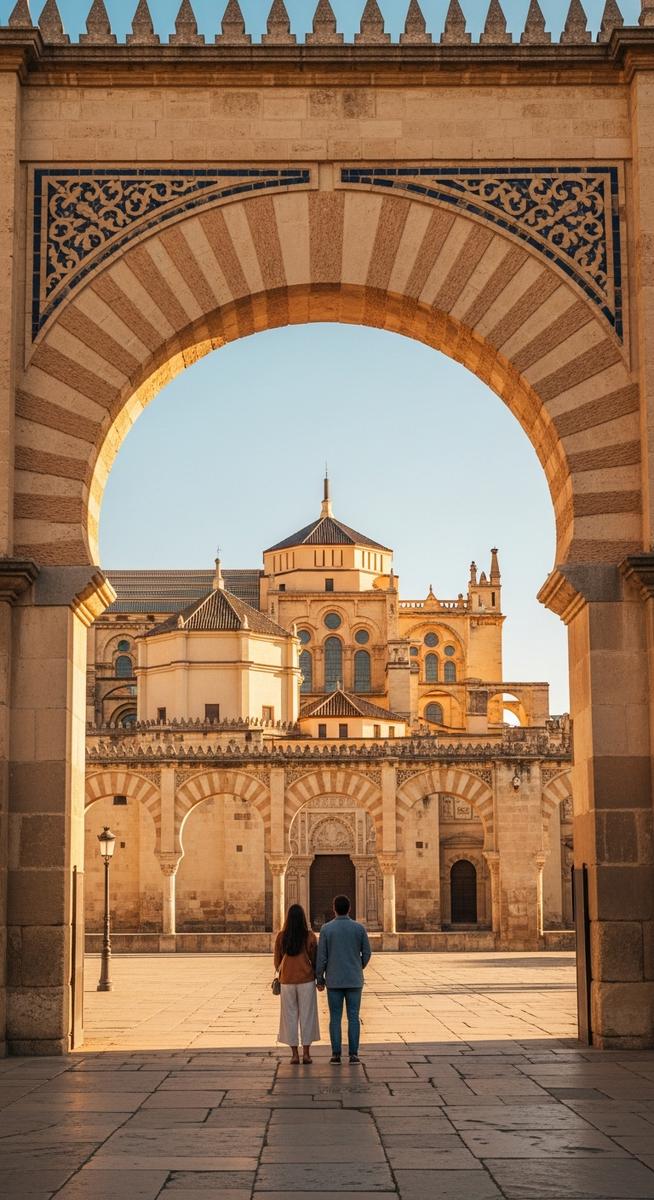
Córdoba might be smaller than Seville and Granada, but it packs an incredible historical punch. This was once the most important city in Western Europe, and walking through the old town, you can still feel echoes of that golden age when it was the capital of Islamic Spain.
The Mezquita and Historic Center
The Mezquita is one of those buildings that will completely mess with your expectations. Imagine walking into what you think is a mosque and discovering a full Catholic cathedral right in the middle – it’s architecturally mind-bending in the best possible way.
Those famous horseshoe arches supported by hundreds of columns create this incredible forest effect that feels almost mystical. You’ll find yourself walking in circles just trying to take it all in because every angle offers a different perspective.
The historic center around the Mezquita is perfect for wandering without any particular agenda. The Roman Bridge gives you great photo opportunities, and the Alcázar gardens are lovely for a peaceful break from sightseeing.
The Jewish Quarter (Judería) is incredibly atmospheric with its narrow streets and flower-filled patios. The small synagogue and Casa de Sefarad museum provide moving insights into Sephardic culture and their contributions to Spanish history.
Day Trip Options from Córdoba
Córdoba’s location makes it perfect for exploring some lesser-known gems in the surrounding area. Medina Azahara, the ruins of a 10th-century palace city, shows just how sophisticated Islamic civilization was at its peak – the recent museum there does an excellent job bringing the history to life.
If you have time, Priego de Córdoba is one of those postcard-perfect Andalusian towns where you can wander white-washed streets and enjoy incredible olive oil. The Montilla-Moriles wine region nearby produces unique sherry-style wines that pair beautifully with local cuisine.
You can also join a day trip to Córdoba and Carmona from Seville if you’re staying there and want to see multiple historic towns. It’s a nice way to experience the diversity of Andalusian architecture and culture.
Day 7: Málaga – Costa del Sol Gateway
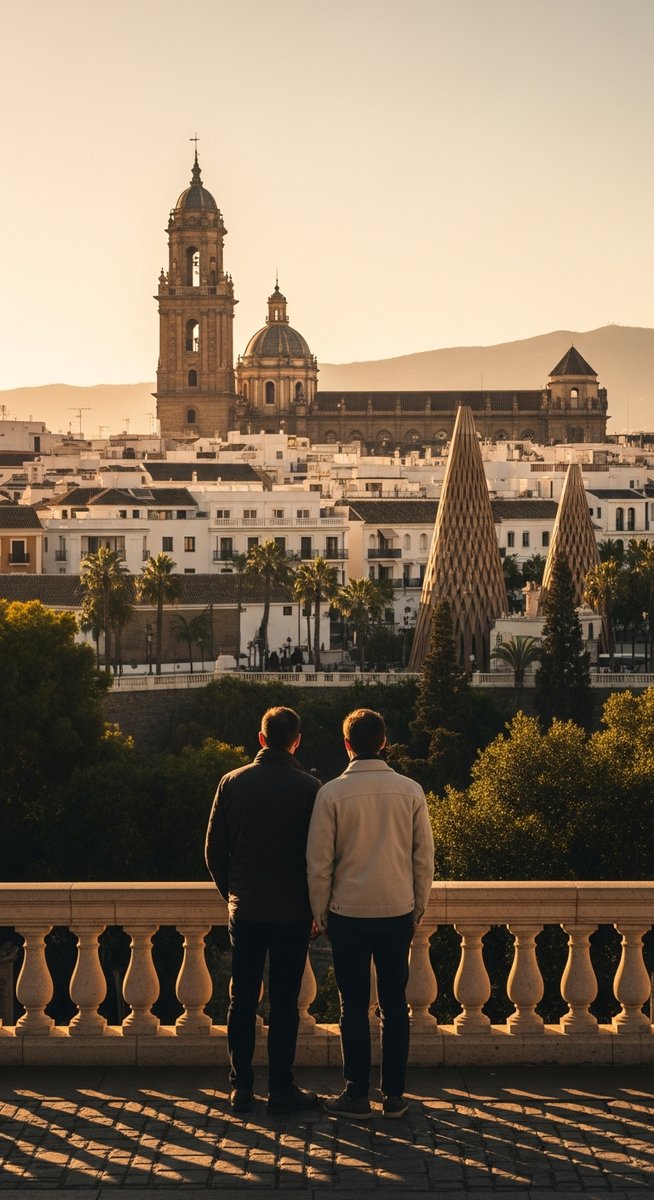
Most people think of Málaga as just an airport, but that’s honestly a huge mistake. The city has transformed itself into a cultural powerhouse while keeping that relaxed Mediterranean vibe that makes you want to extend your stay.
Málaga’s Cultural Attractions
The Picasso Museum is obviously a must-see since this is where the master was born. The collection is genuinely impressive, covering his entire career, and visiting his actual birthplace just down the street adds nice context to understanding his early influences.
The Alcazaba fortress is my favorite spot in the city because it combines beautiful Moorish architecture with panoramic views over the Mediterranean. The walk up to Castillo de Gibralfaro is worth it for even better vistas over the Costa del Sol coastline.
The historic center has this wonderful energy with pedestrian streets perfect for strolling and plenty of outdoor cafes for people-watching. The Pompidou and Thyssen museums bring world-class contemporary art to the city, while the Central Market is fantastic for sampling local specialties.
I always tell people to save some time for the market because the seafood is incredible and the vendors are happy to let you taste local cheeses and wines. It’s also great for picking up some last-minute souvenirs that actually represent the local culture.
Beach Time and Departure
If you have a few extra hours before your flight, Playa de la Malagueta is right in the city center. It’s not the most spectacular beach on the Costa del Sol, but there’s something nice about ending your Andalusian adventure with your feet in the Mediterranean.
The airport is incredibly well-connected with direct flights throughout Europe and beyond. I always recommend arriving early because the shopping is actually quite good, and there are some decent restaurants if you want one last taste of Spanish cuisine.
Essential Travel Tips for Southern Spain

What to Pack
Pack layers because even in summer, evenings can be cooler than you expect, especially in Granada with its higher elevation. Comfortable walking shoes are absolutely essential – we’re talking about cities with lots of cobblestones and hills, so leave the heels at home.
Sun protection is crucial year-round because the Andalusian sun is stronger than you think. When visiting religious sites, remember to cover your shoulders and knees – many churches and mosques are strict about this.
Local Customs and Etiquette
Here’s something that catches a lot of visitors off guard: everything happens later in Spain than you’re probably used to. Lunch is typically between 2-4 PM, dinner doesn’t start until 9 PM at the earliest, and if you want to experience nightlife, nothing really gets going until midnight.
Many smaller shops close from about 2-5 PM, so plan your shopping accordingly. Also, tipping isn’t expected like it is in other countries, but rounding up to the nearest 5 or 10 or even just leaving a few coins for good service is always appreciated.
Food and Drink Recommendations
Embrace the tapas culture because it’s one of the best ways to experience Spanish social life. Ordering several small plates to share means you get to try more dishes, and the whole experience is designed to be social and relaxed.
Each region has its specialties that you shouldn’t miss: Seville’s espinacas con garbanzos, Granada’s free tapas tradition, Córdoba’s thick gazpacho called salmorejo, and Málaga’s amazing fried fish. Don’t leave without trying proper jamón ibérico and local wines – fino sherry is perfect with seafood, and the regional reds are excellent with heartier dishes.
For specific restaurant recommendations, definitely check out this guide to the best food and drink in Seville before you go.
Sample 7-Day Southern Spain Itinerary
Days 1-2: Seville
- Day 1: Cathedral and Giralda, Real Alcázar, wandering through Santa Cruz. End with an authentic flamenco show in Triana.
- Day 2: Plaza de España, explore Triana neighborhood, join a tapas and wine crawl. Consider one of these amazing day trips from Seville if you have extra energy.
Days 3-4: Granada
- Day 3: Full day at the Alhambra complex (book well ahead), evening stroll through Albaicín. Watch the sunset from Mirador de San Nicolás for that classic postcard shot.
- Day 4: Explore Albaicín quarter thoroughly, visit the Cathedral, shop for local crafts. Try a different mirador for sunset to get a fresh perspective on the Alhambra.
Days 5-6: Córdoba
- Day 5: Mezquita-Catedral, Jewish Quarter exploration, walk across the Roman Bridge. Respect siesta time, then enjoy evening tapas in the historic center.
- Day 6: Alcázar gardens, day trip to Medina Azahara, or simply wander the atmospheric old town. If you’re here in May, the famous patio season is absolutely magical.
Day 7: Málaga
- Morning: Picasso Museum and his birthplace, climb up to the Alcazaba for those Mediterranean views. Quick stop at the Central Market for last-minute tastings.
- Afternoon: Beach time at Playa de la Malagueta or final city center exploration and souvenir shopping. Departure or extend for some Costa del Sol beach relaxation.
This itinerary gives you a fantastic introduction to southern Spain’s highlights while leaving room to follow your interests. The distances between cities are manageable, and each place offers something completely different, so you’ll never feel like you’re seeing the same thing twice.
From the passionate rhythms of Seville to the breathtaking beauty of Granada’s Alhambra, from Córdoba’s incredible history to Málaga’s cultural renaissance, this corner of Spain will capture your heart. Each city adds its own flavor to your Andalusian story, and I guarantee you’ll be planning your return before you even leave.
