
Two Weeks in Southern Spain: The Perfect Mix of Sights

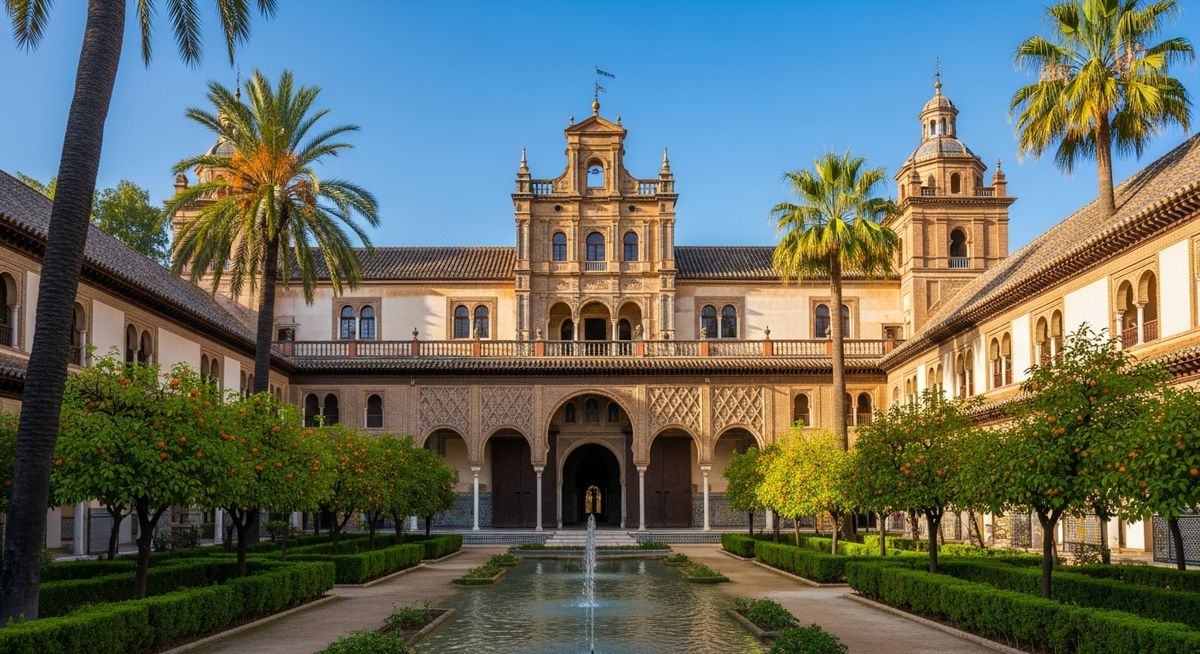
With two weeks in Spain, you’ve got enough time to see more than just the major cities – you can really get a feel for the country’s different regions and cultures. From Moorish palaces to coastal towns and world-famous museums, there’s a lot to pack in.
I’ve spent countless hours wandering through the sun-drenched streets of southern Spain, and I can honestly say that Andalusia is one of those places that gets under your skin.
From sipping morning coffee in Seville’s hidden plazas to watching the sunset paint the Alhambra golden, this region offers experiences that’ll stick with you long after you return home.
Planning Your Two-Week Southern Spain Adventure
Best Time to Visit Southern Spain
After visiting Andalusia in different seasons, I’d recommend spring (April-May) or autumn (September-October) when the weather is perfect for exploring and you won’t be melting in the midday sun.
Summer can be, frankly, pretty brutal in inland cities like Seville and Córdoba – I once experienced 42°C in July and honestly spent most afternoons hiding in air-conditioned museums.
Getting Around Andalusia
Spain’s train system is fantastic for connecting the major cities, and I always use Trainline to book my tickets since it saves the hassle of navigating Spanish railway websites.
Renting a car gives you more freedom for those gorgeous white village detours, but the trains are comfortable and give you time to watch the Andalusian landscape roll by.
Two-Week Southern Spain Itinerary
Days 1-3: Seville – Flamenco, Tapas, and Moorish Architecture
Seville is where I fell in love with southern Spain, and it’s the perfect place to start your Andalusian journey. The city has this incredible energy that’s both laid-back and passionate at the same time.
Day 1: Historic Center Exploration
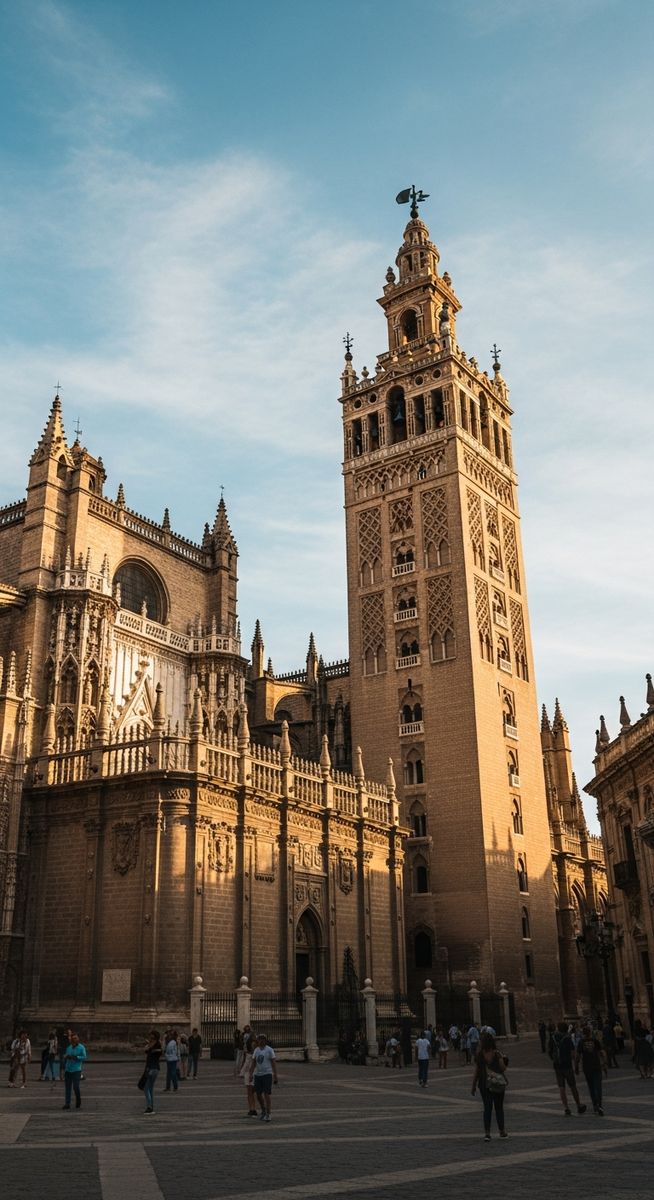
The Seville Cathedral absolutely blew me away the first time I saw it – it’s massive and the views from the Giralda tower are worth the climb. I’d definitely recommend getting your Cathedral and La Giralda tickets ahead of time because the lines can be pretty long, especially in peak season.
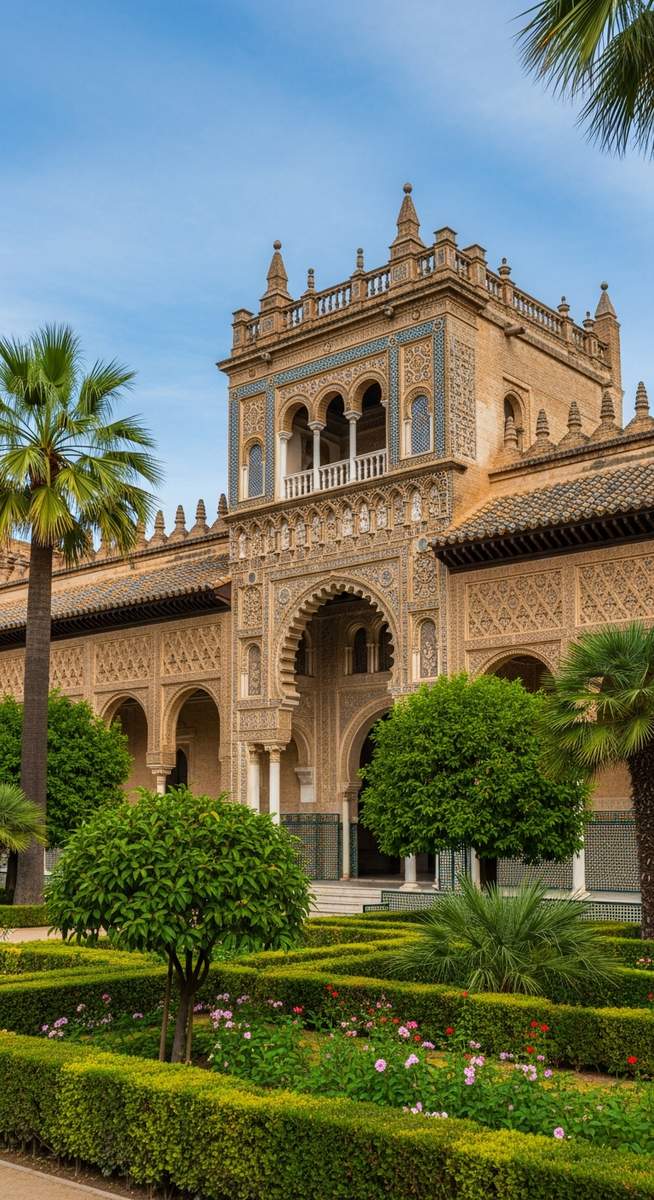
The Alcázar next door is equally stunning with its intricate tilework and peaceful gardens where you can escape the heat. I spent hours getting lost in the Santa Cruz neighborhood afterward – those narrow streets are perfect for aimless wandering.
Want a great walking tour that will take you to all of Seville’s highlights? Check out this small-group walking tour to see the best of what Seville has to offer.
Prefer to see Seville’s sights on two wheels? This easy Seville bike tour is the cruisiest way to get around during your visit.
Day 2: Cultural Immersion
Plaza de España is one of those places that looks almost too perfect to be real, and it’s fantastic for photos (though you’ll definitely have company). Triana, across the river, feels more authentic and local – I love browsing the ceramic shops and grabbing a drink by the water.
You can’t leave Seville without seeing flamenco, and I’d suggest booking a flamenco show at one of the traditional tablaos rather than the touristy dinner shows. The passion and skill of the performers is genuinely moving when you see it up close.
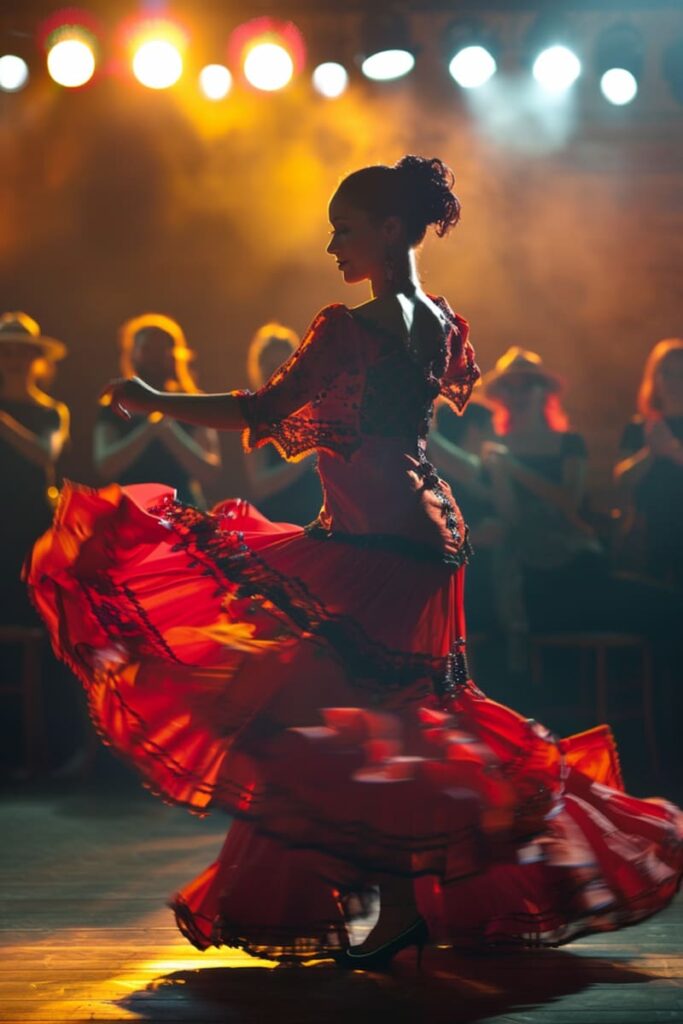
Live Flamenco at the Teatro Flamenco Sevilla
⭐⭐⭐⭐⭐
✅ Intimate theater setting with six top performers bringing flamenco to life through powerful music, dance, and song
✅ Colorful costumes, live guitar, and heart-pounding footwork that pulls you into the rhythm from the first beat
✅ Enjoy a drink before the show and settle in for a night of pure energy and emotion

Casa de la Memoria Flamenco Show
✅ Historic 15th-century venue with a cozy feel that makes the performance feel up close and personal
✅ Live music, passionate dance, and acoustic guitar come together in one of Seville’s most beloved flamenco shows
✅ A true showcase of flamenco’s roots, with a focus on tradition, artistry, and connection to Spain’s past

Puro Flamenco at Seville’s Flamenco Dance Museum
✅ Watch professional dancers perform in a beautiful 18th-century courtyard built over ancient Roman ruins
✅ The mix of dramatic live music, authentic choreography, and raw emotion makes this a crowd favorite among locals and visitors
✅Explore the Flamenco Dance Museum before the show for even more insight into this powerful art form
Day 3: Parks and Local Life
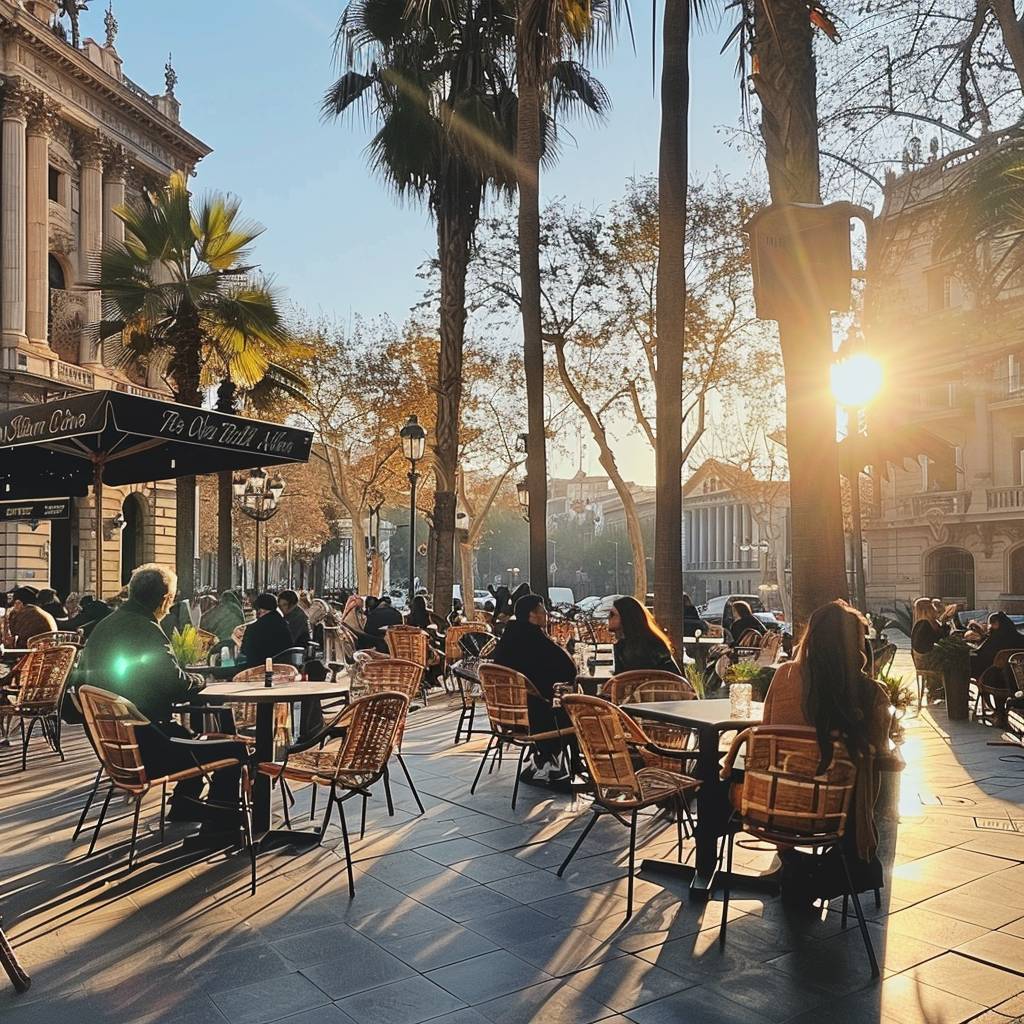
María Luisa Park is lovely for a morning stroll, and the Setas de Sevilla offers some of the best city views from its wooden walkways. The local markets are great for picking up snacks and soaking up everyday Sevillian life.
I’d highly recommend joining a tapas and wine crawl – it’s a fun way to discover places you’d never find on your own. Before you go, check out my 15 Must-Know Tips Before You Travel to Seville to help you navigate the city like a local.
Days 4-5: Córdoba – The Mesquita and Historic Charm
The train ride to Córdoba is lovely and gives you a chance to see the Andalusian countryside. Córdoba feels more intimate than Seville, and you can easily cover the main sights in a couple of days.
Day 4: The Mesquita and Jewish Quarter
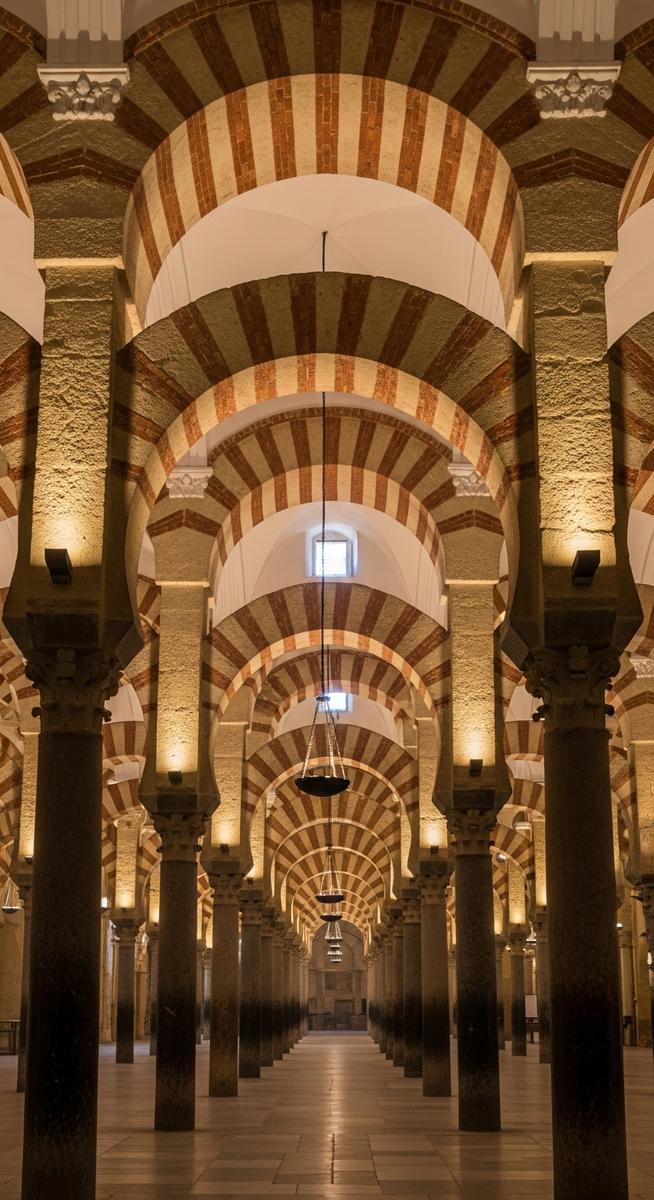
The Mesquita-Catedral is honestly one of the most incredible buildings I’ve ever been inside – the forest of arches creates this almost hypnotic effect. I’d book the Skip-the-Ticket-Line Mosque-Cathedral Guided Tour because the history is fascinating and easy to miss without context.
The Jewish Quarter is perfect for getting lost in, and if you’re visiting in May during patio season, you’ll get to peek into some gorgeous private courtyards. The Alcázar gardens are a peaceful spot to rest your feet and escape the midday heat.
Day 5: Roman Heritage and Local Culture
Córdoba’s Roman bridge is beautiful at sunset, and the Archaeological Museum gives you good context for the city’s layered history. I love how you can see Roman, Islamic, and Christian influences all within a few blocks of each other.
Make sure to try the local salmorejo – it’s like gazpacho’s creamier cousin and perfect for hot days. The traditional taverns here feel more authentic than many places in bigger cities.
Days 6-8: Granada – The Alhambra and Sierra Nevada
Granada was the highlight of my first trip to Andalusia, and I still get excited every time I return. The combination of the Alhambra, the mountain backdrop, and the Moorish atmosphere creates something really special.
Day 6: The Alhambra
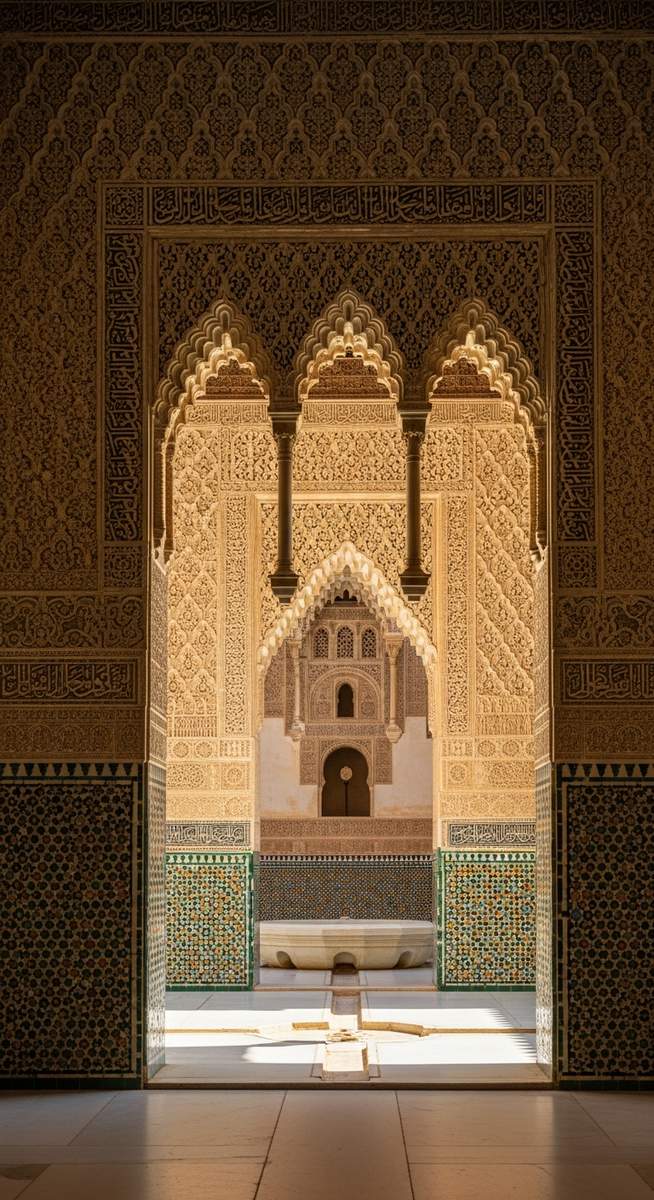
I can’t stress this enough – book your Alhambra and Nasrid Palaces Entry Ticket as far in advance as possible because they sell out completely. The intricate Islamic art and architecture is absolutely breathtaking, and I always discover new details even on repeat visits.
Give yourself the full day here and don’t rush – the gardens are as beautiful as the palaces, and the sunset views over Granada are unforgettable. Bring water and comfortable shoes because there’s a lot of walking involved.
Day 7: Albaicín and Sacromonte
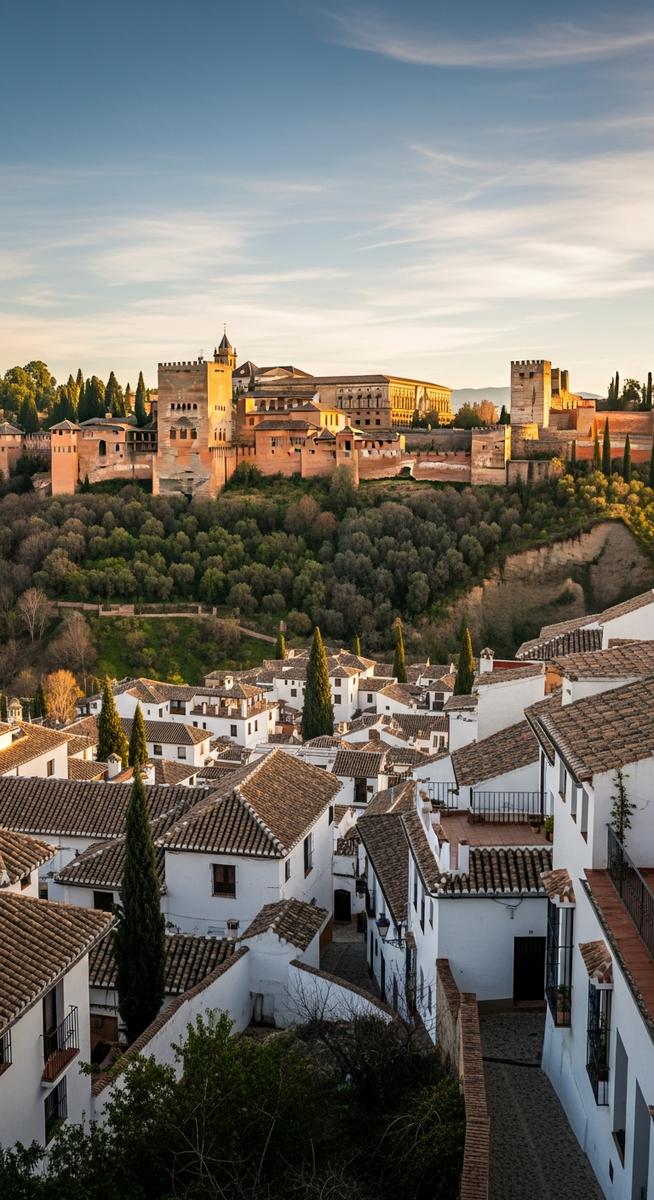
The Albaicín neighborhood feels like stepping back in time with its narrow streets and traditional carmen houses. The walk up to Mirador de San Nicolás is worth it for the classic Alhambra view, especially around sunset when everyone gathers to watch the fortress glow.
Sacromonte’s cave flamenco shows are touristy but genuinely atmospheric – there’s something magical about experiencing this art form in an actual cave. The performances I’ve seen here have been some of the most passionate and authentic I’ve encountered.
Day 8: Cathedral and Relaxation
Granada’s Cathedral and Royal Chapel are impressive, though they might feel a bit underwhelming after the Alhambra. I love exploring the Realejo neighborhood and the old silk market – plus Granada’s famous free tapas tradition means you can eat well without spending much.
If the weather’s nice, a day trip to the Sierra Nevada is gorgeous, especially in spring when you can see snow-capped peaks and wildflowers on the same day. The contrast between the Moorish city and the mountains never gets old.
Days 9-10: Málaga and Costa del Sol – Beaches and Culture
Málaga surprised me on my first visit – I expected just beaches and tourists, but the city has a fantastic cultural scene. It’s also nice to have some seaside relaxation after all that sightseeing.
Day 9: Málaga’s Cultural Treasures
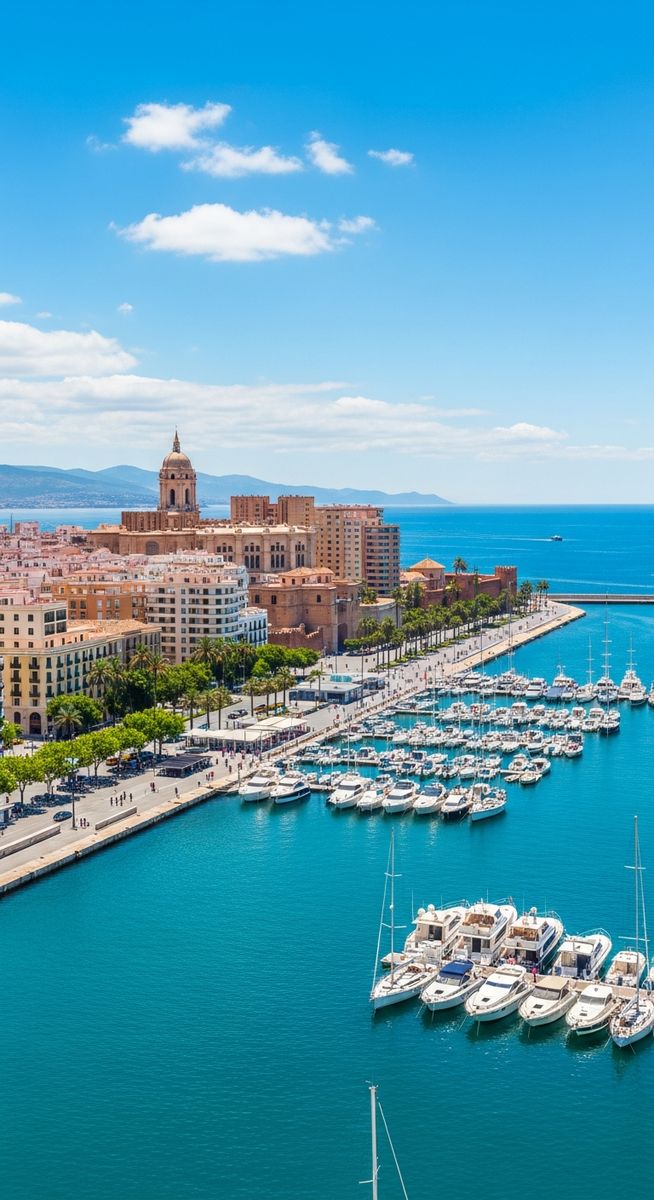
The historic center is compact and easy to explore, and the Cathedral’s nickname “La Manquita” (the one-armed lady) always makes me smile. The Museo Picasso Málaga is excellent and it’s cool to see his work in his hometown.
The Alcazaba is one of the best-preserved Moorish fortresses I’ve visited, and the views over the Mediterranean are stunning. The combination of Roman ruins, Islamic architecture, and modern city life all in one place really shows off Spain’s layered history.
Day 10: Beach Time and Coastal Exploration
Málaga’s city beaches are decent for a quick dip, but I’d recommend venturing out to Nerja for something more special. The Balcón de Europa is a lovely viewpoint, and the beaches there feel less crowded and more scenic.
If you’re feeling fancy, Marbella has some beautiful beaches and upscale beach clubs, though it can get pricey. I always enjoy ending beach days with fresh seafood at a chiringuito – there’s nothing quite like grilled sardines with your feet in the sand.
Days 11-12: Ronda – Dramatic Gorges and White Villages
The drive to Ronda through the mountains is spectacular, and the town itself is one of those places that makes you want to extend your stay. It’s dramatically different from the coastal areas but equally beautiful in its own way.
(Or if you want to make it easier on yourself, here’s an easy day trip to both Ronda and the White Villages to take all the hassle out of your hands!)
Day 11: Ronda’s Spectacular Sights
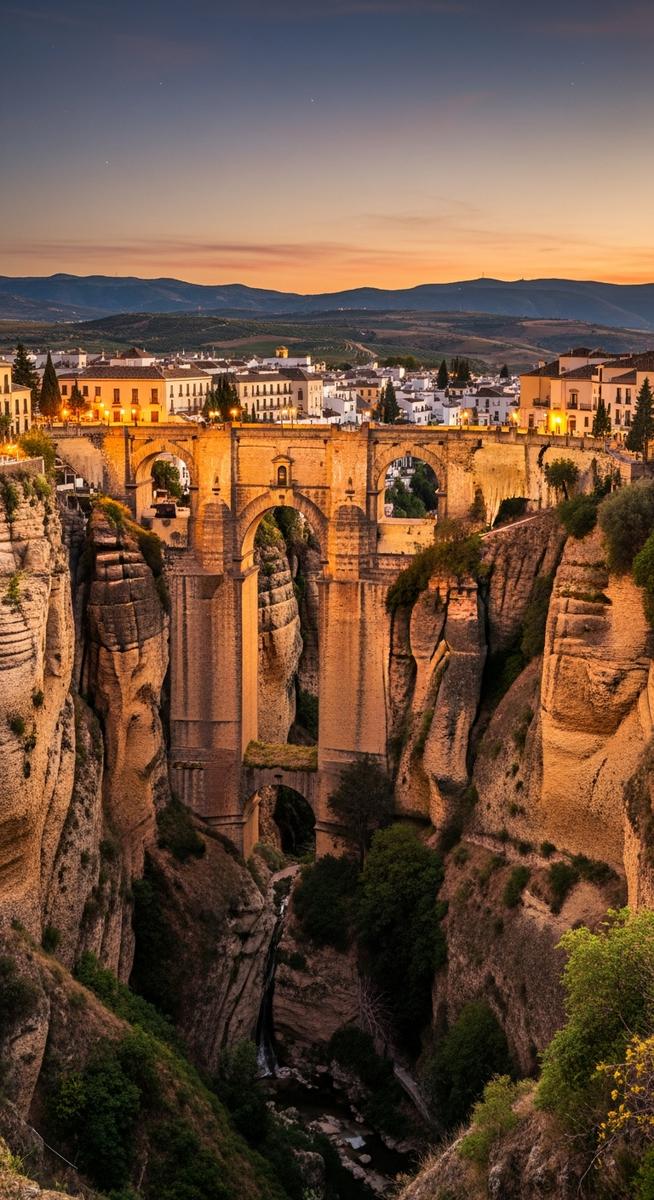
The Puente Nuevo bridge is Ronda’s star attraction, and I never get tired of peering over the edge into that dramatic gorge. The old bullring is beautiful even if you’re not into bullfighting – the architecture and museum give you insight into this controversial but historically important tradition.
I love wandering the old town’s cobblestone streets and finding viewpoints over the surrounding countryside. The Andalusian landscape here is completely different from the coast – all rolling hills and olive groves.
Day 12: White Villages Route
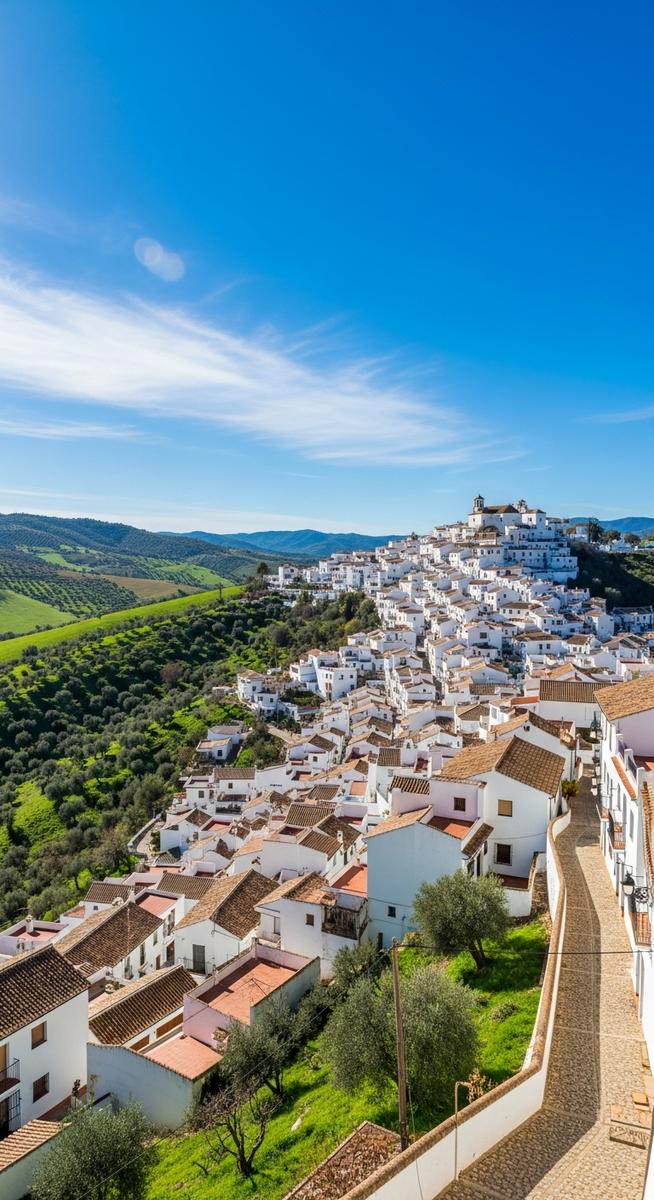
The white villages are some of my favorite places in Spain – they’re picture-perfect and feel genuinely untouched by mass tourism. Zahara de la Sierra with its hilltop castle and Grazalema with its mountain setting are both gorgeous stops.
Setenil de las Bodegas is weird and wonderful with houses literally built into rock overhangs – I’ve never seen anything quite like it. Having a drink in one of the cave bars is definitely a unique experience you won’t find anywhere else.
Days 13-14: Cádiz – Coastal Beauty and Ancient History
Cádiz is a perfect way to end your southern Spain journey – it’s got history, beaches, and a relaxed Atlantic coast vibe that’s different from the Mediterranean. The city feels authentically Spanish and refreshingly non-touristy.
Day 13: Historic Cádiz
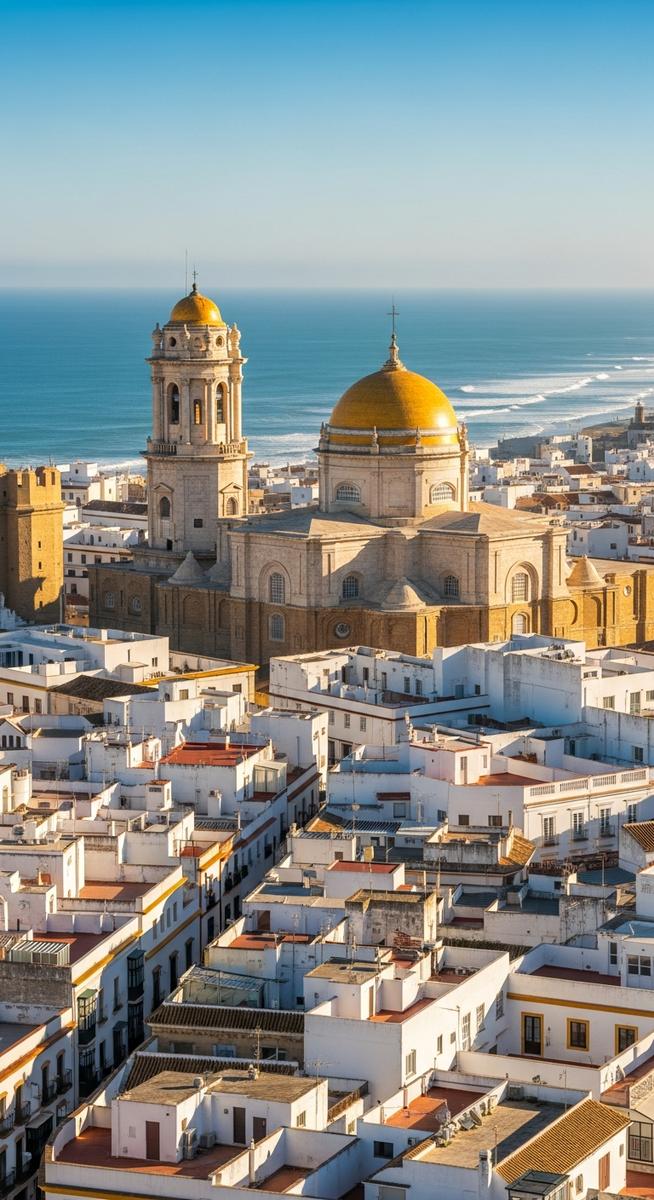
Built on a peninsula, Cádiz has this unique island feeling that’s quite different from other Spanish cities. The Torre Tavira offers fantastic 360-degree views, and the Cathedral’s golden dome is a beautiful landmark you can see from all over the city.
I love just wandering the old town and stumbling upon hidden squares where locals are chatting and kids are playing. Playa de la Caleta is a lovely urban beach with historic towers on either side – perfect for a sunset stroll.
Day 14: Final Explorations
The Central Market is great for picking up local specialties and experiencing everyday Cádiz life. The Genovés Park is peaceful and has some interesting plants from around the world, plus it’s right by the ocean.
If you have time, the ferry to Puerto de Santa María for sherry tasting is worthwhile – this is where some of the world’s best fortified wines come from. For your final day, I’d recommend just picking a beautiful beach like Bolonia and relaxing with the sound of Atlantic waves – it’s the perfect way to reflect on your Andalusian adventure.
Southern Spain Food and Drink Guide
Must-Try Andalusian Dishes
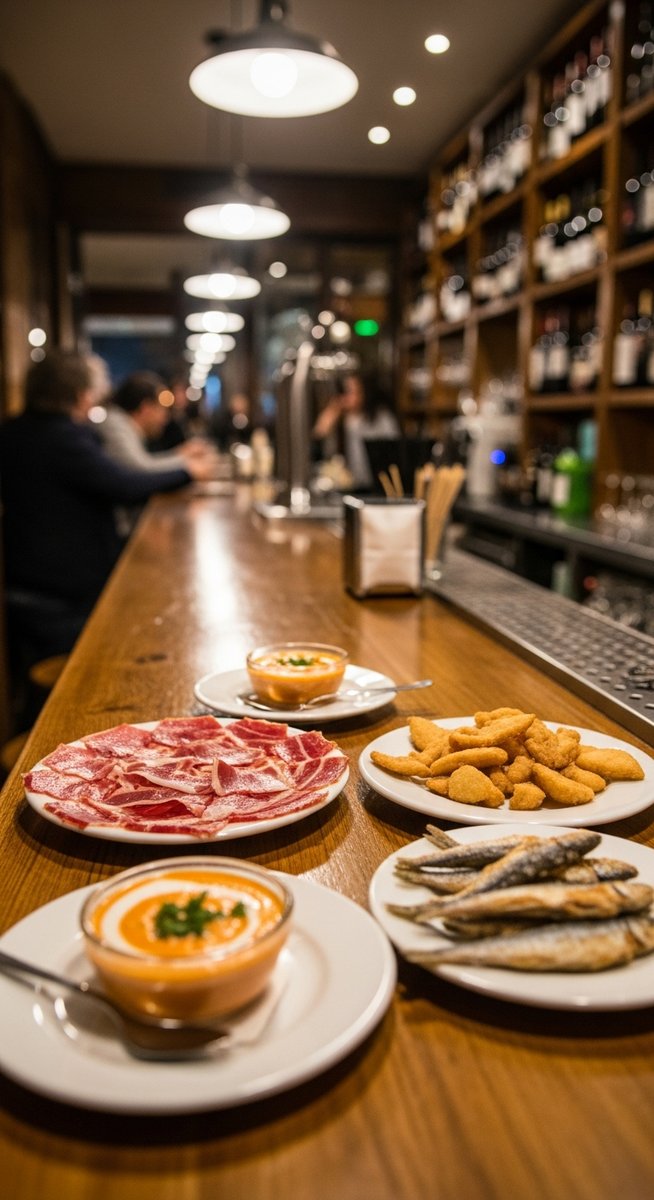
The food in Andalusia is one of my favorite things about the region – it’s simple, fresh, and perfectly suited to the climate. Cold soups like gazpacho and salmorejo are lifesavers on hot days, while the fried fish (pescaíto frito) along the coast is some of the best I’ve had anywhere.
Jamón ibérico is everywhere, and the good stuff (bellota grade) is worth the splurge – you can really taste the difference. Each city has its own specialties, and I love how the food changes as you move from coast to mountains to countryside.
Best Tapas Experiences by City
The tapas culture varies so much across Andalusia that it’s like discovering different countries. Granada’s free tapas tradition is fantastic for budget travelers – order a drink and get a small plate of food, and you can easily make a meal of it.
Seville has the most sophisticated tapas scene with both traditional and modern options, while Cádiz focuses on incredibly fresh seafood tapas. I always tell people to follow the locals – if a place is packed with Spanish people, especially older ones, you know the food will be good.
Practical Tips for Your Southern Spain Trip
Budget Considerations
Southern Spain offers incredible value compared to many European destinations, though costs vary quite a bit between locations. I typically budget around €80-120 per day for mid-range travel, which includes decent accommodations, good meals, and entrance fees to attractions.
Transportation is quite reasonable – trains between major cities usually cost €20-40, and many museums have free hours. I always recommend SafetyWing Travel Insurance because it’s affordable and gives you peace of mind, especially if you’re doing any hiking or adventure activities.
Packing Essentials
Pack for heat but don’t forget layers – air conditioning can be aggressive, and mountain areas get cool in the evenings. I always pack comfortable walking shoes because you’ll be doing a lot of walking on uneven cobblestones and up hills.
Sun protection is crucial year-round, and I always bring a reusable water bottle to stay hydrated and save money. A small daypack is handy for carrying essentials during day trips, and if you’re planning beach time, don’t forget swimwear and a light beach cover-up.
Cultural Etiquette and Language Tips
Spanish meal times take some getting used to – lunch is typically 2-3 PM and dinner starts around 9 PM or later. Many restaurants close in the afternoon, so plan accordingly or you might find yourself very hungry with nowhere to eat.
Even basic Spanish phrases go a long way and people really appreciate the effort, even if your pronunciation isn’t perfect. Tipping isn’t expected like in some countries, but rounding up or leaving 5-10% for good service is nice, and when visiting churches, make sure to dress modestly.
Alternative Routes and Extensions
Beach Lovers’ Modifications
If beaches are your priority, you could easily spend more time on the Costa del Sol exploring places like Nerja, Frigiliana, and Marbella. The Costa de la Luz near Cádiz has wilder, less developed beaches that I prefer for their natural beauty and fewer crowds.
Tarifa is fantastic for wind sports and has this unique vibe where the Atlantic and Mediterranean meet. The beaches here are more dramatic and windswept, which creates a completely different atmosphere from the sheltered Mediterranean coves.
Adding Gibraltar and Morocco
Gibraltar makes for an interesting day trip with its British culture and famous monkeys – it’s surreal to have fish and chips and hear English accents after weeks in Spain. You can easily book a Gibraltar day trip from Seville that handles all the logistics.
Morocco is just a ferry ride away from southern Spain, and the cultural contrast is incredible – going from Andalusian tapas to Moroccan tagines in a few hours never stops amazing me. If you’re interested in sherry culture, adding Jerez de la Frontera to your itinerary is worthwhile for its bodegas and horse shows.
This itinerary has served me well on multiple trips to southern Spain, but don’t feel locked into it – some of my best travel memories come from spontaneous detours and unexpected discoveries. Andalusia has a way of surprising you, and part of the joy is letting yourself get a little lost in its winding streets and warm hospitality.
