
10 Iconic Places in Southern Spain You Have to Visit

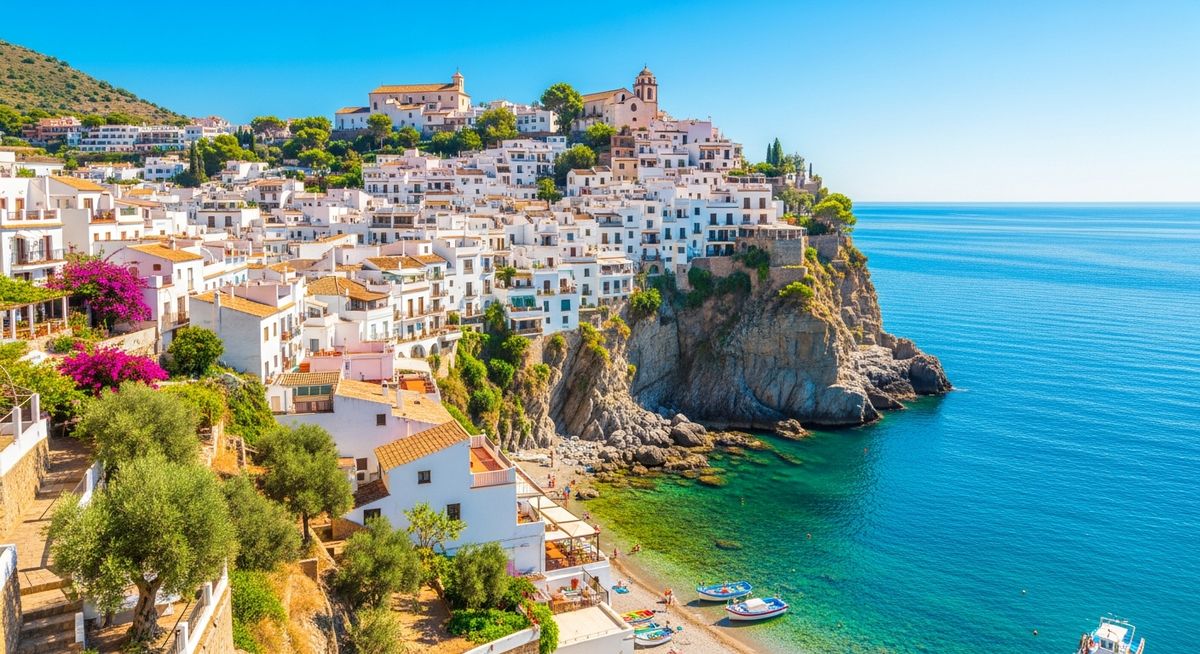
Southern Spain is where the country’s soul truly comes alive. From the Moorish palaces of Granada to the flamenco rhythms of Seville, this region offers an intoxicating blend of history, culture, and natural beauty that’ll leave you planning your next visit before you’ve even left.
Having been lucky enough to have explored every corner of Andalusia over the years, I can tell you that each city here has its own personality and charm.
Whether you’re drawn to ancient architecture, world-class museums, or simply want to soak up some Mediterranean sun, these ten destinations represent the very best of what southern Spain has to offer.
1. Seville
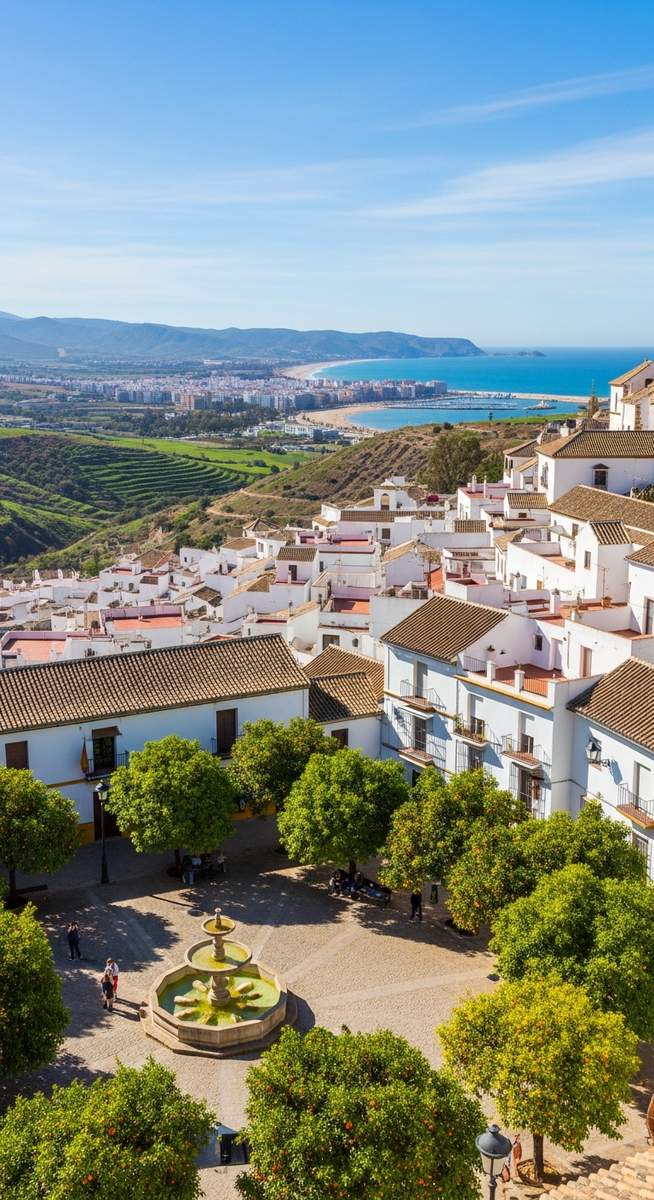
Seville is the kind of city that gets under your skin and stays there. The capital of Andalusia pulses with an energy that’s both ancient and vibrantly modern, where orange-scented streets lead to some of Spain’s most impressive monuments.
The Cathedral and La Giralda tower dominate the skyline – it’s the largest Gothic cathedral in the world, and climbing the bell tower gives you incredible views over the city’s terracotta rooftops. I recommend booking tickets for the Cathedral and La Giralda in advance to skip the often lengthy queues.
Right next door, the Real Alcázar is pure magic with its intricate Mudéjar architecture and peaceful gardens. The palace complex took my breath away the first time I visited, and it still does every time I return. Getting skip-the-line entry to the Real Alcázar is definitely worth it, especially during peak season.
If you want to see both monuments with expert commentary, this comprehensive tour of the Alcázar, Cathedral and Giralda covers all the highlights. The guides really bring the history to life with stories you won’t find in guidebooks.
Wandering through the Barrio Santa Cruz feels like stepping back in time. The former Jewish quarter is a maze of narrow cobblestone streets, hidden plazas, and flower-filled balconies that practically beg to be photographed.
Seville is also the birthplace of flamenco, and catching an authentic show here is essential. The passion and intensity of the performers will give you goosebumps – it’s something you feel as much as hear.
For a deeper dive into local culture, I highly recommend this Spanish cooking class with dinner and sangria. You’ll learn to make traditional Andalusian dishes and gain insights into the food culture that you simply can’t get from restaurants alone.
The city also has a fantastic tapas scene, and joining a tapas and wine crawl is a great way to discover hidden local spots that tourists often miss.

Live Flamenco at the Teatro Flamenco Sevilla
⭐⭐⭐⭐⭐
✅ Intimate theater setting with six top performers bringing flamenco to life through powerful music, dance, and song
✅ Colorful costumes, live guitar, and heart-pounding footwork that pulls you into the rhythm from the first beat
✅ Enjoy a drink before the show and settle in for a night of pure energy and emotion

Casa de la Memoria Flamenco Show
✅ Historic 15th-century venue with a cozy feel that makes the performance feel up close and personal
✅ Live music, passionate dance, and acoustic guitar come together in one of Seville’s most beloved flamenco shows
✅ A true showcase of flamenco’s roots, with a focus on tradition, artistry, and connection to Spain’s past

Puro Flamenco at Seville’s Flamenco Dance Museum
✅ Watch professional dancers perform in a beautiful 18th-century courtyard built over ancient Roman ruins
✅ The mix of dramatic live music, authentic choreography, and raw emotion makes this a crowd favorite among locals and visitors
✅Explore the Flamenco Dance Museum before the show for even more insight into this powerful art form
2. Granada
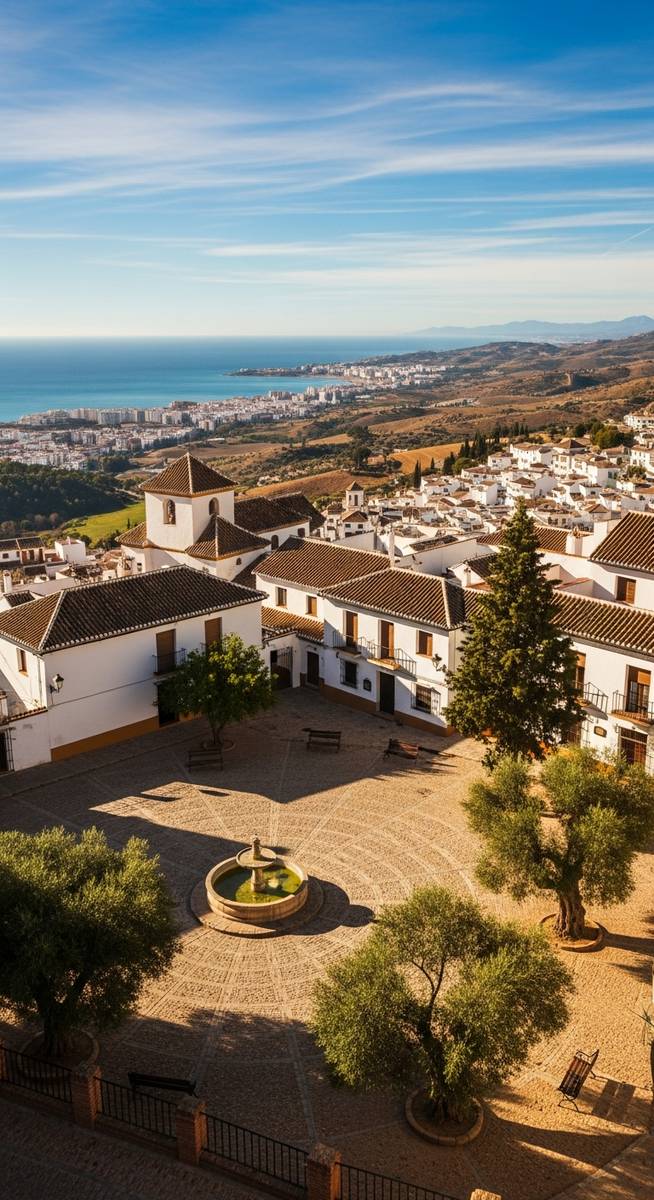
Granada holds a special place in every traveler’s heart, and once you see the Alhambra, you’ll understand why. This former Moorish stronghold sits dramatically against the backdrop of the Sierra Nevada mountains, creating one of Spain’s most iconic silhouettes.
The Alhambra palace complex is simply unparalleled – a masterpiece of Islamic architecture that took centuries to perfect. Walking through the Nasrid Palaces feels like entering a fairy tale, with their intricate geometric patterns, delicate stucco work, and the famous Court of Lions.
The Generalife gardens offer a peaceful escape with their fountains, cypress trees, and mountain views that stretch for kilometers (miles).
Getting Alhambra and Nasrid Palaces entry tickets requires planning ahead as they’re limited and often sell out weeks in advance. Trust me, it’s worth every bit of advance planning – this is one sight you absolutely can’t miss.
Below the Alhambra, the Albaicín neighborhood cascades down the hillside in a tangle of white-washed houses and narrow streets. Getting lost here is half the fun, and every turn reveals new views of the palace above or glimpses into traditional Andalusian life.

Don’t miss the Mirador de San Nicolás at sunset – the views of the Alhambra against the mountains are legendary. The area comes alive in the evening with street musicians and artists, creating a magical atmosphere.
Granada’s tapas culture is unique in Spain because you get free food with every drink order. Bar hopping here isn’t just about the drinks – you’ll end up with a full meal just from the complimentary tapas.
3. Córdoba
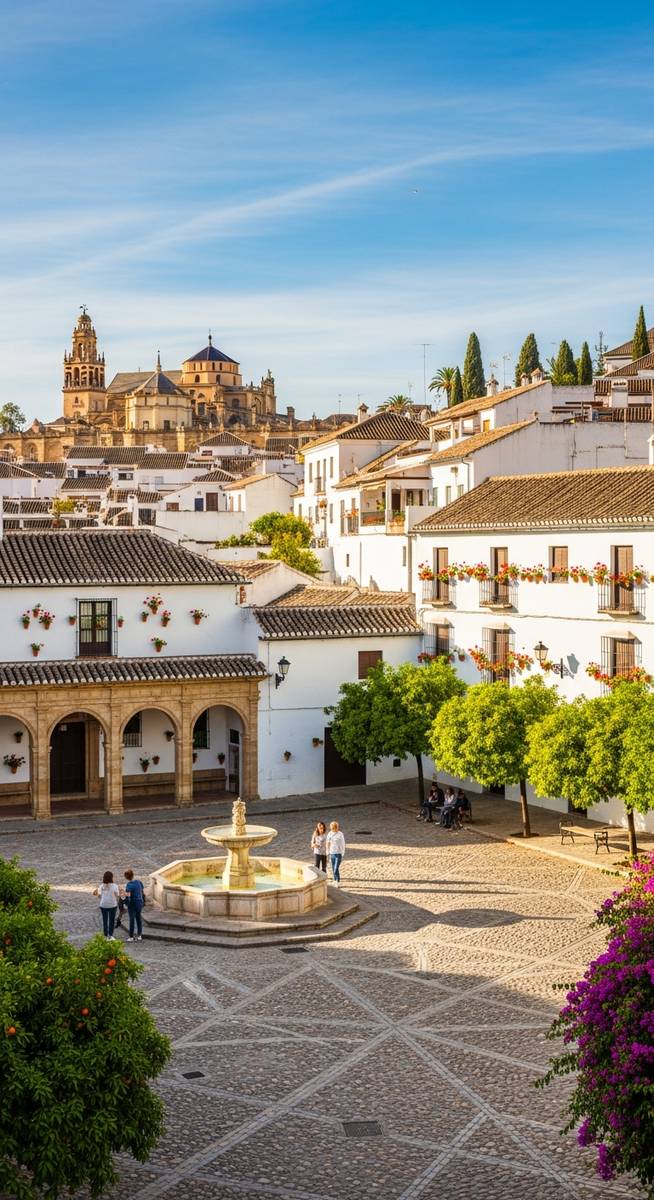
Córdoba might be smaller than Seville or Granada, but what it lacks in size, it makes up for in historical significance. This was once the capital of Islamic Spain and one of the largest cities in the world during the 10th century.
The Mezquita-Catedral is unlike anything else you’ll see – a mosque-cathedral that perfectly embodies Spain’s complex history. Walking through the forest of red and white striped arches feels almost mystical, and the contrast with the Christian cathedral built in the center creates a fascinating architectural dialogue.
The Jewish Quarter surrounding the Mezquita is perfect for wandering, with its narrow streets, traditional patios, and artisan workshops. The Calleja de las Flores (Flower Street) is Instagram famous for good reason – the view of the Mezquita’s bell tower framed by the narrow alley and hanging flower pots is absolutely perfect.
If you’re visiting in May, you might catch the Patios Festival when residents open their private courtyards filled with elaborate flower displays. It’s a tradition that goes back centuries and showcases the Córdoban love affair with beautiful outdoor spaces.
Córdoba makes for an excellent day trip from Seville – it’s only about 45 minutes by high-speed train. Many visitors combine it with nearby Carmona for a full day of exploring – check out this day tour to Córdoba and Carmona for a hassle-free trip!
4. Ronda
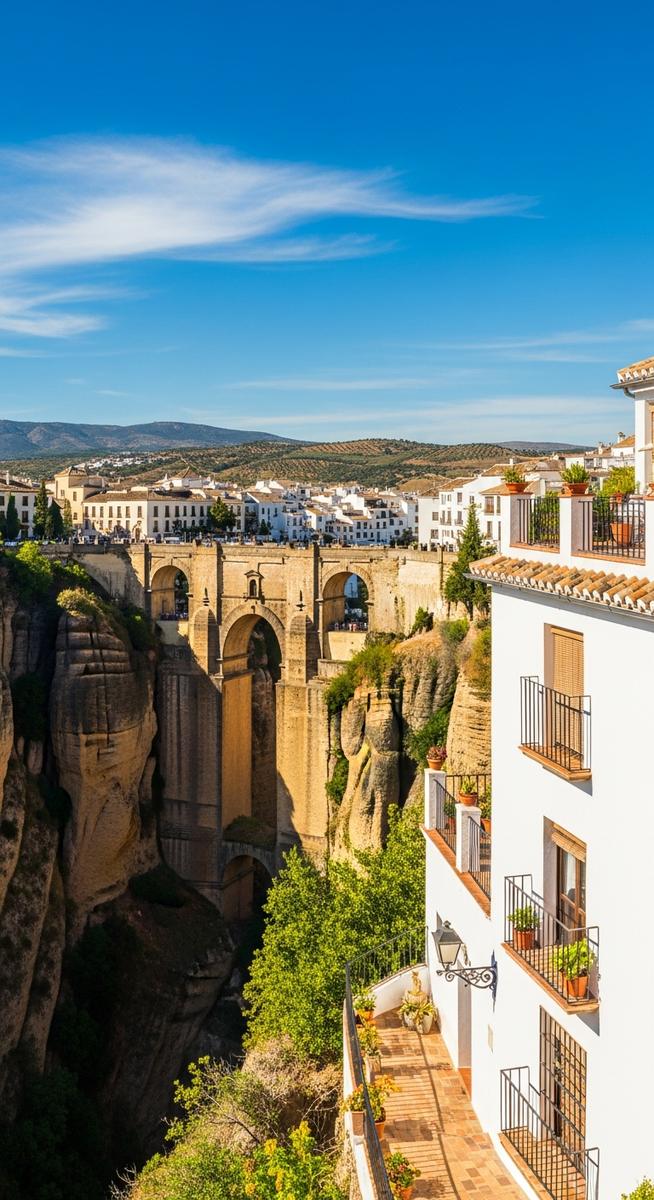
Ronda is pure drama perched on a clifftop plateau split by a deep gorge. The Puente Nuevo bridge spans this 120-meter (394-foot) chasm, creating one of Spain’s most photographed scenes and one that never gets old no matter how many times you see it.
The old town feels frozen in time with its cobblestone streets and traditional white houses. The bullring here is one of Spain’s oldest and most beautiful – even if you’re not interested in bullfighting, the architecture and museum are worth seeing for their cultural significance.
What really makes Ronda special is how it combines dramatic natural beauty with authentic Andalusian culture. You won’t find the tourist crowds of Seville here, but you’ll discover excellent local restaurants, traditional crafts, and genuine hospitality.
The surrounding area is dotted with pueblos blancos (white villages) that seem to tumble down the mountainsides. Each one has its own character, from the cliff-hanging houses of Setenil de las Bodegas to the flower-filled streets of Zahara de la Sierra.
This full-day tour of Ronda and the Pueblos Blancos from Seville is perfect if you want to see multiple villages without the hassle of driving the winding mountain roads yourself. The guides know all the best viewpoints and local stories that bring these places to life.
Ronda is also developing a reputation for its wines, with several boutique wineries offering tastings with spectacular views over the surrounding countryside.
5. Málaga
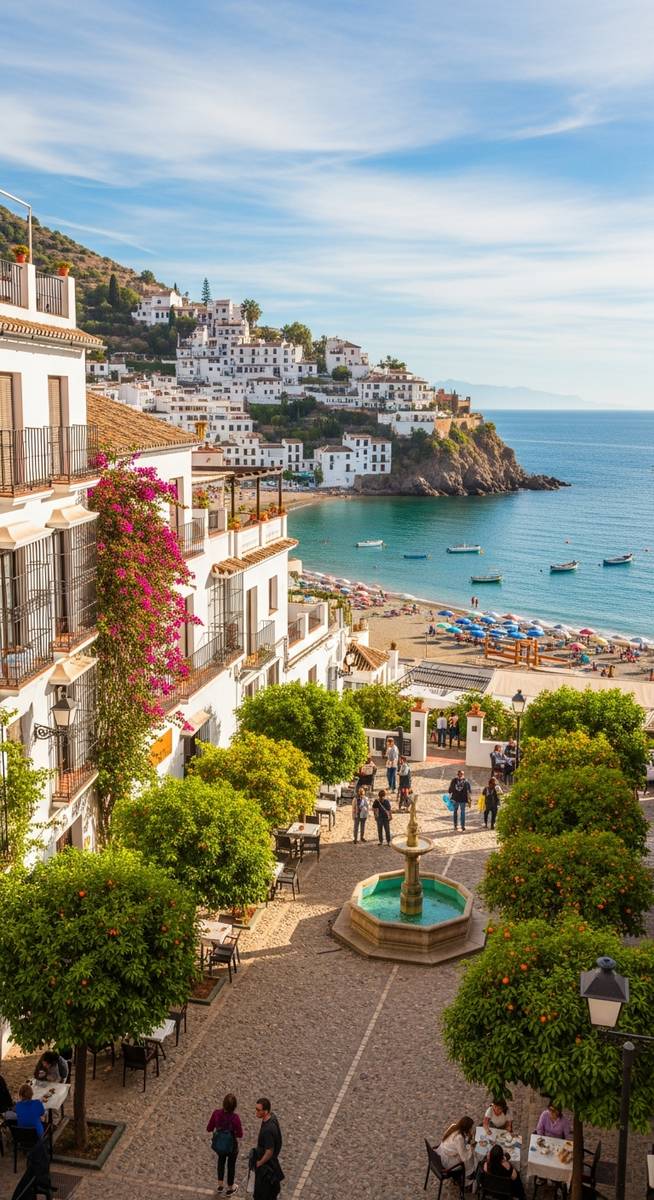
Málaga has undergone an incredible transformation in recent years, evolving from a simple gateway to the Costa del Sol into a cultural destination in its own right. The city has managed to modernize while keeping its authentic Andalusian character intact.
As Picasso’s birthplace, Málaga takes its artistic heritage seriously. The Picasso Museum houses an excellent collection of the master’s works, while the city center is scattered with sculptures and murals celebrating its most famous son.
The Alcazaba fortress rises above the city center, offering fantastic views over the Mediterranean and a glimpse into Málaga’s Moorish past. The partially restored Roman theatre at its base adds another layer to the city’s rich historical timeline.
What I love about Málaga is how it feels authentically Spanish despite being a major tourist destination. The old town buzzes with locals going about their daily lives, traditional markets still thrive, and you can find excellent tapas bars that haven’t changed in decades.
The beaches are just a short walk from the historic center, making it easy to combine cultural sightseeing with beach time. The Playa de la Malagueta is the most central, while heading east towards Nerja brings you to some beautiful coves and smaller resort towns.
Málaga’s location makes it perfect for exploring the wider region – you can easily day trip to Granada, Córdoba, or the white villages from here.
6. Cádiz
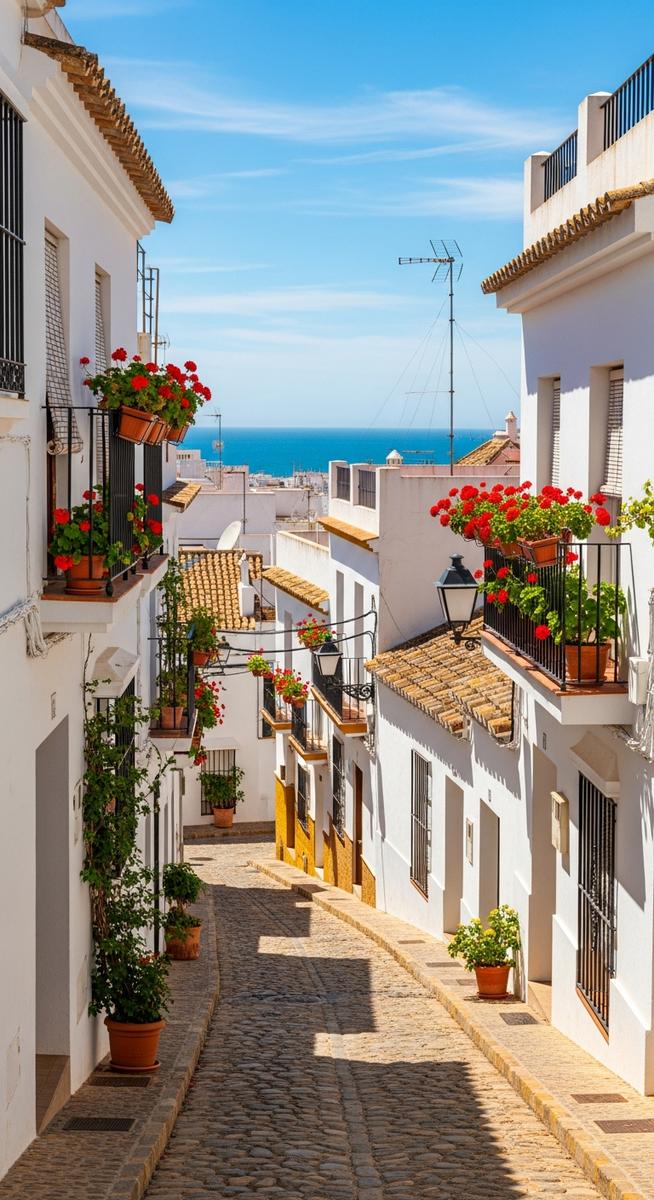
Cádiz claims to be Europe’s oldest continuously inhabited city, and walking through its ancient streets, you can feel the weight of 3,000 years of history. This Atlantic coast city has a completely different vibe from its Mediterranean cousins – saltier, windier, and somehow more authentic.
The historic center sits on a narrow peninsula jutting into the ocean, surrounded by beautiful beaches and impressive defensive walls. The golden-domed cathedral dominates the skyline, while the neighborhoods around it are filled with traditional houses with characteristic watchtowers that merchants once used to spot returning ships.
Cádiz is famous throughout Spain for its Carnival, which rivals Rio’s for color and creativity. Even outside carnival season, the city maintains a festive atmosphere with excellent seafood restaurants, lively bars, and locals who know how to enjoy life.
The beaches here are some of Andalusia’s best – long stretches of golden sand with excellent waves for surfing. La Caleta beach, right in the city center, is perfect for sunset watching, while Playa de la Victoria stretches for several kilometers (miles) and offers every beach amenity you could want.
This day tour to Cádiz and Jerez from Seville combines the coastal beauty of Cádiz with the sherry traditions of Jerez, giving you a taste of two very different but equally authentic Andalusian experiences.
7. Gibraltar
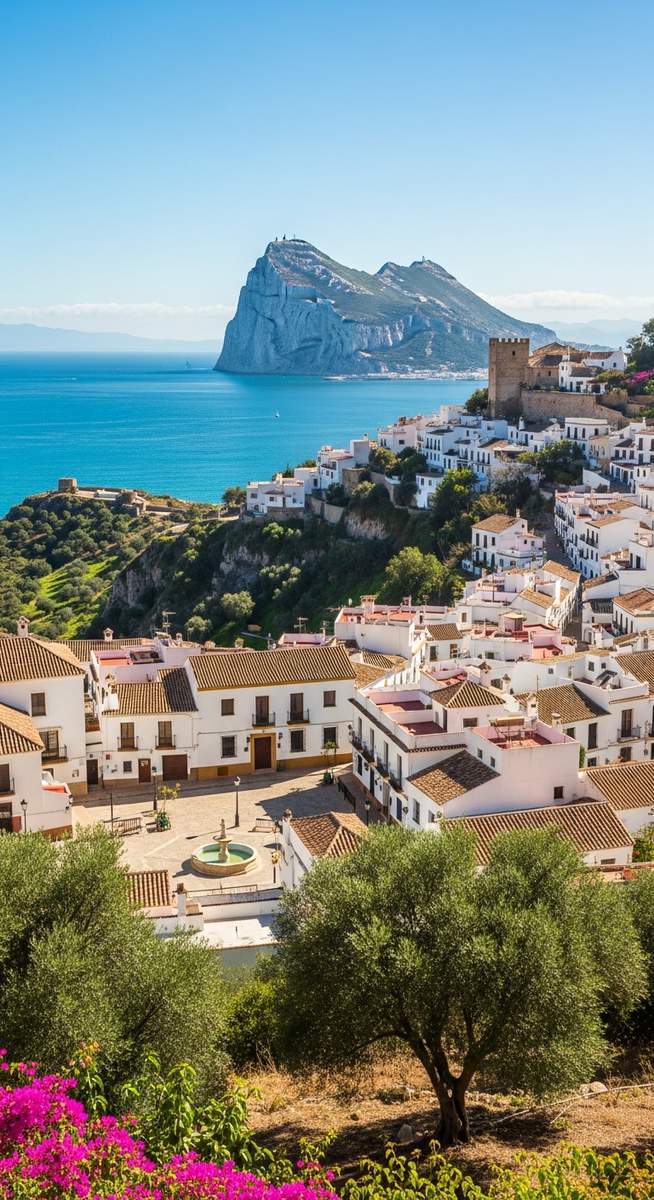
Gibraltar is utterly unique – a little piece of Britain clinging to the southern tip of Spain. The contrast is immediate and fascinating, from the red postboxes and English pubs to the dramatic limestone Rock that dominates everything.
The Rock itself is the main attraction, rising 426 meters (1,398 feet) straight up from the sea. Taking the cable car to the top gives you incredible views across the Strait of Gibraltar to Africa – on clear days, you can easily see Morocco just 14 kilometers (9 miles) away.
The famous Barbary macaques are the Rock’s most charming residents and Europe’s only wild monkey population. They’re playful and photogenic, but remember they’re wild animals – keep your distance and secure your belongings.
Gibraltar’s duty-free status makes it a shopping destination, particularly for electronics, perfumes, and alcohol. The contrast with Spain is stark – suddenly everyone’s speaking English, the currency is pounds, and you can get fish and chips for lunch.
The history here is fascinating, from ancient Phoenician settlements to its crucial role in WWII. The Great Siege Tunnels, carved out during the 18th-century siege, offer a glimpse into Gibraltar’s strategic military importance.
A day trip to Gibraltar from Seville takes care of all the logistics, including the sometimes complicated border crossing, and ensures you see all the highlights without the stress of planning it yourself.
8. Almería
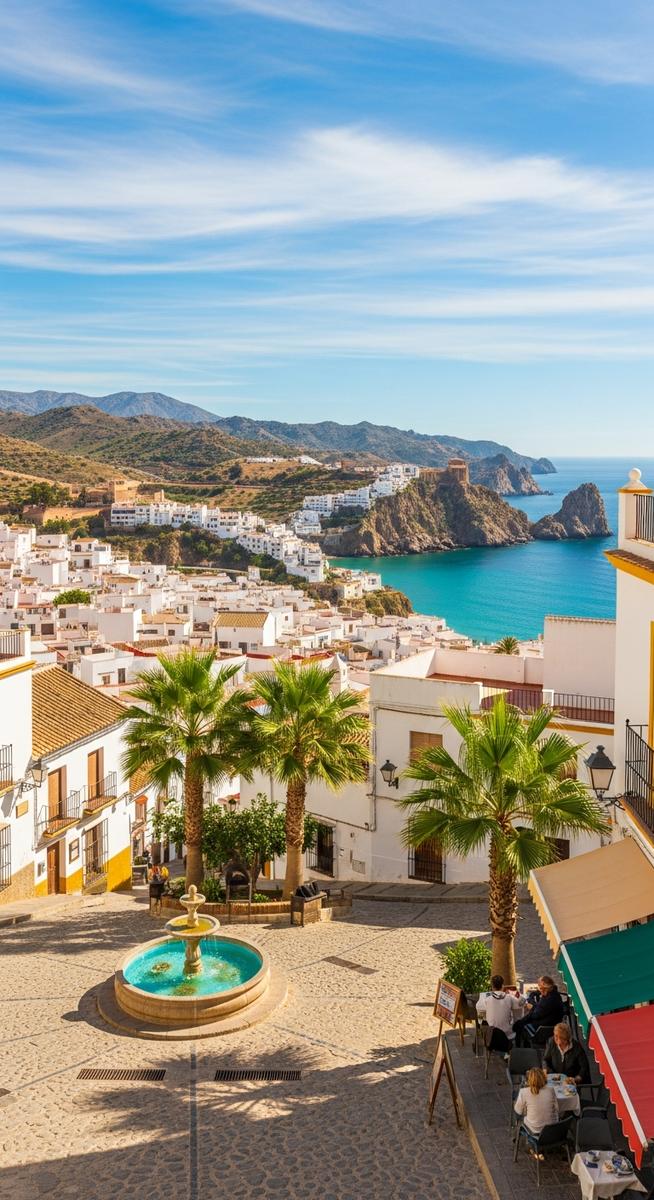
Almería feels like Spain’s best-kept secret, offering authentic Andalusian experiences without the crowds you’ll find elsewhere. This eastern corner of the region has a distinctly different character – drier, more rugged, and somehow more exotic.
The Alcazaba fortress here is one of Spain’s largest and best-preserved Moorish citadels. Walking through its walls and gardens, you get incredible views over the city and out to the Mediterranean, with North Africa visible on clear days.
What makes Almería special is its desert landscape – this is Europe’s only true desert, and it’s been the backdrop for countless Western films. The otherworldly scenery around Tabernas has doubled for everything from the American Southwest to alien planets in science fiction movies.
The Costa de Almería offers some of Spain’s most unspoiled beaches, particularly around the Cabo de Gata Natural Park. Here you’ll find hidden coves, volcanic cliffs, and crystal-clear waters that rival anywhere in the Mediterranean.
Almería’s relative isolation has preserved its authentic character. The markets still bustle with locals buying fresh produce, traditional restaurants serve recipes passed down through generations, and the pace of life remains refreshingly unhurried.
9. Jerez de la Frontera
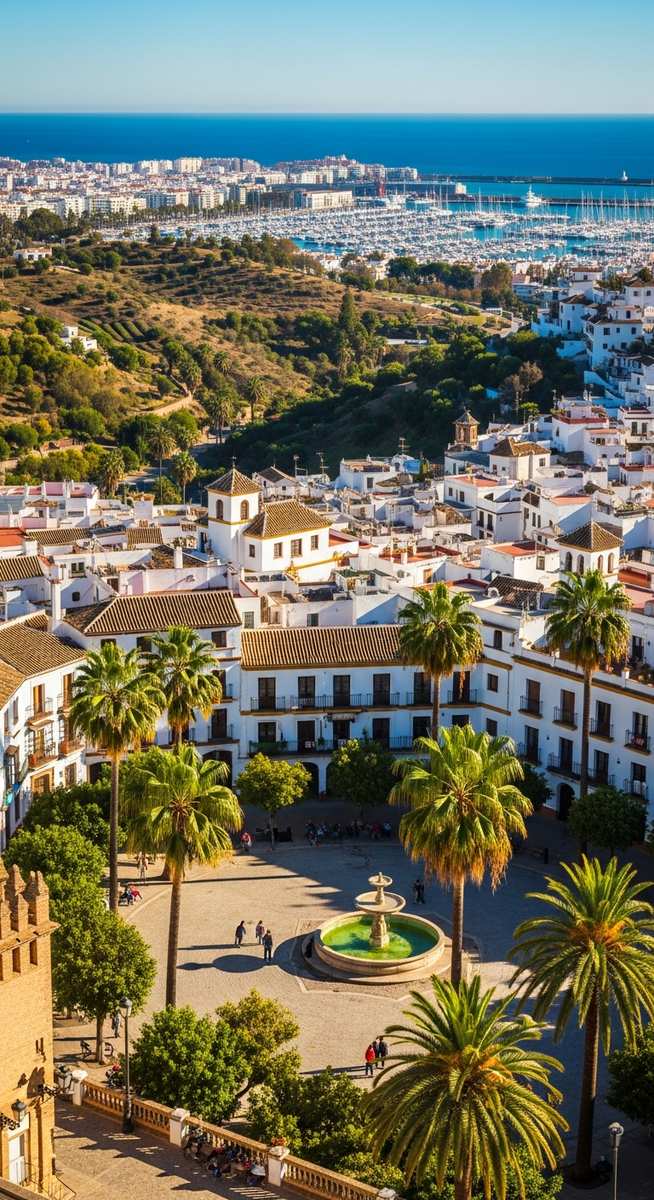
Jerez is synonymous with sherry wine, and visiting here is like taking a masterclass in one of the world’s most misunderstood and underappreciated wines. The city’s identity is completely intertwined with winemaking – every street seems to lead to a bodega.
The traditional sherry-making process is fascinating, involving a complex system called solera that’s been perfected over centuries. Touring the old bodegas, with their cathedral-like spaces and rows of ancient barrels, is an almost spiritual experience.
Jerez is also famous for its horses and flamenco. The Royal Andalusian School of Equestrian Art puts on displays that showcase the incredible bond between horse and rider, while the city’s flamenco is considered among the purest and most traditional in Spain.
The historic center is lovely to explore, with impressive churches, traditional tapas bars, and sherry bars where you can sample different varieties straight from the barrel. The locals are incredibly proud of their city and always happy to share recommendations.
Jerez works perfectly as part of a wider exploration of the region – it’s close enough to Cádiz for a coastal day trip and connected to Seville by regular trains.
10. Antequera
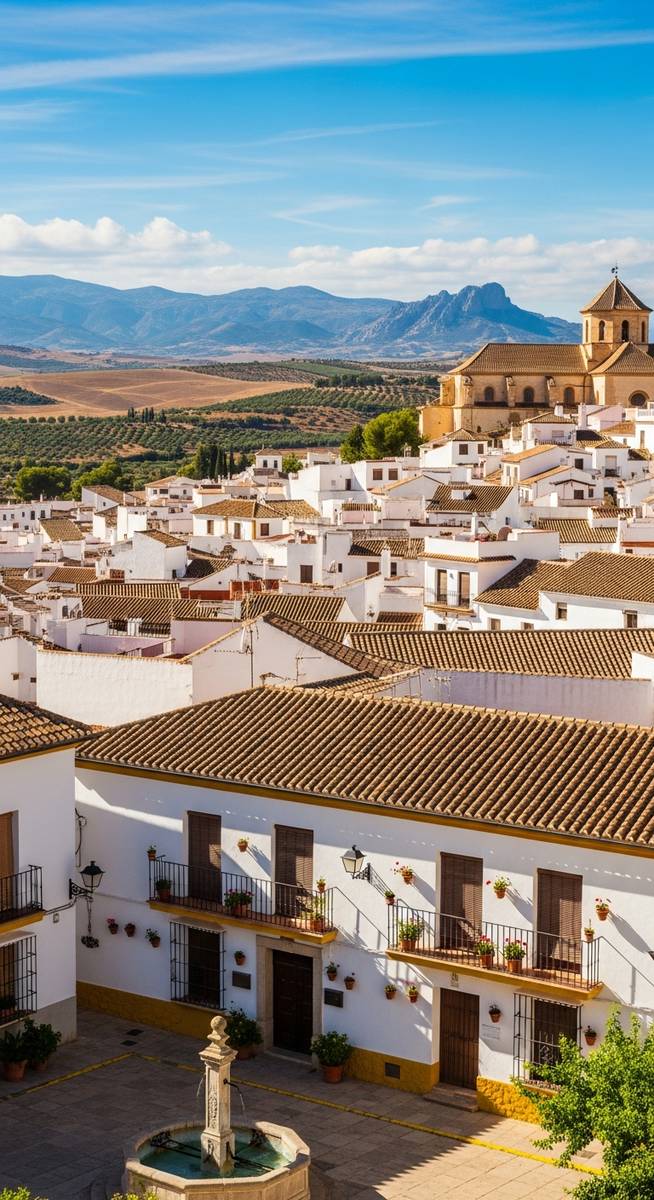
Antequera might not be on every tourist’s radar, but it absolutely should be. This inland city offers some of Spain’s most important archaeological sites alongside natural wonders that feel almost mystical.
The Dolmens of Antequera are UNESCO World Heritage sites – Neolithic burial chambers that are over 5,000 years old. Standing inside these ancient stone structures, you can’t help but feel connected to the people who built them millennia ago.
Just outside the city, El Torcal Natural Park is a geological wonderland of limestone formations carved by wind and water into impossible shapes. Hiking through this stone maze feels like exploring an alien landscape, and the views from the top stretch across the entire region.
Antequera’s historic center is charming in its own right, with impressive churches, traditional squares, and excellent local restaurants that see few tourists. The town sits at the geographic heart of Andalusia, making it a perfect base for exploring the wider region.
What I love about Antequera is how it combines deep history with natural beauty in a way that feels completely authentic. There are no tourist crowds here, just genuine Andalusian life going on as it has for centuries.
Planning Your Southern Spain Adventure
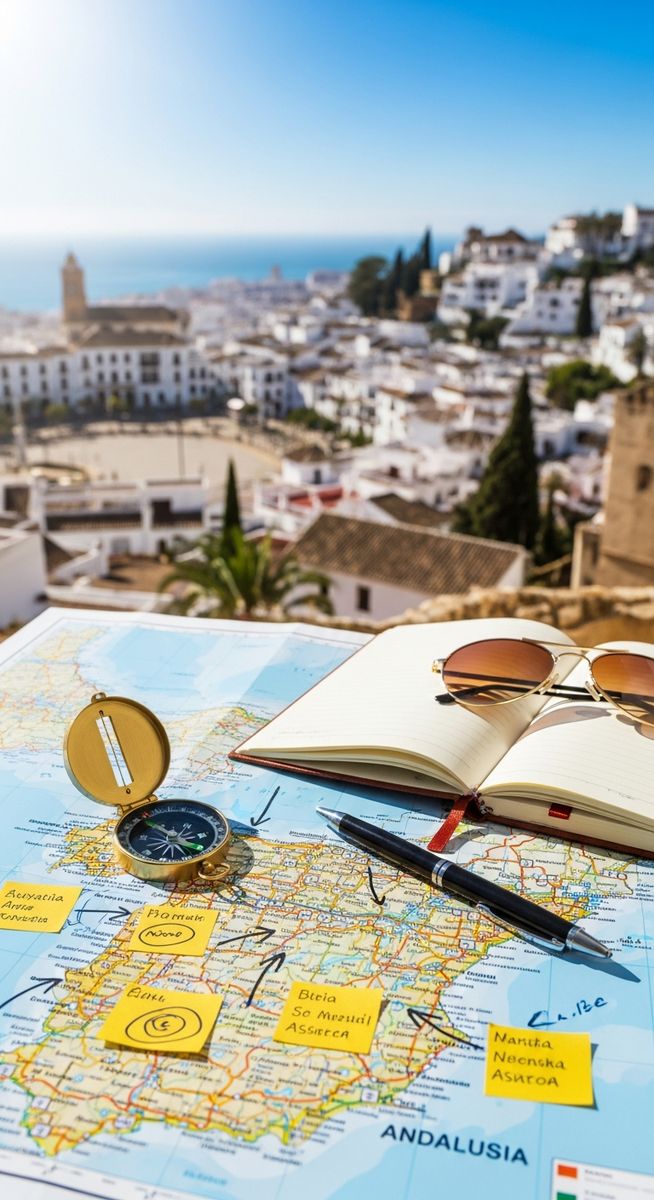
The beauty of southern Spain is that every destination connects to the others, making it easy to create an itinerary that suits your interests and timeline. Trainline makes booking trains between cities simple, and the high-speed AVE trains connect major destinations quickly and comfortably.
Spring (April-May) and fall (September-October) offer the best weather for exploration, with warm days perfect for sightseeing and cool evenings ideal for tapas hopping. Summer can be intense, especially inland, but it’s also when the region comes alive with festivals and outdoor dining.
Each of these destinations could easily fill several days, but even a week-long trip can give you a taste of southern Spain’s incredible diversity. Whether you’re drawn to the artistic heritage of Granada, the culinary traditions of Seville, or the natural beauty of Almería, this region offers experiences that will stay with you long after you return home.
From the moment you arrive, you’ll understand why southern Spain has captivated travelers for centuries. It’s a land where every corner tells a story, every meal is a celebration, and every sunset feels like a personal gift just for you.

hello anna, not only that the article is great but informative. me and my wife will be doing the camino and we would like to include the southern part of spain, especially the town of montoro. we are still on the planning stage and our target is around october-november.
Thank you so much – really glad the article was helpful! And love the sound of how your trip is coming together 🙂
Montoro is a lovely choice and a bit off the beaten track, which makes it all the more worth visiting. It sits just east of Córdoba, so it pairs well with a stop there.
October-November is a fantastic time to be in the south too – the heat has finally backed off, the crowds are much thinner, and the light is gorgeous. Just FYI, I’ve got this two-week southern Spain itinerary which might help you think through the wider route, if needed.
Good luck with the rest of your travel planning – and feel free to come back with any questions!
Great article. We’re still planning our trip in Nov 2026.
Hi John,
Thanks so much – glad you enjoyed the article!
November is actually a really nice time to visit southern Spain. The temperatures are much more comfortable for exploring, and you’ll avoid the big summer crowds, which makes a huge difference in places like Seville and Granada.
If you’re still in the planning phase, you’ve got plenty of time to put together a great itinerary. Feel free to reach out if you’d like help narrowing things down or figuring out how to connect the different spots!