
23 Epic Food Tours in Spain That Are Totally Worth It

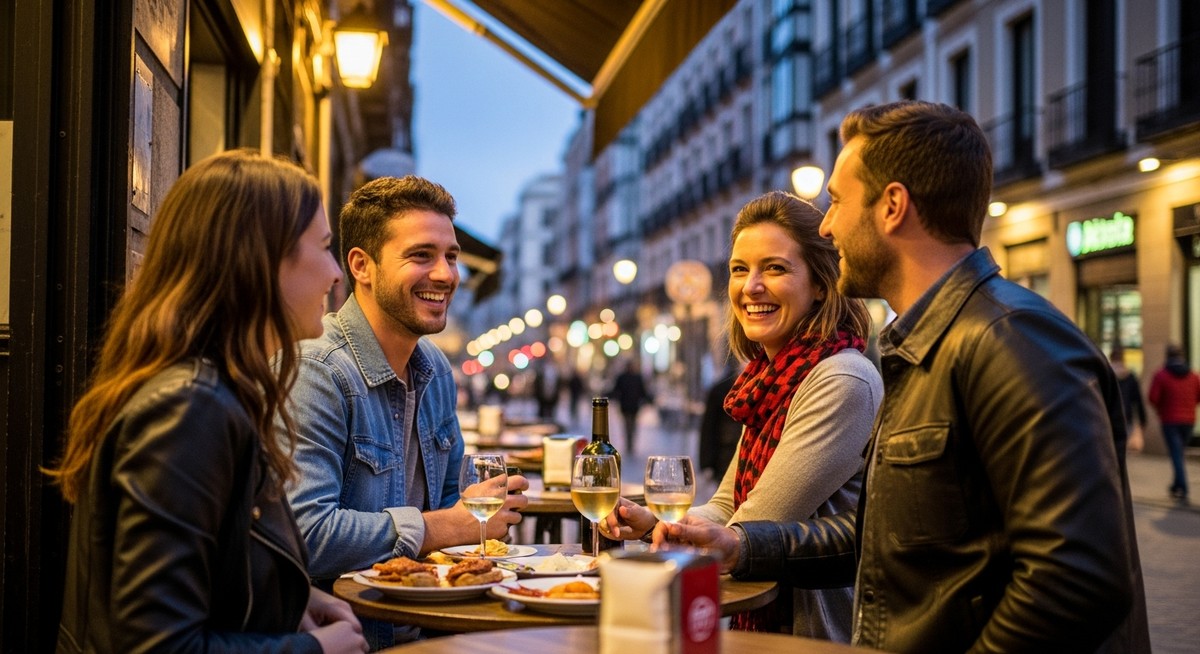
Spain isn’t just about beautiful beaches and historic monuments – it’s a country where food is an art form and every meal tells a story. From the pintxos bars of San Sebastian to the tapas culture of Andalusia, Spanish cuisine varies dramatically from region to region, making food tours one of the best ways to truly understand the local culture.
Whether you’re a foodie looking to discover hidden culinary gems or a traveler wanting to experience authentic Spanish flavors, these food tours will give you memories (and recipes) you’ll treasure forever.
Madrid
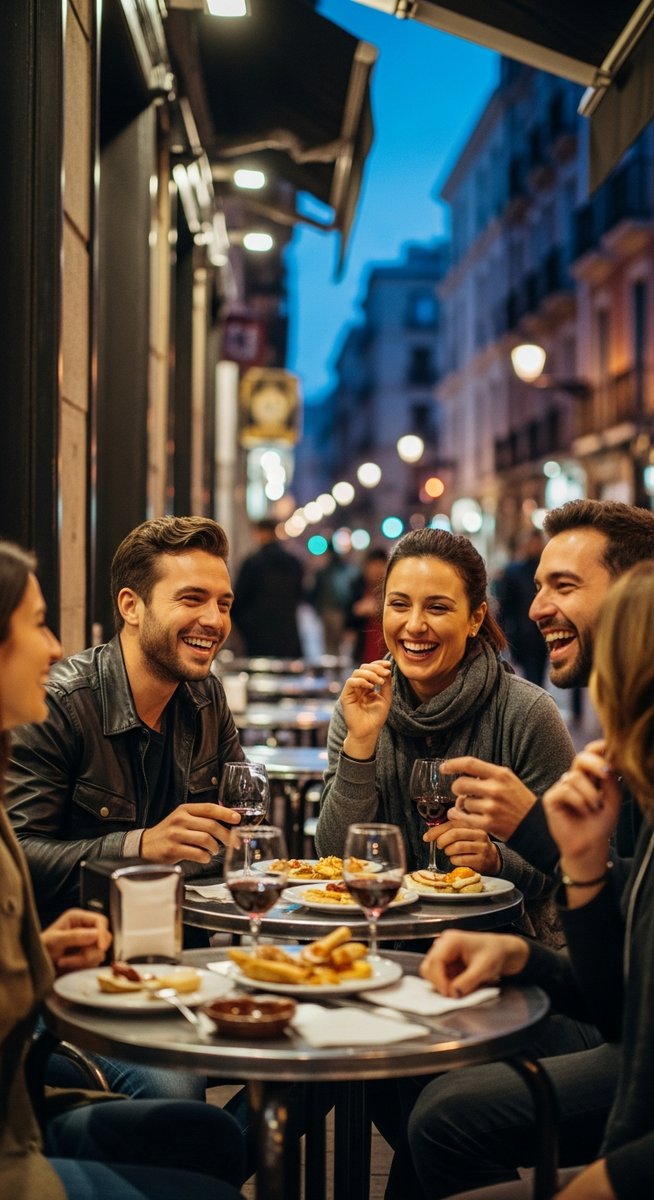
Madrid’s food scene reflects its status as Spain’s cosmopolitan capital, where traditional Castilian dishes meet innovative modern cuisine. The city’s historic neighborhoods hide centuries-old taverns serving the same recipes that fed Spanish royalty, while trendy districts showcase Spain’s evolving culinary landscape.
For a comprehensive introduction to Madrid’s flavors, I recommend the Food & Wine Tour with 10 Tapas & 4 Drinks which takes you through authentic neighborhoods while sampling the city’s best small plates. The Tapas & Wine Tour with Visit to a Rooftop offers stunning city views alongside traditional cuisine, giving you a perfect perspective on both Madrid’s skyline and its culinary heritage.
The capital’s massive food markets deserve special attention – the San Miguel Market and Street Food Walking Tour showcases the incredible diversity of Spanish cuisine, from Galician seafood to Extremaduran cheeses.
For those interested in the stories behind the food, the Tapas, Taverns & History Tour combines Madrid’s fascinating past with its culinary traditions, taking you through La Latina’s winding streets where locals gather for weekend vermut and you’ll learn why cocido madrileño became the city’s signature dish.
Barcelona
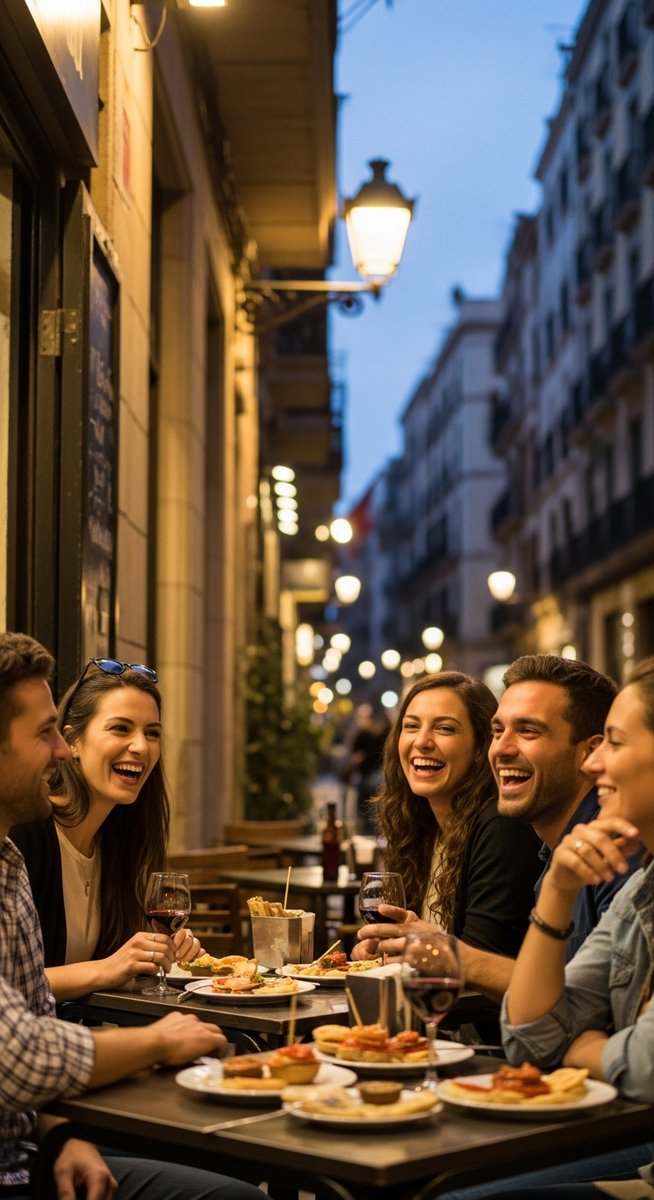
Barcelona offers a unique twist on Spanish cuisine with its distinctive Catalonian flavors and Mediterranean influences. The city’s famous markets, especially La Boquería, serve as the perfect starting point for any food adventure, where you can sample everything from fresh seafood to artisanal chocolates.
I highly recommend this paella cooking class that includes a visit to Boquería Market – you’ll learn to cook authentic paella while discovering the ingredients that make Catalonian cuisine so special. For those who prefer to eat rather than cook, the Tapas Walking Tour with Food, Wine, and History combines Barcelona’s fascinating history with its incredible food scene.
Don’t miss trying pa amb tomàquet (bread with tomato), a simple yet perfect Catalonian staple that locals eat daily. The Barcelona Wine Tasting experience will introduce you to exceptional Catalonian and Spanish wines that pair perfectly with local dishes.
For a truly unique experience, try the Make Your Own Cava workshop where you’ll learn the traditional method of creating Catalonia’s famous sparkling wine. Barcelona’s Gothic Quarter also offers incredible flamenco shows with dinner options, combining passionate dance with traditional cuisine.
Seville
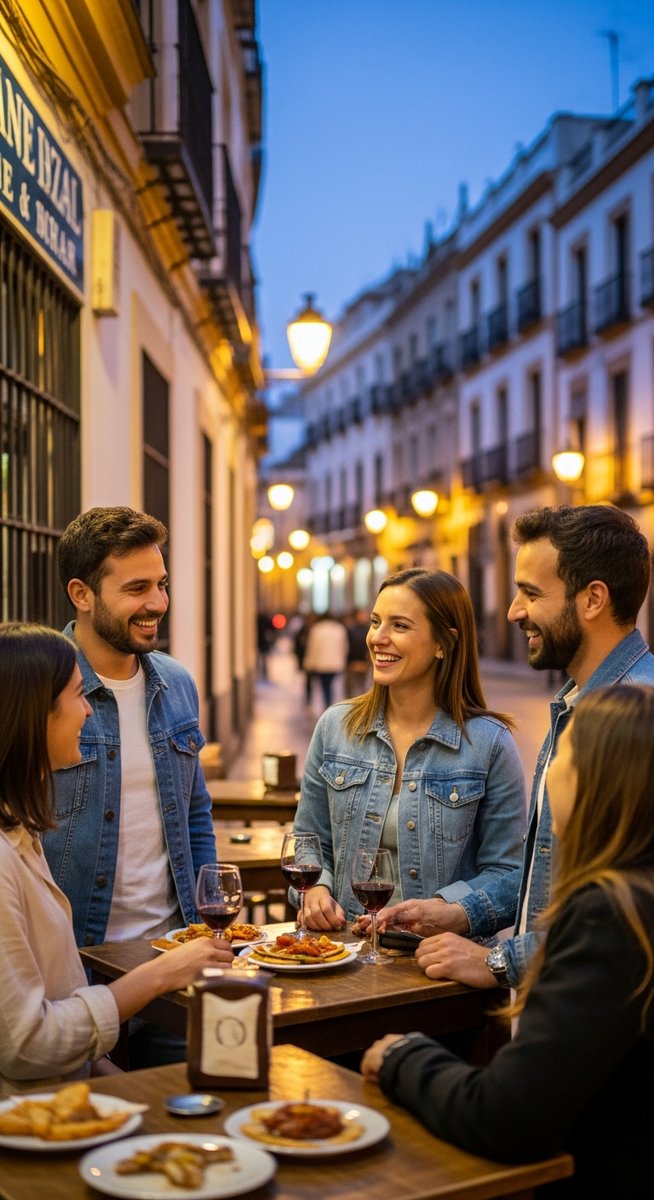
Seville claims to be the birthplace of tapas culture, and one bite of their incredible small plates will make you a believer. The city’s food scene revolves around social eating, where friends gather at multiple bars throughout the evening, sampling different specialties at each stop.
Andalusian cuisine is all about simplicity and quality – think perfectly fried pescaíto (small fish), creamy salmorejo (cold tomato soup), and the region’s famous jamón ibérico de bellota. The Spanish Cooking Class with Dinner and Sangria gives you hands-on experience with these traditional recipes.
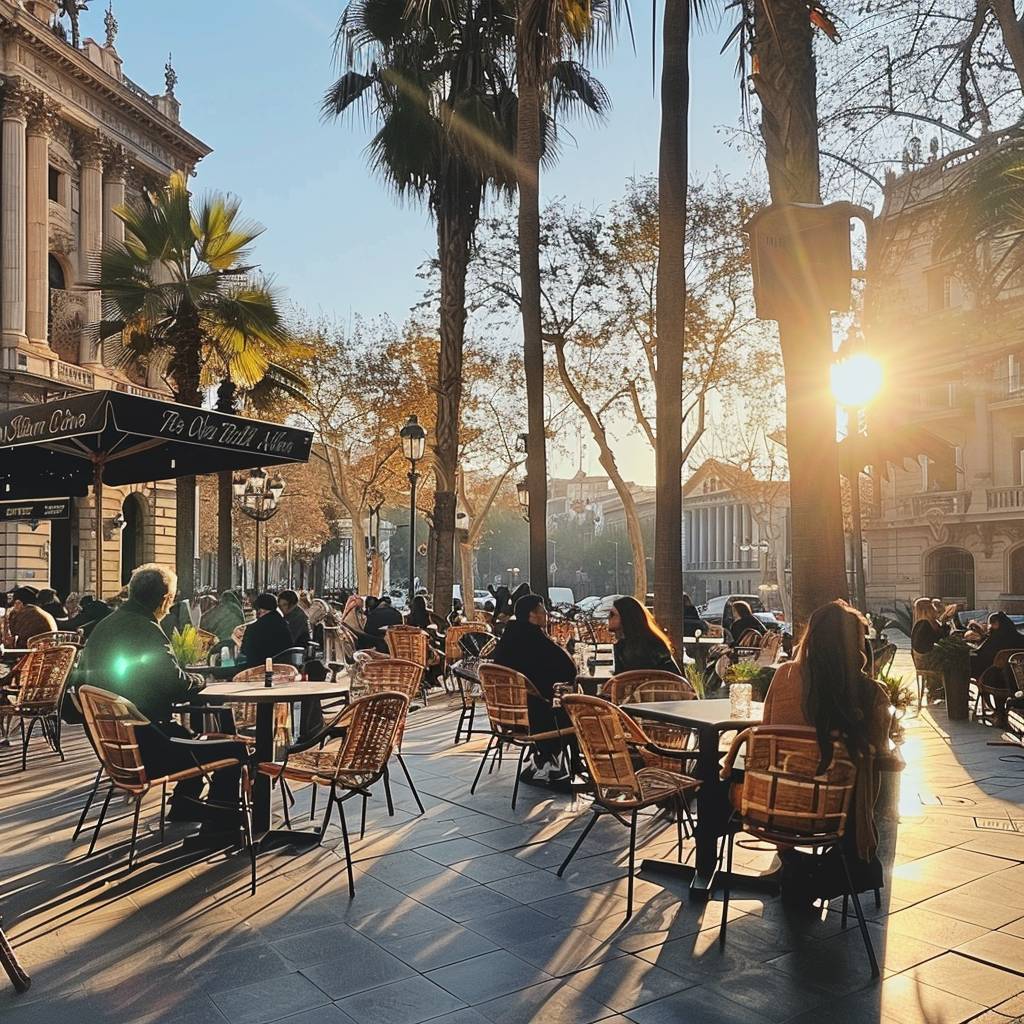
For the full Sevillian experience, join a Tapas and Wine Crawl that takes you to authentic neighborhood bars where locals have been gathering for generations. You’ll learn the unwritten rules of tapas culture and discover why Sevillians never eat standing up.
The historic Triana neighborhood, across the Guadalquivir River, offers some of Seville’s most authentic tapas experiences. Consider pairing your food tour with a Flamenco show (flamenco was born here, after all!) to experience the full cultural richness of Andalusia.
Valencia
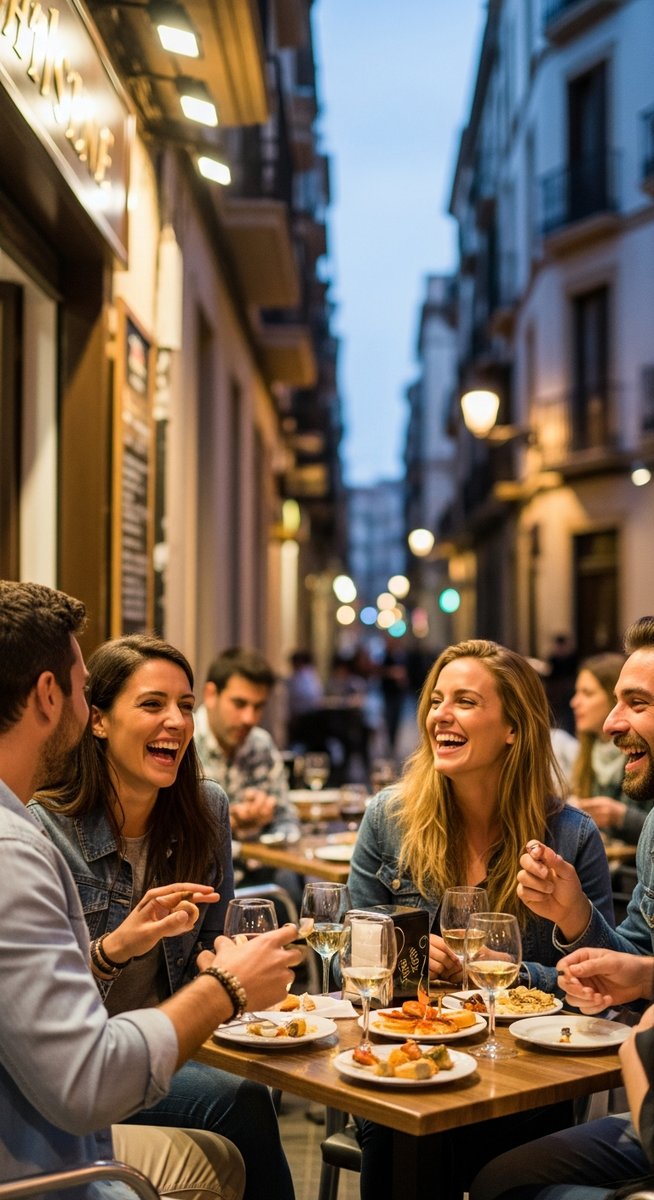
While Valencia is famous worldwide for creating paella, the city’s culinary offerings extend far beyond this iconic rice dish. Valencia’s location on the Mediterranean coast provides access to incredible fresh seafood, while the fertile surrounding countryside produces some of Spain’s best rice, oranges, and vegetables.
A paella cooking class in its birthplace is an essential experience – you’ll learn the difference between authentic Paella Valenciana and the tourist versions found elsewhere. The experience typically includes a visit to Valencia’s stunning Central Market, where you’ll select the freshest ingredients.
For a more comprehensive taste of the city, try the Old Town Tour, Wine & Tapas in an 11th Century Monument, which combines history with gastronomy in a truly unique setting. The Tapas and Drinks Evening Tour showcases Valencia’s vibrant nightlife and the local tradition of the almuerzo (mid-morning snack).
Don’t leave without trying horchata de chufa, Valencia’s signature drink made from tiger nuts, served ice-cold with fartons (sweet pastries) for dipping.
San Sebastian
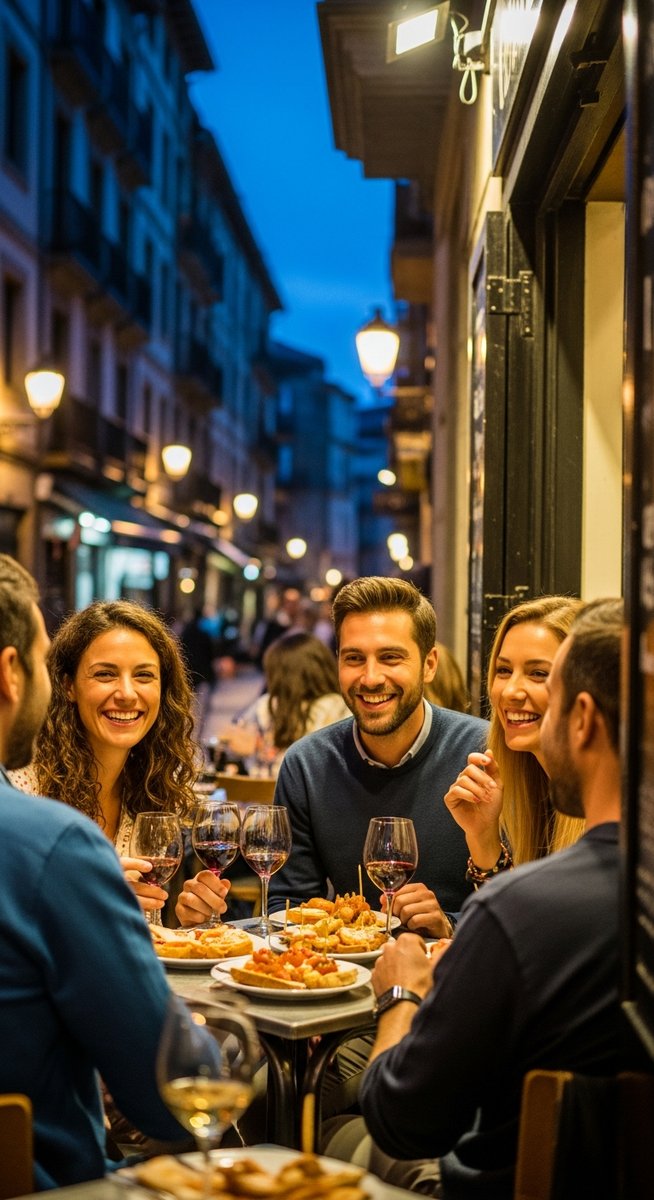
San Sebastian boasts more Michelin stars per capita than anywhere else in the world, but the real magic happens in the city’s pintxos bars. These small plates, typically served on toothpicks, represent some of the most creative and delicious food you’ll find anywhere in Spain.
The Pintxos and Wine Tour takes you through the atmospheric Parte Vieja (Old Town), where locals bar-hop following an unwritten code of pintxos etiquette. You’ll discover how each bar specializes in specific pintxos and learn to pair them with txakoli, the slightly sparkling Basque white wine.
For an even more comprehensive experience, consider the Food Tour with Pintxo Tasting & Wines which provides deeper insights into Basque culinary traditions. Basque cuisine differs significantly from the rest of Spain, with influences from neighboring France and a focus on high-quality local ingredients like idiazábal cheese and Ibarra peppers.
The narrow streets around Plaza de la Constitución come alive in the evening as locals begin their pintxos rounds. Each bar has its own specialty – some famous for their tortilla, others for their jamón or seafood creations.
Granada
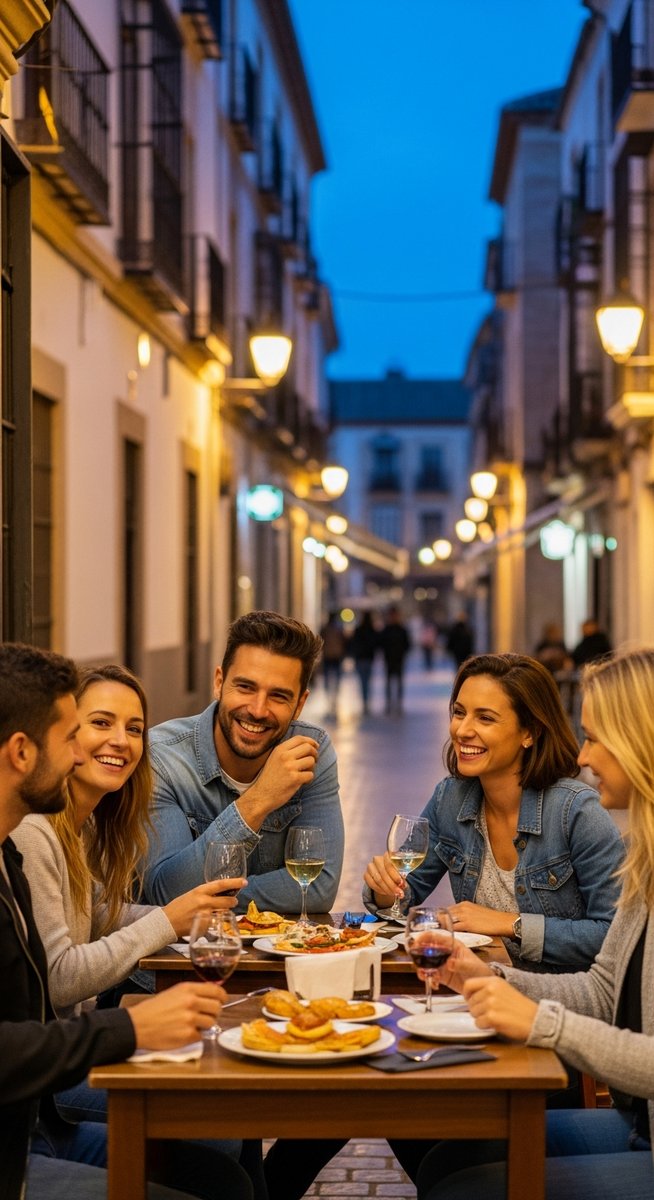
Granada maintains one of Spain’s most generous tapas traditions – order a drink at most bars and you’ll receive a free tapa to accompany it. This tradition, combined with the city’s rich Moorish history, creates a unique culinary experience that reflects centuries of cultural fusion.
The Walking Food Tour introduces you to this fascinating blend of cultures while taking you through the city’s most authentic neighborhoods. The influence of Al-Andalus is evident everywhere in Granada’s food scene, from the use of spices like cumin and coriander to sweet treats made with almonds and honey.
You’ll taste dishes that have remained virtually unchanged since medieval times, alongside modern interpretations that showcase Granada’s evolving food culture. The narrow streets of the Albaicín neighborhood hide family-run teterías (tea houses) where you can experience the Moorish tradition of mint tea and pastries.
Granada’s free tapa tradition is more than just generous hospitality – it’s a way of life that encourages social interaction and leisurely dining. Complete your Granada experience with authentic flamenco at Cuevas Los Tarantos or La Albore, both offering dinner options.
Bilbao
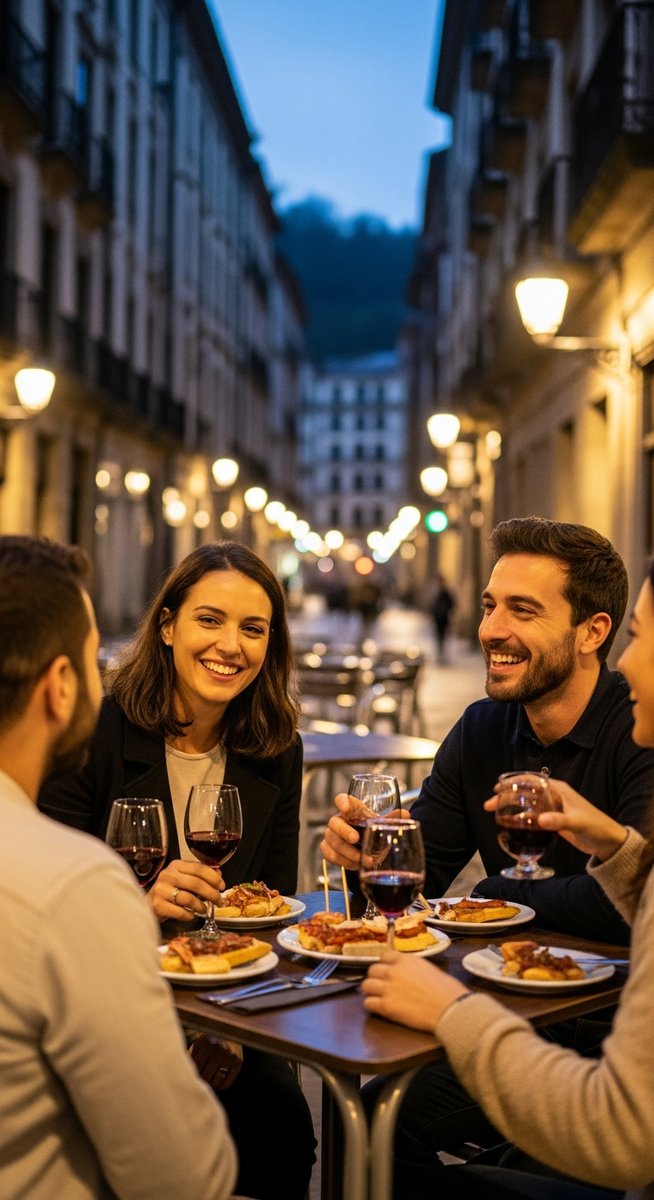
Bilbao’s transformation from industrial port to cultural destination extends to its food scene, where traditional Basque cuisine meets innovative culinary techniques. The city’s pintxos bars rival those of San Sebastian, while its fine dining scene showcases the creativity that has made Basque cuisine world-famous.
I recommend joining a Food Tour and Wine Tasting with Guide to discover the authentic flavors that make Bilbao’s cuisine so special. The industrial heritage of Bilbao influences its food culture in fascinating ways – you’ll find robust, hearty dishes that were designed to fuel hard-working dock workers, now refined and presented with modern flair.
For wine lovers, the Gaztelugatxe, Bermeo, Mundaka, Gernika, & Wine Tour combines stunning Basque landscapes with exceptional wine tastings. Bilbao’s Mercado de la Ribera, one of Europe’s largest covered markets, serves as the heart of the city’s food scene and often features in these culinary adventures.
Palma de Mallorca
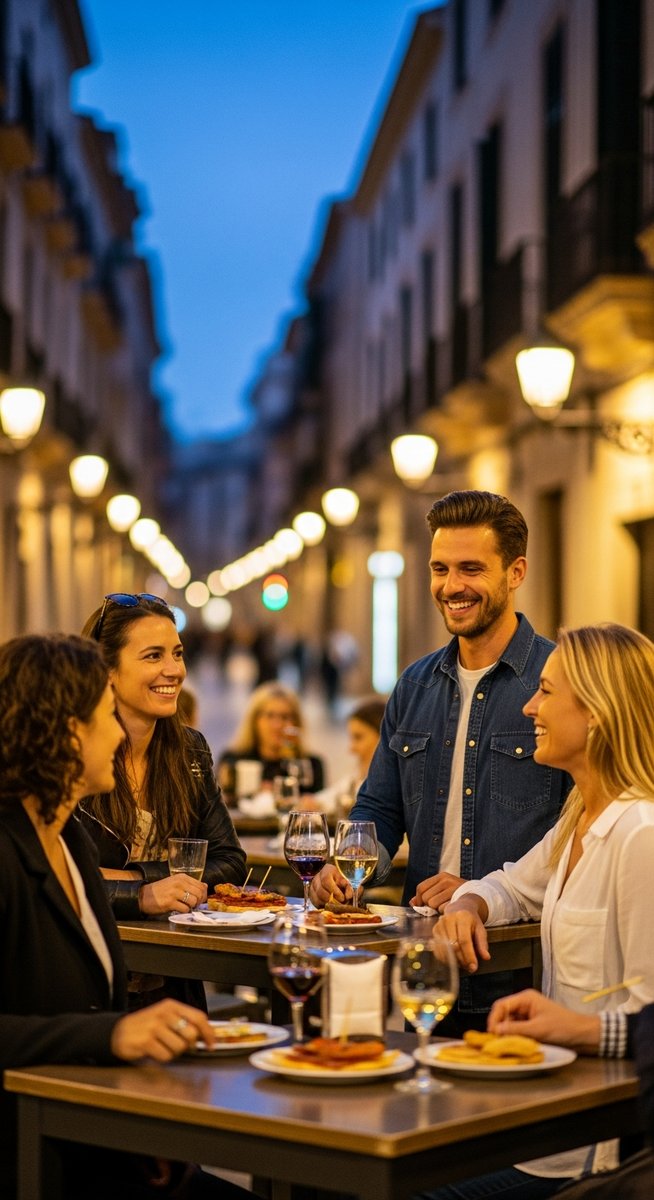
Mallorca’s cuisine reflects its island location and diverse cultural influences, combining traditional Spanish flavors with Mediterranean ingredients and unique island specialties. The capital city of Palma offers an excellent introduction to Balearic cuisine, where fresh seafood meets locally grown produce in dishes you won’t find anywhere else in Spain.
The Gourmet Tapas and Wine Tour showcases Palma’s vibrant food scene, from traditional island specialties like sobrasada (spiced pork spread) to modern interpretations of Mediterranean classics. You’ll discover how Mallorca’s strategic location in the Mediterranean has influenced its cuisine over centuries, creating a unique culinary identity that’s distinctly different from mainland Spain.
Mallorcan cuisine features unique ingredients like flor de sal (salt flower) from the island’s salt flats and olive oil from thousand-year-old trees. The island’s tumbet (vegetable casserole) and ensaimada (spiral pastry) are culinary treasures you’ll remember long after your visit.
Córdoba
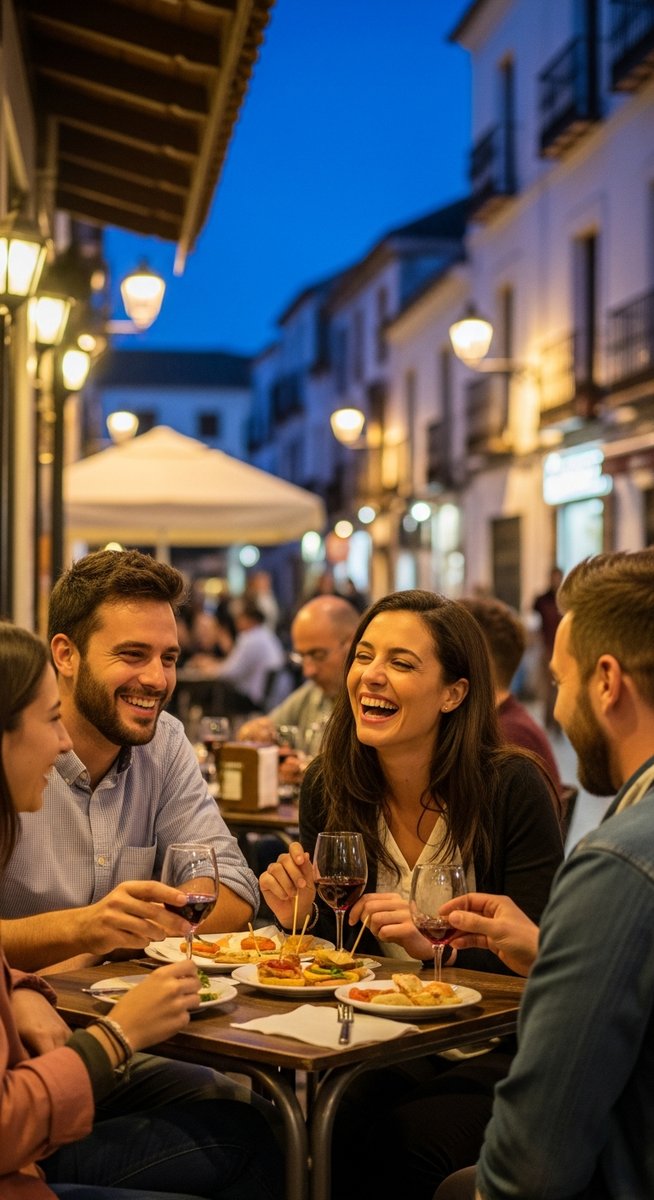
While Córdoba might be smaller than other Andalusian cities, its culinary heritage is equally rich and worthy of exploration. The city’s position as a former Moorish capital means its cuisine reflects an incredible blend of Christian, Jewish, and Islamic influences that you won’t find anywhere else in Spain.
Don’t miss the Flamenco Show Ticket with Drinks which offers a perfect introduction to Córdoba’s cultural and culinary scene. The city’s historic Jewish quarter hides traditional taverns where you can sample dishes like salmorejo cordobés and rabo de toro (bull’s tail stew).
Málaga
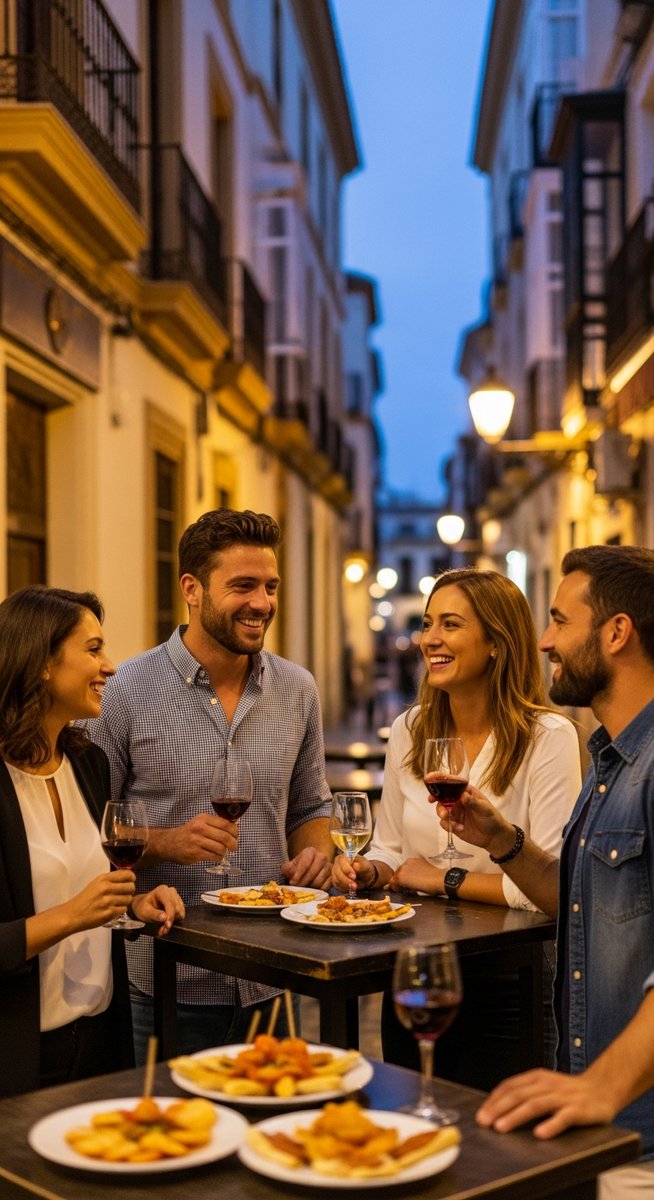
Málaga’s position on the Costa del Sol gives it access to incredible fresh seafood while maintaining the hearty Andalusian traditions of its inland neighbors. The city’s food scene has evolved dramatically in recent years, making it an exciting destination for food tours.
While exploring Málaga’s culinary scene, you can also enjoy unique experiences like the Catamaran Sunset or Night Cruise with Live DJ & Drink, which combines the city’s coastal lifestyle with its love for good food and drinks. The city’s historic center, particularly around the area of the Alcazaba, offers traditional Andalusian taverns serving espetos (grilled sardines) and other coastal specialties.
Wine Tours Across Spain
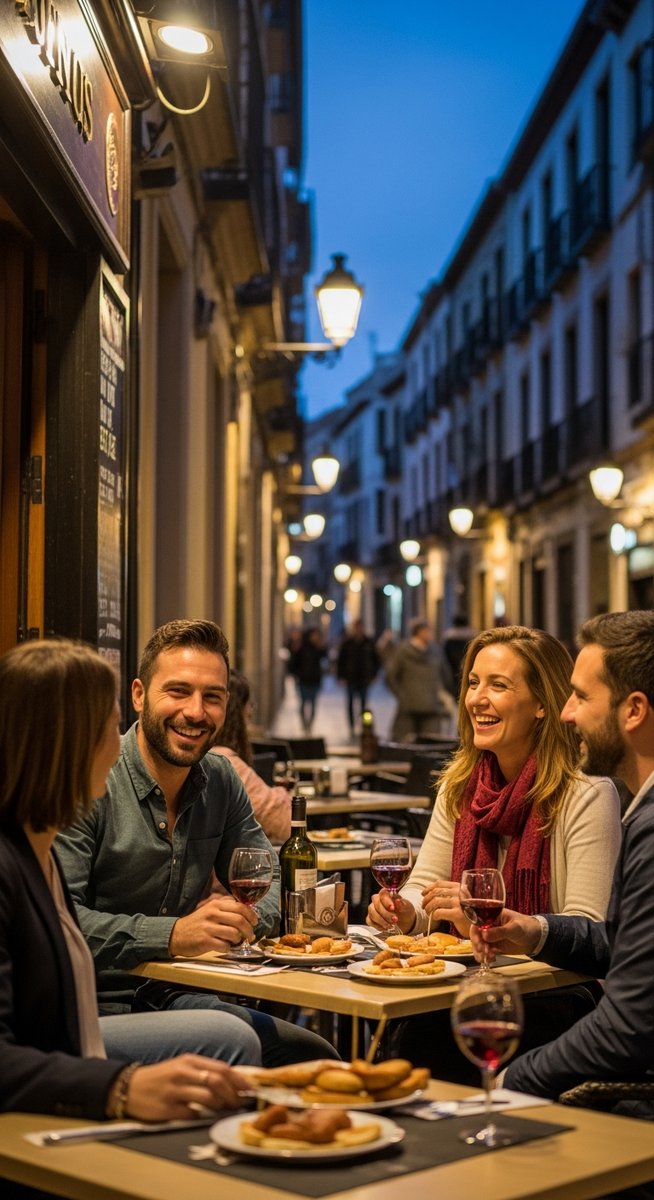
Spain’s wine regions offer some of the world’s most exciting wine and food pairings, with each region developing unique culinary traditions around their local varieties. From the famous Rioja region with its bold reds to the sparkling cava of Catalonia, Spanish wine tours combine world-class vintages with regional cuisine.
For an authentic Rioja experience, the La Rioja Wineries Day Trip with Wine Tastings from Bilbao takes you through medieval villages and family-owned bodegas where you’ll taste wines that have been perfected over generations. On the other hand, the Penedès Vineyards Tour near Barcelona offers an excellent introduction to cava production, paired with traditional Catalonian appetizers.
You’ll learn how the méthode champenoise creates Spain’s answer to champagne while enjoying stunning vineyard views. Wine tours in Spain go beyond just tasting – they’re cultural experiences that connect you with centuries-old traditions and family stories passed down through generations.
Cooking Class Tours
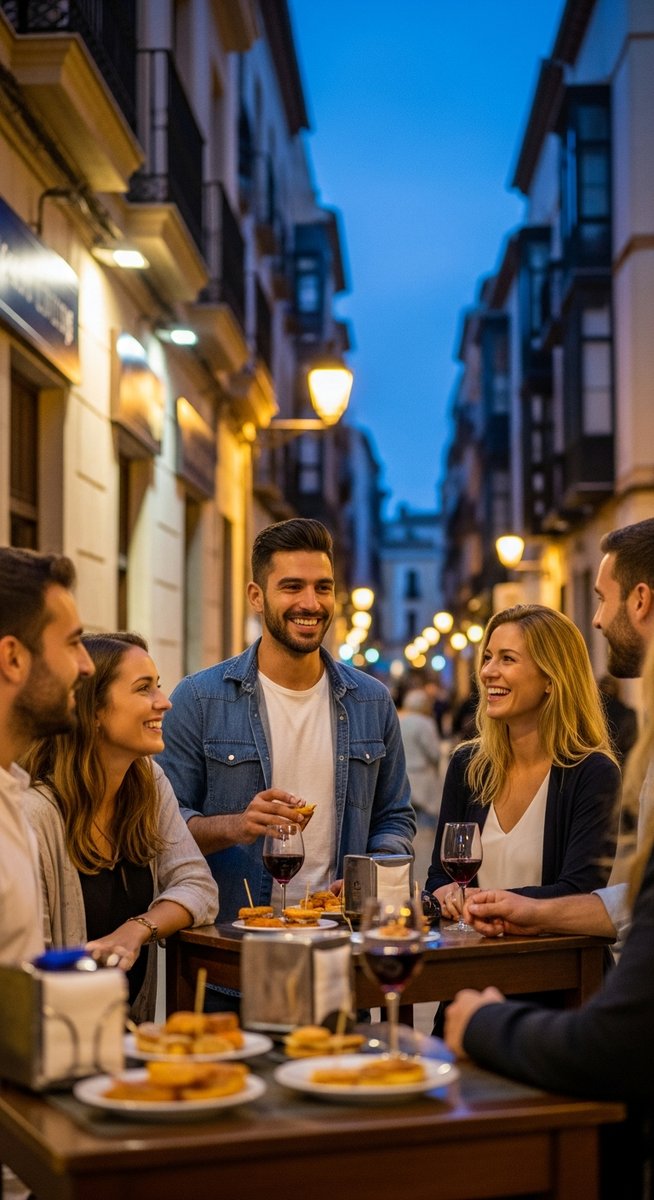
There’s no better way to understand Spanish cuisine than by learning to cook it yourself, and Spain offers incredible hands-on culinary experiences throughout the country. These classes go far beyond just recipes – they’re cultural immersions that teach you about Spanish food philosophy and family traditions.
Most cooking classes begin with a market visit, where you’ll learn to select the best ingredients while practicing Spanish with local vendors. You’ll discover why Spanish cooks are so particular about timing (especially with rice dishes) and learn the techniques that make Spanish cuisine so distinctive.
The social aspect of Spanish cooking classes mirrors the country’s food culture – you’ll cook alongside other travelers and locals, sharing stories and laughter while creating memorable meals together. Many classes conclude with a family-style dinner where you’ll enjoy your creations with Spanish wine, creating lasting friendships over shared meals.
Making the Most of Your Spanish Food Tour Experience
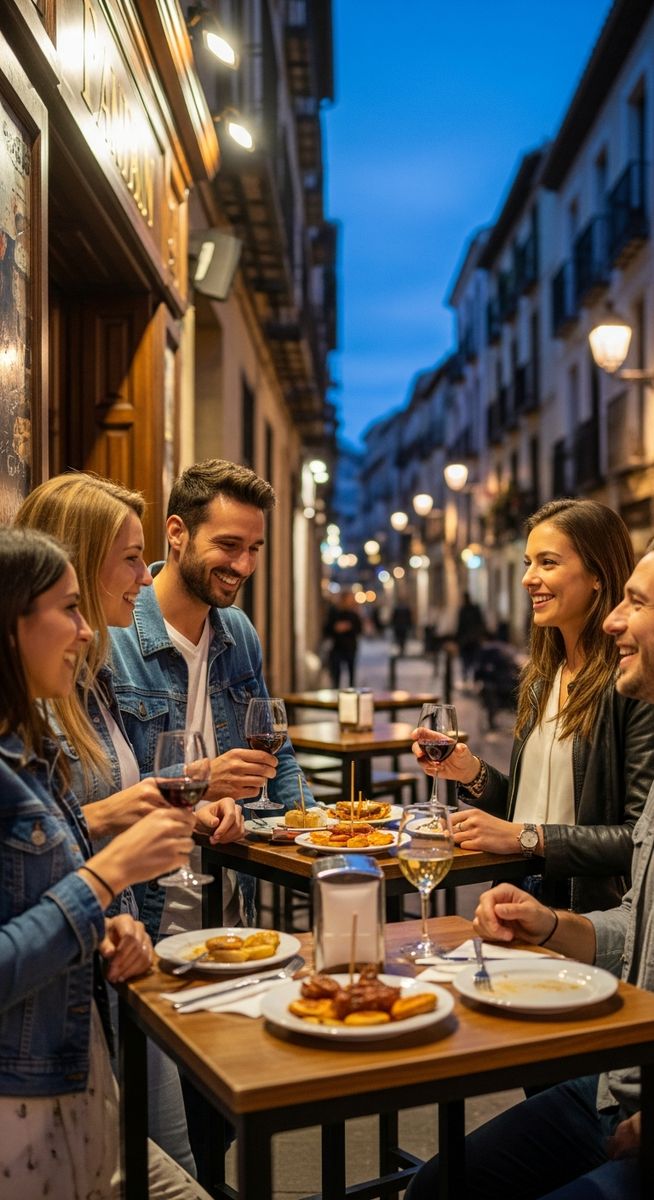
Choosing the right food tour depends on your interests, dietary needs, and travel style – some focus on high-end dining experiences, while others emphasize authentic neighborhood joints where locals eat daily. The best tours combine food with cultural context, teaching you not just what to eat but why these dishes matter to Spanish culture.
Book tours early, especially during peak season (April-June and September-October), as the best experiences often sell out quickly. Don’t eat a large meal before your tour – you’ll be sampling lots of food, and arriving hungry ensures you’ll fully appreciate each dish.
Remember that Spanish meal times differ significantly from other countries – lunch happens between 2-4 PM and dinner starts around 9-10 PM. Many food tours are scheduled around these traditional times, giving you an authentic Spanish eating experience that extends well into the evening.
Come with an open mind and empty stomach – Spanish food tours aren’t just about eating, they’re about understanding a culture that treats every meal as a celebration. You’ll leave with more than just a full belly – you’ll have stories, recipes, and a deeper appreciation for one of the world’s greatest food cultures.
