
2 Days in Seville: The Perfect Itinerary for a 48-Hour Stay

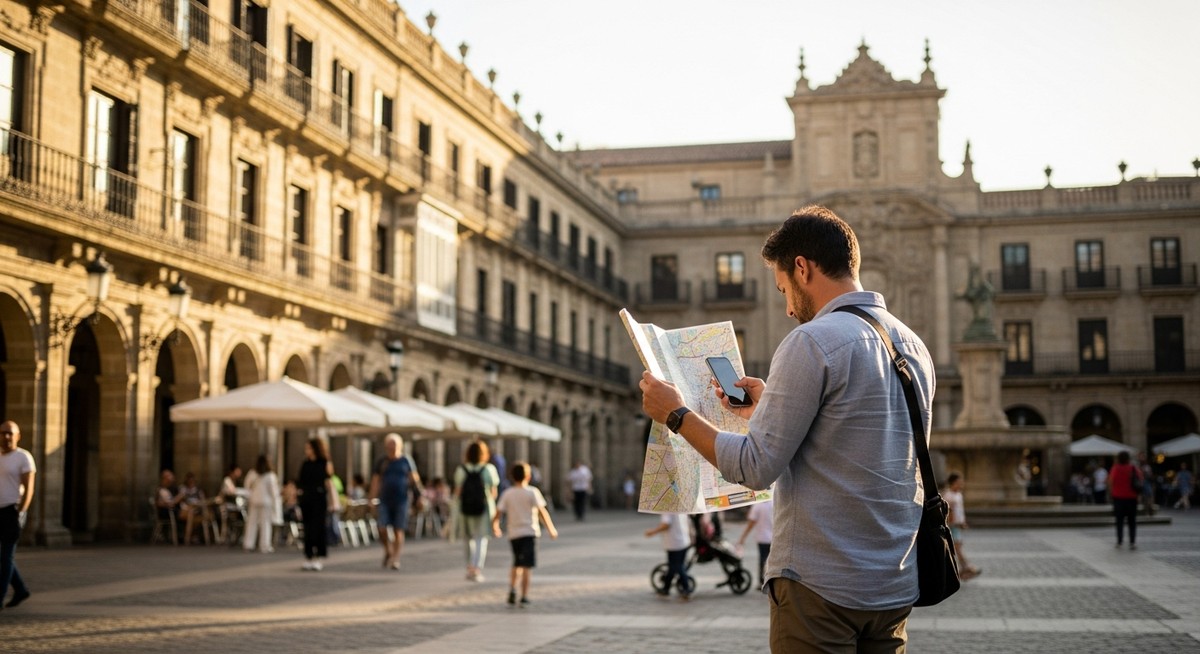
Two days in Seville gives you just enough time to slow down and really enjoy the city. From the iconic sights to the hidden corners, you can see a lot without feeling rushed.
But how do you plan the perfect itinerary that balances sightseeing, food, and some solid chill out time?
Keep reading to see just how I’d suggest spending two days in Seville to help you make the most of your trip – without overloading your schedule.
Planning a trip to Seville last minute?
If you’re booking your trip to Seville last minute, I’ve got you covered. Below are some of the top tours, hotels, and more!
⭐ Most popular sights in Seville
- Real Alcázar – tickets often sell out weeks in advance so get your entry ticket here
- Cathedral and La Giralda – grab your skip-the-line entry (or entry tickets AND a guided tour with the Real Alcázar here)
- Flamenco show – Seville is the birthplace of flamenco so catching a performance is a must. And this flamenco show is incredible.
🌍 Top tours in Seville
- Sightseeing River Cruise (amazing views of Seville from the water!)
- City Highlights Bike Tour (super easy way to see the sights)
- Day Trip to the Pueblos Blancos and Ronda (great day trip)
🛏️ Top hotels in Seville
- Hotel Lobby (5-star luxury with an amazing rooftop pool)
- Hotel Cervantes (19th century boutique hotel with beautiful décor)
- Hotel Simon (great budget option with superb location)
🚌 Short on time but want to see all the sights? Check out Seville’s hop-on hop-off sightseeing bus!
Day 1
Morning
Real Alcázar
Start your first morning in Seville with one of its most iconic sights – the Real Alcázar. This royal palace complex is a standout not just for how beautiful it is, but for the history layered into every arch, courtyard, and tile.
Originally built as a Moorish fortress in the 10th century, it later became a royal residence for Christian kings – and still is today when the Spanish royal family visits. The result is a mix of architectural styles that somehow all work together, from the intricate Islamic designs in the Patio de las Doncellas to the Gothic and Renaissance touches added later.

Give yourself time to explore slowly. The rooms are full of details worth noticing, and the gardens stretch out far beyond what you might expect – fountains, palm trees, tiled pavilions, and even the occasional peacock.
It’s peaceful and easy to wander. And, Game of Thrones fans, it might just Dorne on you that you’ve seen these gardens somewhere before…
This is one of Seville’s busiest sights, so it’s best to book Alcázar tickets in advance to skip the lines. Try to arrive right when it opens to make the most of the quieter early hours and cooler temperatures.

Cathedral and La Giralda
From the Alcázar, it’s just a few minutes’ walk to Seville Cathedral – a huge Gothic landmark that dominates the skyline. Built on the site of a former mosque, it’s designed to impress from the moment you walk in, with soaring ceilings, intricate chapels, and one of the largest altarpieces in the world.
Christopher Columbus is buried here, and his tomb is held up by four sculpted figures representing the kingdoms of Spain. It’s one of the most visited spots in the cathedral, but don’t rush – there’s plenty more to take in, especially if you’re into art or religious history.

Once you’ve seen the inside, climb La Giralda, the cathedral’s bell tower. It used to be the minaret of the mosque that once stood here, and it still keeps that design – instead of stairs, there’s a series of ramps leading to the top.
The view is worth the walk, with the rooftops of the old town stretching out in every direction.
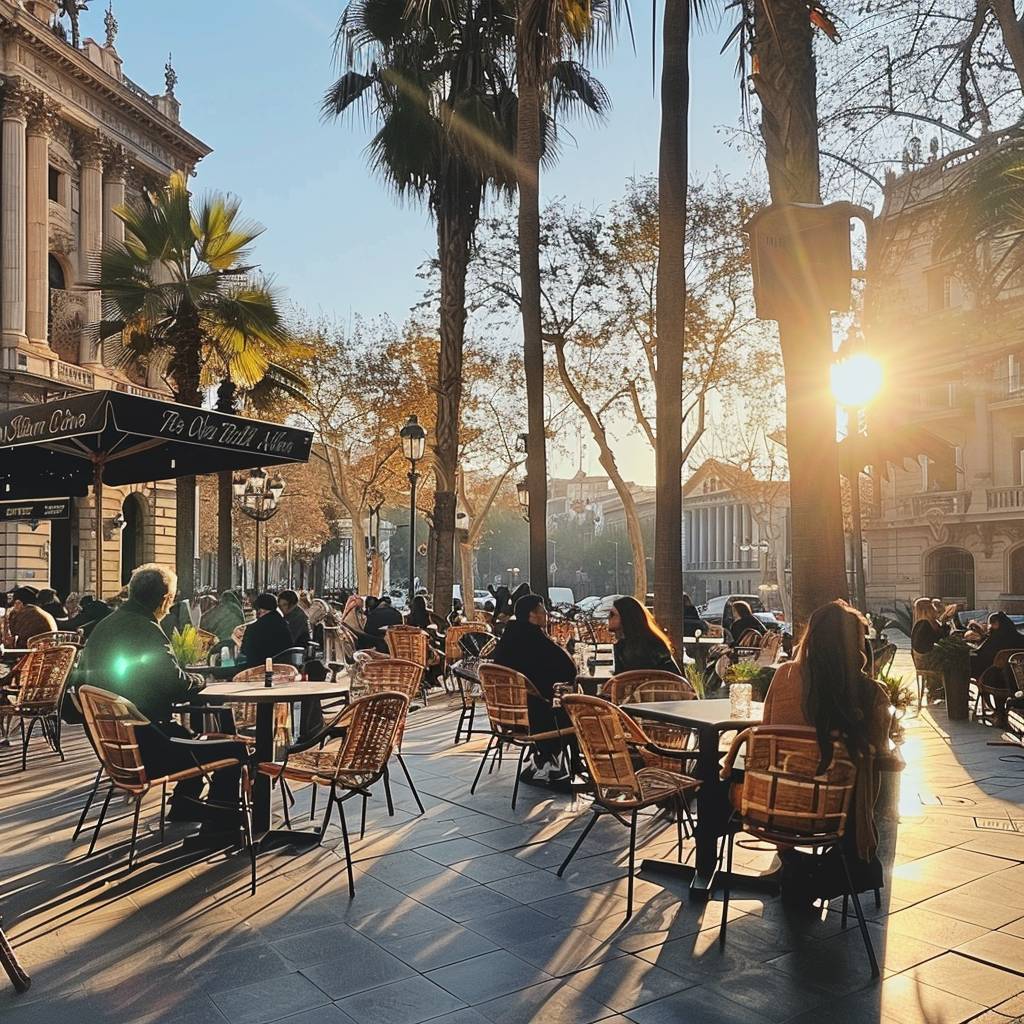
To save time, it’s smart to get your combined Cathedral and Giralda tickets ahead of time. It’s one of those places where having a bit of extra time makes a big difference, so don’t rush through it if you don’t have to.
To make the most of your visit to Seville’s most iconic sights, check out this guided tour of the Royal Alcázar, the Cathedral and La Giralda.
You’ll get skip-the-line entry and an expert guide to lead you through the incredible history that’s taken place here.
Lunch
After a packed morning, it’s time to slow down over some good food. You’re right in the heart of the city, and there are some excellent lunch spots just a short walk from the Cathedral.
Bodega Santa Cruz (often called Las Columnas) is a local favorite and perfect if you want to keep things casual. Grab a spot at the bar or a table outside if you’re lucky, and order a few small plates.
I’d definitely suggest trying the espinacas con garbanzos (spinach with chickpeas), solomillo al whisky (pork in whisky sauce), and maybe some tortilla de patatas if it’s just come out fresh.
If you’re after something a little more relaxed and sit-down, Casa Román is tucked into a quiet plaza nearby and is known for its jamón ibérico. A plate of that, along with some salmorejo and grilled seasonal veggies, makes for a great lunch.

And if you’ve got time, La Azotea on Mateos Gago offers a more modern twist on Andalusian classics in a slightly more refined setting.
Finish things off with a coffee or a scoop of ice cream from Helados Rayas if you feel like a sweet break before heading into the afternoon.
Afternoon
Barrio Santa Cruz
Spend your afternoon wandering through Barrio Santa Cruz, the old Jewish quarter and one of the most atmospheric areas in Seville. It’s a maze of narrow lanes, hidden courtyards, and colorful buildings, all within easy walking distance of where you’ve just had lunch.
Start at Plaza de Doña Elvira, a peaceful square surrounded by orange trees, tiled benches, and flower-filled balconies. It’s a great little spot to sit for a minute and take it all in before continuing on.

From there, head down Callejón del Agua, a narrow alley that runs along the old Alcázar wall. It’s named after the water channel that once brought water to the palace, and it still feels like one of the quieter corners of the city – full of bougainvillea, historic buildings, and the kind of old-world charm you came to Seville for.
Just around the corner, stop in at the Hospital de los Venerables. Originally built in the 17th century to house elderly priests, it’s now home to the Velázquez Center, with a small but worthwhile collection of Spanish art. The Baroque church inside is especially beautiful, and the peaceful courtyard is a great spot to cool off before moving on.
This part of Seville is perfect for wandering, so don’t feel like you have to follow a strict route. Getting a little lost here is half the fun.
Plaza de España
Next, make your way to Plaza de España, one of the most impressive public spaces in Seville. Built for the 1929 Ibero-American Exposition, it’s a huge semi-circular plaza framed by a sweeping building, bridges over a canal, and tiled alcoves representing every province in Spain.

The scale of it is striking, but it’s the details that really stand out – from the intricate ceramic work to the carved balconies and arches above.
Take your time walking around, stop to check out the province tiles (especially if one is meaningful to you), and if you’re up for it, rent a small rowboat to paddle along the canal for a different view.
Parque de María Luisa
Right next door is Parque de María Luisa, the largest and most famous park in Seville. It used to be part of the gardens of the San Telmo Palace before being opened to the public, and it’s now one of the best places in the city to take a break from the streets and enjoy some green space.
The park is filled with shaded paths, fountains, tiled benches, and hidden corners – perfect for a slow stroll or a relaxed sit-down. Look out for the Glorieta de Bécquer and the duck ponds if you feel like wandering a bit further.
It’s especially welcome in the late afternoon when the heat starts to settle and the light turns golden.
Evening
Wrap up your first day with dinner and flamenco in Triana, one of Seville’s most characterful neighborhoods. Cross the Puente de Isabel II and you’ll find yourself on Calle Betis, which runs along the river and is packed with bars and restaurants – all with views back toward the Cathedral and Torre del Oro.
For dinner, Casa Ruperto is a great option if you’re after something local and no-frills – they’re known for their fried quail (codorniz) and cold beer. If you’re after something more refined, Blanca Paloma offers beautifully prepared Andalusian dishes with a modern twist.
Either way, be sure to try bacalao, salmorejo, or montaditos – classic choices for a night out in Seville.

After dinner, catch a flamenco show in the very neighborhood where many believe the tradition was actually born.
This live flamenco show at the historic Teatro Flamenco Triana is legendary for the passion of its live performances. You’ll truly feel up close and personal with the singers, dancers and musicians.
As an alternative, this flamenco performance at Flamenqueria Sevilla is renowned for its authenticity in a more intimate setting. The views overlooking the Guadalquivir river are pretty great too.
Whether you end your first 24 hours in Seville with a drink by the river or some foot-stomping music in a tablao, Triana is a great way to finish your day here – lively, local, and full of energy.
Day 2
Morning
Torre del Oro
Start your second day with a peaceful walk along the Guadalquivir River, which runs through the heart of Seville. The morning is a great time to follow the riverside path while the city is still waking up – it’s cool, quiet, and gives you a different perspective of the city.
FYI: This sightseeing eco cruise along the Guadalquivir River is a great way to relax and enjoy Seville’s skyline from the water. Grab a drink, sit back, and watch the history glide by.
Make your way to the Torre del Oro, a 13th-century watchtower that once formed part of the city’s defenses. Its name means “Tower of Gold” – possibly because of the golden shine it once had, or because it may have stored riches brought back from the Americas.
Today, it houses a small maritime museum, but the real reason to go up is the view. It’s a short climb to the top, and the lookout gives you sweeping views over the river, Triana, and the rooftops of the historic center.
If you’re planning to go inside, you usually won’t need to book in advance (and tickets are cheap). Otherwise, even seeing it from the outside during a riverside walk is worth it.
Arenal
From the Torre del Oro, head into the Arenal neighborhood – a central part of Seville that’s lively but a bit less touristy than Santa Cruz. It’s filled with traditional tapas bars, elegant buildings, and a slightly more local feel, even though you’re still just minutes from the main sights.

The main reason to head this way is to visit the Plaza de Toros de la Maestranza, one of the oldest bullrings in Spain. No matter your own thoughts on bullfighting (mine are very firmly in the “anti” crowd, for what it’s worth), the building is a big part of Seville’s history and culture.
If you’re really interested, you can take a guided tour to see the ring, the museum, and learn about the role bullfighting has played in the city’s identity over the centuries.
Las Setas
Next, head north into the Encarnación area to check out Las Setas, officially known as Metropol Parasol. This modern structure might feel totally different from the historic spots you’ve seen so far, but that’s part of what makes it worth visiting.

Nicknamed “The Mushrooms” because of its shape, the structure is made of wood and stretches across a large plaza. You can take a lift to the top for panoramic views of Seville, which are especially great in the late morning or just before sunset.
There’s also a small archaeological museum below showing remains from Roman and Moorish times that were found during construction. It’s a good mix of old and new in one place – and a great spot to grab a coffee or take a short break before lunch.
Lunch/Afternoon
After visiting Las Setas, walk just a few blocks north to Alameda de Hércules. This wide, tree-lined boulevard has a more modern, bohemian feel than the older parts of Seville, with street art, independent shops, and loads of bars and restaurants spilling out onto the sidewalks.
For lunch, Duo Tapas is a reliable choice with a creative twist on traditional tapas – think presa ibérica with truffle oil or goat cheese croquettes. La Azotea (this location is different from the one near the Cathedral) is another solid pick, with seasonal dishes that feel fresh and a little elevated without being too fussy.
Or if you’re in the mood for something quick and casual, Al Aljibe has a shaded patio and a solid lunch menu with local favorites.
After eating, spend a bit of time just wandering the area. The vibe is more local and laid-back than the tourist-heavy center, and it’s great for people-watching or finding a shady bench to relax on.
If you’re after something sweet, pop into a local bakery for a slice of tarta de queso (Spanish-style cheesecake) or an empanadilla de cabello de ángel if you’re feeling adventurous.
Evening
To end your trip with a view, head to one of Seville’s rooftop bars for a relaxed dinner or evening drink.
La Terraza del EME sits right next to the Cathedral, and from the rooftop you’ll get front-row views of La Giralda as it lights up after dark. Drinks are a little pricier here, but the location makes it worth it.
Another great option is Pura Vida, which has a casual vibe, live music on some nights, and the same unbeatable backdrop of the Cathedral. It’s the kind of place where you can settle in for a slow drink and watch the city wind down.

If you didn’t manage to catch a flamenco show last night, tonight’s your chance. You’ve got the options I mentioned earlier if you want to go back to Triana, of course, but this incredible flamenco show is closer to where you’re going to be if you’ve been following this itinerary religiously (and is just as legit as the others!).
Whether you go out with a bang or take it slow, Seville knows how to do evenings well – and it’s the perfect way to wrap up your two-day visit.
Is two days in Seville enough?
Two days in Seville gives you the time to dive deeper into the city’s rhythm. You’ll get to explore the major landmarks like the Real Alcázar, the Cathedral, and Plaza de España without rushing, and still have time to enjoy the slower side of Seville – long lunches, hidden plazas, and those quiet moments in shady courtyards.
With two full days, you can see both the historic core and neighborhoods like Triana and Alameda de Hércules, which give you a more local feel. You might not fit in everything like you would if you were to spend three days in Seville, but it’s enough to feel like you’ve really experienced the city – not just ticked off the highlights.
Where to stay in Seville?
If you’re spending two days in Seville, staying somewhere central will make a huge difference. You’ll be able to walk to nearly all the sights on this itinerary, which saves time and lets you make the most of your visit.
Santa Cruz is a great choice if it’s your first time in the city. This historic neighborhood puts you just steps from the Real Alcázar and the Cathedral, which means you can start your mornings early without needing transport.
The area’s full of narrow lanes, shaded squares, and traditional buildings, giving you that classic Seville experience. While it can be busy during the day, it tends to quiet down at night – and you’ll find plenty of restaurants and small hotels tucked into the side streets.
⭐⭐⭐⭐⭐ Best luxury hotel: Hotel Alfonso XIII – One of Seville’s most iconic hotels, it truly feels like part of the city’s royal past, with grand interiors and a peaceful courtyard. Rooms are elegant and spacious, and the pool area is perfect for relaxing after a day of sightseeing.
⭐⭐⭐⭐ Best boutique hotel: Palacio Pinello – Tucked into a quiet street, this former palace has stylish rooms and a rooftop terrace with views over the old town. It’s a small hotel with a lot of character, and you’re just minutes from the Cathedral.
⭐⭐ Best budget hotel: Hotel Alcántara – Simple, clean, and right in the heart of Santa Cruz, it’s a great base for exploring the city on foot. The staff are friendly, and there’s even a small courtyard where you can unwind between adventures.
For something slightly less touristy but still very central, El Arenal is another excellent option. It borders the river and is just west of the Cathedral, making it easy to reach everything by foot.
You’ll be close to sights like the Torre del Oro and Plaza de Toros, and it’s also ideal if you want to spend your evenings in Triana – it’s just a short walk across the bridge. The neighborhood has a slightly more local feel, with traditional taverns, small bakeries, and less foot traffic compared to Santa Cruz.
⭐⭐⭐⭐⭐ Best luxury hotel: Hotel Mercer Sevilla – This small luxury hotel has a calm, modern vibe with high ceilings, a rooftop pool, and thoughtful service throughout. It’s in a great spot near the bullring and cathedral, so you’re close to the action without feeling surrounded by it.
⭐⭐⭐⭐ Best boutique hotel: Las Casas de El Arenal – Spread across two restored historic buildings, this place blends traditional Andalusian features with modern comforts. It’s just a short walk to the river and the main sights, with a laid-back feel that works well after a day of exploring.
⭐⭐ Best budget hotel: Hostal El Cairo – A solid pick if you’re watching your budget but still want to be right in the center of things. The rooms are basic but clean, and the location makes it easy to get around on foot.
Whichever part of Seville you choose to stay in, both areas are full of character and perfectly placed for exploring the city without wasting time on transport.
How to get around Seville
Seville is a compact, walkable city – especially if you’re staying in or near the historic center. Most of the major sights are within a 20-minute walk of each other, and wandering through the old streets is part of what makes the city so enjoyable.
Want a great walking tour that will take you to all of Seville’s highlights? Check out this small-group walking tour to see the best of what Seville has to offer.
Prefer to see Seville’s sights on two wheels? This easy Seville bike tour is the cruisiest way to get around during your visit.
If you need a break from walking, the tram and local bus network are easy to use, and taxis or ride-hailing apps like Cabify are widely available. The tram is especially useful for short hops between the Cathedral area and Plaza Nueva or San Bernardo station. For reaching places like the train station or airport, taxis are usually the quickest and most convenient option.
But for the most part, comfortable shoes and a good map are all you’ll need to explore Seville at your own pace.
Is Seville safe?
Yes, Seville is generally a very safe city for visitors. Violent crime is rare, and most travelers find the atmosphere relaxed and welcoming, even when walking around at night. This includes for solo travelers in Seville, who are generally going to have a very positive experience in the city.
That said, like in most cities with lots of tourists, you’ll want to keep an eye on your belongings in busy areas. Pickpocketing can happen around major sights like the Cathedral, Plaza de España, and on public transport.
Just keep your bag zipped, don’t flash valuables, and stay aware of your surroundings in crowded spots.
How to get to Seville
Seville is well connected, so getting here is easy whether you’re coming from within Spain or further afield.
If you’re already in Spain, the AVE high-speed train is often the best way to go. It takes about 2.5 hours from Madrid, 45 minutes from Córdoba, and around 5.5 hours from Barcelona.
Trains are comfortable, fast, and arrive at Santa Justa station, which is just a short taxi or bus ride from the city center. I always recommend booking your tickets through Trainline to make sure you have all the options from Spain’s various train companies in the one place.
If you’re flying, Seville Airport (SVQ) has direct flights from a number of Spanish and European cities. From the airport, it’s about 15–20 minutes by taxi into the center, or you can hop on the EA airport bus, which stops at several central locations.
Driving is theoretically possible, but I wouldn’t recommend it as the historic center has lots of narrow streets and limited parking, so it’s not the most convenient way to explore the city. If you do drive, it’s often easier to park just outside the center and walk or take a short ride in.
With two days in Seville, you’ve got time to enjoy both the must-see sights and the slower moments that make the city so memorable. From royal palaces to riverside strolls, flamenco shows to lazy tapas lunches, this is a place that’s as much about atmosphere as it is about monuments.
And whether you’re here for just 48 hours or planning a longer stay, Seville tends to stick with you – and might just pull you back for another visit.
