
10 Best Things to Do in Mallorca for an Epic Trip

Mallorca is Spain’s largest Balearic island and honestly one of the most diverse destinations I’ve ever explored. From the vibrant capital of Palma to hidden mountain villages, pristine beaches to ancient caves, this Mediterranean paradise offers something for every type of traveler.
Some people think of it as a little Germany, with a spot of little Britain thrown in for good measure. And, sure, it’s true that there are parts of the island that are like that.
But you can definitely avoid those corners and, instead, discover a corner of Spain that has so much to offer, no matter what you’re looking for from your vacation.
1. Explore the Historic Streets of Palma de Mallorca
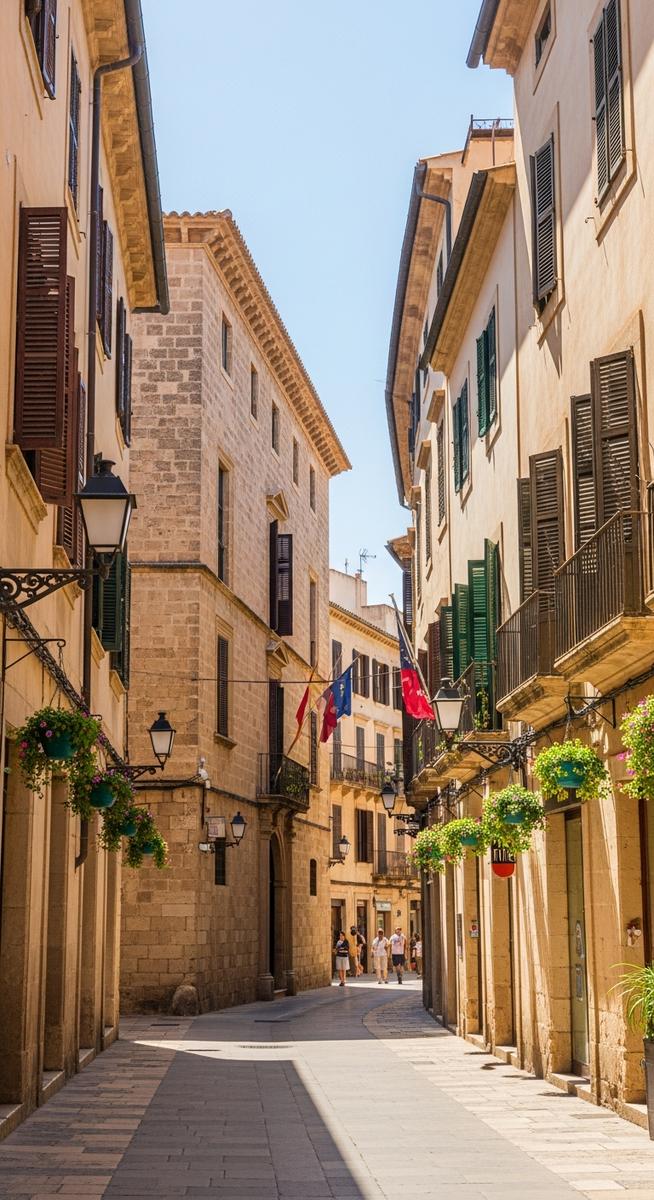
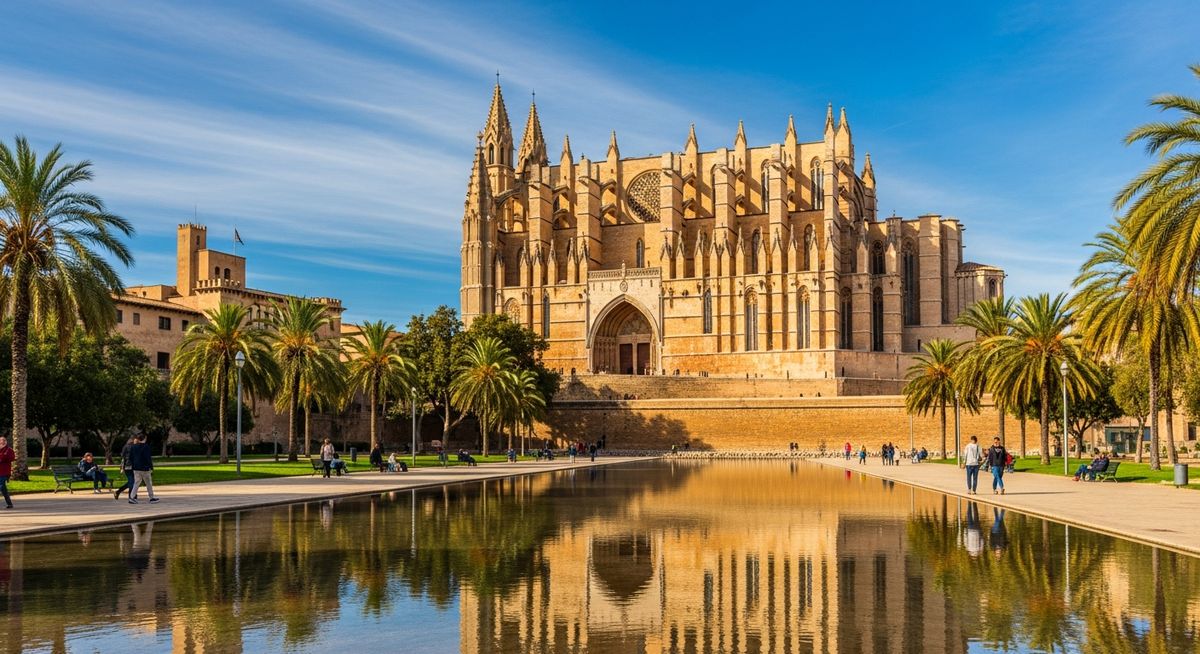
Palma’s old town is where centuries of history come alive through every cobblestone street and Gothic archway. The crown jewel is definitely La Seu Cathedral, an architectural masterpiece that dominates the skyline with its soaring spires and intricate stonework.
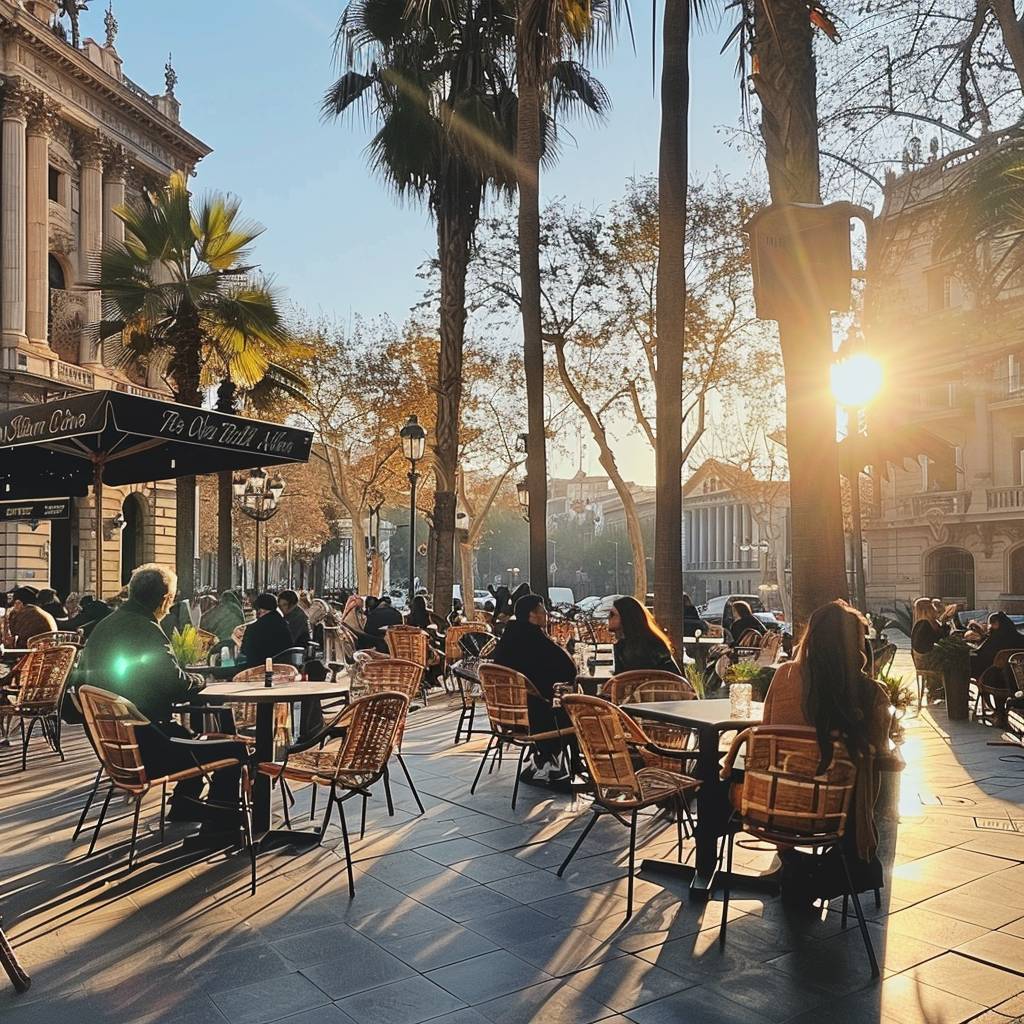
Walking through these ancient streets, you’ll discover hidden plazas where locals gather for morning coffee and evening tapas. The Arab Baths (Banys Àrabs) offer a fascinating glimpse into the island’s Moorish past, while the narrow alleyways reveal boutique shops selling everything from handmade ceramics to contemporary art.
I always recommend taking a Cathedral skip-the-line entry ticket to avoid the crowds and fully appreciate this incredible building. The evening light on the cathedral’s facade is absolutely magical, and the restaurants tucked away in the medieval quarter serve some of the island’s best traditional cuisine.
2. Discover the Dramatic Cliffs and Beaches of the North Coast
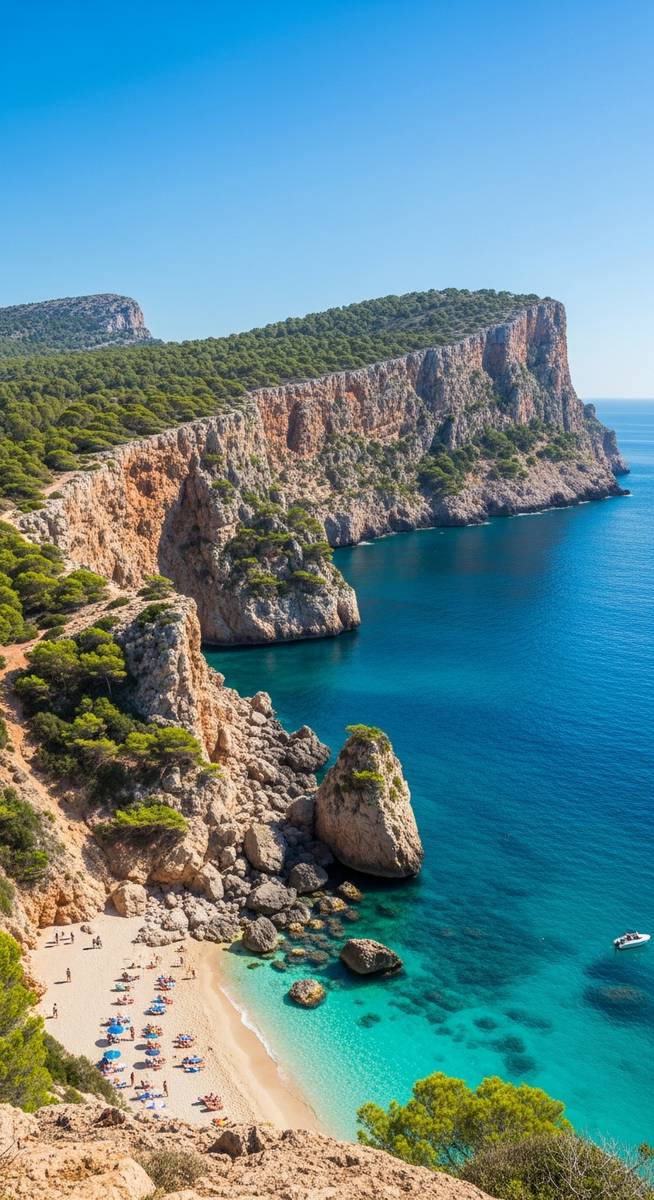
The northern coastline of Mallorca is where the island shows off its wild, untamed beauty. Playa de Muro stretches for 5.5 kilometers (3.4 miles) of pristine white sand backed by protected dunes, making it one of the Mediterranean’s most beautiful beaches.
Pollença Bay offers calmer waters perfect for families, while the nearby town maintains its authentic Mallorcan character with a beautiful main square and weekly market. The drive along the coast to Cap de Formentor – known as the “meeting point of the winds” – is absolutely spectacular, with hairpin turns revealing new panoramic vistas at every corner.
For a more secluded experience, hike down to Cala Figuera (not to be confused with the fishing village of the same name), where crystal-clear waters meet towering limestone cliffs. This hidden gem requires a 20-minute walk from the nearest parking area, but the effort rewards you with a pristine cove that often feels like your own private beach.
3. Take a Scenic Train Ride to Sóller
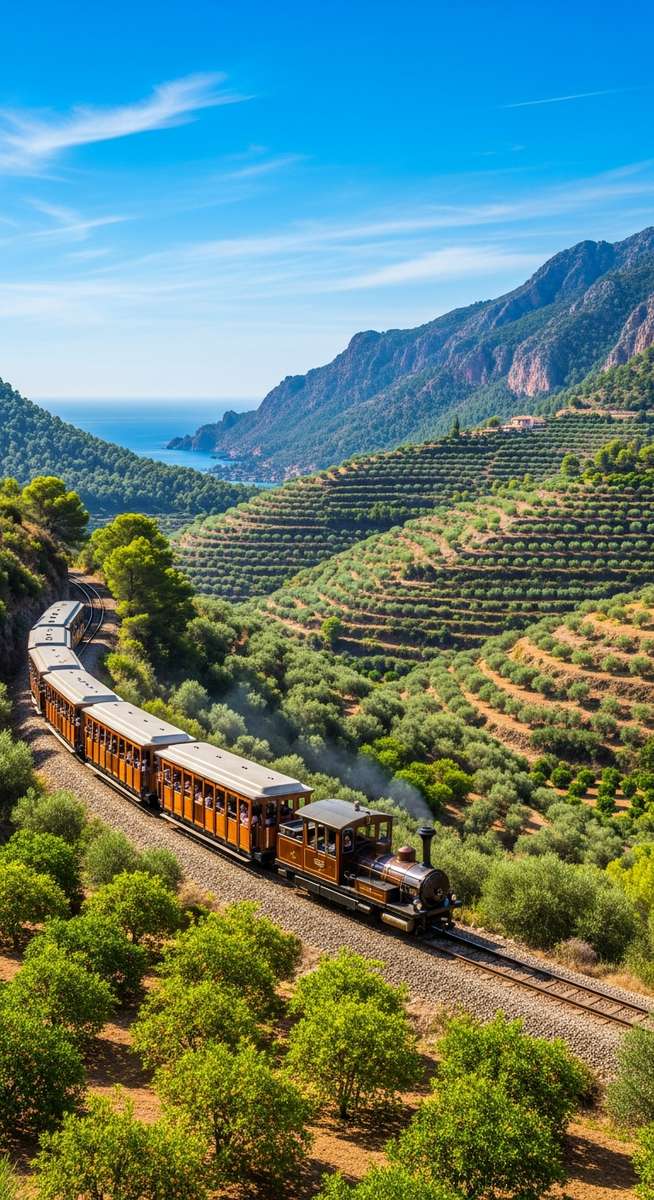
The vintage wooden train from Palma to Sóller isn’t just transportation – it’s one of Europe’s most scenic railway journeys. This historic line has been operating since 1912, and riding in the original carriages feels like stepping back in time.
The 27-kilometer (17-mile) journey winds through 13 tunnels and crosses numerous viaducts as it climbs through orange groves and olive trees into the heart of the Tramuntana mountains. Sóller itself is a picture-perfect town with a beautiful main square dominated by the impressive Sant Bartomeu church.
From Sóller, hop on the equally charming tram that rumbles down to Port de Sóller through more citrus groves. I recommend booking your Trainline tickets in advance during peak season – this is one experience that’s definitely worth the hype.
4. Hike the UNESCO World Heritage Tramuntana Mountains
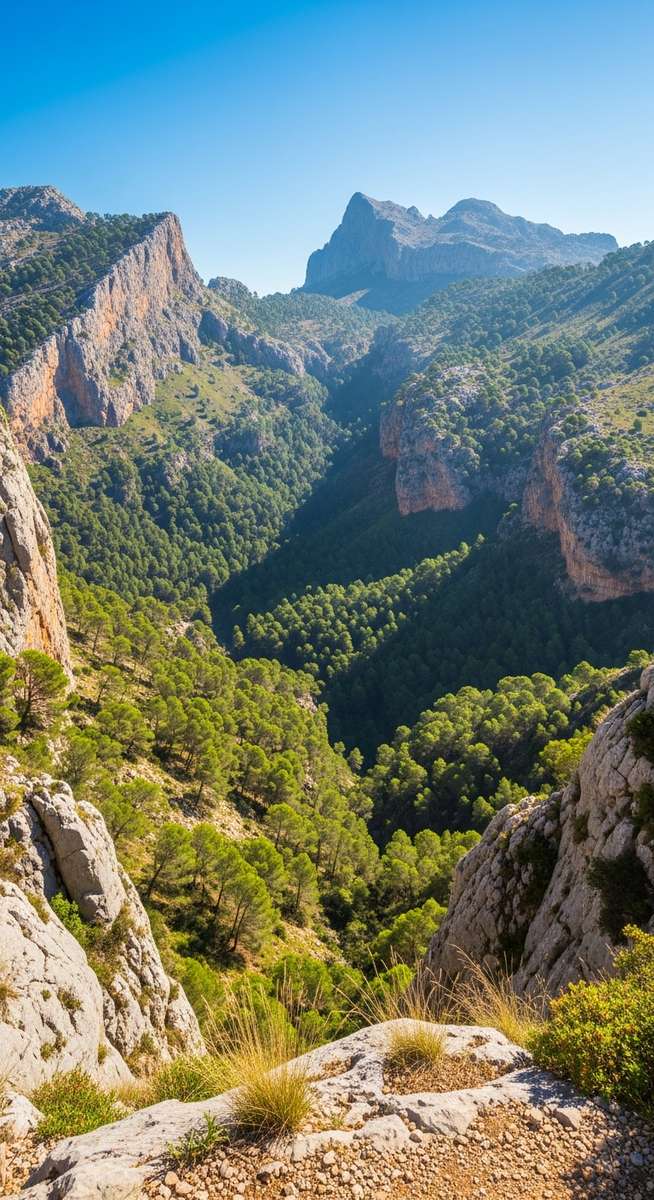
The Serra de Tramuntana isn’t just a mountain range – it’s a UNESCO World Heritage site that represents centuries of human interaction with the landscape. The famous GR221 (Dry Stone Route) spans 140 kilometers (87 miles) from Port d’Andratx to Pollença, but you don’t need to tackle the entire trail to experience its magic.
One of my favorite day hikes leads to Puig de Massanella, Mallorca’s second-highest peak at 1,364 meters (4,475 feet). The trail takes you through pine forests and rocky terrain before opening up to panoramic views that stretch across the entire island and out to the neighboring islands on clear days.
For something less challenging but equally rewarding, try the circular walk around Cuber and Gorg Blau reservoirs. These artificial lakes reflect the surrounding peaks like mirrors, creating some of the most photogenic spots on the island.
5. Relax at Es Trenc Beach
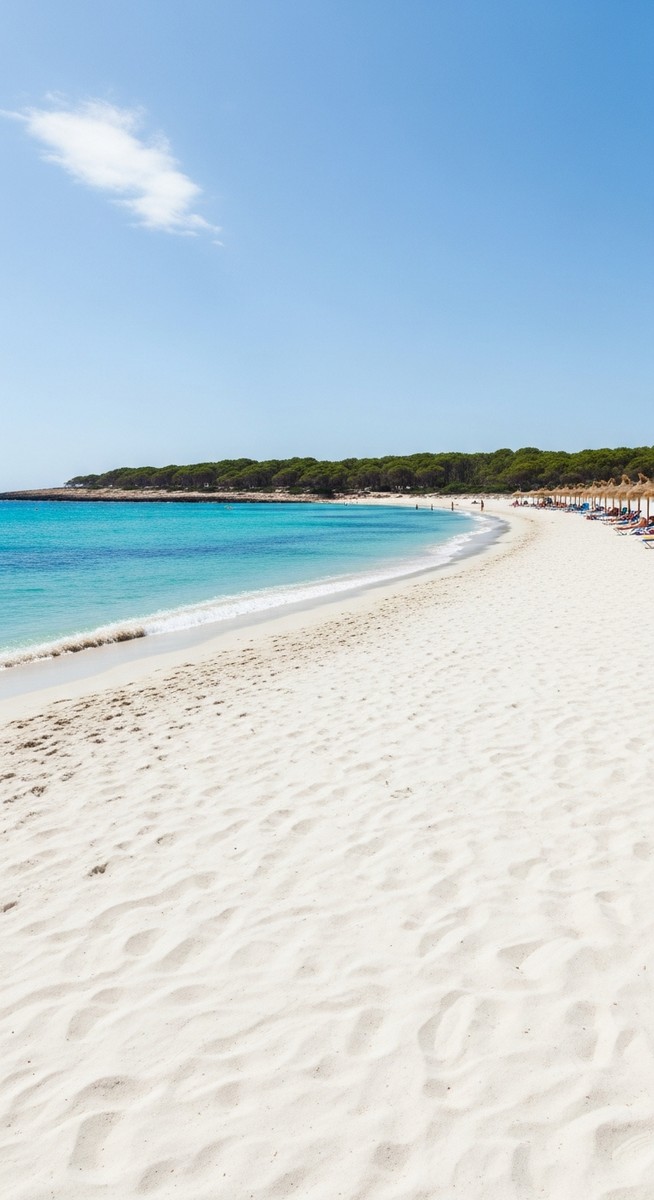
Es Trenc is what people picture when they dream of the perfect Mediterranean beach. This 3-kilometer (1.9-mile) stretch of powdery white sand and crystal-clear turquoise water feels more like the Caribbean than Europe.
What makes it truly special is that it’s remained largely undeveloped – no high-rise hotels or crowded beach bars, just pristine coastline backed by protected dunes and salt flats. The beach is part of a natural park, which means the ecosystem here has been preserved beautifully.
I always pack a picnic and plenty of water when visiting Es Trenc, as facilities are limited – and that’s exactly what keeps it so special. Just remember that travel insurance is always a good idea when exploring more remote areas like this.
6. Explore the Mysterious Caves of Drach
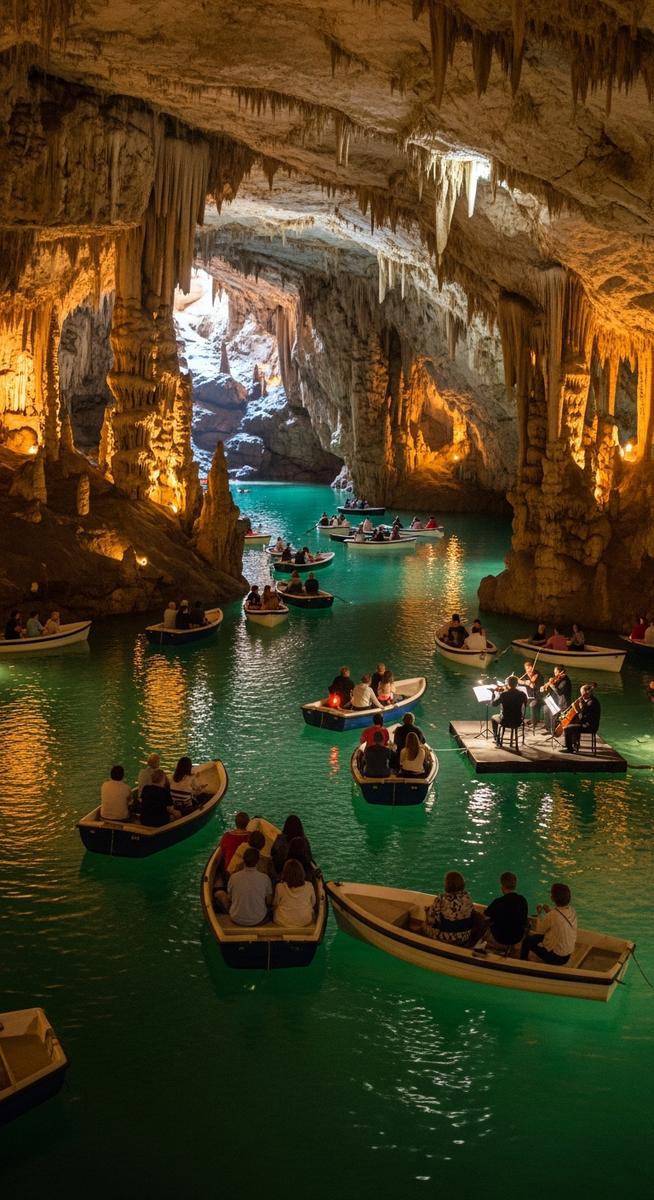
The Coves del Drach (Dragon Caves) are one of Mallorca’s most impressive natural wonders, featuring four interconnected caves that stretch for 1.2 kilometers (0.75 miles) underground. The highlight is definitely Lake Martel, one of the world’s largest underground lakes, where the acoustic properties create an almost cathedral-like atmosphere.
What makes this experience truly unforgettable is the classical music concert performed by musicians in boats on the underground lake. The acoustics are so perfect that every note seems to float through the chambers, creating an otherworldly atmosphere.
I recommend booking a Caves of Drach day trip to make the most of your visit. The caves maintain a constant temperature of 21°C (70°F) year-round, making them a perfect escape from summer heat or winter chill.
7. Wander Through Valldemossa’s Artistic Heritage
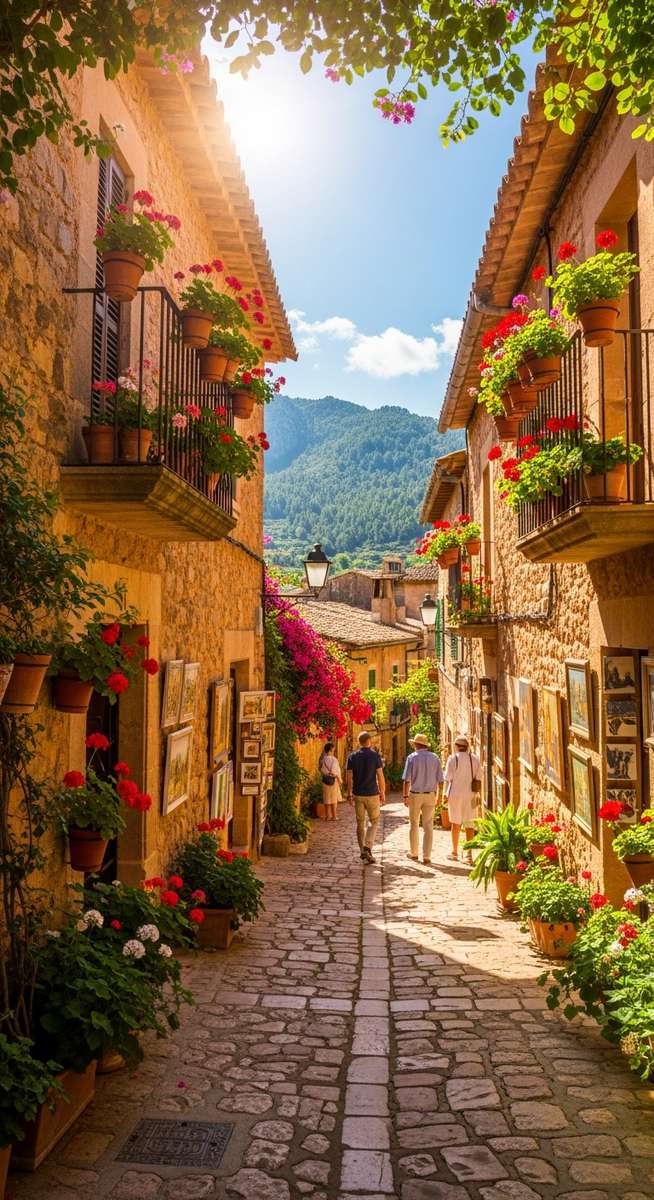
Valldemossa is the kind of mountain village that seems too perfect to be real, with honey-colored stone houses climbing up the hillside and narrow streets that have barely changed in centuries. This is where composer Frédéric Chopin spent the winter of 1838-39 with writer George Sand, and their presence here has given the village a romantic, artistic atmosphere.
The village’s cobblestone streets are lined with traditional houses featuring green wooden shutters and flower-filled balconies. Every corner seems designed for photographs, but what really makes Valldemossa special is how it has maintained its authentic character despite its popularity.
Don’t leave without trying the famous coca de patata, a sweet pastry that’s been made in Valldemossa for generations. You can easily combine this with a Valldemossa and Soller tour to experience both mountain villages in one day.
8. Experience Mallorca’s Wine Country
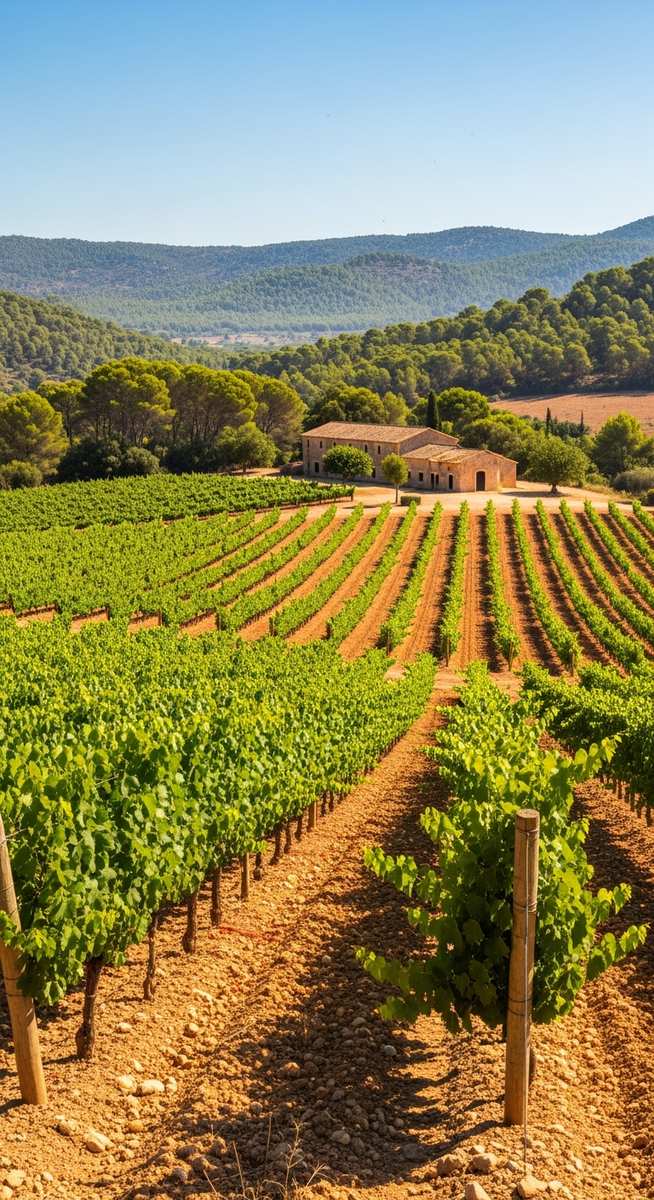
Mallorca’s wine scene has been quietly revolutionizing over the past two decades, and the results are impressive enough to rival some of mainland Spain’s more famous regions. The island has two main wine areas – Binissalem in the center and Pla i Llevant in the east – where indigenous grape varieties like Manto Negro and Callet produce wines with distinctly Mediterranean character.
Many of the wineries occupy beautiful historic estates surrounded by vineyards, olive groves, and almond trees. Bodegas Ribas, one of the oldest wineries in Spain (dating back to 1711), offers tastings in a stunning setting where you can learn about traditional winemaking methods alongside modern techniques.
Wine tours often include traditional Mallorcan food pairings featuring local specialties like sobrasada, olives, and artisanal cheeses. Many wineries also offer cooking classes where you can learn to prepare traditional dishes that complement their wines – a hands-on way to understand how food and wine culture have evolved together on the island.
9. Visit the Picturesque Port Towns
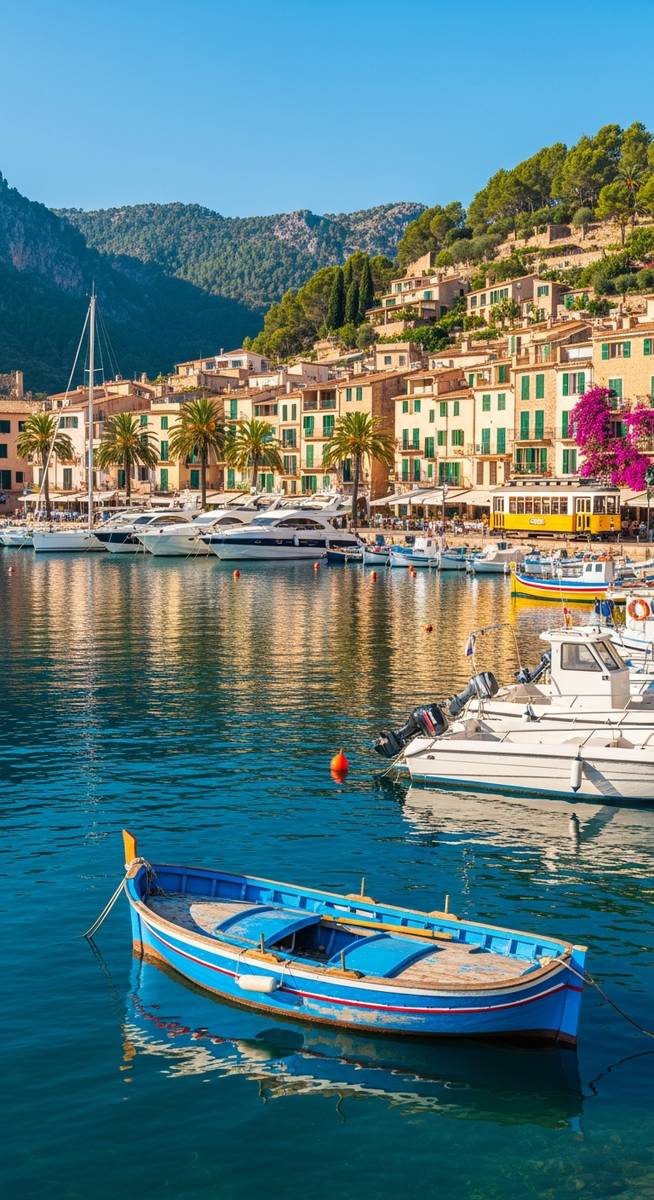
Mallorca’s fishing villages have managed to retain their authentic character despite the island’s popularity, offering glimpses into traditional Mediterranean life that feels increasingly rare. Port de Sóller, with its horseshoe-shaped bay surrounded by the Tramuntana mountains, might be the most photographed, but it’s lost none of its charm.
Cala Figuera in the southeast is a working fishing village where colorful boats still pull up to traditional boathouses carved directly into the limestone cliffs. The narrow inlet creates a natural harbor that’s been used by fishermen for centuries, and watching them bring in their daily catch feels like witnessing a scene from decades past.
Porto Colom retains a more laid-back atmosphere, with a natural harbor surrounded by low-key restaurants and cafes. This is where you can sit with a glass of local wine and watch fishing boats come and go while enjoying views across to the lighthouse that’s guided sailors safely home for generations.
10. Discover Hidden Coves and Secret Beaches
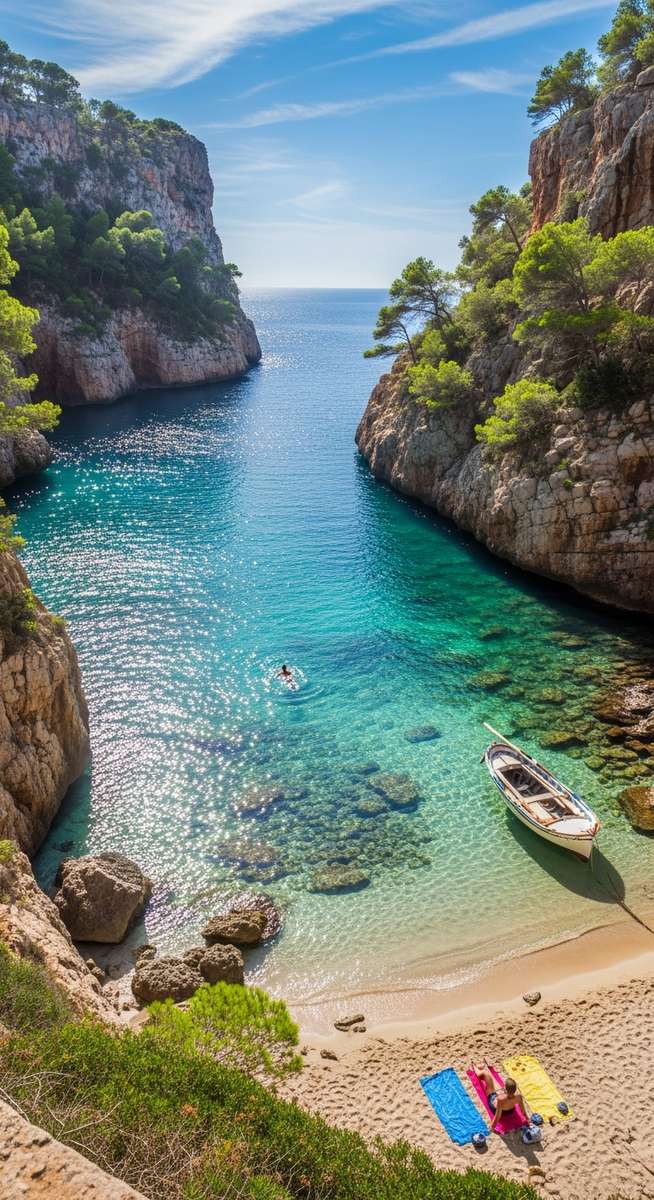
Finding Mallorca’s hidden coves feels like discovering treasure – these secluded spots require effort to reach but reward you with some of the most beautiful swimming spots in the Mediterranean. Cala Mondragó, part of a natural park in the southeast, offers two pristine beaches surrounded by pine forests and accessed by a pleasant 10-minute walk from the parking area.
Cala Varques requires a 20-minute hike through Mediterranean scrubland, but the effort is worth it for the crystal-clear waters and dramatic cliff backdrop. This secluded cove attracts mainly locals and adventurous travelers, creating a more intimate atmosphere than the island’s famous beaches.
Caló des Moro has become Instagram-famous in recent years, but it’s still worth the challenging climb down rocky paths for its incredibly photogenic turquoise waters framed by golden cliffs. Visit early in the morning or late in the afternoon to avoid crowds and experience the magical light that makes this cove so special.
Getting Around and Planning Your Visit
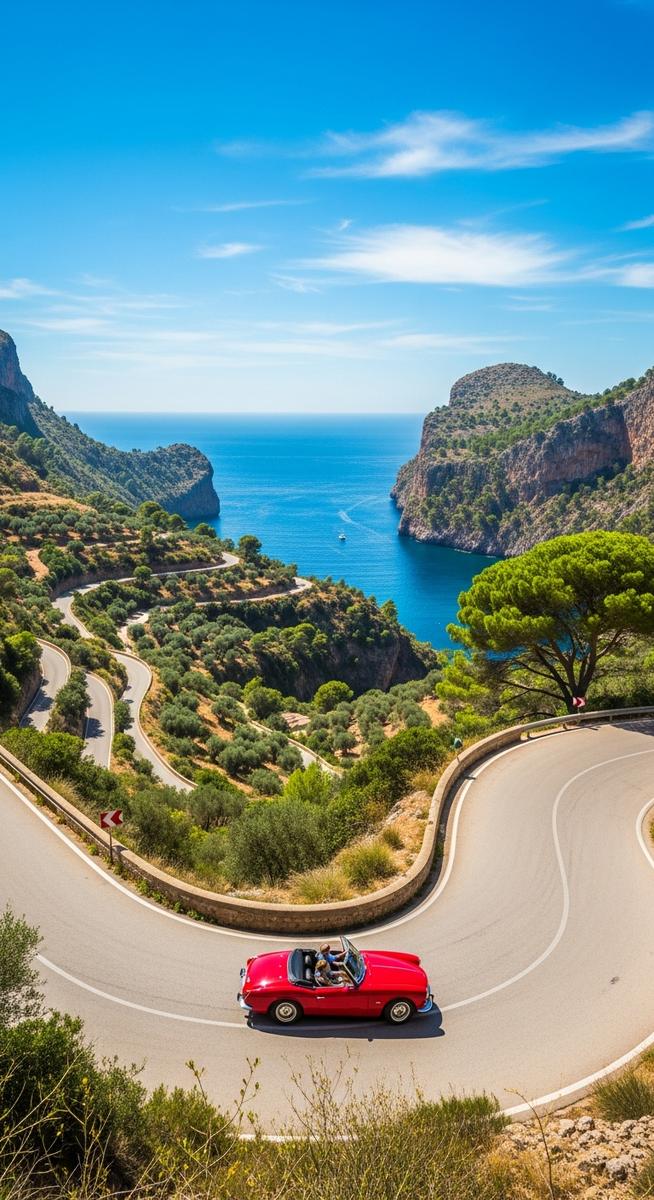
The best way to explore Mallorca is by rental car, which gives you the freedom to discover hidden beaches and mountain villages at your own pace.
The island’s compact size means you can realistically base yourself in one location and take day trips, though I’d recommend splitting your time between the mountains and the coast for the full Mallorca experience. If you’re planning a broader Spanish adventure, check out these Spain travel tips for more insights.
Each of these experiences offers something different, from cultural immersion in historic towns to outdoor adventures in pristine natural settings. Whether you’re seeking relaxation on perfect beaches or adventure in the mountains, Mallorca delivers experiences that will leave you planning your return visit before you’ve even left.
