
15 Iconic Spanish Foods Worth the Hype

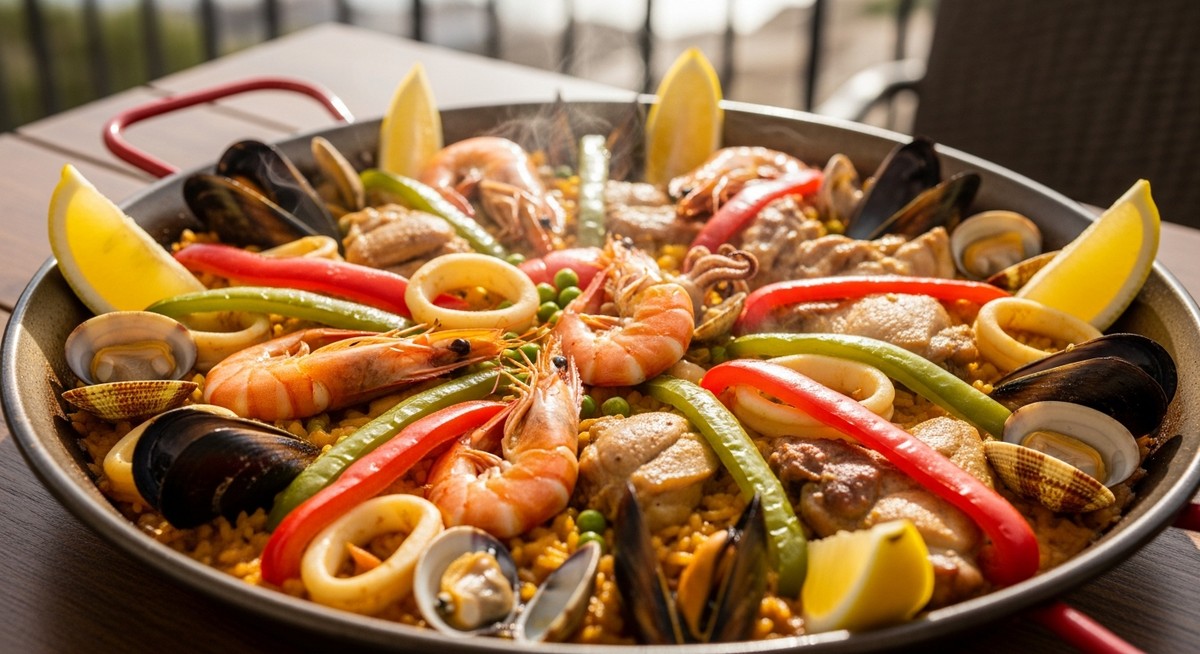
Spanish cuisine is one of the world’s most diverse and flavorful. From the seafood-rich dishes of the north to the rice specialties of Valencia, each region has its own culinary identity that’s been shaped by centuries of history and local ingredients.
Whether you’re planning your first trip to Spain or you’re a seasoned traveler looking to expand your palate, these dishes represent the absolute must-tries. You’ll find everything from simple tapas that pair perfectly with a glass of wine to elaborate regional specialties that’ll give you a true taste of Spanish culture.
1. Paella
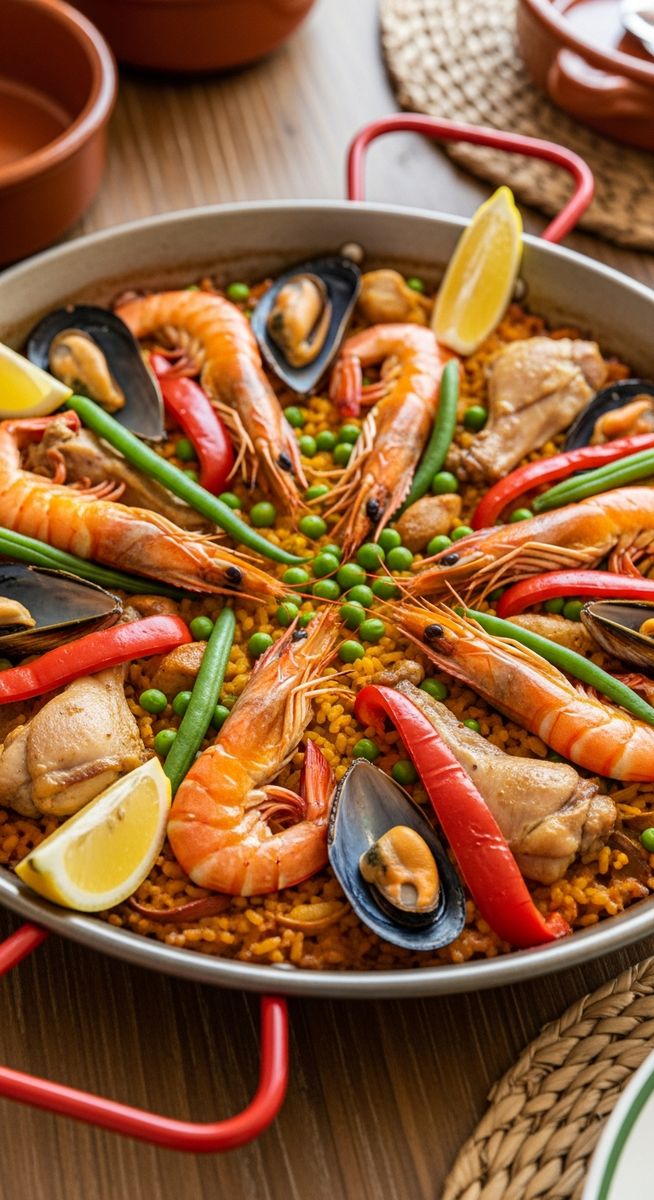
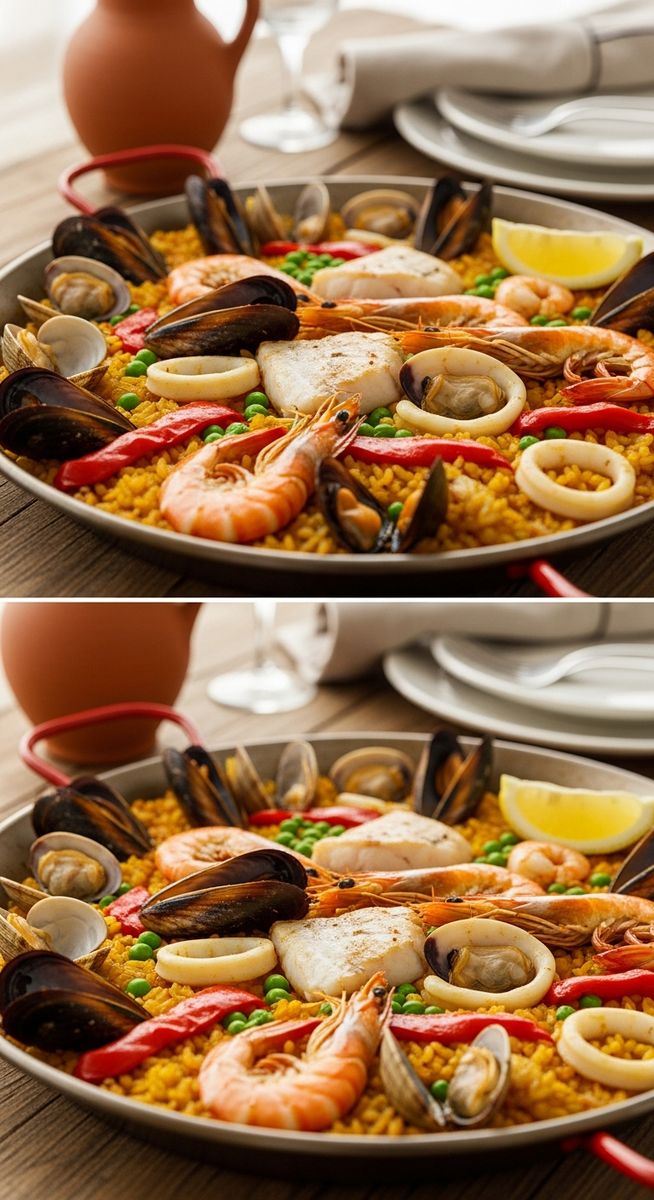
Paella is probably Spain’s most famous dish, and for good reason. This saffron-infused rice dish originated in Valencia during the 18th century, where farmers would cook rice with whatever ingredients they had on hand – rabbit, chicken, beans, and sometimes snails.
The key to authentic paella isn’t just the ingredients, but the wide, shallow pan and the technique of creating the socarrat – that crispy layer of rice at the bottom. Traditional Valencian paella doesn’t include seafood, despite what many tourists expect, but there are countless regional variations including seafood paella and mixed paella.
You’ll find paella served everywhere in Spain, but Valencia remains the best place to try the original version. Many restaurants serve it only for lunch, as Spaniards consider it too heavy for dinner, and it’s often cooked to order so expect to wait about 20-30 minutes.
2. Gazpacho
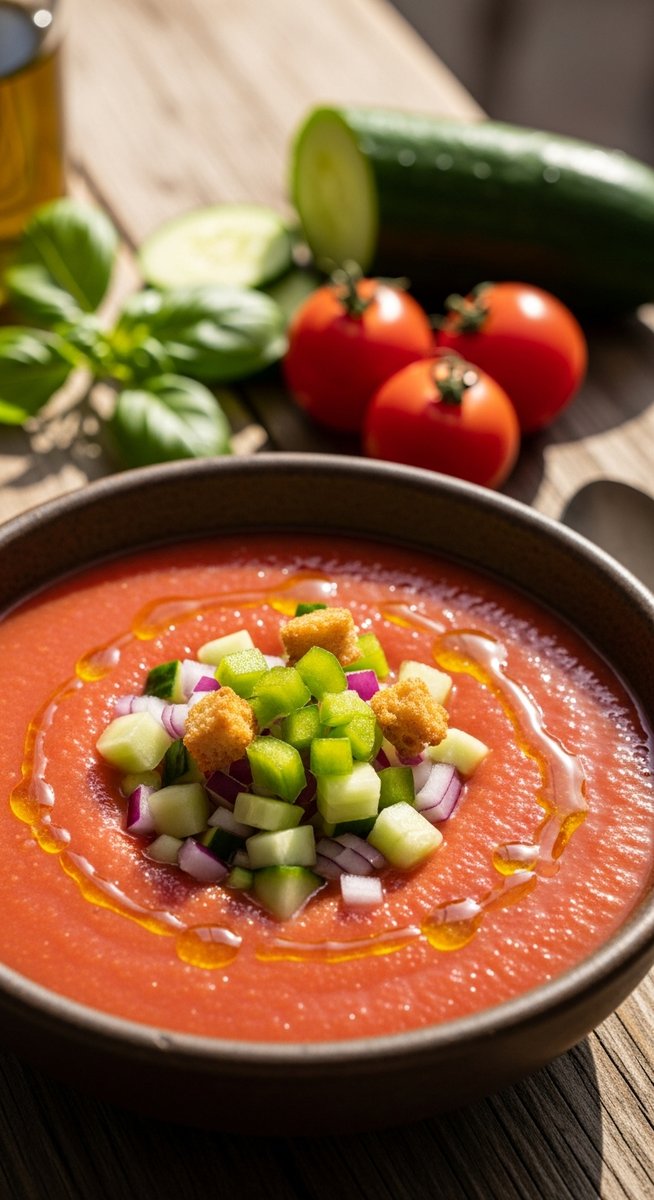
Gazpacho is Andalusia’s gift to hot summer days – a cold soup that’s basically liquid salad. Made from tomatoes, cucumbers, peppers, onions, garlic, and bread, all blended together with olive oil and vinegar, it’s both refreshing and surprisingly filling.
The soup has ancient roots, originally created by Andalusian farmworkers who needed a way to use stale bread and whatever vegetables they had available. The tomato-based version we know today didn’t appear until the 16th century when tomatoes arrived from the New World.
Every family in southern Spain has their own gazpacho recipe, and you’ll find subtle variations throughout Andalusia. Some versions include watermelon or grapes, while others stick to the classic combination – but they’re all perfect for cooling down during Spain’s intense summer heat.
If you’re visiting Seville, I recommend joining a tapas tour to taste different regional variations.
3. Patatas Bravas
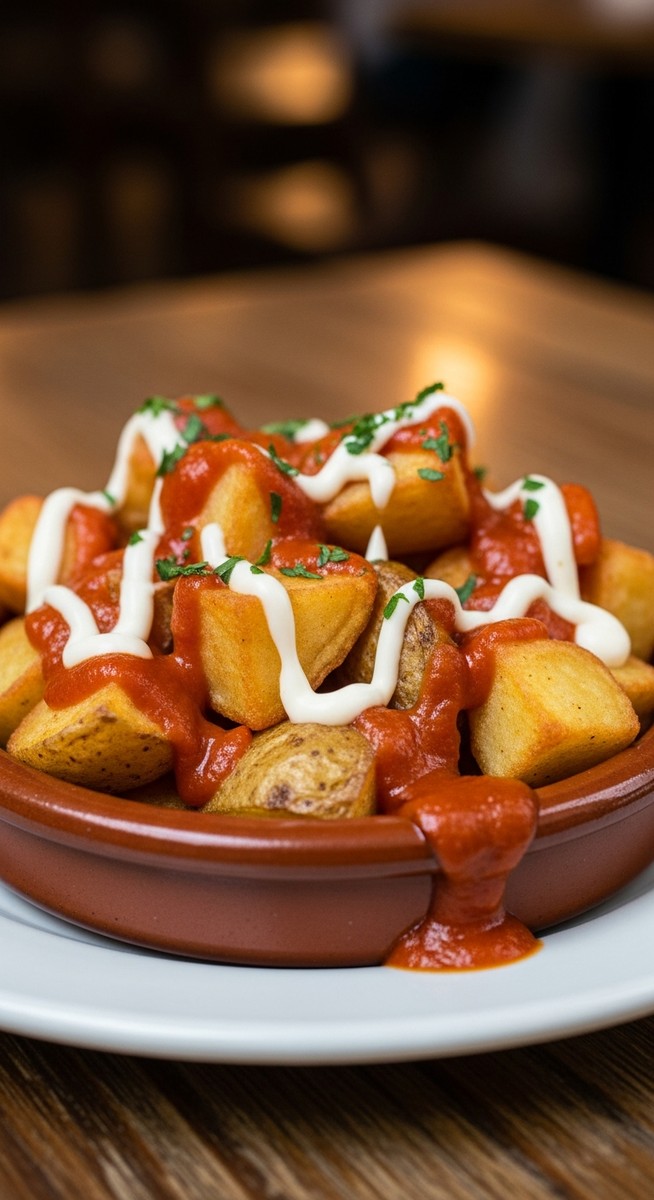
Patatas bravas might look like simple fried potatoes, but they’re actually one of Spain’s most beloved tapas. The dish consists of chunky potato cubes that are fried until golden and crispy, then topped with a spicy tomato-based sauce called salsa brava.
The sauce is what makes or breaks patatas bravas – it should have a good kick of heat balanced with garlic and sometimes a touch of sweetness. Many bars also add alioli (garlic mayonnaise) on top, creating a perfect combination of spicy and creamy flavors.
Every tapas bar in Spain serves their own version of patatas bravas, and locals are fiercely loyal to their favorites. The best versions have perfectly crispy potatoes that don’t get soggy under the sauce – it’s simple but requires real skill to execute properly.
For the ultimate tapas experience in Barcelona, consider booking a guided food tour to discover the city’s best versions.
4. Salmorejo
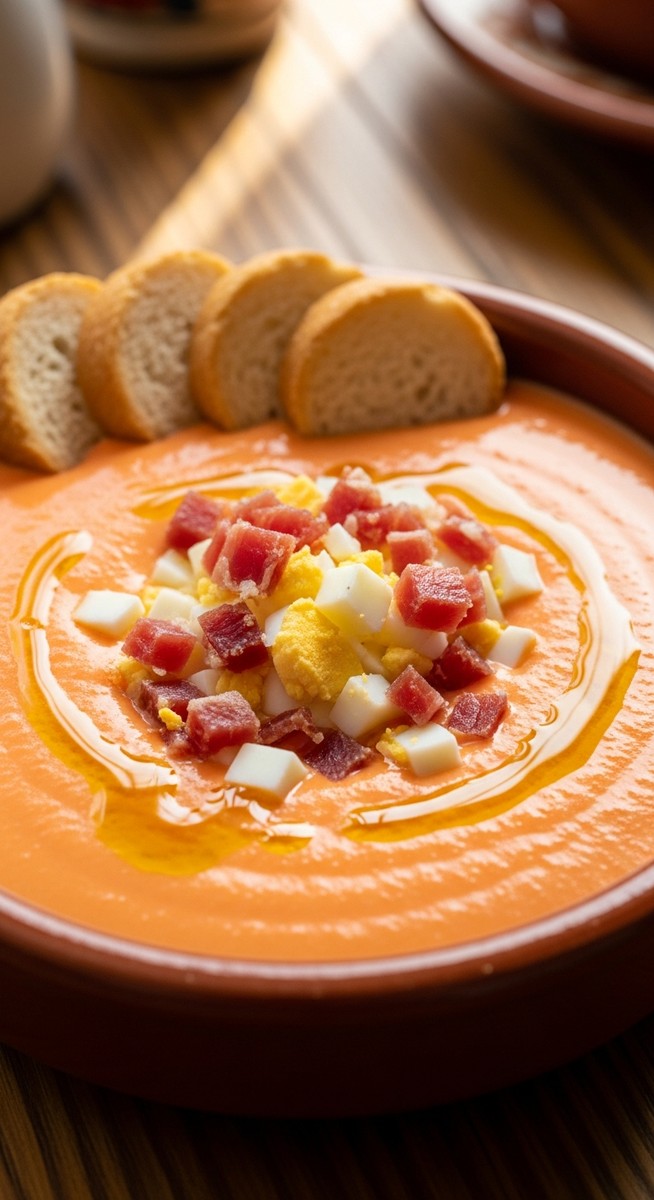
Salmorejo is gazpacho’s thicker, richer cousin from Córdoba in Andalusia. Made primarily from tomatoes, bread, garlic, and olive oil, it’s blended until completely smooth and served cold, typically topped with hard-boiled egg and jamón ibérico.
The key difference from gazpacho is the ratio of bread to liquid – salmorejo uses more bread, creating a consistency that’s almost like a thick soup or light purée. The bread acts as a thickener and adds a subtle richness that makes the dish more substantial than its famous relative.
Like gazpacho, salmorejo is perfect for hot summer days, but the addition of egg and ham makes it feel more like a complete meal. You’ll find it served as a starter in restaurants throughout Andalusia, often accompanied by a glass of chilled fino sherry.
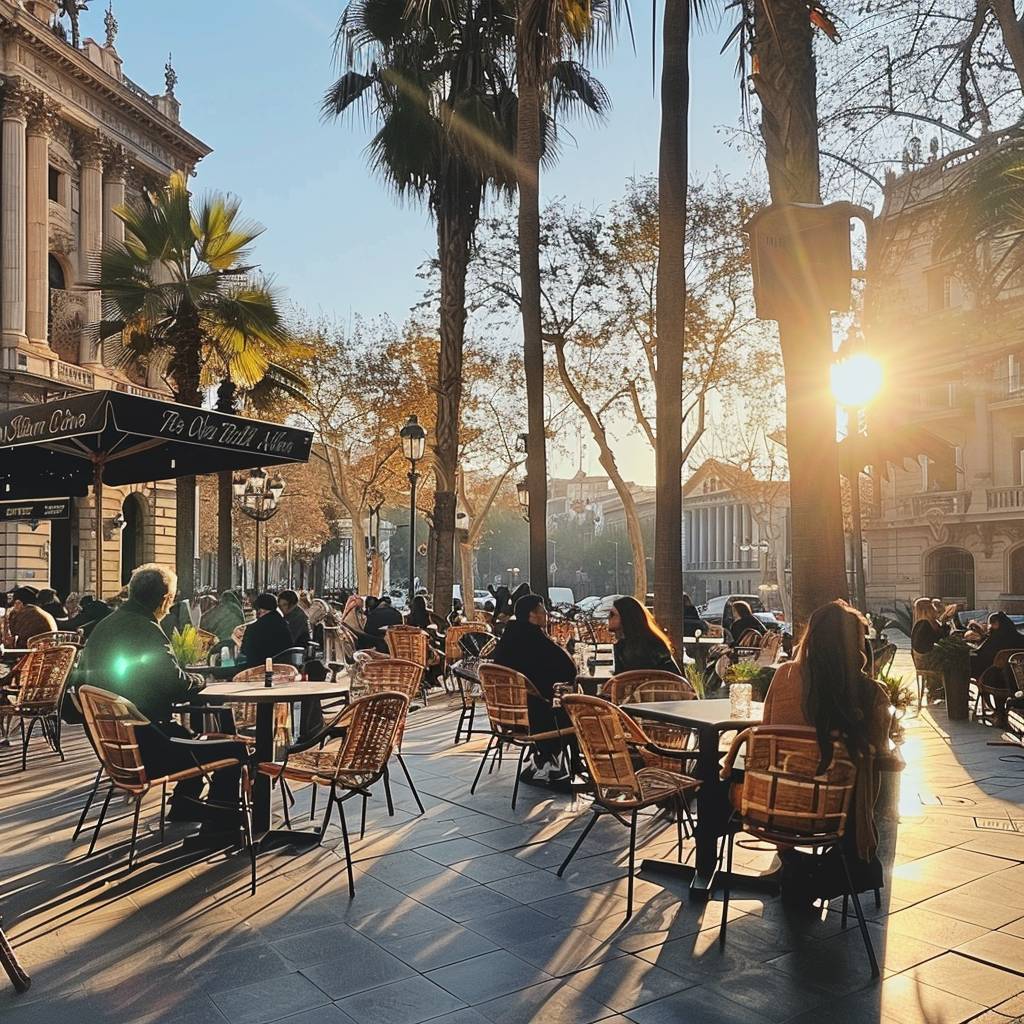
If you’re exploring the region, this comprehensive guide to Seville will help you discover the best places to try authentic Andalusian cuisine.
5. Cochinillo Asado
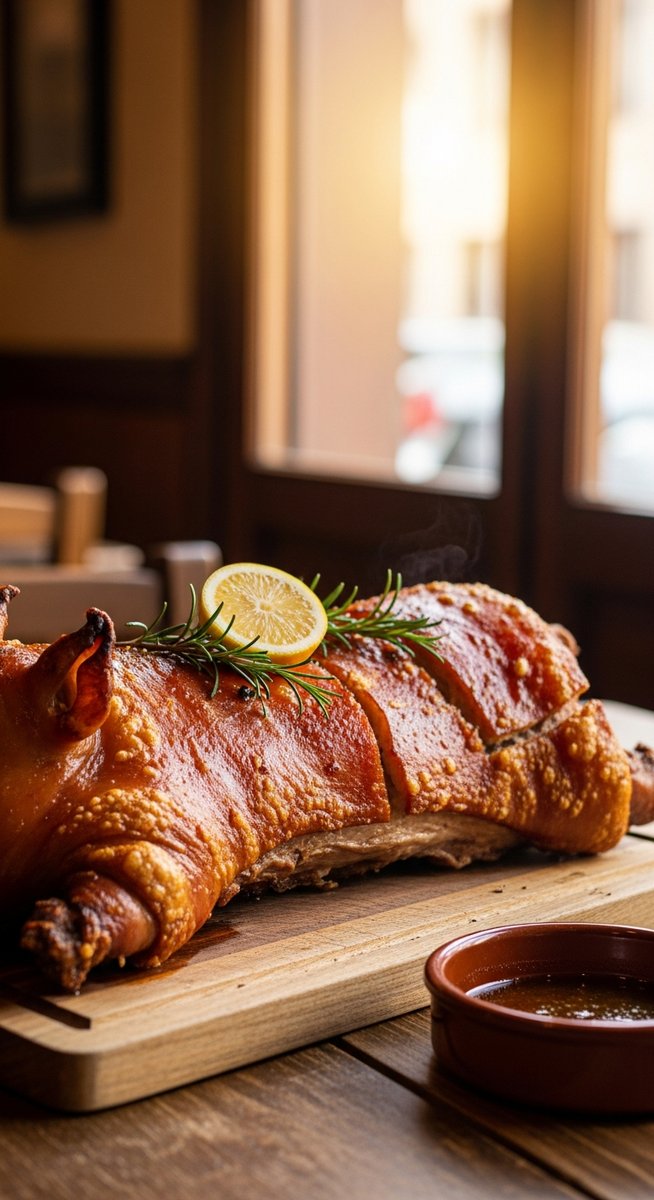
Cochinillo asado (roast suckling pig) is Castile’s most famous dish, particularly associated with the city of Segovia. The piglets are only 3-4 weeks old and weigh about 4-5 kilograms (9-11 pounds), resulting in meat that’s incredibly tender with crispy, golden skin.
The traditional preparation involves slow-roasting the whole piglet in a wood-fired oven with just garlic, lard, and salt. The meat becomes so tender that in Segovia’s famous restaurants, they traditionally “cut” the cochinillo with a plate instead of a knife to demonstrate how soft it is.
This is definitely a special occasion dish – it’s rich, expensive, and typically shared among several people.
If you’re visiting Segovia or other parts of Castile, trying cochinillo asado is almost mandatory – it’s a dish that represents centuries of Spanish culinary tradition. Consider booking a day trip to Segovia from Madrid to experience this iconic dish in its birthplace.
6. Pintxos
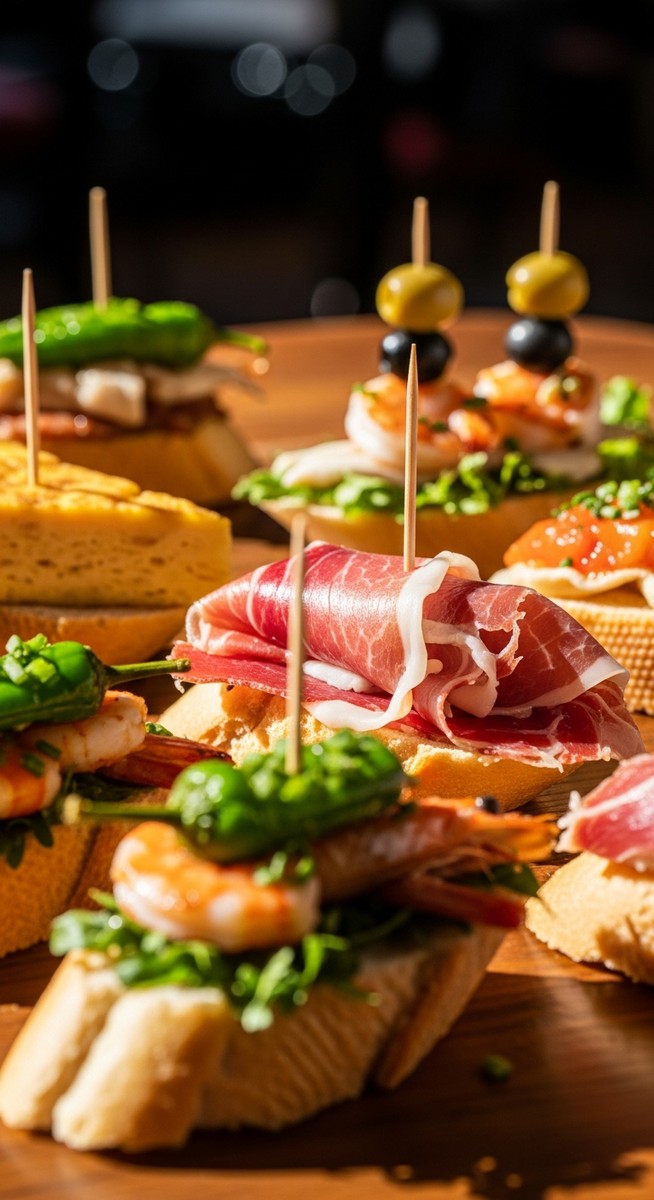
Pintxos (pronounced “peen-chos”) are the Basque Country’s version of tapas – small plates that are both art and food. These creative bite-sized dishes are typically served on small pieces of bread and held together with a toothpick, which gives them their name.
Unlike traditional tapas, pintxos are often displayed on bar counters, and you help yourself to whatever looks good. At the end, you count your toothpicks to determine your bill – it’s an honor system that works surprisingly well in the Basque region.
The creativity that goes into pintxos is incredible – you’ll find everything from simple combinations like anchovy and pepper to elaborate constructions featuring foie gras, seafood, and innovative flavor combinations.
Bar hopping for pintxos in San Sebastián or Bilbao is one of Spain’s great culinary experiences, and I highly recommend joining a pintxos tour to discover the best local spots with an expert guide.
7. Jamón Ibérico
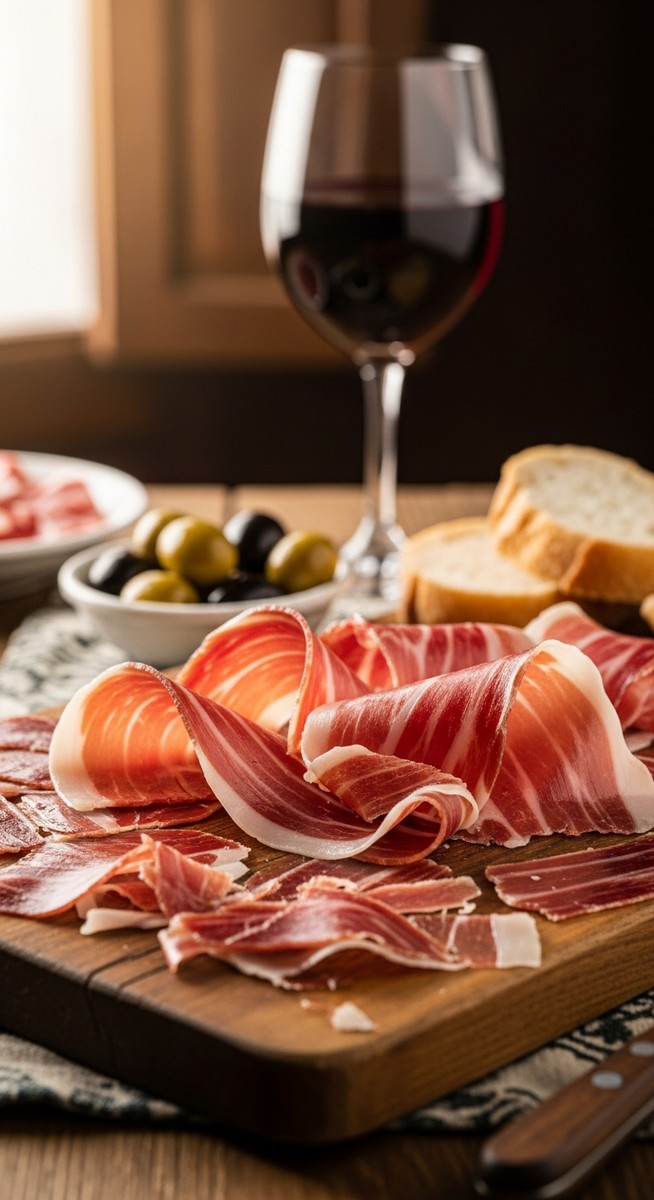
Jamón Ibérico is Spain’s crown jewel of cured meats, often called “the caviar of ham.” This dry-cured ham comes from black Iberian pigs that roam the oak forests of southwestern Spain, feeding on acorns which gives the meat its distinctive nutty flavor and marbled texture.
The curing process can take anywhere from 14 to 48 months, depending on the quality grade. The finest grade, jamón ibérico de bellota, comes from pigs that feed exclusively on acorns and can cost over €100 per kilogram (€45 per pound) at top-quality producers.
You’ll see jamón hanging in virtually every Spanish bar and restaurant, sliced paper-thin and served at room temperature. The best way to eat it is simply on its own or with a piece of bread and maybe some Manchego cheese – anything more would mask the complex flavors that make this ham so special.
8. Tortilla Española
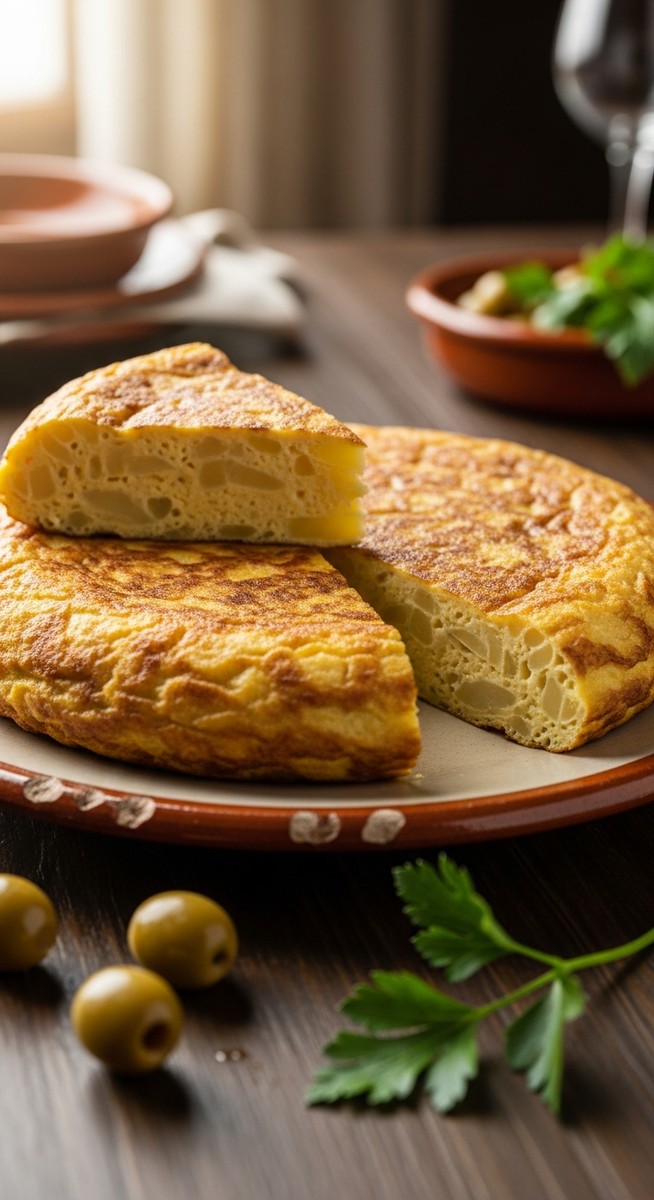
The Spanish tortilla is much more than just an omelet – it’s a national obsession. This thick, round cake made from eggs and potatoes is the subject of endless debate: should it include onions or not? Should the center be runny or fully set?
Despite the controversies, the basic preparation remains the same everywhere. Thinly sliced potatoes are slowly cooked in olive oil until tender, then mixed with beaten eggs and cooked in a pan until golden on both sides – though flipping a perfect tortilla requires real skill.
You’ll find tortilla española in every bar, café, and restaurant across Spain, served at room temperature and cut into wedges. It’s perfect for breakfast, lunch, or as a light dinner, and many Spaniards consider it the ultimate comfort food that reminds them of home.
9. Pulpo a la Gallega
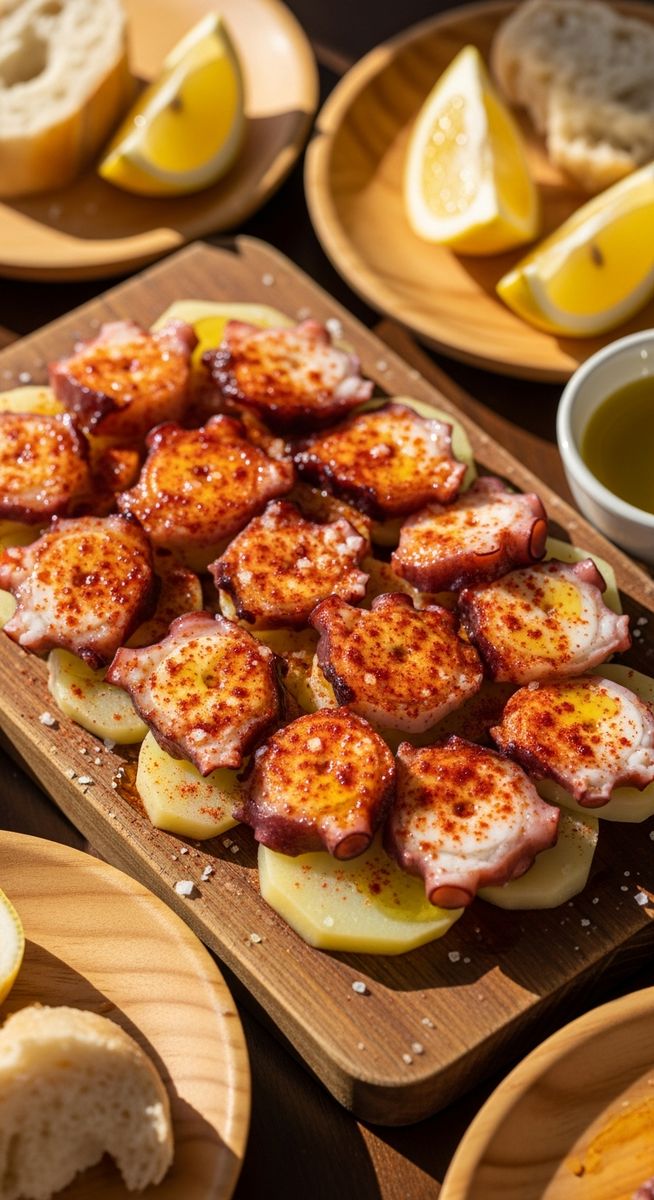
Pulpo a la Gallega, or Galician-style octopus, is the signature dish of Spain’s northwestern region. The octopus is boiled until tender, then sliced and served on wooden plates with coarse sea salt, Spanish paprika, and a generous drizzle of olive oil.
Getting the texture right is an art form – the octopus needs to be tender but not mushy, which requires precise timing and often involves freezing the octopus beforehand to break down the fibers. Traditional cooks swear by the “three dips” method, briefly dunking the octopus in boiling water three times before the final cooking.
In Galicia, you’ll find pulpo served at festivals, markets, and specialized pulperías (octopus restaurants). The dish pairs perfectly with Albariño wine and crusty bread – it’s simple ingredients elevated by centuries of perfected technique.
10. Churros con Chocolate
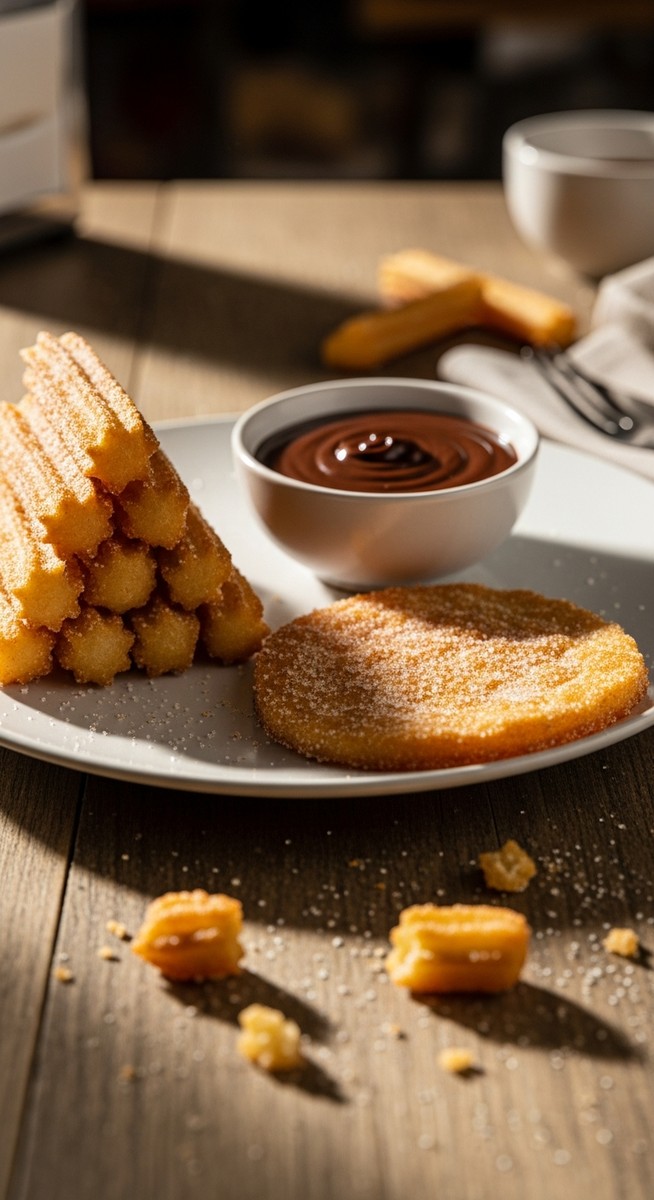
Churros con chocolate is Spain’s answer to the perfect breakfast or afternoon snack. These fried dough sticks, crispy on the outside and soft inside, are served with a cup of thick, almost pudding-like hot chocolate that’s meant for dipping, not drinking.
The origins of churros are debated – some say they were brought by Portuguese sailors from China, others claim they were invented by Spanish shepherds. What’s certain is that they’ve been a Spanish staple for centuries, with churrerías (churro shops) found on practically every street corner.
The best churros are made fresh and eaten immediately while they’re still warm. You’ll find them at breakfast time paired with strong coffee, or as an afternoon treat when you need a sugar boost – just don’t be surprised if locals look at you strangely for ordering them as dessert after dinner.
11. Croquetas
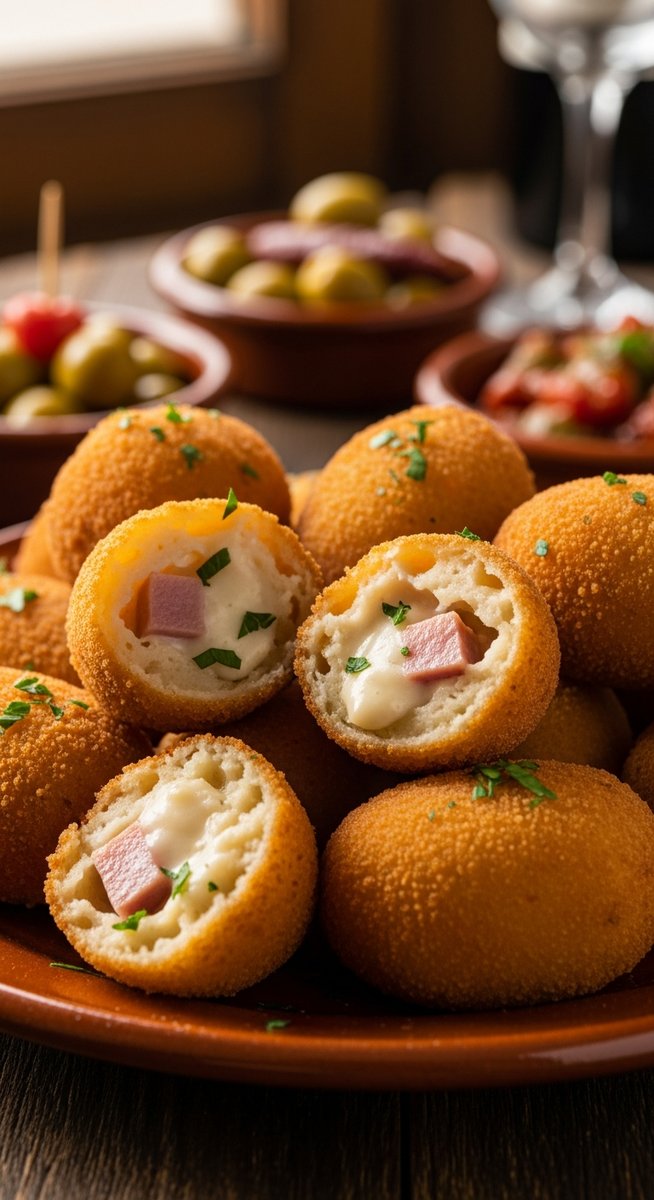
Spanish croquetas are crispy golden cylinders filled with creamy béchamel sauce and various ingredients like ham, chicken, or cheese. They’re rolled in breadcrumbs and deep-fried until the outside is crunchy and the inside is molten and smooth.
Making perfect croquetas is considered a mark of a good Spanish cook – the béchamel needs to be thick enough to hold its shape but creamy enough to flow when bitten. The most traditional filling is jamón, but you’ll find creative versions with everything from cod to spinach.
These bite-sized treats are served as tapas in bars throughout Spain, often accompanied by beer or wine. They’re best eaten immediately while the contrast between the crispy exterior and creamy interior is at its peak – just be careful not to burn your tongue on the hot filling.
12. Albóndigas
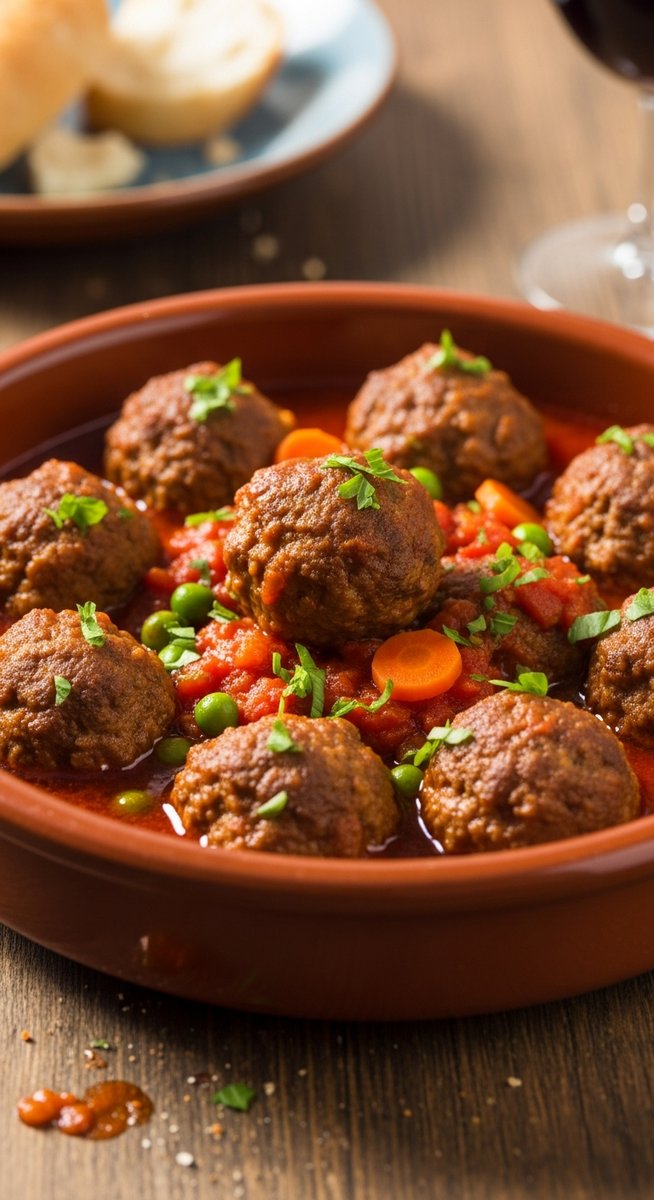
Spanish albóndigas (meatballs) are comfort food at its finest. Unlike their Italian cousins, Spanish meatballs are typically smaller and served in a rich tomato sauce that’s been simmered with onions, garlic, and herbs until it’s thick and flavorful.
The meatballs themselves are usually made from a mixture of beef and pork, bound with egg and breadcrumbs, and seasoned with parsley and garlic. They’re first fried until golden, then simmered in the sauce until they’re tender and have absorbed all those wonderful flavors.
You’ll find albóndigas on menus throughout Spain, from casual tapas bars to family restaurants. They’re often served with crusty bread for soaking up the sauce, and they’re the kind of dish that Spanish grandmothers have been perfecting for generations.
13. Pisto
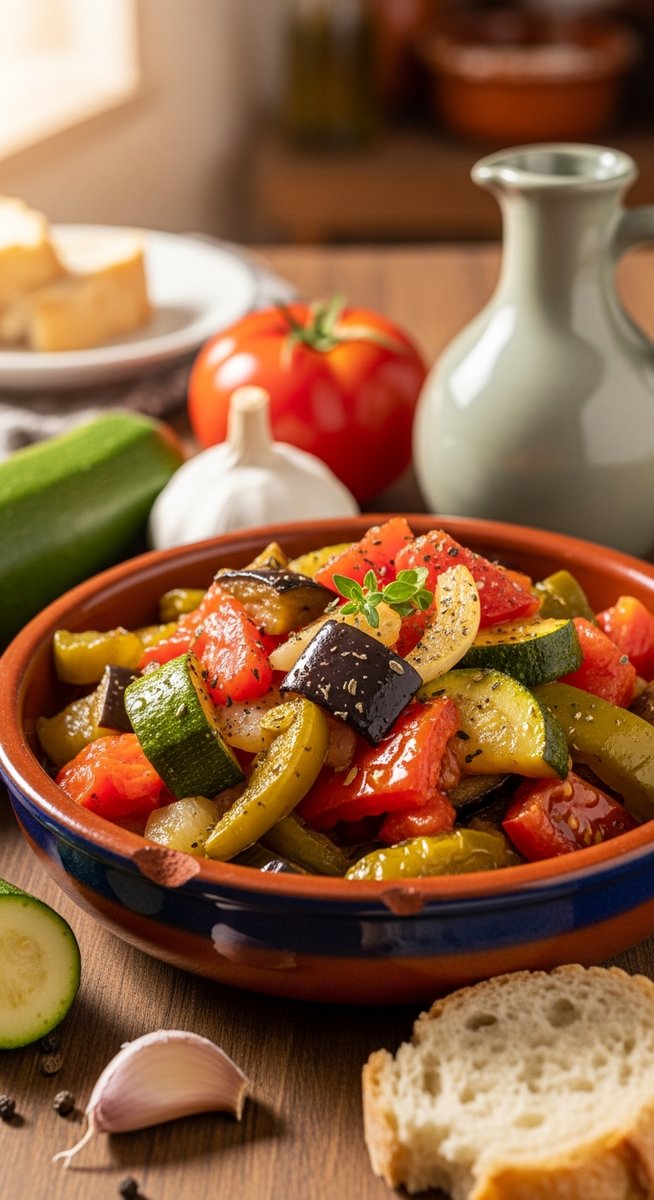
Pisto is Spain’s version of ratatouille – a rustic vegetable stew that makes the most of summer produce. Made with tomatoes, peppers, zucchini, onions, and eggplant, all slowly cooked together until they’re soft and melded into a rich, chunky sauce.
The dish originated in La Mancha but you’ll find regional variations throughout Spain. Some versions include a fried egg on top, others add chorizo for extra flavor, but the basic concept remains the same – good vegetables cooked simply and well.
Pisto is perfect as a side dish with grilled meat or fish, but it’s equally satisfying on its own with some crusty bread. It’s one of those dishes that actually improves overnight, making it perfect for meal prep or using up leftover vegetables.
14. Fabada Asturiana
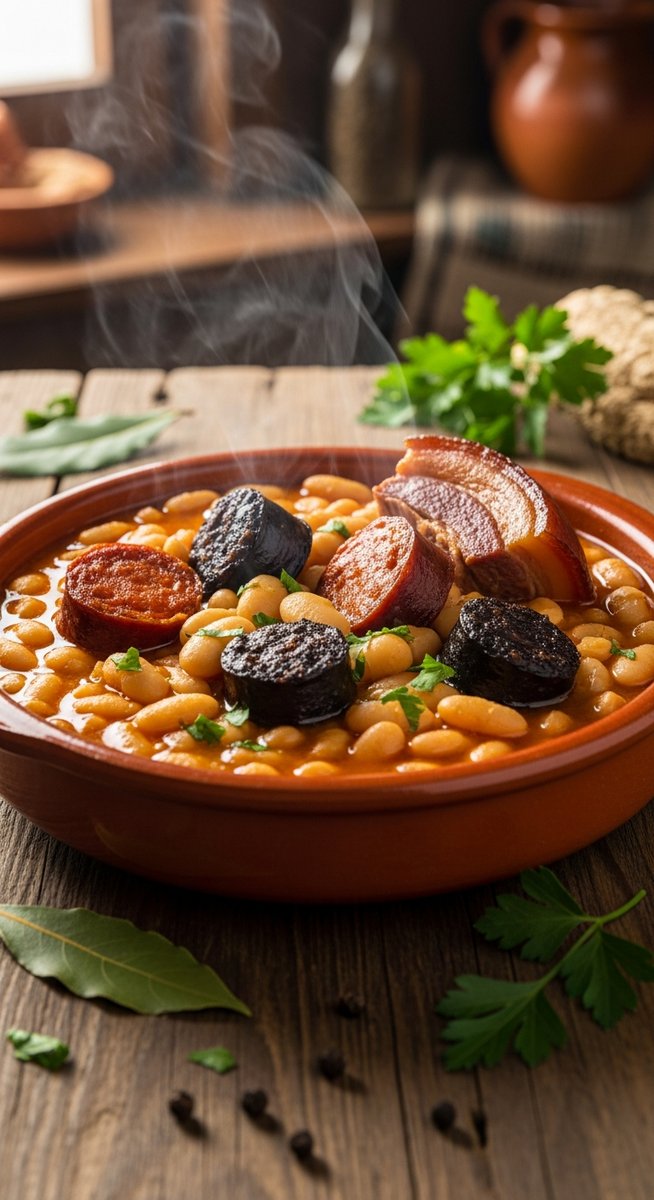
Fabada Asturiana is the ultimate Spanish comfort food – a hearty bean stew from the northern region of Asturias. This substantial dish features large white beans (fabes) slow-cooked with chorizo, morcilla (blood sausage), and pancetta until everything is tender and the flavors have melded together.
The dish originated as peasant food, designed to provide maximum calories and nutrition for people doing hard physical work. The beans are native to Asturias and are protected by designation of origin – they’re larger and creamier than regular white beans, which gives fabada its distinctive texture.
Fabada is typically served as a main course during lunch, especially on cold days when you need something warming and filling. It’s accompanied by crusty bread and often followed by a digestive liqueur – this isn’t light eating, but it’s exactly what you want when the weather turns chilly.
15. Crema Catalana
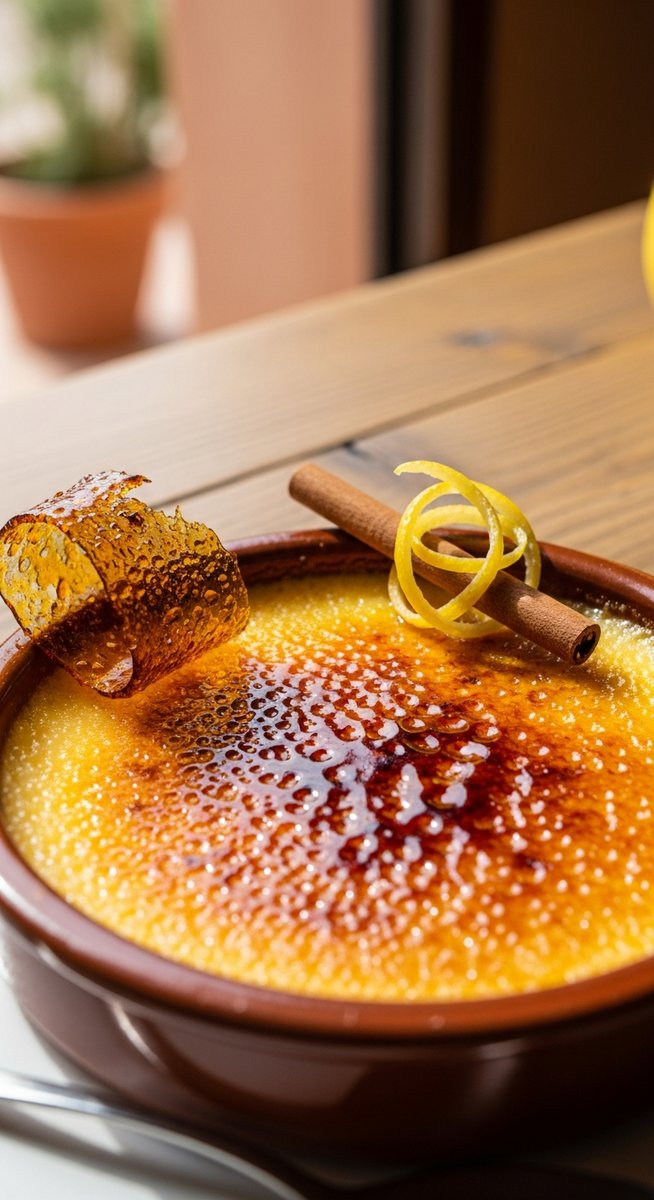
Crema Catalana is Catalonia’s answer to crème brûlée, though Catalans will insist their version came first. This creamy custard is flavored with lemon zest and cinnamon, then topped with a layer of caramelized sugar that’s traditionally burned with a special iron rather than a blowtorch.
The dessert is traditionally served on Saint Joseph’s Day (March 19th), but you’ll find it in restaurants throughout Catalonia year-round. The custard base is thickened with cornstarch rather than eggs alone, giving it a slightly different texture from French crème brûlée.
The contrast between the crispy caramelized top and the smooth, cool custard underneath is what makes crema catalana so satisfying. It’s the perfect way to end a meal, especially when paired with a glass of moscatel or a digestive liqueur.
Final Thoughts
Spanish cuisine offers incredible diversity, from simple tapas perfect for sharing to elaborate regional specialties that tell the story of Spain’s rich culinary heritage. These dishes represent just the beginning – each region, city, and even individual restaurant has its own specialties waiting to be discovered.
The best way to experience Spanish food is to eat like the locals do – take your time, share dishes with friends, and don’t be afraid to try something new. Whether you’re ordering pintxos in San Sebastián or savoring paella in Valencia, you’re participating in a food culture that values quality ingredients, time-honored techniques, and the simple pleasure of a good meal shared with good company.
