
10 Amazing Places to Discover in Northern Spain

Northern Spain offers a completely different side of the country that many travelers miss. Instead of the sunbaked beaches and flamenco shows you might expect, you’ll find lush green landscapes, dramatic coastlines, and a culture heavily influenced by Celtic traditions.
Truly, northern Spain feels almost like a different country entirely. The food scene here rivals anywhere in Europe, the people are incredibly welcoming, and every city has its own distinct personality.
Keep reading to find out just where you may want to add to your Spanish itinerary from this corner of the world.
Bilbao
Bilbao proves that industrial cities can reinvent themselves spectacularly. The Guggenheim Museum, with its flowing titanium curves designed by Frank Gehry, single-handedly put this former steel town on the world cultural map. Skip the queues with this guided tour to make the most of your visit and learn about the incredible art collection inside.
The Casco Viejo (Old Quarter) across the river has narrow medieval streets perfect for bar-hopping and shopping for traditional Basque crafts. The contrast between the historic quarter and the modern architecture along the Nervión River makes for fascinating city walks. This food tour and wine tasting introduces you to the best pintxos bars and local flavors.
Getting around is easy thanks to the excellent metro system designed by Norman Foster. For a unique perspective of the city, take this sightseeing boat tour along the Nervión River to see both the historic and modern sides of Bilbao from the water.
San Sebastián (Donostia)
San Sebastián is definitely in the running to be Spain’s most beautiful city, and I’m not saying that lightly. The moment you see La Concha beach stretching out in a perfect crescent in front of the old town, you’ll understand why this place has been a favorite getaway for Spanish royalty for over a century.
The old town (Parte Vieja) is packed with bars where locals stand around with small plates and glasses of txakoli, the local sparkling wine. This pintxos and wine tour takes you to the best local spots and teaches you about Basque culinary traditions.
For the best views of the city, take the funicular up Monte Igueldo or hike up Monte Urgull. A catamaran tour of the bay offers incredible panoramas of the coastline and gives you a different perspective on this perfectly positioned city.
Santiago de Compostela
As the final destination of the famous Camino de Santiago pilgrimage, this Galician city has a spiritual energy that’s hard to describe until you experience it. Walking into the Plaza del Obradoiro and seeing the cathedral’s baroque facade for the first time is genuinely moving, whether you’re religious or not.
This cathedral tour includes access to areas usually closed to the public and explains the incredible history behind this UNESCO World Heritage site. The whole historic center is filled with centuries of stories from pilgrims who’ve arrived after their long journey.
The university atmosphere keeps the city young and vibrant despite its ancient roots. Rúa do Franco is where you’ll find some of the best traditional Galician restaurants – make sure to try pulpo a la gallega (octopus with paprika) and pair it with a crisp Albariño wine.
Santander
Santander feels like Spain’s answer to San Francisco, with its hills, bay views, and sophisticated seaside atmosphere. El Sardinero beach is one of the finest urban beaches in Europe – a long stretch of golden sand that’s perfect for both serious swimmers and families with kids.
The Palacio de la Magdalena, former summer residence of Spanish royalty, sits on a peninsula overlooking the bay and is surrounded by beautiful gardens perfect for afternoon strolls. On clear days, you can see all the way to the Picos de Europa mountains in the distance.
Culture lovers should check out the Centro Botín, the city’s striking contemporary art center designed by Renzo Piano. If you’re visiting in summer, try to catch a performance at the Santander International Festival, which brings world-class musicians and dancers to venues across the city.
Gijón
Gijón is refreshingly authentic – a working port city where tourism feels secondary to daily life. San Lorenzo beach stretches right through the city center, and on summer evenings, it’s packed with families, surfers, and couples taking evening strolls along the promenade.
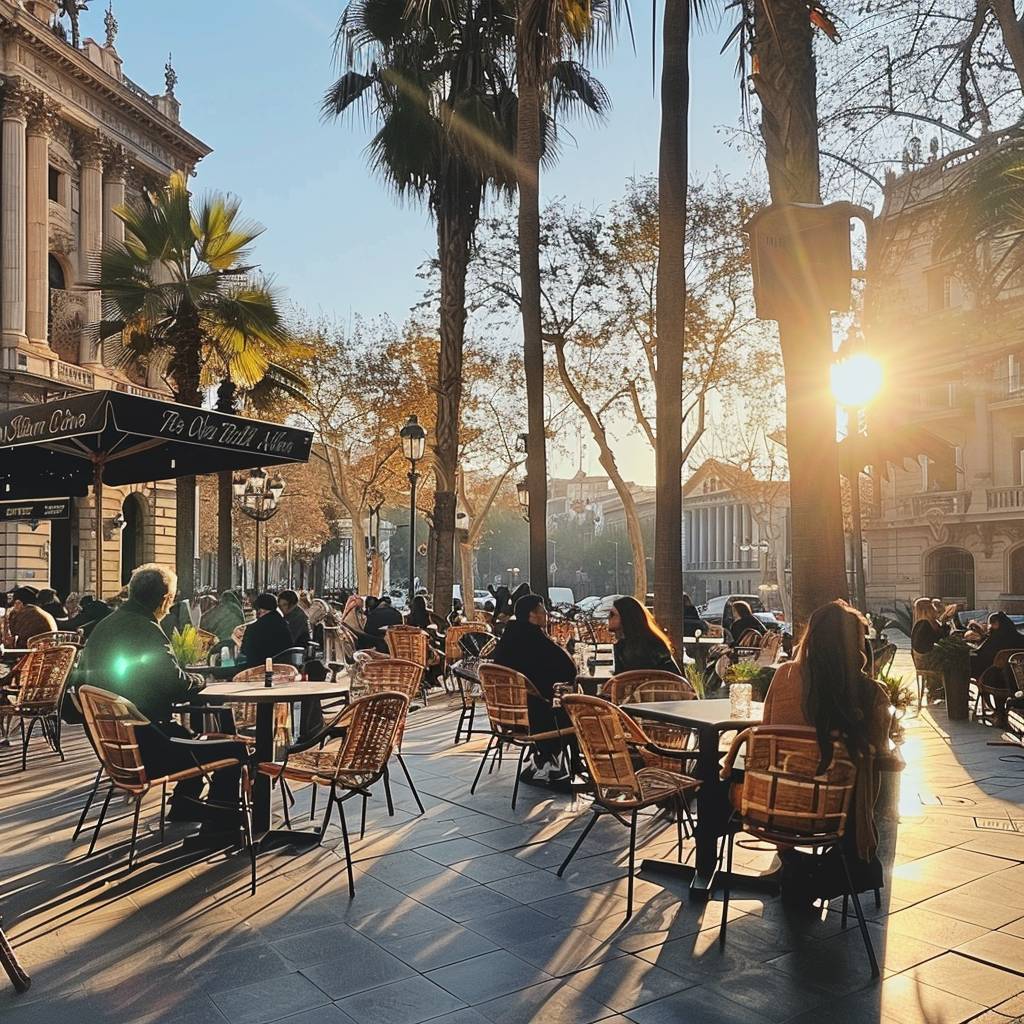
The Cimavilla neighborhood, perched on a hill overlooking the port, is where you’ll want to spend most of your time. Its narrow streets are lined with traditional sidrerías (cider houses) where locals practice the art of escanciar – pouring cider from great heights to aerate it properly.
What I love most about Gijón is how locals treat visitors – there’s genuine curiosity about what brings you to their city. The contrast between the city’s Roman ruins (including well-preserved baths) and its modern cultural ambitions makes for fascinating exploration.
Oviedo
Oviedo might be Asturias’s capital, but it maintains the intimate feel of a much smaller city. The historic center is compact enough to explore entirely on foot, yet packed with architectural treasures that span over a thousand years.
The pre-Romanesque churches scattered around the city are UNESCO World Heritage sites and represent some of Europe’s most important early medieval architecture. The food culture here centers around fabada asturiana, a hearty bean stew that’s perfect for the region’s often cool, damp weather.
Oviedo serves as an excellent base for exploring rural Asturias, with traditional villages and mountain hiking trails all within easy driving distance. Despite being often overlooked by international tourists, the city has a surprisingly sophisticated cultural scene with theaters and museums worth exploring.
A Coruña
A Coruña’s defining feature is its tower – the Tower of Hercules, a Roman lighthouse that’s still in operation after nearly 2,000 years. It’s the world’s oldest functioning lighthouse and offers incredible views over the Atlantic once you climb its 234 steps.
The city’s old town is built around María Pita Square, named after the local heroine who helped defend the city against English attack in 1589. The square is surrounded by traditional Galician architecture, including the famous glass balconies (galerías) that give many buildings their distinctive appearance.
Fresh seafood is A Coruña’s culinary calling card, and the city’s restaurants serve some of the best in Spain. Try percebes (gooseneck barnacles) if you’re feeling adventurous – they look strange but taste incredible.
Picos de Europa National Park
The Picos de Europa offer some of Spain’s most dramatic mountain scenery, with jagged limestone peaks rising directly from green valleys. This is hiking country at its finest, with trails ranging from gentle walks through traditional villages to challenging climbs that require serious mountain experience.
Traditional villages like Potes and Cangas de Onís serve as perfect bases for exploring the region. These towns have maintained their authentic character while developing the infrastructure needed for mountain tourism.
Wildlife watching opportunities abound, with brown bears, wolves, and golden eagles calling these mountains home. Spring brings wildflower meadows that rival those in the Alps, while autumn offers spectacular color displays across the mountainsides.
Burgos
Burgos Cathedral is reason enough to visit this historic city – its Gothic spires and intricate stone carving represent medieval architecture at its most ambitious. The cathedral took over 300 years to complete, and every surface seems to tell a story through stone.
As an important stop on the Camino de Santiago, Burgos has centuries of experience welcoming travelers. The historic center maintains its medieval layout, with narrow streets leading to small squares lined with traditional restaurants where you can try morcilla de Burgos, the local blood sausage.
Many travelers use Burgos as an overnight stop on longer journeys, but the city deserves at least a full day. The combination of architectural treasures, historical significance, and excellent regional cuisine makes it one of northern Spain’s most rewarding cultural destinations.
León
León’s Gothic cathedral might be the most beautiful in all of Spain, with stained glass windows that transform the interior into a kaleidoscope of colored light. The building seems to defy gravity, with more glass than stone in its upper reaches.
The Barrio Húmedo (Wet Quarter) gets its name from all the wine spilled during centuries of celebrations, and it remains the heart of León’s social life. This maze of narrow streets is packed with traditional tapas bars where locals gather for everything from morning coffee to late-night conversations.
Architecture fans shouldn’t miss Casa Botines, one of only three buildings Antoni Gaudí designed outside Catalonia. The city seamlessly blends Roman ruins, medieval churches, and modern amenities into a compact historic center that’s perfect for walking.
Planning Your Northern Spain Adventure
Northern Spain rewards those who take their time rather than rushing between destinations. The region’s charm lies in lingering over long meals, taking spontaneous detours to explore coastal villages, and embracing the slower pace of life that defines this part of Spain.
Each destination offers unique experiences that you won’t find elsewhere in the country. For comprehensive planning advice, check out my ultimate Spain travel tips to help you make the most of your journey through this incredible region.
