
Cost of Living in Valencia, Spain (2025): A Local’s Guide


Are you an adventurous spirit mulling over the idea of moving to Valencia, Spain but aren’t sure about how it will work financially? Well, you’ve come to the right place!
As someone who lives in this great city, I’m here to take the guesswork out of budgeting for life here by taking you through each aspect of the cost of living in Valencia.
I’ll take you through what you can expect when it comes to rent prices, the cost of food, healthcare, and even the occasional paella and sangria nights out! As we navigate through this financial roadmap, you’ll gain the valuable insights needed and the pros and cons of living in Valencia to make your decision about moving to this vibrant city.
After all, understanding the cost of living is crucial for anyone looking to turn the dream of Valencian life into reality.
Planning a trip to Valencia last minute?
If you’re booking your trip to Valencia last minute, I’ve got you covered. Below are some of the top tours, hotels, and more!
⭐ Top tours in Valencia
- City Highlights Guided Bike Tour (great way to see the city)
- Palosanto Flamenco Show (incredible night out)
- Old Town Tour, Wine and Tapas in an 11th Century Monument (all the highlights at once)
- Catamaran Cruise at Sunset (experience the Mediterranean – with cava)
- Oceanogràfic – Valencia Aquarium (biggest one in Europe!)
🛏️ Top hotels in Valencia
- Only YOU Hotel Valencia (5-star luxury)
- Vincci Palace (boutique hotel with beautiful décor)
- Hostal Antigua Morellana (great budget option in a superb location)
🚌 Want to see everything with minimal effort while you’re in Valencia? Check out the 24- or 48-Hour Hop-On Hop-Off Bus Ticket!
Housing
If you’re planning to move to Valencia, one of the most important things to consider is housing. Fortunately, Valencia offers a wide range of housing options to fit different budgets and lifestyles. Here’s what you need to know about housing in Valencia.
Rent
Renting an apartment in Valencia is generally cheaper than in other major Spanish cities like Madrid or Barcelona.
The average monthly rent for a one-bedroom apartment in the city center is around €700-€900, while a three-bedroom apartment costs around €1,200-€1,500 per month. However, prices can vary depending on the location, size, and condition of the apartment.
For example, in popular suburbs like Ruzafa one of the best place to live in Valencia, it’s difficult now to find a one-bedroom apartment for less than €1,000. Similarly, areas further away from the center tend to become more affordable.
Utilities
Utilities in Valencia are generally affordable. The average monthly cost for electricity, gas, and water for a 85m² apartment is around €100-€150.
However, keep in mind that heating costs can be higher during the winter months, especially if you live in an older building without central heating. Also, many older apartments aren’t well insulated, which can impact heating costs, as well as cooling costs in the summer.
Property
If you’re planning to buy a property, and retire in Valencia, you’ll be happy to know that property prices in the city are relatively low compared to other major European cities.
The average price per square meter for a property in Valencia is around €1,500-€2,000, which is significantly cheaper than cities like Paris or London – or even bigger cities in Spain, like Madrid and Barcelona.
However, much like rent prices, it’s worth noting that property prices can vary depending on the location and condition of the property.
Transportation
Valencia has a well-developed public transportation system that is both convenient and affordable. Whether you’re a resident or a visitor, it’s easy to get around the city using public transport. Here are some of the options available to you:
Public Transport
The public transport system in Valencia consists of buses, trams and a metro system. The buses run throughout the city and are a great way to get around. They are reliable, frequent, and inexpensive.
The same type of ticket can be used on all three modes of public transport. To get around the main zones in the center and surroundings, you can buy a single ticket for €1.50 or a 10-trip ticket for €8.00. There are also other passes available, like on a monthly basis as well as for passengers between 14 and 30 years old, so check the up to date prices and availability here.
Biking
Valencia is known for its cyclist-friendly infrastructure, with extensive bike lanes and flat terrains making it an ideal city for those who love to pedal. In terms of its impact on your cost of living in Valencia, though, it’s going to depend on whether you’re planning on buying a bike or renting one through the public Valenbisi system here.
If you’re considering buying a bike, prices vary depending on the type and quality of the bike. For a new, standard city bike, you can expect to pay anywhere from €200 to €400. If you’re willing to go for a second-hand option, prices can be considerably lower, often ranging from €50 to €150.
On the other hand, if you want to avoid the initial cost and maintenance of owning a bike, the Valenbisi bike-sharing system is a great alternative. Operated by the city, Valenbisi offers over 2,750 bikes available at 275 stations across Valencia.
A long-term subscription to Valenbisi costs €29.21 per year. This subscription allows you unlimited use of the bikes for up to 30 minutes at a time. If you keep the bike for longer than 30 minutes, additional charges apply, which start at €0.52 for the first extra hour and increase gradually for subsequent hours.
There’s also the option of subscribing for Valenbisi for seven days, which costs €13.30. Similar to the long-term subscription, use of each bike is free for the first 30 minutes but the first subsequent hour will cost €1.04 and go up from there.
Choosing between buying a bike or using the Valenbisi system depends on your personal preferences and how frequently you plan on cycling. Either way, bicycling is a cost-effective and enjoyable way to get around and experience the captivating charm of Valencia.
Taxi
Taxis are also available in Valencia and are a convenient way to get around the city. They’re more expensive than public transport, but they are still affordable.
The fares are regulated by the government, so you don’t have to worry about being overcharged. You can hail a taxi on the street or find one at a taxi rank. You can also book one in advance by phone or online (which is my preferred option, using the Free Now app).
Cabify is also a popular choice, more so than Uber, which does exist here too.
Food and Drink
Valencia is known for its delicious and diverse cuisine, and there are plenty of options to choose from when it comes to food and drink. Fortunately, food prices in Valencia, Spain tend to be quite reasonable, although they have gone up recently.
But whether you prefer to cook at home or dine out, you can find affordable options that won’t break the bank.
Groceries
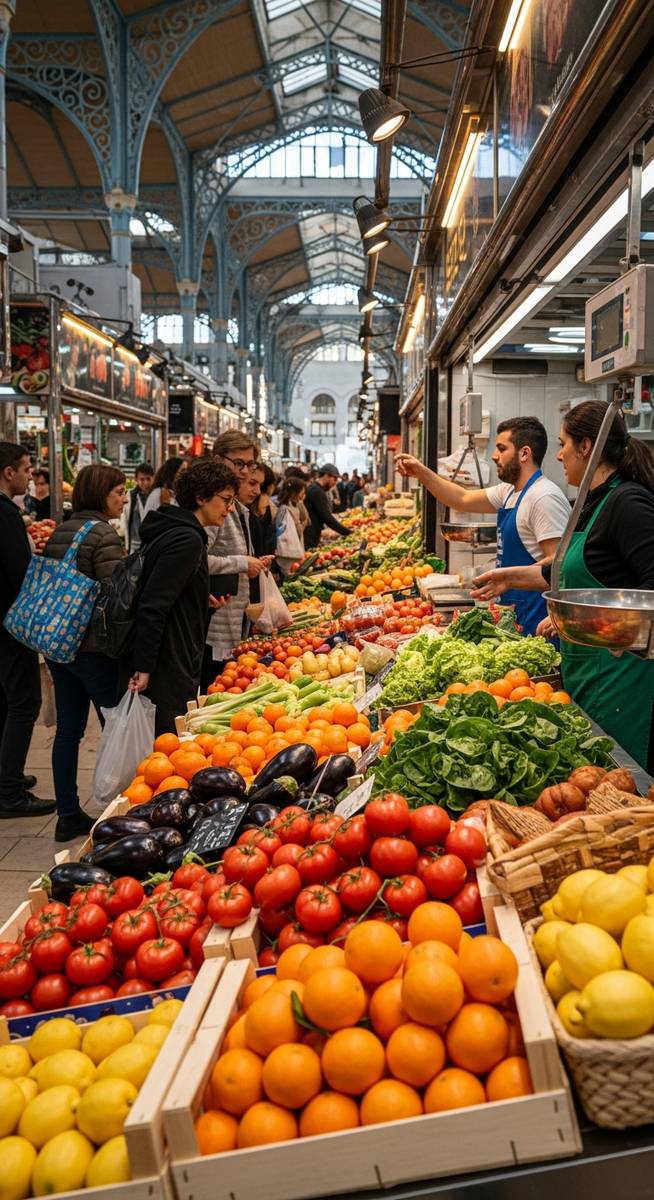
If you prefer to cook at home, you’ll be happy to know that groceries in Valencia are reasonably priced. A loaf of bread will cost you around €0.90, a liter of milk costs around €0.75, and a dozen eggs cost around €1.50.
When it comes to produce, you can expect to pay around €2.00 for a kilogram of standard tomatoes, €1.50 for a kilogram of potatoes, and €1.90 for a kilogram of apples.

Local cheese is also a popular option and while there are many types available, with prices fluctuating accordingly, expect to pay around €10 per kilogram.
Restaurants
Valencia is home to many fantastic restaurants, and you can find a three-course meal for two people at a mid-range restaurant for around €45.
For lunch, a menu del dia is always an affordable choice. During the week, many local places offer a first and second course plus dessert, coffee and drink for around €10 to €12.
If you’re a seafood lover, you’ll be happy to know that Valencia is known for its fresh seafood, and you can find affordable seafood dishes at many local restaurants.
Drinks
When it comes to drinks, Valencia offers plenty of affordable options. You’ll likely pay around €2.00 for a cafe con leche (coffee with milk) and a domestic beer at a restaurant or bar will cost you around €2.50.
If you prefer wine, you can find a bottle of local wine for around €5 in a supermarket, although it may be slightly more in a bar. Cocktails can also vary in price depending on the type of establishment.
Leisure and Entertainment
Valencia is a city that offers a wide range of leisure and entertainment activities, making it an ideal destination for those who want to have fun and enjoy their free time. Here are some of the best options available to you:
Cinema
Valencia has a great selection of cinemas that offer a variety of films in different languages. The prices for movie tickets are very affordable, ranging from €6 to €8.
Most cinemas offer discounts for students and seniors. In addition, some cinemas also have special deals on certain days of the week, such as “Cine de los Martes” (Tuesday Cinema), where you can watch a movie for just €4.

Theater
Valencia has a rich cultural scene, and theater is no exception. There are several theaters in the city that offer a wide range of performances, from classic plays to contemporary productions.
The prices for theater tickets vary depending on the show and the theater, but you can expect to pay between €10 and €30.
Clothing and Personal Items
When it comes to clothing and personal items, Valencia offers a wide range of options to suit all tastes and styles. From trendy boutiques to popular chain stores, you can find everything you need to look great and feel comfortable in this vibrant city.
Spanish brand Zara is known for being cheaper in Spain than outside of the country and Valencia is no exception. But there are plenty of other clothing stores here that you’ve probably heard of already, all of which range in price depending on the label.
I find shoes to be particularly well priced here and you can easily find good quality ones starting at around €25, although they can go up a lot from there.
Cosmetics and personal care items also tend to be quite cheap here, with several major chains selling well priced products, especially compared to other countries in Europe.
Cost of Living in Valencia vs Other Spanish Cities
If you’re considering moving to Valencia, one of the things you might be wondering about is how the cost of living compares to other Spanish cities. Here’s a breakdown of how Valencia stacks up against Madrid, Barcelona, and Seville.
Cost of living in Valencia vs Madrid
Madrid is the largest city in Spain and is known for its vibrant nightlife and cultural attractions. However, it’s also one of the most expensive cities to live in. According to Numbeo, the cost of living in Madrid is about 15% higher than in Valencia.
Housing is particularly expensive in Madrid, with rents averaging about 40% higher than in Valencia. Other expenses, such as groceries and dining out, are also more expensive in Madrid.

At the same time, if you’re looking for a big city experience with plenty of entertainment options, Madrid might still be worth considering despite the higher cost of living.
Cost of living in Valencia vs Barcelona
Barcelona is one of the most expensive Spanish cities to live in, with a cost of living that’s about 25% higher than in Valencia. Housing is a major factor in the higher cost of living in Barcelona, with rents averaging about 60% higher than in Valencia.
Other expenses, such as groceries and transportation, are also more expensive in Barcelona. That said, for those looking for a cosmopolitan city with a lively cultural scene, Barcelona’s higher cost of living might still be worth it for you.
Cost of living in Valencia vs Seville
Seville is one of the more affordable Spanish cities to live in, with a cost of living that’s about 10% lower than in Valencia. Housing is significantly cheaper in Seville than in Valencia, with rents averaging about 30% lower. Other expenses, such as groceries and dining out, are also more affordable in Seville.
However, if you’re looking for a larger city with more job opportunities, Valencia might be a better choice despite the higher cost of living.
Overall, Valencia offers a good balance of affordability and quality of life compared to other Spanish cities. While it may not be the cheapest option, it’s still more affordable than Madrid and Barcelona while offering a similar level of amenities and cultural attractions.
Additional Expenses
When it comes to living in Valencia, there are a few additional expenses you should keep in mind beyond the cost of rent and groceries. Here are some of the most common expenses you may encounter:
Health Insurance
While Spain has a public healthcare system, many people choose to supplement it with private health insurance.
The cost of private health insurance can vary depending on your age, health status, and the level of coverage you choose. On average, you can expect to pay anywhere from €50 to €150 per month for private health insurance in Valencia.

Gym Membership
If you enjoy staying active, you may want to consider joining a gym. There are several gyms throughout Valencia, ranging in price from €20 to €60 per month.
Many gyms offer discounts if you sign up for a longer period of time, so be sure to ask about any promotions or deals.
Prepaid Mobile Tariff
If you plan on using your mobile phone while in Valencia, you may want to consider getting a prepaid mobile plan. This allows you to pay for your phone usage upfront, rather than receiving a bill at the end of the month.
Prepaid plans can be a great option, with prices varying depending on the provider and the amount of data and minutes you need. However, plans of €5 to €10 are common and come with plenty of data.
Overall, these additional expenses can add up, but they’re all optional and can be adjusted to fit your budget. Keep in mind that the minimum wage in Spain is €1,050 per month, so for anyone earning more than this, you should be able to live comfortably in Valencia even with these additional expenses.
FAQs
How affordable is Valencia compared to other cities in Spain?
Valencia is known for being one of the most affordable big cities in Spain. Compared to cities like Madrid or Barcelona, the cost of living in Valencia is significantly lower. You can enjoy a high quality of life without breaking the bank.
For example, a meal at a mid-range restaurant will cost you around €12, while a monthly transportation pass is only €45.

How much should I budget for rent in Valencia?
The cost of rent in Valencia varies depending on the neighborhood and the type of apartment you are looking for. In general, you can expect to pay around €700-€900 per month for a one-bedroom apartment near the city center, with prices going up the more central you go.
If you’re willing to live a bit further from the center, you can find more affordable options for around €500-€600 per month.
What is the average cost of groceries in Valencia?
The cost of groceries in Valencia is quite reasonable. You can expect to pay around €60-€80 per week for basic groceries such as bread, milk, fruits, and vegetables. If you want to buy meat or fish, expect to pay a little more.
However, if you shop at local markets instead of supermarkets, you can find great deals on fresh produce and save some money.
Is Valencia expensive to live in?
Compared to other major European cities, Valencia is quite affordable. While the cost of living will depend on your lifestyle and personal preferences, in general, you can live comfortably on a moderate budget. Housing is one of the biggest expenses in Valencia, but you can find a range of options to fit your budget.
If you’re looking for a one-bedroom apartment in the city center, you can expect to pay around €600-€800 per month. If you’re willing to live outside the city center, you can find more affordable options for around €400-€600 per month.

When it comes to food, Valencia is known for its delicious Mediterranean cuisine. You can find fresh, locally sourced produce at the many markets throughout the city, which can help you save money on groceries. Eating out at local restaurants is also affordable, with a mid-range meal for two costing around €30-€40.
Transportation in Valencia is also reasonably priced. The city has an efficient public transportation system, including buses, trams, and a metro. And if you prefer to cycle, Valencia is a bike-friendly city, with many bike lanes and rental options available.
While Valencia may not be the cheapest place to live in Spain, it offers a high quality of life at a reasonable cost. With its beautiful beaches, vibrant culture, and delicious food, Valencia is a great place to call home.
How much do I need to live in Valencia?
For two people without dependents to live in Valencia, you will need anywhere from €1,000 to €1,200 a month for a one-bedroom apartment in a reasonably priced area to cover standard expenses as well as to allow room in your budget for eating out occasionally.
Of course, this can vary depending on where you choose to live as well as things like how frequently you plan to go to restaurants. Budgeting for anything from €1,500 up can provide for a very comfortable lifestyle in Valencia.
The information above on specific expenses will help to guide you but, in brief, living in Valencia can be a fantastic experience, and it’s possible to live comfortably on a reasonable budget. By considering the above expenses, you can make an informed decision about your move to Valencia.
Is Valencia cheap or expensive?
When it comes to cost of living, Valencia is relatively affordable compared to other cities in Spain. In particular, the cost of living in Valencia is lower than in Madrid and Barcelona, which are the two most expensive cities in Spain.
However, it’s important to note that the cost of living in Valencia can vary depending on your lifestyle and the neighborhood you live in.
This aligns with the fact that one of the biggest expenses in Valencia is rent. The cost of rent can vary depending on the neighborhood, but in general, it’s cheaper than in Madrid and Barcelona.
You can find a one-bedroom apartment in the city center for around €700-€900 per month, while a three-bedroom apartment in the suburbs can cost around €1,000-€1,500 per month. If you’re willing to live outside the city center, you can save a lot of money on rent.
Another expense to consider is food. In Valencia, you can find a variety of affordable options for eating out, from street food to traditional restaurants.
A meal at a mid-range restaurant can cost around €10-€20 per person, while a meal at a high-end restaurant can cost around €30-€50 per person. If you prefer to cook at home, you can find affordable groceries at local markets and supermarkets.
Transportation in Valencia is also relatively cheap. A single ticket for public transportation costs €1.50 while, if you prefer to go by bike, Valenbisi, the public bike system, is very affordable at €29.21 per year.
In general, Valencia is a relatively affordable city to live in compared to other cities in Spain. However, it’s important to budget accordingly and consider your lifestyle and neighborhood when calculating your expenses.
Can I live in Valencia for $1,000 a month?
Yes, it’s possible to live in Valencia for $1,000 a month (approximately €850), but it would require careful planning and budgeting. The largest chunk of your budget would be for rent and you’d likely have to live outside of the city center or rent a room in a shared apartment.
The average monthly rent for a one-bedroom apartment in the city center is around €700 to €900 euros, so this wouldn’t be possible with a budget of only $1,000 a month. However, you can find cheaper options in less central areas where rent can be as low as €500.
That said, when considering, say, the Valencia cost of living for students, it’s worth considering that many people choose to share their apartment with flatmates, so you may want to do the same to make your budget stretch further.
Your next big expense is likely to be groceries. A monthly budget of around €150 should suffice for an individual’s basic grocery needs. However, keep in mind that this figure can increase if you have a preference for imported goods or organic products.
Utilities (including water, electricity, gas, and internet) can run you about €100 a month. For transportation, if you choose the cost-effective route of bicycling and use the Valenbisi system, it costs approximately €2.43 a month (paid as €29.21 annually).
This rough breakdown leaves little room for extras like dining out, leisure activities, or unexpected expenses. So, while it’s possible to live in Valencia on US$1,000 a month, it would be a tight budget, and you might find yourself missing out on some of the city’s delights.
Increasing your budget by even a few hundred dollars could dramatically enhance your Valencian experience, allowing for more flexibility and opportunities to enjoy everything this vibrant city has to offer.

Hello Anna,
My wife and I are planning our move to Valencia from Washington DC (although my wife is Belgian) and would greatly appreciate if we can connect with you and other locals to learn more about this beautiful city.
Hi Giovanni – great to hear you guys are planning to become Valencianos too! There are some really good Facebook groups for people moving to Valencia that I’d definitely recommend, including that they often have meet ups. This group is excellent for general information on moving here. And for your wife, I can’t recommend enough this group, which is incredibly active with regular events for meeting other women, which is ideal when you just move here!